How to Release a Fish Without Hurting It in Utah
We've all been there: you hook into a beautiful fish, fight it carefully, bring it to hand, and then… it just doesn't seem to swim away as strong as you'd hoped after release. That sinking feeling can really take the joy out of an otherwise perfect catch, especially when you're trying to do right by the fish and the regulations. It's a common frustration to want to ensure the survival of every released fish, but sometimes knowing the best way to do it, especially with Utah's diverse waters and species, can feel like a puzzle. This comprehensive guide is here to untangle that puzzle, walking you through the essential steps and techniques to ensure you're giving every fish you release the best possible chance of thriving, helping to keep our cherished Utah fisheries vibrant for years to come.
The Ethics and Impact of Catch-and-Release Fishing in Utah
For many of us who love to fish in Utah, it’s not just about what we take home for dinner, but the entire experience – the challenge, the beauty of the landscape, and the connection to nature. This mindset naturally leads to a strong desire to protect the resource we cherish. When we practice catch-and-release, we're making a conscious decision to contribute to the health and sustainability of our fisheries.
Why Every Angler's Actions Matter for Utah's Fisheries
When you release a fish, you're not just letting it go; you're investing in the future of the fishery. Every successful release means that fish has another chance to grow, spawn, and contribute to the population. This isn't just a feel-good notion; it's fundamental to sustainable angling, especially in heavily fished areas or for species with lower populations.
Conservation for Future Generations
Think about a trophy-sized brown trout you might hook on the Provo River, or a feisty cutthroat in a high Uinta lake. If that fish survives release, it continues its role in the ecosystem, eating insects, and eventually, producing more trout. It could even be caught again by another angler, providing joy and challenge without diminishing the overall health of the water. Our actions as individual anglers collectively determine the long-term health of these precious aquatic environments. Without careful handling and successful release, populations can decline, leading to fewer fish and less enjoyable fishing experiences for everyone down the line. It's a stewardship responsibility that we all share as users of these natural resources.
Legal and Ethical Responsibilities
Beyond the personal satisfaction of knowing you've done right, there are often specific regulations in place to protect certain species or ensure the health of particular water bodies. For instance, many of Utah's Blue Ribbon Fisheries have strict catch-and-release rules, or specific slot limits that require you to release fish within a certain size range. Ignorance of these rules isn't an excuse, and violating them can lead to significant penalties. Anglers should always consult the current Utah Fishing Regulations Explained booklet before heading out to understand the specific rules for their chosen fishing spot, especially for sensitive areas designated as Utah Catch-and-Release Waters. It's not just about avoiding a ticket; it's about respecting the hard work of wildlife managers and ensuring that these fisheries can continue to provide amazing angling opportunities for everyone. Ethical angling also means making every effort to release a fish in the best possible condition, even when regulations don't explicitly demand it.
Understanding Fish Stress and Mortality Risks
It's easy to assume that if a fish swims away, it's fine. But unfortunately, that's not always the case. Fish can suffer from what's called "delayed mortality," succumbing hours or even days later due to the trauma experienced during capture and handling. Understanding these risks is the first step in minimizing them.
The Biological Toll of the Fight
Imagine running a marathon without proper training. That's a bit like what a fish goes through when it's hooked and fought. The struggle depletes its energy reserves, builds up lactic acid in its muscles, and can lead to severe physiological stress. This exhaustion can make the fish more susceptible to predators, disease, or simply unable to recover enough to find food or shelter. Prolonged fights, especially on light tackle or with oversized fish, exacerbate this problem. This is particularly true in warmer water, where oxygen levels are lower, and fish are already under environmental stress. Knowing How Water Temperature Affects Utah Trout Fishing can significantly impact how quickly you need to land and release a fish to give it the best chance.
Physical Injuries and Their Consequences
Beyond the physiological stress, physical trauma is a major factor in post-release mortality. This can range from internal organ damage caused by deeply swallowed hooks to external injuries from rough handling. Losing too many scales, for instance, can compromise a fish's protective slime coat, making it vulnerable to fungal infections. Mishandling can also damage delicate fins or gill plates, impairing the fish's ability to swim or breathe effectively. A common mistake is holding a fish vertically by the jaw or gills, which can dislocate its spine or internal organs, especially with larger, heavier fish. That's why careful, supportive handling is so incredibly important for ensuring the fish's long-term survival.
Essential Gear and Preparations for a Successful Release
Just like you wouldn't head out on a long hike without the right boots, you shouldn't head out fishing with the intention of catch-and-release without the right tools. Proper gear can make all the difference in minimizing stress and injury to the fish, turning a potentially harmful encounter into a brief, manageable one.
Equipping Your Tackle Box for Gentle Handling
Before you even make your first cast, make sure your tackle box is stocked with items that promote safe release. This isn't about spending a fortune; it's about making smart choices that prioritize the fish's well-being. Thinking about What Gear Does a First-Time Utah Angler Need? should always include considering release tools.
The Power of Barbless Hooks
If you are serious about catch-and-release, barbless hooks are your best friend. A barbed hook creates a larger wound and can be much more difficult and damaging to remove, especially if the fish is thrashing. Barbless hooks, on the other hand, slide out with minimal effort and leave a much smaller wound. You can either buy hooks that are manufactured barbless or, more commonly, simply crimp down the barb on your existing hooks with a pair of pliers. This simple act can drastically reduce harm and make the unhooking process incredibly swift. Many specialized fly-fishing shops and online retailers like Amazon offer a wide selection of barbless hooks for various species and techniques.
Netting and Handling Tools
When it comes to landing a fish you intend to release, the right net is crucial. Traditional knotted nylon nets can strip a fish of its protective slime coat and damage its fins and eyes. A rubberized, knotless mesh net is a game-changer. These nets are much gentler on the fish's delicate skin and scales, preventing undue stress and injury. They also tend to be less prone to tangling hooks, which makes the whole process smoother for you and the fish. Consider investing in one, and you can find excellent options on Amazon or at your local sporting goods store. For hook removal, long-nose pliers or forceps are indispensable. These tools allow you to reach hooks without putting your hands or fingers too close to the fish's mouth, and they provide the leverage needed for quick extraction. Make sure you have a pair with a good grip that can handle different hook sizes. Many anglers find that a high-quality pair of Best Pliers for Removing Deep-Set Hooks is worth its weight in gold. A small pair of line clippers is also essential for those rare but inevitable situations where a hook is too deeply swallowed to safely remove.
| Gear Item | Recommended Type | Why It Helps Safe Release | Where to Find It |
|---|---|---|---|
| Hooks | Barbless or crimped-barb | Minimizes tissue damage, easier and faster removal | Many brands available; check sporting goods stores or Amazon |
| Landing Net | Rubberized, knotless mesh | Protects fish slime coat and fins, reduces entanglement | Reputable fishing retailers or Amazon |
| Pliers/Forceps | Long-nose, straight or bent tip | Aids in quick and precise hook removal, especially with smaller hooks | Hardware stores, fishing shops, or Amazon |
| Line Clippers | Small, sharp clippers | Essential for cutting deeply swallowed hooks quickly | Any fishing tackle supplier or Amazon |
| Gloves (optional) | Fish handling gloves (wet) | Can improve grip on slippery fish, but always wet hands first | Fishing specialty stores |
Pre-Fishing Mindset and Planning
A successful release often begins before you even cast a line. Being prepared mentally and practically can make all the difference when a fish is on. It's about having a plan and being ready to execute it swiftly and gently.
Knowing the Regulations Before You Go
This cannot be stressed enough: always check the current Utah fishing regulations before you head out. Rules can vary significantly from one body of water to another, and even for different species within the same water. For instance, some lakes might have specific slot limits for trout, requiring you to release all fish under or over a certain size. Other waters might be strictly catch-and-release only, or, conversely, may require you to harvest certain invasive species like Northern Pike from Utah Lake (see Why Does Utah Lake Require You to Kill Every Northern Pike?). Imagine the scenario where you catch a fish you thought was a trophy, only to realize too late it's in a mandatory release or mandatory harvest size category for that specific water. Being informed prevents these kinds of stressful situations and ensures you're compliant. Always know your target species, the limits, and if there are any Fish Species You Must Keep and Not Release in Utah for that particular location.
Setting Up for Speed and Efficiency
Once you're on the water, the moment you hook a fish isn't the time to start fumbling for your pliers. Have your net ready, your hook removal tools easily accessible, and your camera (if you're taking a quick photo) prepped. The less time a fish spends out of the water or being handled, the better its chances of survival. For bank anglers, identify a clear, flat area near the water's edge where you can land and quickly release the fish. If you're in a boat, position your tools within arm's reach. Every second counts. A smooth, efficient process minimizes the fish's stress and allows for a quicker return to its natural environment.
Step-by-Step Guide to On-the-Water Release Techniques
Now that you're geared up and mentally prepared, let's talk about the actual mechanics of getting that fish back into the water unharmed. These steps are designed to be fluid and fast, aiming to get the fish from hook to freedom with the least amount of trauma.
Minimizing the Fight and Time Out of Water
The fight itself is the first major stressor for a fish. Your goal is to land it quickly and then get it back into the water's embrace as soon as possible. Prolonging the battle, or keeping the fish out of its oxygen-rich environment, significantly reduces its chances of survival.
Swift Landing and Control
When you hook a fish, try to bring it in as quickly as your tackle will allow without breaking your line or rod. Don't "play" the fish excessively just for the thrill of it, especially if you intend to release it. Once the fish is near, use your rubberized landing net to scoop it up headfirst. This helps guide the fish into the net smoothly and prevents it from thrashing on the bank or in the boat. For smaller fish, you might be able to simply guide them close enough to grab your line or the hook, but a net provides much more control and reduces unnecessary handling. Once in the net, keep the net in the water as much as possible, especially if you need a moment to gather your tools or prepare for the next step.
The "Wet Hands" Rule and Cradle Method
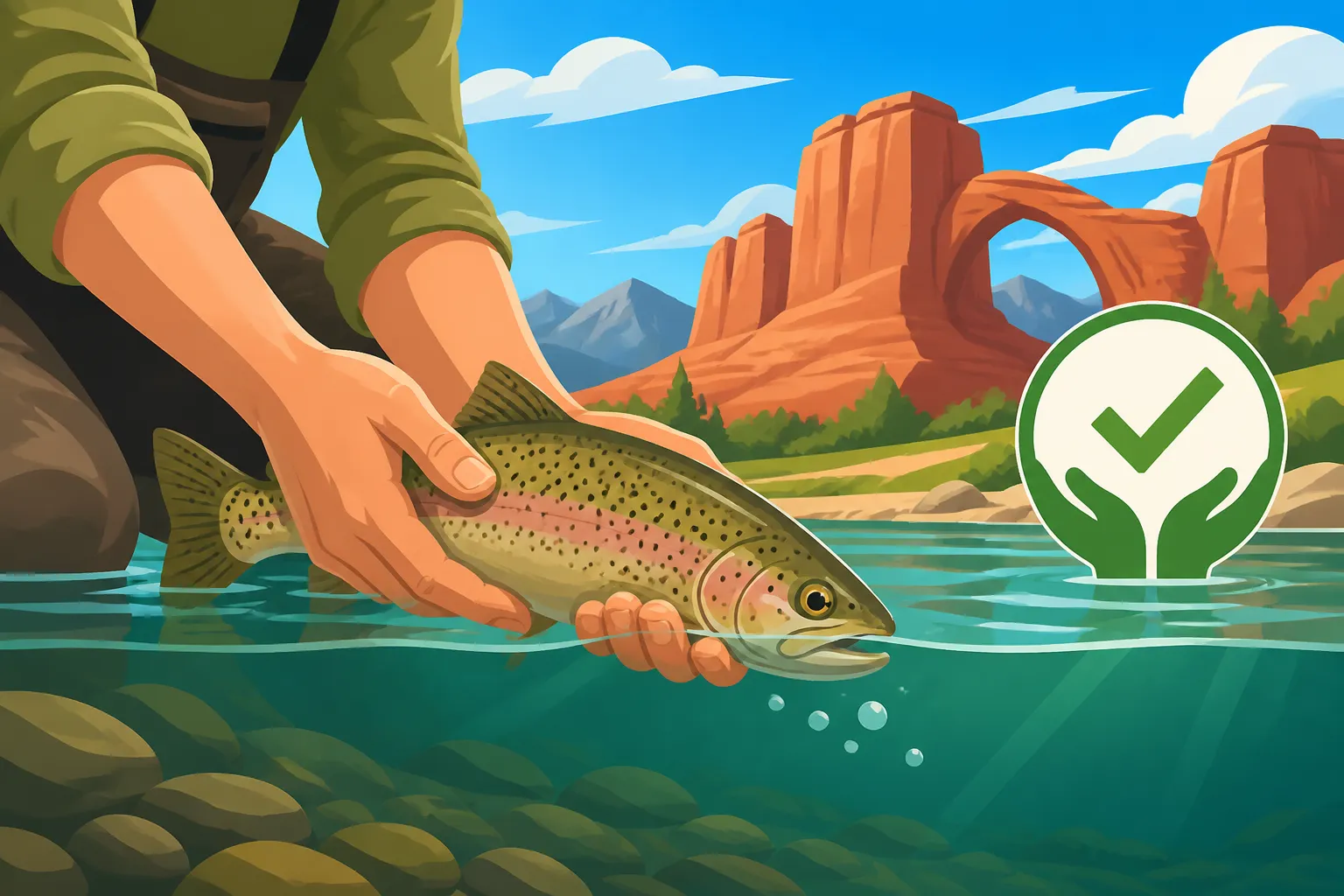
This is perhaps the most critical rule for handling any fish you intend to release: always wet your hands thoroughly before touching the fish. Fish are covered in a protective slime coat, a vital barrier against infection and disease. Dry hands, or gloves that aren't wet, will strip this slime away, leaving the fish vulnerable. When you do handle the fish, support its entire body horizontally. Avoid holding it vertically by the jaw or gills, which can cause internal damage. Instead, use a "cradle" method, supporting its belly with one hand and gently gripping its tail section with the other. This distributes its weight evenly and keeps its spine aligned, mimicking how it moves naturally in the water. For trout, especially, avoid squeezing the body. A simple, firm but gentle grip on the tail and support under the belly is often all you need for a quick, safe release.
Masterful Hook Removal Strategies
Getting the hook out cleanly and quickly is paramount. This is where your specialized tools come into play, allowing you to be precise and efficient, minimizing damage to the fish's mouth and internal organs.
Assessing Hook Placement
Before you grab your pliers, take a quick glance at where the hook is set. Is it in the lip, corner of the mouth, or has the fish swallowed it deeply? A hook set in the lip or jaw is usually straightforward to remove. Simply use your pliers or forceps to grab the bend of the hook and back it out the way it went in. If you've used barbless hooks, this often takes just a second or two. However, a deeply swallowed hook presents a bigger challenge. This is where the decision to cut the line may be the kindest option.
Using the Right Tools for Extraction
For hooks in the lip or jaw, a good pair of long-nose pliers or forceps is indispensable. Choose a pair that is easy to handle and has a good grip, allowing you to manipulate the hook with precision. Carefully clamp onto the bend of the hook, not the line or the fish, and gently but firmly twist and pull to dislodge it. The goal is to avoid tearing tissue. If the fish is thrashing, keep it submerged in the net if possible, or gently hold it securely in the water with wet hands. Remember, the less time the fish is out of the water struggling against your grip, the better. Having specialized tools like those mentioned in Best Pliers for Removing Deep-Set Hooks can make this step much easier.
If a fish has swallowed the hook deeply, meaning it's down past the gills or into the esophagus, attempting to dig it out with pliers will almost certainly cause lethal damage. In these situations, the best course of action is to cut the line as close to the hook as possible. Studies have shown that fish have a better chance of survival with a hook left in (which may eventually rust out or be dissolved by stomach acids) than with extensive internal damage from an extraction attempt. It’s a tough call to make sometimes, but it’s the most humane choice.
The Critical Art of Fish Revival
Once the hook is out, the fish isn't quite ready to swim off on its own. It's likely exhausted and disoriented from the fight and handling. This is where revival comes in – helping the fish regain its strength and equilibrium before releasing it back into the wild.
Proper Hold and Water Flow
With the hook removed, gently hold the fish upright in the water. For stream fish, point its head upstream into a gentle current. This allows fresh, oxygenated water to flow over its gills. If you're in still water, like a lake or pond, gently move the fish forward and backward in the water. This mimics the flow of water over its gills. Do not move it vigorously side-to-side, as this doesn't push water through the gills effectively. Keep your hands supporting its belly and tail, allowing its gills to flare naturally. Avoid squeezing, and allow the fish to start moving its fins on its own.
Signs of Readiness for Release
You'll know a fish is ready for release when it starts to show signs of regaining its vigor. Look for strong, consistent gill movements, indicating it's breathing effectively. It will also begin to try and swim away from your grasp, often giving a strong kick of its tail. When it can hold itself upright without your support and tries to swim off with a powerful tail beat, it's ready. Gently let go, but be ready to follow it with your eyes for a moment to ensure it swims off strongly and doesn't just float to the surface. Sometimes, especially with larger or more exhausted fish, this process can take several minutes. Be patient; it's worth the extra effort for the fish's survival. Remember, the goal is to have it swim off with a strong, confident motion, much like the advice given in How to Handle a Fish You Must Release Immediately.
Advanced Considerations for Maximizing Survival in Utah's Diverse Waters
Utah's fishing environments are incredibly varied, from high-altitude mountain lakes to deep desert reservoirs. Each presents unique challenges and considerations for safe fish release. Thinking about these factors can further improve the survival rates of your released fish.
Mitigating Deepwater Barotrauma
One of the most concerning issues for fish caught in deep water is barotrauma. This occurs when a fish is brought up rapidly from significant depths, causing its swim bladder (a gas-filled organ that helps with buoyancy) to expand due to the decrease in external pressure. This can lead to organs being displaced, eyes bulging, or stomach protruding from the mouth.
Recognizing the Signs and When to Avoid Deepwater Catch-and-Release
If you're fishing in very deep water (say, 30 feet or more, common when targeting lake trout at Flaming Gorge or Bear Lake), be aware of the signs of barotrauma. These include a distended belly, bulging eyes, or the stomach coming out of the mouth. While there are techniques like "fizzing" or "venting" (puncturing the swim bladder to release gas), these are controversial and, if done incorrectly, can do more harm than good. For recreational anglers, the safest approach for deep-caught fish showing severe signs of barotrauma is often to avoid catch-and-release altogether and instead harvest the fish within legal limits. It's a difficult decision, but it's more humane than releasing a fish with no chance of survival. Always consider the depth you're fishing and the species' susceptibility before planning a deepwater catch-and-release trip.
Handling Fish in Extreme Water Temperatures
Utah experiences a wide range of temperatures, and these can significantly impact how fish react to being caught and released. What works in spring might be detrimental in the heat of summer.
Warm Water Woes
Summer fishing in Utah can be glorious, but it also means warmer water temperatures, especially in shallow areas or during midday. As water temperatures rise, oxygen levels decrease, and fish become more stressed during a fight. A long battle in warm water can quickly push a fish past its recovery point. If you're fishing during a heat wave or in known warm waters, consider fishing during cooler parts of the day, such as early mornings or late evenings. Check out Best Time of Day to Fish in Summer Heat in Utah for more tips. Keep fight times to an absolute minimum, handle the fish swiftly and gently, and focus on quick revival in cool, oxygenated water. If the water is excessively warm, or you find fish are struggling to revive, it may be best to temporarily stop fishing or target species that are more tolerant of warm conditions, or fish deeper where the water is cooler.
Cold Water Challenges
While cold water generally means higher oxygen levels and less stress from exhaustion, winter fishing presents its own set of challenges. When ice fishing or fishing in frigid tailwaters, you need to be mindful of exposing fish to freezing air temperatures. Keep the fish in the water as much as possible, removing it only briefly for hook extraction or a quick photo. Avoid laying fish directly on cold ice or snow. If necessary, use a wet, insulated mat or a small bucket of water. Ensure your hands are wet but also consider using insulated, wet-able gloves to protect your own hands from the cold while maintaining a safe grip on the fish. While less common for direct mortality due to cold, proper revival is still important to ensure the fish is fully oriented before returning to the icy depths.
Species-Specific Release Tips
Different fish species have different physiologies and tolerances to handling. What works for a robust bass might not be ideal for a delicate trout. Knowing a bit about your target species can tailor your release efforts for maximum success.
Delicate Trout vs. Hardy Bass
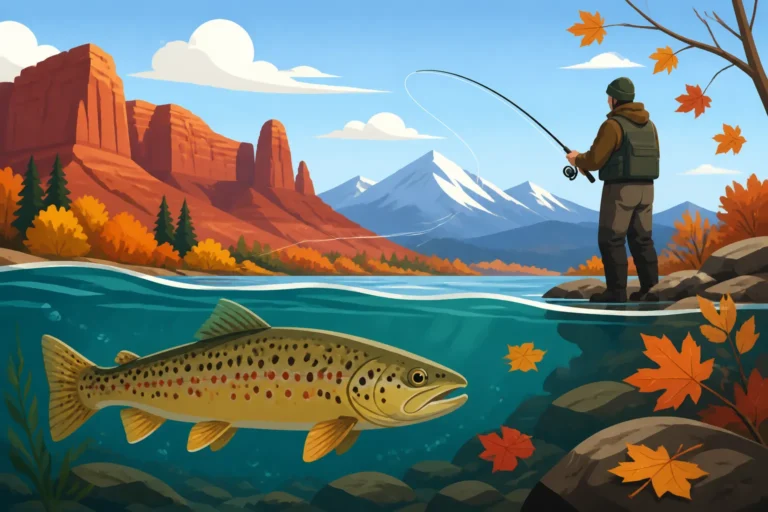
Trout, particularly native cutthroat and wild brown trout often found in Utah's pristine rivers and high mountain lakes, tend to be more delicate than warm-water species like bass. Their slime coat is easily damaged, and they are highly susceptible to stress. When handling trout, prioritize keeping them in the water. Use a net to contain them, remove the hook quickly while the fish is submerged, and then revive them gently. Avoid excessive squeezing or prolonged air exposure. Knowing How to Identify Utah Trout Species can help you recognize which fish are more sensitive.
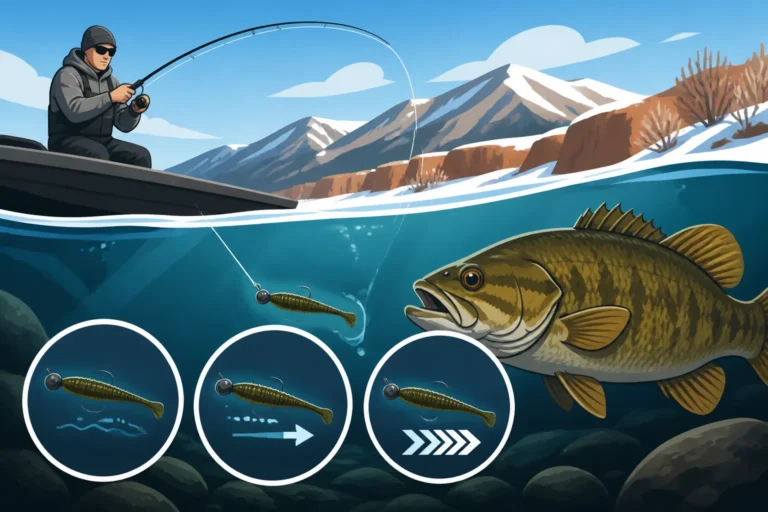
Bass, especially smallmouth and largemouth, are generally more resilient. They have a tougher mouth structure, making hook removal often simpler. However, even hardy bass can suffer from rough handling. When handling bass, the lip-grip method (holding the lower jaw) can be effective, but always support the body horizontally with your other hand, especially for larger fish, to prevent jaw or spinal damage.
Special Rules for Specific Catches
Always be aware of any unique regulations for specific species or water bodies. As mentioned before, some invasive species, like Northern Pike at Utah Lake, have mandatory harvest rules. Others, like the endangered June Sucker, have strict catch-and-release protocols, often requiring specialized, no-contact release methods if accidentally caught. These are not just guidelines; they are critical for the health of the ecosystem and the enforcement of conservation efforts. A quick check of the regulations before each trip will ensure you're always doing the right thing for every fish you encounter.
Disclaimer
This article is for general informational purposes only and does not constitute professional advice. Laws, prices and regulations vary by location and change over time. Consult a qualified professional for guidance on your specific situation.