Why Walleye Were Introduced to Utah Lake
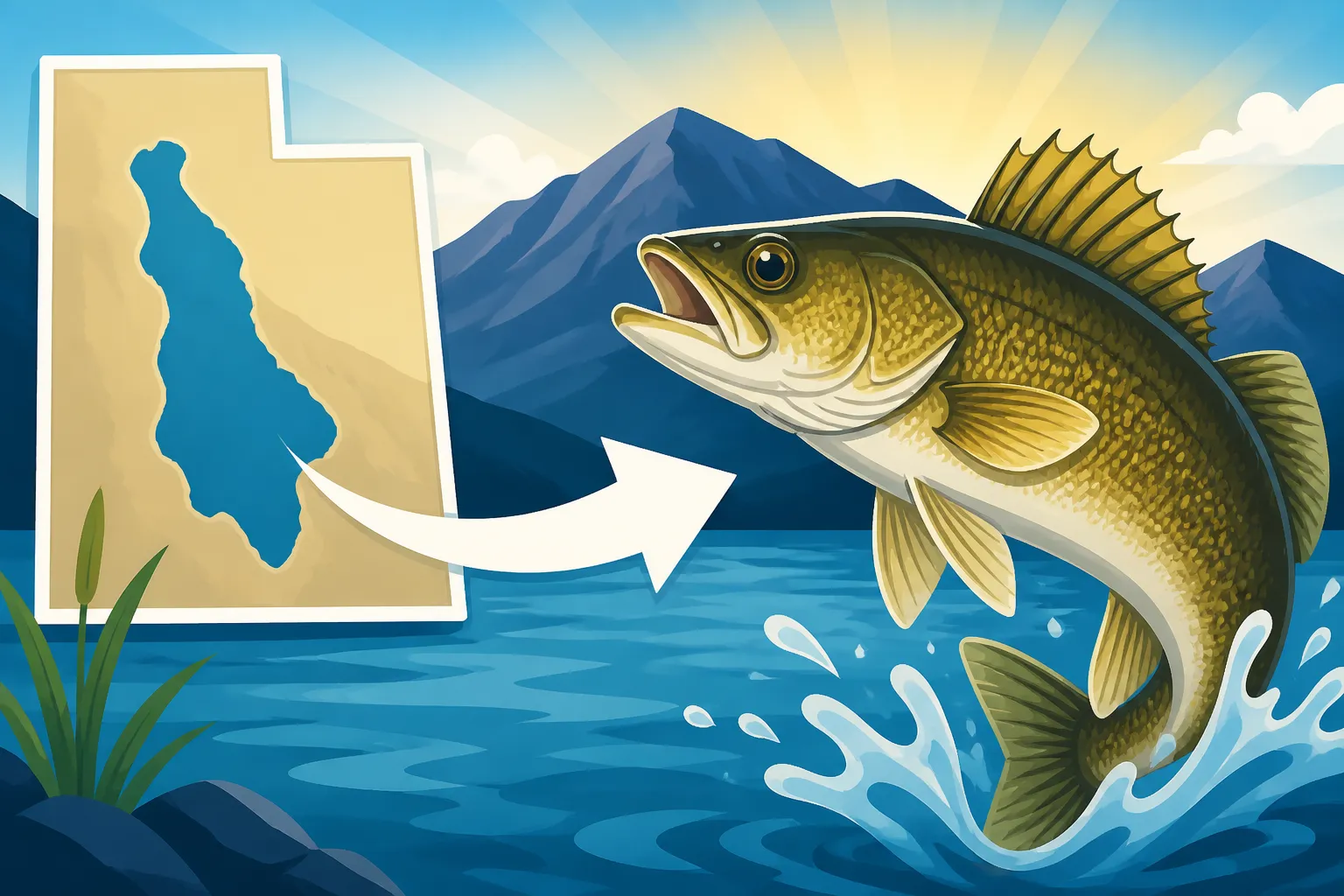
One question I hear all the time from anglers, especially those new to the state or Utah Lake itself, is, "Why are there walleye in Utah Lake?" It's a great question, and it really gets to the heart of how complex fisheries management can be. For many years, Utah Lake was often overlooked by sport anglers, but the introduction of walleye changed things significantly, adding a thrilling new dimension to our angling opportunities. This guide will dive deep into the fascinating history and ecological reasoning behind the decision to introduce walleye to Utah Lake, exploring the challenges and successes of this unique fishery.
The Walleye's Arrival: A Management Decision for Utah Lake
The story of how walleye ended up in Utah Lake isn't just a tale of stocking; it's a chapter in a much larger narrative about managing a vast, shallow, and often misunderstood body of water. For decades, Utah Lake faced significant ecological challenges, largely dominated by non-native, highly prolific species that impacted the overall health and recreational potential of the lake. The decision to introduce walleye was a strategic move by wildlife managers, aimed at addressing several key issues simultaneously.
It's easy to look back with hindsight and wonder about these decisions, but at the time, wildlife biologists were trying to solve some very pressing problems. The goal wasn't just to add another fish to the lake; it was about trying to restore some balance and create new recreational value. You have to remember, Utah Lake is our largest freshwater lake by surface area, and finding ways to make it a thriving ecosystem and a destination for anglers has always been a top priority for the state's wildlife agencies.
Addressing a Dominant Carp Population
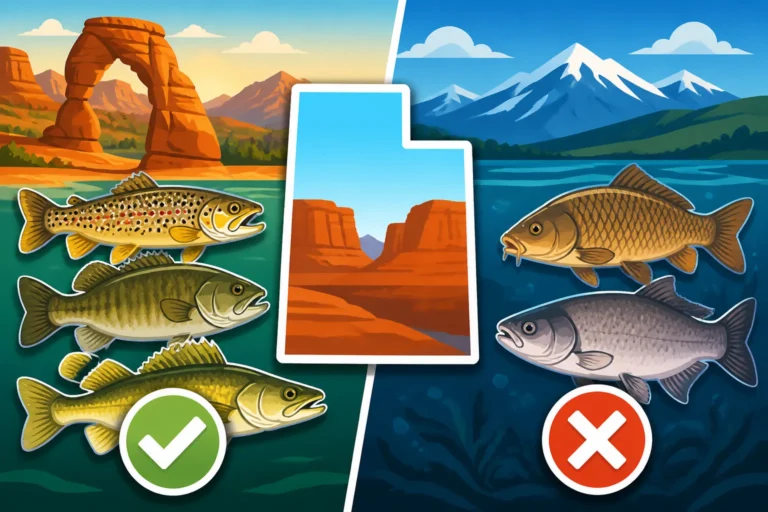
For a long time, the most prominent and impactful fish species in Utah Lake was the common carp. Carp are incredibly hardy, reproduce prolifically, and their feeding habits can be incredibly disruptive to a lake's ecosystem. They root around in the lakebed, stirring up sediment, which leads to turbid (muddy) water. This turbidity reduces light penetration, which in turn harms native vegetation, the very plants that provide crucial habitat for native fish, invertebrates, and waterfowl. Without these plants, the lake's overall health declines, and the food web suffers. It was a significant ecological problem that needed a solution.
Introducing a predatory fish like the walleye was seen as a potential biological control for the overwhelming carp population. The idea was that young walleye would prey on juvenile carp, helping to reduce their numbers and, by extension, mitigate their destructive impact on the lakebed. This wasn't a silver bullet, of course, but it was one piece of a broader strategy to improve water clarity and foster a healthier environment for all species, including the endangered June Sucker. It's a tricky balancing act when you're dealing with such a complex ecosystem, and trying to influence it with a new species is always a calculated risk.
Creating a Sport Fishery Opportunity
Beyond the ecological motivations, there was also a strong desire to diversify the angling opportunities available on Utah Lake. While the lake offered fishing for species like channel catfish and largemouth bass, it lacked a high-profile, desirable cool-water sport fish that could attract a broader range of anglers. Walleye are highly prized by many fishermen for their challenging fight and, perhaps even more so, for their excellent table fare. Introducing walleye could transform Utah Lake into a premier angling destination, bringing more recreational activity and economic benefit to the local communities.
This strategic introduction wasn't just about fun; it was about making the most of a vast natural resource. Imagine having such a large lake in your backyard, but it's not living up to its full potential as a fishing spot. Walleye offered that potential. By establishing a self-sustaining walleye population, the hope was to create a vibrant fishery that would draw people from all over, increasing engagement with the lake and fostering a greater appreciation for its unique environment. Of course, managing these new populations and ensuring a healthy future for them requires ongoing effort and angler cooperation. You can learn more about specific regulations in our guide to Utah Walleye Harvest Rules.
The Ecological Role of Walleye in Utah Lake
When you introduce a new species into an ecosystem, even with the best intentions, it's never a simple, isolated event. There's always a ripple effect, and the walleye in Utah Lake have certainly carved out a significant niche, both as a management tool and as a thriving component of the lake's food web. Understanding this role is key to appreciating the current state of fishing on Utah Lake and the ongoing efforts to manage it sustainably.
It's a delicate balance, managing a large lake where native, endangered species coexist with introduced sport fish. Every decision has consequences, and the DWR constantly monitors the lake to ensure that the walleye population remains healthy without unduly impacting other valuable species. This dynamic process involves careful study and adaptation, as conditions in the lake itself can change year to year.
Impact on Native and Other Fish Species
The primary ecological objective for introducing walleye was to help control the abundant carp. As predators, walleye definitely fulfill this role, especially preying on younger carp. This can lead to a healthier lake bottom, as fewer carp are stirring up sediment, which in turn can promote the growth of native vegetation. This cycle is crucial for the overall health of Utah Lake and its native inhabitants, like the June Sucker. By indirectly improving habitat conditions, walleye can be a beneficial force, even if they aren't native themselves.
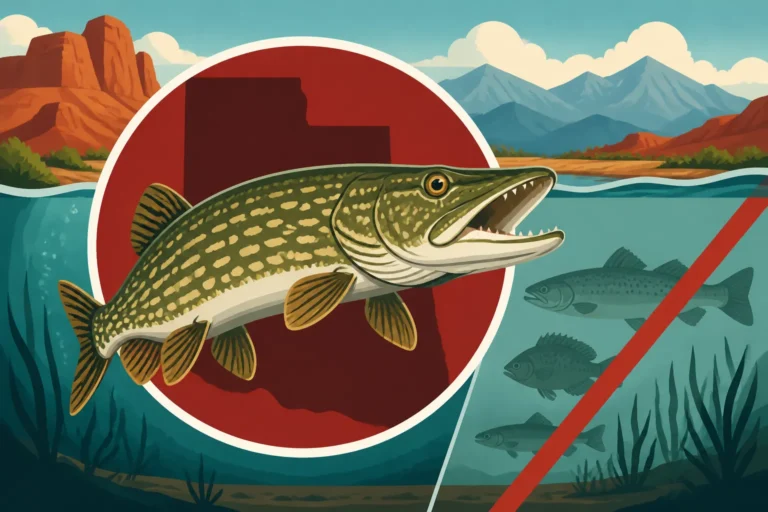
However, as with any introduced predator, there are always concerns about their impact on other fish, including native species or other desired sport fish like bass. While walleye primarily target smaller fish, there's always a potential for competition for food or predation on the young of other species. This is why the DWR constantly monitors the Utah Lake Walleye Population and its interaction with the broader ecosystem. It's a continuous balancing act, ensuring that the benefits of walleye outweigh any potential negative impacts, and that the lake's complex web of life remains as healthy as possible.
Managing an Apex Predator
Once established, walleye become a significant apex predator in the Utah Lake ecosystem. This means they are at the top of the food chain for fish, influencing the populations of many other species. Effectively managing such a population requires ongoing effort, from regular fish surveys to setting appropriate fishing regulations. Anglers play a critical role in this management by adhering to bag and possession limits, which help maintain a sustainable walleye population.
The DWR's strategy often involves encouraging harvest of walleye to keep their numbers in check, especially when they are abundant. This approach helps to prevent the population from becoming so large that it negatively impacts other species or depletes its own food supply. For anglers, this often translates to generous limits, making Utah Lake a fantastic destination if you're looking to fill a cooler with some delicious fish. It's a win-win: anglers get to enjoy a great fishing experience, and they contribute to the ecological balance of the lake. To stay current on all the specific rules, always check the official Utah Fishing Regulations Explained.
The Angler's Perspective: Walleye Fishing in Utah Lake
For anglers, the introduction of walleye to Utah Lake has been nothing short of a game-changer. It's transformed a body of water that some might have once dismissed into a legitimate trophy fishery, offering exciting challenges and rewarding catches. If you've never targeted walleye before, Utah Lake is an excellent place to start, offering ample opportunities to learn and practice. The thrill of hooking into a hard-fighting walleye is an experience every angler should have.
However, like any fishery, success often comes down to understanding the species, the environment, and the techniques that work best. There's a learning curve, but the rewards are definitely worth the effort. Plus, gearing up for walleye fishing can be a lot of fun, and many of the essential items can be found conveniently online.
Target Walleye Hotspots and Techniques
Walleye in Utah Lake tend to prefer areas with rocky structure, submerged humps, or even areas where there's slightly clearer water, though they are quite tolerant of the lake's typical turbidity. They are often found shallower during low light conditions (dawn, dusk, or even night) and will move to deeper areas during the bright parts of the day. Some of the most popular Utah Lake Walleye Fishing Spots include areas around the Provo Bay entrance, Lincoln Beach, and near the lake's various inlets where there might be some current or structure. Learning to read the lake and understand these patterns is key.
When it comes to techniques, jigging with a variety of lures is incredibly effective. Soft plastics on a jig head, blade baits, and spoons are all popular choices. Trolling crankbaits or spinner rigs is another go-to method, especially for covering larger areas to locate active fish. Don't be afraid to experiment with different colors and retrieve speeds until you find what the walleye are keying into on a given day. Many anglers find success using brightly colored jigs or those with reflective properties, especially in the lake's often murky waters. You can find a wide array of specialized walleye jigs and crankbaits on Amazon that are perfect for Utah Lake's conditions.
Navigating Regulations and Future Management
Fishing for walleye in Utah Lake means understanding and abiding by the specific regulations set forth by the Utah Division of Wildlife Resources. These regulations are not arbitrary; they are carefully crafted to manage the walleye population for both ecological balance and sustainable angling. Bag limits, possession limits, and any special slot limits are designed to help maintain a healthy population structure, ensuring there are enough breeding adults and sufficient food resources for the fish that remain. This allows future generations of anglers to enjoy the same great fishing opportunities.
The future of walleye in Utah Lake is one of ongoing management. As the lake's ecosystem continues to evolve, so too will the DWR's strategies. This might include adjustments to stocking efforts, changes to fishing regulations, or even projects aimed at further improving water quality and habitat. Anglers can stay informed by regularly checking the DWR's fishing proclamations and participating in public comment periods when they arise. Being an informed and responsible angler is one of the best ways to contribute to the long-term health of this unique and valuable fishery. If you're planning a spring trip, make sure to read up on How to Catch Walleye at Utah Lake in Spring to maximize your chances! And if you're thinking about a multi-species trip, our comprehensive Utah Lake Fishing Guide has you covered.
| Aspect of Walleye Introduction | Primary Objective | Key Considerations/Outcomes |
|---|---|---|
| Ecological Control | Reduce carp population and improve lake health. | Walleye do prey on juvenile carp, aiding in their control. |
| Improve water clarity by reducing carp activity. | Some improvement in water clarity noted in certain areas. | |
| Indirectly benefit native species like June Sucker. | Habitat improvement is generally beneficial, but direct interactions are monitored. | |
| Recreational Opportunity | Create a new, popular sport fishery. | Highly successful, attracting many anglers for trophy walleye. |
| Diversify fishing experiences in Utah Lake. | Added a cool-water predator option, complementing existing warm-water species. | |
| Boost local tourism and economy. | Increased angler visits and associated spending. | |
| Management Challenges | Balance introduced species with native ecosystem. | Ongoing monitoring and adaptive regulations are essential. |
| Ensure sustainable population without overpopulation. | Angler harvest plays a key role in population control. | |
| Public education on regulations and purpose. | Continuous effort to inform anglers about dynamic lake management. |
Disclaimer
This article is for general informational purposes only and does not constitute professional advice. Laws, prices and regulations vary by location and change over time. Consult a qualified professional for guidance on your specific situation.