How Quagga Mussels Got Into Lake Powell
It's incredibly frustrating, isn't it? You head out for a peaceful day of fishing on one of Utah's stunning reservoirs, especially a place as iconic as Lake Powell, only to have the looming shadow of aquatic invasive species, like quagga mussels, hanging over your head. These tiny creatures pose a massive threat to our beloved fisheries and waterways. This guide will walk you through the unfortunate journey of how quagga mussels made their way into Lake Powell, why they're such a big deal, and what we, as responsible anglers and boaters, can do to combat their spread.
The Silent Invaders: Understanding Quagga Mussels and Their Threat
Before we dive into their journey to Lake Powell, it's crucial to understand just what a quagga mussel is and why it's such a persistent, destructive force. These aren't just any ordinary shellfish; they are a biological bulldozer, capable of transforming entire aquatic ecosystems.
What Exactly Are Quagga Mussels?
Quagga mussels (and their close cousins, zebra mussels) are small freshwater bivalves, typically growing no larger than a human thumbnail. They get their name from their striped shells, which can range in color from light tan to dark brown, often with a zig-zag pattern, though some can be uniformly pale. Originally, these mussels hailed from the Dnieper River drainage of Ukraine and the Ponto-Caspian Sea region of Eastern Europe. They're incredibly hardy and adaptable, able to thrive in a wide range of water conditions, from clear lakes to murky rivers.
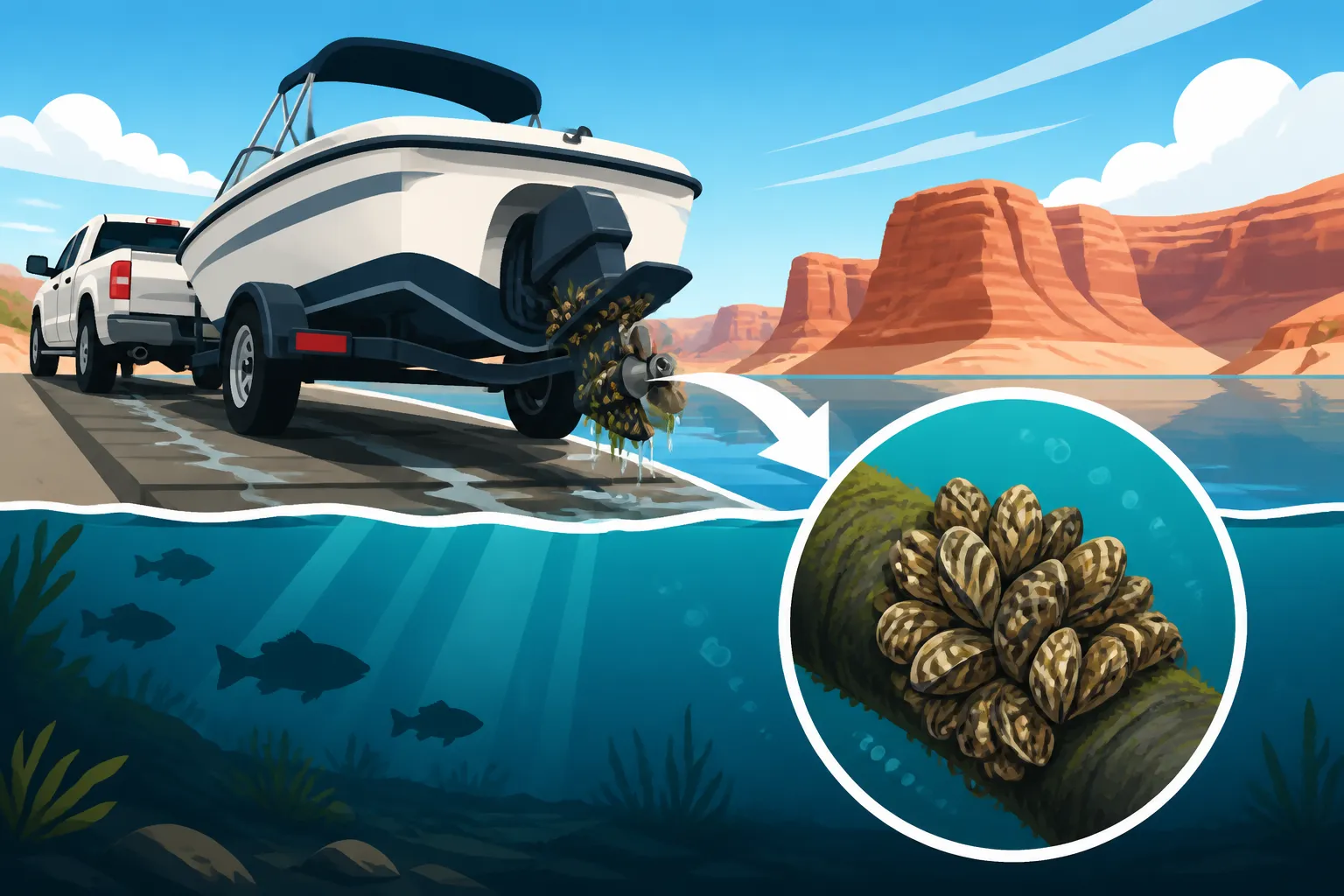
What makes them truly insidious is their reproductive rate. A single female quagga mussel can release up to a million eggs per year. These eggs develop into microscopic, free-swimming larvae called veligers, which can drift in the water column for weeks, making them invisible to the naked eye and easily transported. Once they find a suitable surface, they attach themselves using strong byssal threads, forming dense colonies. They'll attach to almost anything: rocks, docks, boat hulls, engines, fishing gear, and even other mussels. This rapid reproduction and ability to colonize every available surface are key to understanding their destructive potential.
Why They're a Catastrophe for Utah's Ecosystems and Infrastructure
The sheer scale of the problems quagga mussels cause is hard to overstate. When they infest a body of water, they radically alter the environment, impacting everything from water quality to the food chain, and costing millions in damage to human infrastructure.
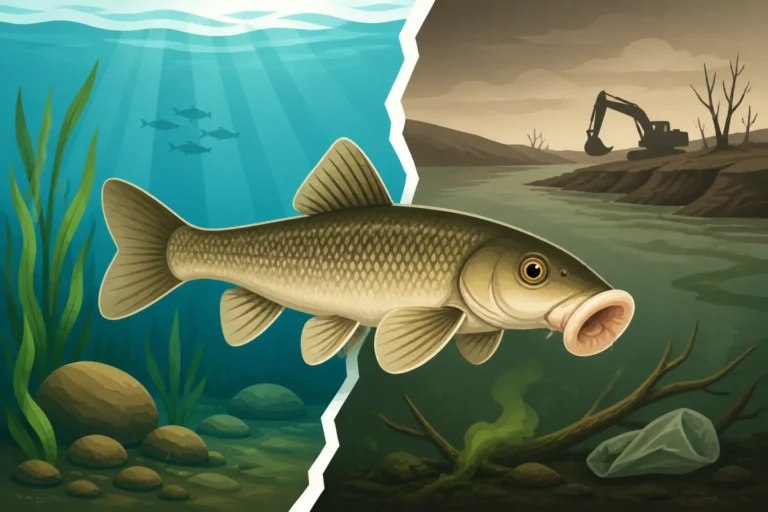
Ecologically, quagga mussels are filter feeders. They consume vast amounts of plankton, which are the base of the aquatic food web. While clear water might sound appealing, this extreme filtration strips the water of essential nutrients, starving native fish species and other aquatic organisms that rely on plankton for survival. Imagine a trout or kokanee salmon trying to find food when the very foundation of its diet has been decimated by these mussels. This can lead to declining fish populations, stunted growth, and an overall collapse of the native ecosystem. They also deposit waste, altering the chemical composition of the water and promoting the growth of toxic algae.
From an infrastructure perspective, they are an absolute nightmare. They attach to and clog water intake pipes for municipal water systems, irrigation systems, and power plants, leading to massive maintenance costs and potential disruptions. Boats, especially their cooling systems and lower units, are prime targets. Propellers can become fouled, and boat hulls can be covered in sharp, encrusted shells that make walking on beaches or swimming quite hazardous. If you've ever walked barefoot near an infested area, you know the pain of slicing your foot on a mussel shell. Preventing these mussels from getting a foothold is a monumental task, but dealing with an established population is an ongoing, expensive battle.
The Unintended Journey: Tracing Their Path to Lake Powell
The arrival of quagga mussels in Lake Powell wasn't a sudden, mysterious event. It was the unfortunate culmination of a widespread invasive species problem coupled with the specific characteristics of Lake Powell itself.
A Nationwide Problem: How Mussels Spread Across the US
Quagga mussels, like zebra mussels, were first detected in the Great Lakes region in the late 1980s, likely introduced via the ballast water of transatlantic ships. From there, they began their relentless march across North America. The primary mode of transportation for these invaders from one body of water to another isn't by air or land animals, but overwhelmingly by us – human recreational users.
Specifically, trailered boats are the most common vector. A boater launching their vessel in an infested lake can pick up microscopic veligers in their live wells, bilge water, or engine cooling systems. Adult mussels can also attach to the hull, anchor lines, or fishing gear. If that boat is then trailered to a new, uninfested lake and launched without proper cleaning, draining, and drying, the mussels or veligers are simply transferred. This process, often unintentional, is how these mussels have "lake-hopped" across states, eventually reaching the Western United States. Major waterways and popular destinations that attract boaters from diverse regions become high-risk zones for introduction.
Lake Powell's Unique Vulnerability
Lake Powell, a jewel in the desert and a huge recreational magnet straddling the Utah-Arizona border, was particularly vulnerable to quagga mussel invasion for several reasons. First and foremost is its immense popularity. It attracts hundreds of thousands of visitors annually, many of whom bring their boats from all over the country. This includes boats coming from states with known quagga or zebra mussel infestations. The sheer volume of transient boat traffic significantly increases the statistical probability of a contaminated vessel entering the lake.
Secondly, the vastness and complexity of Lake Powell's shoreline, with countless coves and miles of intricate coastline, make detection and containment incredibly challenging. A small, localized infestation could go unnoticed for a long time, allowing the mussels to reproduce and spread before any preventative measures could be effectively implemented. The warm, nutrient-rich waters also provide an ideal habitat for quagga mussels to thrive and reproduce rapidly once established. This combination of high human traffic, diverse origins of boats, and favorable environmental conditions created a perfect storm for the eventual arrival of these unwelcome invaders. It's a stark reminder that our beloved recreational pursuits carry responsibilities, and sometimes, the smallest oversight can have the largest consequences.
The Moment of Confirmation and Utah's Ongoing Defense
The confirmation of quagga mussels in Lake Powell was a blow to environmental agencies and anglers alike, but it also spurred a robust, ongoing defense effort.
The Discovery: When and How Quagga Mussels Were Confirmed
The presence of quagga mussels in Lake Powell was first confirmed in December of 2012 by the Arizona Game and Fish Department and later by the Utah Division of Wildlife Resources (DWR). Prior to this, extensive monitoring efforts were in place, with state agencies diligently sampling waters and inspecting boats. The discovery was often made through environmental DNA (eDNA) sampling, which can detect the genetic material of the mussels even before adult populations are visible, or through the detection of veligers in water samples.
When adult mussels finally became visible and attached to infrastructure and rocky substrates, it confirmed what many had feared. This wasn't a case of a single isolated mussel; it indicated that a breeding population had taken hold. The news sent ripples through the angling community and among state and federal resource managers, as Lake Powell is not just a recreational hub, but a vital water source for millions in the Southwest. The confirmation initiated a new phase of intense management and public outreach, recognizing that eradication was likely impossible, and containment and mitigation would be the long-term strategy. You can always check the DWR website for the most up-to-date information on Utah Aquatic Invasive Species Rules for Anglers.
Utah's Proactive Response: Inspection and Decontamination Programs
In response to the threat, and especially after the Lake Powell confirmation, Utah significantly ramped up its Aquatic Invasive Species (AIS) program. The cornerstone of this defense is mandatory boat inspections and decontamination efforts.
Every boater leaving Lake Powell, and increasingly, those entering other high-risk waters in Utah, is required to undergo an inspection by trained personnel. These Utah Aquatic Invasive Species Inspection Stations are strategically located near boat ramps and along major roadways. The goal is to catch any mussels or veligers before they can be transported to another clean body of water. During an inspection, DWR staff check for standing water in the bilge, live wells, and engine compartments, and look for any attached mussels on the hull, anchor, or other equipment.
If a boat is found to be contaminated, or if it has been in an infested water body within a certain timeframe and hasn't been properly dried, it will be required to undergo decontamination. This typically involves a hot water wash at high pressure, specifically targeting all areas where mussels or veligers could hide. The goal is to kill and remove any living mussels or veligers. These decontamination services are crucial, and it's essential for boaters to comply. For more detailed information on this process, check out the Utah Quagga Mussel Decontamination Rules. Many boaters also find it helpful to have their own robust cleaning supplies, and you can find a wide array of specialized scrubbing brushes, pressure washers, and boat cleaning agents on Amazon that can make the "clean" part of the process much more efficient.
Your Essential Role: Protecting Utah's Waters from AIS
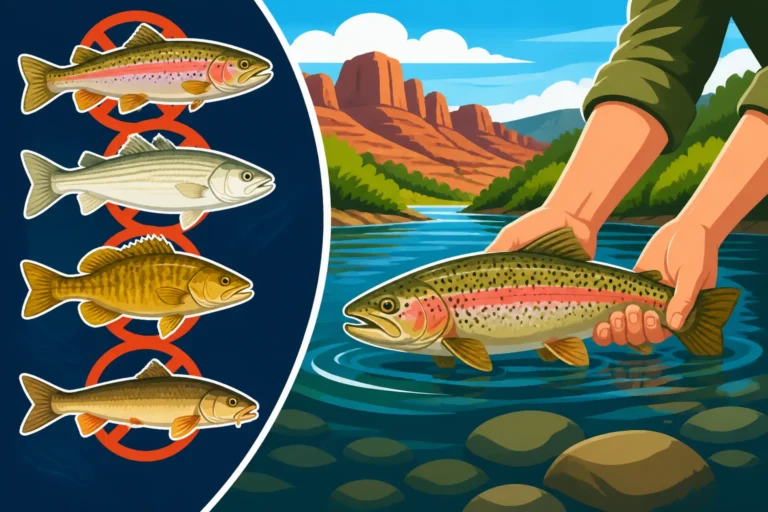
It's easy to feel helpless when facing such a widespread problem, but every single angler and boater plays a critical role in preventing the further spread of quagga mussels and other AIS. Your actions truly make a difference.
Beyond the Basics: Detailed Steps for "Clean, Drain, Dry"
The mantra "Clean, Drain, Dry" isn't just a catchy phrase; it's a series of essential steps that must be taken seriously every single time you move your boat or fishing gear from one body of water to another.
- Clean: This means removing all mud, plants, and foreign objects from your boat, trailer, and fishing gear (waders, boots, anchor, ropes, etc.). Take a moment to visually inspect every crevice. If you have a boat, pay close attention to the hull, propeller, motor, and anchor. Use a stiff brush or a power washer to get off any debris. Consider having a dedicated set of cleaning tools for this, which you can easily source from places like Amazon.
- Drain: This is arguably the most critical step for quagga mussels because of those invisible veligers. You must completely drain all water from your boat's bilge, live wells, ballast tanks, and engine cooling system. This includes removing drain plugs and leaving them out during transport. If you use a kayak or paddleboard, make sure to tip it over and thoroughly drain any internal compartments. Remember that even a small amount of standing water can harbor veligers. This is particularly important for boats leaving Lake Powell, where the risk of microscopic veligers is very high. How to Dry a Boat Properly to Meet Utah's AIS Rules goes into even more detail about this.
- Dry: After cleaning and draining, allow your boat and all gear to dry completely before launching into another water body. The recommended drying times can vary significantly depending on weather conditions (temperature, humidity), but generally, longer is better. In Utah's often arid climate, this might happen faster than in more humid regions, but don't assume. Some states recommend five to seven days of drying time in hot, dry conditions, and even longer in cooler or humid weather. For those hard-to-dry areas or if you're on a tight schedule, consider using towels (many specialized boat drying towels can be found on Amazon) or even a leaf blower to speed up the process. The idea is to ensure any remaining veligers or adult mussels desiccate and die.
| Step | Action | Key Focus for Mussels | Why it Matters |
|---|---|---|---|
| Clean | Remove visible mud, plants, debris from boat, trailer, gear. | Check hull, propeller, motor, anchor, fishing lines, waders. Brush off any attachments. | Removes adult mussels and vegetation where veligers might cling. |
| Drain | Pull all drain plugs; drain live wells, bilge, engine, ballast. | Leave drain plugs out during transport. Tilt boat/kayak to ensure full drainage. | Eliminates water that can contain microscopic, invisible quagga mussel veligers. |
| Dry | Allow all surfaces to air dry completely for an extended period. | Check hard-to-reach compartments. Use towels/air to speed drying if necessary. | Kills any remaining veligers or adult mussels by desiccation. |
Reporting and Resources for Vigilant Anglers
Beyond "Clean, Drain, Dry," vigilance is key. If you ever suspect you've found quagga or zebra mussels on your boat, gear, or in a new body of water, it's absolutely crucial to report it immediately. Do not attempt to remove them or take them home. Instead, note the location, take photos if possible, and contact the Utah Division of Wildlife Resources (DWR) or the nearest AIS inspection station right away. Quick reporting can sometimes mean the difference between containing a small infestation and a full-blown crisis.
Stay informed by regularly checking the DWR's official website for updates on Utah Aquatic Invasive Species Rules for Anglers, new inspection station locations, and specific drying requirements, especially for high-risk areas like Lake Powell. Remember that even small watercraft like Do Kayaks and Paddleboards Need AIS Inspections in Utah? need to follow these rules. By being proactive, compliant, and continuously educating ourselves, we can collectively work to protect Utah's incredible fishing opportunities for generations to come.
Disclaimer
This article is for general informational purposes only and does not constitute professional advice. Laws, prices and regulations vary by location and change over time. Consult a qualified professional for guidance on your specific situation.