Utah Lake Walleye Fishing Spots
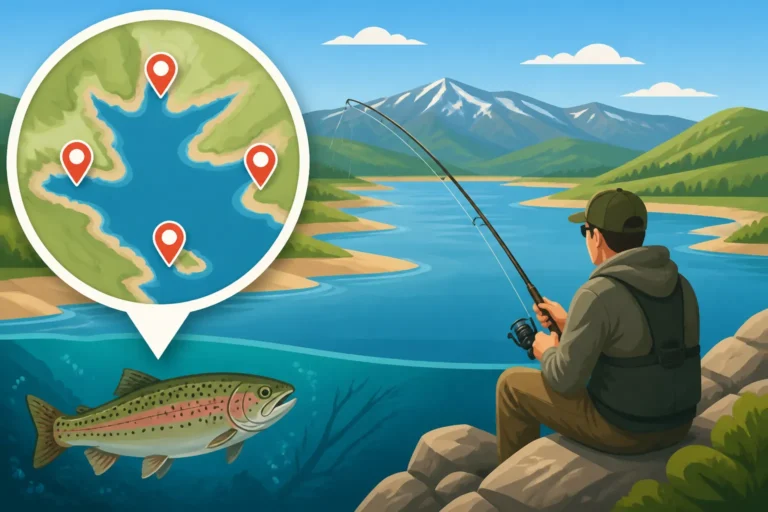
Trying to consistently locate walleye on a vast, often shallow, and sometimes turbid body of water like Utah Lake can feel like searching for a needle in a haystack. Many anglers get frustrated, spending hours bouncing around with little to show for it. This comprehensive guide is designed to cut through that frustration, providing you with detailed insights into the prime walleye fishing spots on Utah Lake, their seasonal nuances, and the specific strategies that will help you put more of these elusive predators in your boat.
Understanding Walleye Behavior in Utah Lake
Walleye in Utah Lake are a fascinating challenge, thriving in an environment that often surprises anglers more accustomed to deeper, clearer waters. To consistently find them, you first need a solid grasp of their behavior, which is heavily influenced by the lake's unique characteristics. It’s not just about tossing a line in; it’s about understanding their motivations, their hiding places, and their feeding schedule.
Seasonal Movements and Depths
Just like us, walleye change their routines with the seasons, often moving significantly throughout Utah Lake's expansive, relatively shallow basin. In spring, when water temperatures begin to climb into the 40s and 50s Fahrenheit, walleye are drawn to shallower areas for their spawning rituals. They'll concentrate in tributary mouths, rocky shorelines, and even some of the more firm-bottomed flats at depths often less than 10 feet. This can be a fantastic time for shore anglers or those with smaller boats to target them, especially during the early morning or late evening hours.
As summer progresses and the lake warms, these fish tend to move to slightly deeper water, though "deep" on Utah Lake often means only 10 to 18 feet. They'll seek out cooler water pockets, often associated with oxygen-rich areas, and relate heavily to the existing structure. Fall brings another transition, with walleye becoming more active as water temperatures drop into their preferred feeding range. They'll often feed aggressively, schooling up in anticipation of winter, and can be found in similar depths to summer, sometimes shallower if baitfish are pushed inshore. Winter, especially through the ice, finds them in predictable patterns, often suspended over deeper basins or congregating near subtle changes in depth where they can ambush prey. Understanding these shifts is paramount to success; you can't fish the same spot with the same technique year-round and expect consistent results.
Preferred Habitat and Structure
Utah Lake, while large, doesn't boast the dramatic underwater canyons or intricate rock reefs you might find in some other reservoirs. Instead, walleye here rely on more subtle structural elements and habitat types. They love areas with a harder bottom, even if it's just a patch of gravel or rock mixed into the predominantly silty lakebed. These harder bottoms often attract baitfish, and walleye will use them as ambush points. Submerged vegetation, particularly coontail or milfoil beds, also provides excellent cover and foraging grounds for both baitfish and the walleye that prey on them. Finding these green carpets can be a game-changer.
Furthermore, any kind of irregularity on the bottom is a magnet for walleye. This includes old dredge cuts, subtle drop-offs from ancient river channels, or even isolated rock piles. These features provide current breaks, ambush points, and thermal refuge. Walleye are also known to relate to man-made structures such as bridge pilings, submerged roadbeds, or the outlines of old foundations, particularly where these structures offer a transition from a soft to a harder bottom. It's about thinking like a walleye: where would you hide to ambush dinner in a largely flat, open environment? That's usually where they are.
Forage Base and Feeding Patterns
The walleye in Utah Lake have a diverse buffet to choose from, and their feeding patterns are directly tied to what's available. Their primary diet consists of various baitfish, with common carp fry and young-of-the-year white bass being particularly important. Cisco, though more commonly associated with Bear Lake, are also present in some parts of Utah Lake. Walleye are opportunistic predators, and they'll readily consume whatever is most abundant and easiest to catch. This means that if you can locate the baitfish, you're usually not far from the walleye.
Their feeding patterns are often most intense during low-light conditions, which is why night fishing for walleye on Utah Lake can be incredibly productive. They have excellent low-light vision, giving them a distinct advantage over their prey at dawn, dusk, and throughout the night. During the day, they tend to be more lethargic or hold tighter to cover, making them harder to entice. However, on cloudy days or when strong winds create a chop on the water, they might feed more actively during daylight hours, as the diminished light penetration provides similar ambush opportunities. Understanding the rhythm of their hunger, driven by the presence of their prey and light conditions, will significantly improve your chances.
Prime Walleye Locations on the Northern End of Utah Lake
The northern end of Utah Lake is often the most heavily fished due to its proximity to the Wasatch Front's population centers. However, don't let the traffic deter you; it holds some of the lake's most consistent walleye hotspots, especially during key seasons. These areas are characterized by unique underwater features and historical influences that make them magnets for walleye.
Provo Bay and Inlet Areas
Provo Bay is a legendary walleye spot on Utah Lake, particularly during the spring spawn. The bay itself is relatively shallow, but it's fed by the Provo River, which acts as a crucial spawning highway for walleye. As soon as the ice melts and the river temperatures climb, walleye migrate into the lower sections of the river and the bay to lay their eggs. This congregation makes them particularly vulnerable, though regulations around spawning season must be carefully observed. During this time, the edges of the main river channel within the bay, and any hard-bottomed areas, become prime territory.
Beyond the spring, Provo Bay remains relevant. The constant influx of freshwater from the Provo River creates subtle currents and temperature breaks that attract baitfish, and consequently, walleye. Look for the transition zones where the river flow meets the stiller bay water, or where deeper channels run through the shallower flats. The Provo Boat Harbor fishing access area can be a great starting point for launching your boat and exploring the bay. It's also a popular area for shore anglers in the early spring. Many anglers find success here by slowly trolling jigs or crankbaits that imitate the small baitfish flushing out of the river.
Lincoln Beach Flats and Drop-offs
Just south of Provo Bay, the vast expanse of the Lincoln Beach flats offers another excellent opportunity for walleye. This area is characterized by relatively shallow water, but it's dotted with subtle depressions, old river channels, and patches of harder bottom that are perfect walleye habitat. The "drop-offs" here aren't cliffs; they're often just a change of a few feet in depth, which can be significant in a lake as shallow as Utah Lake. These subtle depth changes provide ambush points for walleye patrolling the flats for schools of baitfish.
During the summer months, when walleye may spread out more, these flats become excellent grounds for trolling. Covering a lot of water with spinner rigs or crankbaits across different depths is often the key. Pay close attention to your fish finder for any indications of submerged structure or baitfish schools. The western edge of the Lincoln Beach area, where the water gradually deepens towards the center of the lake, can also be a productive zone. Wind-blown points along these flats are also worth investigating, as wave action can dislodge bait and attract hungry walleye.
Saratoga Springs Marina and Surrounds
Moving further north along the eastern shore, the Saratoga Springs area, including its marina and surrounding waters, has become a consistent walleye producer. The marina itself often creates deeper water and rip-rap structures that can hold fish. More importantly, the outflow from the Saratoga Springs hot pots and other groundwater sources can create localized temperature differences, attracting both bait and predators, especially in cooler months. This area is also characterized by expansive shallow flats, but with scattered rock piles and emergent vegetation that offer critical cover.
Anglers fishing near Saratoga Springs should focus on the areas immediately outside the marina entrance, along the drop-offs and channels leading into deeper water. In the spring, the shallow flats can be productive, while in summer and fall, walleye might move to slightly deeper humps and channels further offshore. The presence of dense submerged vegetation in some areas here provides excellent cover for walleye. If you're looking for a fishing charter, many local guides who offer services through platforms like FishingBooker operate out of these northern access points and have a deep understanding of these localized hotspots. Their expertise can be invaluable for pinpointing active fish.
Southern Utah Lake Hotspots for Walleye
While the northern end of Utah Lake gets a lot of attention, don't overlook the southern reaches. These areas offer different challenges and rewards, often with less fishing pressure and equally good walleye prospects. The southern end is particularly influenced by the presence of multiple smaller river inlets and some unique underwater topography.
Goshen Bay's Mud Flats and Channels
Goshen Bay, located on the far southern end of Utah Lake, presents a different kind of walleye fishing experience. It's a vast, shallow expanse dominated by mud flats. While this might sound unappealing, these mud flats are incredibly rich in aquatic insect life and other invertebrates, which in turn support large populations of baitfish, including carp fry and various panfish. Walleye patrol these flats, using the subtle changes in depth and bottom composition to their advantage.
The real key to Goshen Bay is finding the deeper channels and subtle contours that traverse these flats. These are often remnants of ancient riverbeds or dredge cuts. These channels provide slightly deeper water, often with a harder bottom, and act as highways and ambush points for walleye. Slow trolling jigs, worm harnesses, or shallow-diving crankbaits along these channels, especially during low-light periods, can be incredibly effective. Pay close attention to your electronics to identify any depressions or isolated patches of harder ground within the bay. This area also sees less boat traffic, offering a more peaceful angling experience.
Spanish Fork River Inlet Influence
Similar to the Provo River on the north end, the Spanish Fork River inlet profoundly impacts walleye activity on the southern end. This river also serves as a critical spawning ground for walleye in the spring, drawing in large numbers of fish from the main lake. The confluence of the river with the lake creates ideal conditions for spawning, with fluctuating water temperatures and nutrient-rich inflow. This makes the area immediately surrounding the inlet a prime location for anglers targeting spawning walleye.
After the spawn, the river's influence continues to attract walleye and their prey. The cooler, clearer water from the Spanish Fork River often draws baitfish, and walleye will linger in the vicinity, particularly where the river's current dissipates into the lake. Look for subtle current breaks, deeper holes, or submerged structure where walleye can sit out of the main flow and ambush passing meals. Trolling parallel to the river channel as it extends into the lake, or casting jigs and crankbaits into the current breaks, can be highly productive here. Knowing when and where to fish during these seasonal migrations is crucial, as detailed in guides like How to Catch Walleye at Utah Lake in Spring.
Knolls and Rock Piles Near Pelican Point
Pelican Point, a prominent peninsula on the western side of Utah Lake, is a well-known landmark and offers some fantastic walleye fishing, particularly in its surrounding waters. While much of Utah Lake is flat, the area around Pelican Point features some of the more distinct underwater structure, including natural knolls and scattered rock piles. These features are rare in the lake and provide excellent cover, feeding grounds, and navigational cues for walleye.
Anglers should use their fish finders extensively when exploring around Pelican Point. Look for sudden depth changes, areas where the bottom composition shifts from soft mud to hard rock, or isolated humps. These knolls and rock piles attract baitfish, which in turn draw in hungry walleye. Trolling deep-diving crankbaits or bouncing jigs along these structures can be very effective. It's also a good area for vertical jigging, especially during summer when walleye might be concentrated on specific pieces of structure. The points and bays immediately adjacent to Pelican Point also offer good opportunities, particularly during windy conditions when waves can push baitfish into these sheltered areas.
Key Structural Elements and Their Walleye Potential
Successfully targeting walleye on Utah Lake isn't just about naming a location; it's about understanding the specific types of underwater structure that consistently hold fish. Since the lake is relatively flat, recognizing these subtle yet crucial features is what separates successful anglers from those who come up empty-handed.
Channels, Dredge Cuts, and Transitions
Utah Lake is crisscrossed by a network of old river channels and man-made dredge cuts, often relics from past agricultural or navigational efforts. These features, even if they only represent a few feet of depth difference from the surrounding flats, are absolute magnets for walleye. They act as underwater highways, allowing fish to move efficiently across the lake, and provide crucial depth and current breaks. Walleye will often sit on the edges of these channels, facing into the subtle current, waiting for baitfish to drift by. The transitions where these channels rise back up to shallower flats are particularly productive, offering perfect ambush points.
Using a good GPS unit and detailed contour maps (if available, or creating your own waypoints as you fish) is essential for locating these hidden highways. Slow trolling along the length of these channels or casting jigs and crankbaits to their edges can be highly effective. The depth of these features can vary, from just a few feet deeper than the surrounding water to significant 15-20 foot depressions in some areas. Anglers using services like FishingBooker often benefit from guides who have meticulously mapped these subtle but crucial underwater roadways, sharing years of accumulated knowledge on where the fish are likely to be holding.
Submerged Vegetation and Hard Bottom Patches
While much of Utah Lake's bottom is soft silt or mud, there are extensive areas, particularly in the northern and western sections, that feature submerged aquatic vegetation. Coontail, milfoil, and various pondweeds form thick, green carpets that provide invaluable habitat. These weed beds are teeming with insect life and small fish, making them prime foraging grounds for walleye. Walleye will often cruise the edges of these beds or hold in pockets within the vegetation, using the cover to ambush prey. Finding these healthy weed beds is like discovering an oasis in the desert for walleye.
Equally important are the scattered patches of hard bottom—gravel, rock, or even compacted sand—that break up the predominant soft substrate. These hard bottom areas are critical for walleye spawning and attract baitfish seeking firm ground. They often occur in conjunction with subtle humps, points, or the edges of channels. A quality fish finder can help you distinguish between soft and hard bottoms, often indicated by the thickness and intensity of the bottom return on your sonar. Once you find a consistent hard bottom area, mark it, because walleye are likely to revisit it throughout the season.
Artificial Structures and Public Access Points
Beyond natural and historical features, artificial structures introduced into Utah Lake also create excellent walleye habitat. This can include rip-rap along causeways, bridge pilings (like those near the causeway that crosses the lake), submerged debris fields from old homesteads, or even the remnants of docks and piers. These man-made elements provide vertical relief, shelter, and a hard substrate that attracts both baitfish and walleye. Public access points, while often busy, also create structure. Boat ramps, jetties, and breakwaters often have rip-rap or other hard features that extend into the water, providing excellent shore fishing opportunities, especially during low-light hours.
While fishing directly in a busy boat channel might not be ideal, the waters immediately adjacent to boat ramps and marinas, particularly where there are rock walls or dredged areas, can hold significant numbers of walleye. These spots often see less direct fishing pressure than the main lake but can be surprisingly productive. Additionally, lights from marinas or docks can attract baitfish at night, making them prime targets for casting or jigging. Always check local regulations, like the Utah Walleye Daily Limit, and be mindful of other boaters and anglers when fishing near high-traffic areas.
Best Times and Techniques for Utah Lake Walleye
Knowing where the walleye should be is only half the battle; knowing when to fish and how to present your bait or lure is just as crucial. Utah Lake walleye respond to specific techniques and thrive under certain conditions, making timing and strategy vital components of your success.
Low-Light Conditions and Night Fishing
Walleye are notoriously light-sensitive, and their highly developed eyes give them a significant advantage over prey in dim light. This makes low-light conditions—dawn, dusk, and especially night—the absolute best times to target them on Utah Lake. As the sun dips below the horizon, walleye move out from their daytime cover, actively patrolling the flats and channels in search of food. This is when they are most aggressive and least wary.
Night fishing on Utah Lake for walleye can be incredibly productive. Anglers often employ trolling techniques with crankbaits or spinner rigs that emit vibrations and flash, making them easy for walleye to detect in the dark. Alternatively, casting glow-in-the-dark jigs or suspending stickbaits under lights can also work wonders. Remember to be extra cautious when boating at night, ensure all your Utah Boat Registration Requirements are met, and have appropriate lighting. The peace and quiet of a Utah Lake night, broken only by the splash of a hooked walleye, is an experience not to be missed. For specific lure recommendations, refer to resources like What Lures Work Best for Utah Lake Walleye After Dark?
Trolling Versus Jigging Strategies
When it comes to active walleye fishing on Utah Lake, trolling and jigging are the two primary techniques, each with its own strengths and ideal scenarios. Trolling is excellent for covering large expanses of water, especially the vast flats and channels, allowing you to systematically search for scattered schools of fish. It's particularly effective when walleye are spread out or suspended. Using planer boards can help spread your lines out even further, covering a wider swath and avoiding spooking fish directly under the boat. Trolling with crankbaits (like Rapalas, Berkley Flicker Shads, or Wally Divers) that dive to different depths, or with worm harnesses tipped with nightcrawlers, are common and very effective strategies. Pay attention to your trolling speed; walleye often prefer a slow, methodical retrieve, generally between 1.0 and 2.5 mph.
Jigging, on the other hand, is ideal for targeting specific pieces of structure, such as knolls, rock piles, or channel edges, where walleye are known to congregate. It allows for a more vertical presentation, keeping your bait in the strike zone longer. Blade baits, spoons, and various soft plastic jigs (tipped with a minnow or worm) are popular choices for jigging. Vertical jigging from a boat over marked fish or structure is deadly, especially during cooler months when fish are less active and more reluctant to chase. Ice fishing is essentially a specialized form of vertical jigging, and it's highly effective for Utah Lake walleye in winter. Learning how to read your fish finder, as detailed in How to Read a Fish Finder for Utah Reservoirs, is crucial for both trolling and jigging, helping you identify structure and mark fish.
Seasonal Best Practices
Optimizing your walleye fishing on Utah Lake means adapting your techniques to the season. In early spring, during and immediately after the spawn, focus on shallow, hard-bottomed areas near river inlets and protected bays. Slow presentations, like slip bobbers with minnows or slowly retrieved jigs, can be very effective. As water temperatures rise into late spring and early summer, walleye become more active, and trolling with crankbaits or spinner rigs across the flats and channel edges becomes a prime strategy. This is also a good time for early morning or late evening shallow water attacks.
Summer brings warmer water, and walleye will often retreat to deeper parts of the channels, around humps, or into dense weed beds during the day. Night fishing is exceptionally productive. Trolling deeper diving crankbaits or vertical jigging over marked structure are your best bets. Come fall, as the lake begins to cool, walleye experience a feeding frenzy in preparation for winter. They can be found actively feeding in a variety of depths, and both trolling and casting techniques can yield excellent results. This is often regarded as one of the best times of year to fish in Utah for larger walleye. Finally, through the ice in winter, focus on suspended fish in deeper basins or jigging subtle depth changes. Each season offers unique opportunities, and by understanding these patterns, you can increase your chances of success significantly.
Here's a quick reference for some of Utah Lake's prime walleye spots:
| Location Area | Primary Features | Best Season(s) | Recommended Technique(s) |
|---|---|---|---|
| Provo Bay | River inlet, shallow flats, hard bottom patches | Spring, Fall | Slow troll jigs, crankbaits, slip bobbers (spring) |
| Lincoln Beach Flats | Expansive flats, subtle drop-offs, channels | Summer, Fall | Trolling crankbaits, worm harnesses |
| Saratoga Springs | Marina structures, hot pot outflows, weed beds | Spring, Summer, Fall | Trolling, jigging, casting stickbaits (night) |
| Goshen Bay | Mud flats, deeper channels, subtle contours | Spring, Summer, Fall | Slow trolling jigs, worm harnesses |
| Spanish Fork Inlet | River confluence, spawning grounds | Spring, Fall | Jigs, crankbaits, minnow rigs |
| Pelican Point | Natural knolls, rock piles, deeper structure | Summer, Fall | Vertical jigging, deep trolling |
Regulatory Considerations for Utah Lake Anglers
Fishing on Utah Lake, particularly for a prized species like walleye, comes with important responsibilities regarding regulations. The Utah Division of Wildlife Resources (UDWR) sets specific rules to manage fish populations and ensure sustainable angling for future generations. Ignorance of these rules is not an excuse, and penalties can be steep.
Understanding Utah's Fishing Regulations
Before you even think about casting a line, you need to be familiar with the comprehensive Utah Fishing Regulations Explained. These regulations cover everything from license requirements to specific daily bag and possession limits, and even tackle restrictions for certain waters. For Utah Lake, these regulations are particularly important because walleye are a highly managed species, and their population dynamics are carefully monitored. Always check the most current Proclamation for the latest updates, as rules can change annually.
It's also crucial to understand the difference between daily bag limits and possession limits. For example, if the Utah Walleye Daily Limit is 6, that's how many you can catch and keep in a single day. The possession limit, which is often higher, refers to the total number of fish you can have in your possession at any given time, including those at your home. Always measure your fish carefully and release any that don't meet minimum length requirements, if any are in effect for walleye on Utah Lake. Misidentifying a fish or accidentally exceeding your limit can lead to fines and loss of fishing privileges.
Aquatic Invasive Species (AIS) Rules
Utah Lake, like many waters in the state, is constantly threatened by aquatic invasive species (AIS), most notably quagga mussels. These tiny invaders can decimate ecosystems and clog waterways, and preventing their spread is a top priority for the UDWR. As an angler, you have a critical role to play in this effort. All boats, including kayaks and paddleboards, must follow strict "Clean, Drain, Dry" protocols after leaving any Utah waterbody. This means:
- CLEAN all mud, plants, and debris from your boat, trailer, and gear.
- DRAIN all water from the boat, including the bilge, live wells, and engine.
- DRY your boat and gear completely before launching into another waterbody.
For boats coming from waters with known AIS infestations, like Lake Powell, mandatory inspections at Utah Aquatic Invasive Species Inspection Stations and potential decontamination are required. While Utah Lake itself is not currently listed as infested with quagga mussels, diligent adherence to these rules for all waters you visit is essential to protect it. Failing to comply with AIS regulations can result in significant fines and legal action. Taking a moment to properly clean your gear isn't just a rule; it's an investment in the future of Utah fishing.
Licenses and Boating Requirements
Of course, no fishing trip in Utah is complete without a valid fishing license. Whether you're a resident or a nonresident, adult anglers are required to purchase a license. You can find detailed information on the Utah Fishing License Guide, including how to buy your license online. Make sure your license is current and easily accessible, whether it's a physical copy or a digital version on your phone.
If you're fishing from a boat, there are additional Utah Boat Registration Requirements and safety rules to consider. Your boat must be properly registered with the state, and you must carry all required safety equipment, including life jackets for every person on board, a fire extinguisher, a sound-producing device, and navigation lights for night operation. Some boat operators may also be required to complete a boater education course. It's not just about avoiding a ticket; it's about ensuring your safety and the safety of others on the water. Reputable fishing guides, often found through platforms like FishingBooker, will always have their licenses and registrations in order, and their boats fully equipped with safety gear, providing peace of mind during your trip.
Disclaimer
The information provided in this guide is for general informational purposes only and should not be considered legal advice or a substitute for consulting the official Utah Division of Wildlife Resources (UDWR) fishing regulations. Fishing regulations, season dates, and limits can change frequently. It is the angler's responsibility to consult the most current UDWR Fishing Guidebook and any emergency closures or updates before engaging in any fishing activity. Always prioritize safety, practice ethical angling, and respect private property.