Northern Pike as an Invasive Species in Utah
There's a serious problem lurking beneath the surface of some of Utah's most precious waters, a problem that threatens the delicate balance of our native fish species and the very ecosystems we cherish. We're talking about the Northern Pike, a predatory fish that has found its way into Utah's aquatic environments, most notably Utah Lake, where it poses a significant threat. This guide will walk you through everything you need to know about Northern Pike as an invasive species in Utah, why they're such a concern, and what every angler can do to help protect our state's fisheries.
The Unwelcome Invader: What is a Northern Pike?
When you picture a fish, you might think of a sleek, colorful trout or a feisty bass. But the Northern Pike is a different creature altogether. It's a true apex predator, a stealthy hunter perfectly adapted to its natural range, but a menace when introduced where it doesn't belong. Understanding what makes this fish unique helps explain why it's such a problem in Utah.
Identifying a Northern Pike
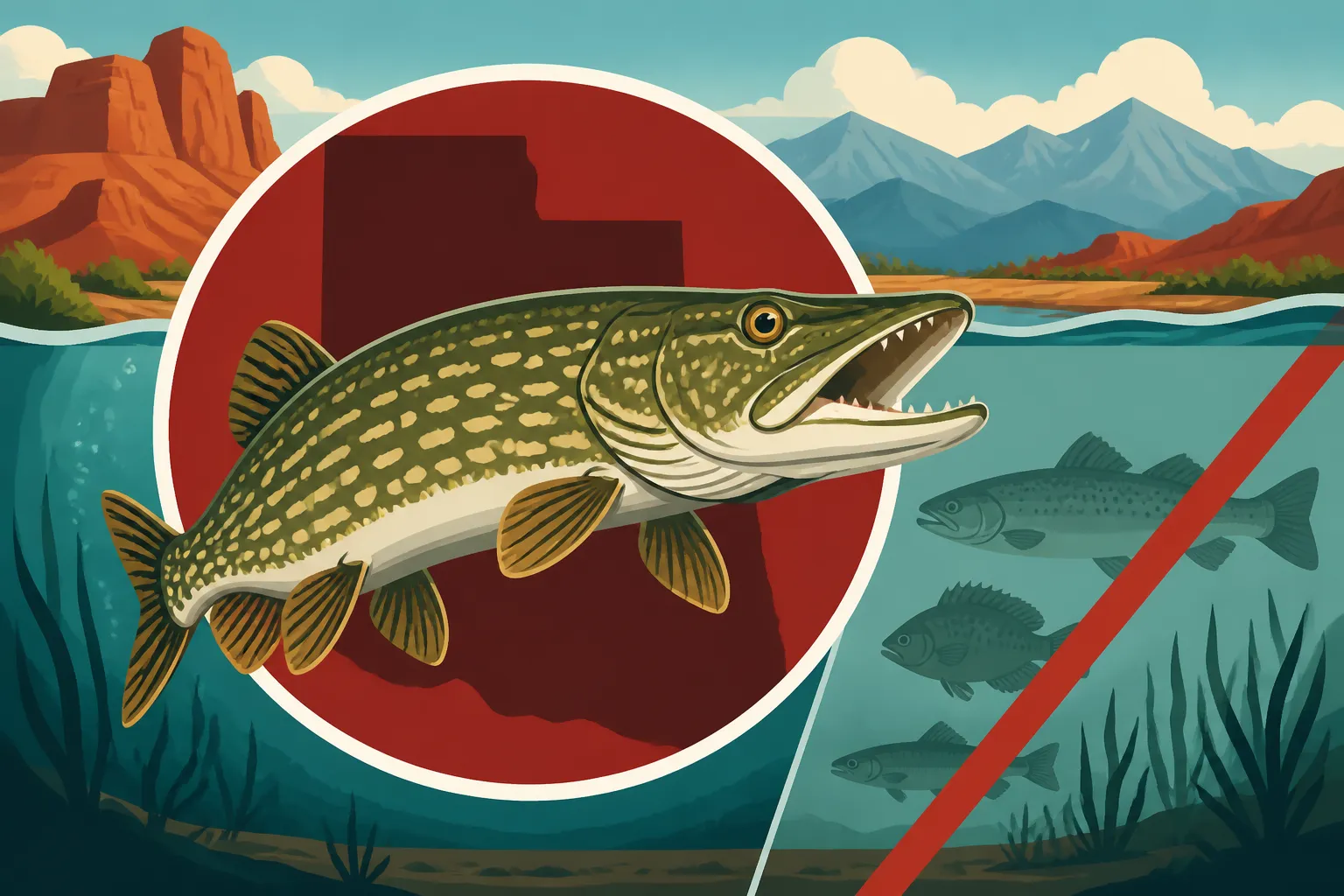
A Northern Pike is unmistakable once you know what to look for. They have a long, torpedo-shaped body, perfectly designed for quick bursts of speed to ambush prey. Their color usually ranges from dark green to olive, with lighter, bean-shaped spots along their sides that help them camouflage perfectly among weeds and submerged structures. But the most striking feature is their mouth: it's large, duck-bill shaped, and absolutely packed with sharp, backward-pointing teeth. These teeth aren't just for show; they're designed to grasp and hold onto struggling prey, making escape nearly impossible. Think of a living, breathing fishing spear, and you're getting close to a Northern Pike. They also have a single dorsal fin set far back on their body, almost directly above their anal fin, which gives them extra thrust when they decide to strike.
Native Range and Preferred Habitat
Northern Pike are not native to Utah. Their natural range spans across the cooler freshwater lakes and rivers of North America, Europe, and Asia. In places like Minnesota, Wisconsin, and Canada, they are a vital part of the ecosystem, coexisting with other native species that have evolved defenses and strategies to survive alongside them. They prefer shallow, heavily vegetated waters where they can hide and ambush prey, but they're also highly adaptable and can thrive in a variety of aquatic environments, from slow-moving rivers to large, clear lakes. These are cold-water fish, and while Utah has plenty of cold waters, our native species here simply aren't equipped to handle such an efficient, non-native predator.
How Northern Pike Became an Invasive Threat in Utah
The presence of Northern Pike in Utah isn't a natural phenomenon. It's a direct result of human actions, whether intentional or not, and it highlights a critical challenge for wildlife management: preventing the spread of invasive species. For a deeper dive into overall regulations, you might want to check out our Utah Fishing Regulations Explained post.
Unintended Introductions and Illegal Stocking
The most common way non-native species, like Northern Pike, end up in new waters is through illegal stocking. Someone, somewhere, decided to introduce these fish into Utah's waters, likely for sport fishing purposes. This act, often called "bucket biology," is highly illegal and incredibly damaging. It's not just a small misdemeanor; it's an act that can devastate an entire ecosystem that took millennia to evolve.
When someone dumps live fish from one water body into another, they're not just moving fish; they're potentially moving diseases, parasites, and upsetting a delicate balance. In the case of Northern Pike, these fish reproduce rapidly and mature quickly, meaning even a small initial introduction can lead to an explosive population growth in a very short time. Once they're established, especially in a vast water body like Utah Lake, it becomes incredibly difficult, if not impossible, to eradicate them completely. If you've ever wondered How Northern Pike Got Into Utah Lake, it's almost certainly through these kinds of illegal introductions.
The Impact on Native Fish Populations, Especially June Sucker
The introduction of Northern Pike into Utah Lake presents a particularly dire situation because Utah Lake is home to a critically endangered species: the June Sucker. These ancient fish are found nowhere else on Earth, and their survival is a conservation priority for the state and federal government. Pike, being opportunistic and voracious predators, see June Sucker as just another meal. They don't discriminate between a common carp and a rare, native June Sucker.
The impact isn't limited to the June Sucker. Pike also prey on other native fish species, young sport fish like walleye and bass, and even other non-native species like carp. Their presence can outcompete other predators for food resources and disrupt the entire food web, leading to cascading effects throughout the aquatic environment. When a top predator is introduced without its natural checks and balances, the consequences are severe and often irreversible. It’s why understanding Fish Species Considered Invasive in Utah Waters is so important for every angler.
Why Northern Pike are So Detrimental to Utah's Ecosystems
It's one thing to hear that a fish is "invasive," but truly understanding why they're so destructive can help put the urgency of their control into perspective. These aren't just nuisance fish; they're ecological wrecking balls in the wrong environment.
Voracious Predators and Food Web Disruption
Northern Pike are, without exaggeration, eating machines. They are incredibly efficient ambush predators that lie in wait among vegetation or structure, then launch themselves with incredible speed to engulf unsuspecting prey. Their diet is broad and includes virtually anything they can fit into their cavernous mouths: smaller fish, frogs, ducklings, muskrats, and even mice that venture too close to the water's edge. This indiscriminate predation is devastating in an ecosystem like Utah Lake, where native species haven't evolved the necessary defenses to avoid such a formidable predator.
When pike move into a new water body, they don't just eat a few fish; they can decimate populations. This sudden increase in predation at the top of the food chain throws the entire ecosystem out of whack. Prey species decline, which then impacts other native predators that rely on those same prey species. The intricate balance of who eats whom, developed over thousands of years, collapses under the pressure of this new, aggressive hunter. This disruption can lead to declines in popular sport fish, harm endangered species, and fundamentally alter the biodiversity of the lake.
Competition with Native Species and Habitat Alteration
Beyond direct predation, Northern Pike also compete with native species for resources. They consume vast amounts of food, leaving less for other fish that might rely on similar diets. This competition can prevent native fish from growing to healthy sizes or even reproducing successfully. Imagine trying to find enough food for your family when a much larger, hungrier family suddenly moves in next door and takes over all the grocery stores. That's essentially what happens in the aquatic world.
Furthermore, the presence of large numbers of pike can indirectly alter the habitat itself. By reducing populations of certain fish, especially those that graze on aquatic plants or invertebrates, pike can cause shifts in vegetation growth or insect populations. While not directly changing the physical habitat, these biological changes have ripple effects. The ultimate goal in Utah is to restore waters like Utah Lake to a more natural, healthy state where native species can thrive, and invasive species like the pike prevent that from happening. It’s why the question of Are Northern Pike Native to Utah? has such a crucial answer – no, and that’s the problem.
Utah's "Kill Every Pike" Rule: What It Means for Anglers
If you're an angler in Utah, especially if you plan to fish waters where Northern Pike are present, you must be aware of the mandatory harvest rule. This isn't just a suggestion; it's a critical regulation designed to protect our fisheries. You can learn more about general harvest rules in our Utah Daily Bag and Possession Limits guide.
Understanding the Mandatory Harvest Regulation
The Utah Division of Wildlife Resources (DWR) has implemented a strict "kill every pike" regulation for specific waters, most notably Utah Lake and its tributaries, and the Jordan River. This means that if you catch a Northern Pike in these designated waters, you are legally required to kill it immediately. It is illegal to return these fish to the water, alive or dead. The purpose of this rule is simple: to reduce the pike population as much as possible, thereby alleviating the pressure on native and desirable sport fish.
This regulation applies to all Northern Pike, regardless of size. There are no catch-and-release provisions for pike in these areas because every single pike removed from the water helps the ecosystem. It's a challenging rule for some anglers to adjust to, especially those who practice catch-and-release for other species, but it's vital for conservation. The DWR even offers incentives, sometimes holding bounty programs, to encourage anglers to remove these fish. So, when you're on the water, be prepared to fulfill your part in this conservation effort. If you’re ever wondering Why Utah Lake Require You to Kill Every Northern Pike?, it’s because of their devastating impact.
Proper Handling and Disposal of Caught Pike
Catching a Northern Pike can be an exciting, if problematic, experience. Their powerful runs and sharp teeth make them a formidable opponent on the line. However, once landed, proper handling and disposal are crucial. First, be extremely careful when handling a pike due to their sharp teeth. Use long-nosed pliers or a fish gripper to remove the hook, and avoid putting your fingers near their mouth.
Once you've safely landed and unhooked the fish, you must humanely dispatch it. A swift, firm blow to the head with a priest or blunt object is the most humane method. Some anglers prefer to use a sharp knife to sever the spinal cord behind the head. After dispatching the fish, you have a few options for disposal. You can take it home to clean and eat it (pike meat is quite good, though bony), or you can properly dispose of it in a trash receptacle. It is absolutely critical not to leave dead pike on the shore or dispose of them back into the water where they could potentially spread diseases or pollute the environment. Ensuring proper disposal helps prevent further ecological harm. You'll find more information on this within our Utah Fish Species You Must Keep article. If you need some extra gear for safe handling, a quick search on Amazon for "fish grippers" or "fishing priests" will show you plenty of options that can make this process safer and more humane.
Beyond the Catch: Broader Management Strategies
While angler participation in removing Northern Pike is crucial, the Utah Division of Wildlife Resources (DWR) also employs broader, more intensive management strategies to control and hopefully reduce invasive pike populations. This effort requires significant resources and expertise, showcasing the serious commitment to protecting Utah's unique aquatic environments.
Electrofishing and Netting Efforts
One of the most effective tools in the DWR's arsenal for controlling invasive fish populations is electrofishing. This technique involves sending an electric current through the water, temporarily stunning fish, which then float to the surface. Biologists can then quickly collect, identify, and remove the target invasive species, such as Northern Pike, while safely releasing native or desirable sport fish. This method is particularly effective in shallower, vegetated areas where pike often hide. Electrofishing allows DWR crews to remove large numbers of pike quickly and efficiently, especially during specific times of the year when pike are concentrated, such as during spawning season.
In addition to electrofishing, netting operations are also employed. Gillnets or trap nets are strategically placed in areas known for pike activity. These nets are regularly checked by DWR personnel to remove pike and minimize impact on other fish. These intensive, targeted efforts are critical because they allow biologists to go beyond what individual anglers can accomplish, making a significant dent in the overall pike population in affected waters.
Public Awareness and Prevention
Effective invasive species management doesn't just happen on the water; a huge part of it involves educating the public. The DWR invests heavily in public awareness campaigns to inform anglers and boaters about the dangers of invasive species and how to prevent their spread. These campaigns emphasize the importance of the "Clean, Drain, Dry" protocol for all watercraft to prevent the transfer of aquatic invasive species, including microscopic organisms like quagga and zebra mussels, as well as fish eggs or juvenile fish.
Moreover, the DWR actively works to prevent illegal stocking through public outreach and law enforcement. The message is clear: never move live fish from one water body to another. This act is illegal, carries hefty fines, and can cause irreparable damage to Utah's fisheries. By empowering the public with knowledge and enforcing regulations, the DWR hopes to stop future introductions of species like Northern Pike before they ever start. You can learn more about wider efforts in our Utah Aquatic Invasive Species Rules for Anglers post.
What Anglers Can Do to Help Control Northern Pike
As an angler, you have a direct role to play in the fight against invasive Northern Pike. Your actions on the water, and your understanding of the situation, are absolutely vital to protecting Utah's native fisheries. It's a hands-on approach to conservation that makes a real difference.
Targeting Pike Effectively
If you're fishing in waters known to have Northern Pike, consider actively targeting them. Not only is it a thrilling challenge, but every pike you remove directly contributes to the health of the ecosystem. Pike are aggressive predators, and they'll strike at a variety of lures. Large spoons, spinnerbaits, and crankbaits that imitate baitfish are often very effective. Bright colors and flashy retrieves can provoke a strike. Don't be afraid to use larger gear; these fish can grow quite sizable, and you'll want a stout rod and reel to handle their power and sharp teeth.
You'll often find pike lurking in areas with heavy cover, like weed beds, submerged timber, or rocky points, where they can ambush prey. Fan-casting these areas thoroughly can lead to success. Look for drop-offs near shallow flats, especially where there's an abundance of baitfish. For those who enjoy ice fishing, tip-ups set with large dead baits can also be incredibly effective for pike, as they're active under the ice. Learning Utah Fishing Techniques for Beginners can apply to pike as well, just scale up your lure and tackle size. You might even find some specialized pike-fishing gear on Amazon if you search for "pike fishing lures" or "heavy duty fishing leaders."
Reporting Sightings and Illegal Activity
Your eyes and ears on the water are invaluable to conservation efforts. If you catch a Northern Pike in a water body where they are not currently known to exist, or if you suspect you've seen illegal stocking activities, it is absolutely critical to report it to the Utah Division of Wildlife Resources immediately. Provide as much detail as possible, including the location, date, time, and any identifying features of the fish or individuals involved.
This information allows the DWR to act quickly, potentially containing a new invasion before it becomes firmly established and unmanageable. Similarly, if you see anyone illegally transporting live fish, or hear about plans for illegal introductions, reporting it is your civic duty as an outdoor enthusiast. Protecting our waters requires a collective effort, and sometimes, the most impactful action is simply picking up the phone or submitting an online report. Never underestimate the power of vigilance in safeguarding our natural resources.
| Characteristic | Native Range | Utah Status | Impact in Utah | Angler Action |
|---|---|---|---|---|
| Origin | North America, Europe, Asia (cooler freshwaters) | Non-Native/Invasive | Highly detrimental, prey on native species | Mandatory Kill if caught in designated waters |
| Identification | Long, torpedo-shaped body, duck-bill mouth, sharp teeth, bean-shaped spots, dorsal fin far back | Same | Predation on endangered June Sucker and other fish | Humane dispatch, proper disposal, do not release |
| Habitat | Shallow, vegetated areas, rivers, lakes | Found in specific Utah waters (e.g., Utah Lake, Jordan River) | Competition for food, ecosystem disruption | Report new sightings or illegal stocking |
| Reproduction | Rapid, high fecundity | Rapid population growth in Utah's favorable environments | Can quickly overwhelm native populations | Actively target and remove pike |
| Management | Balanced part of natural ecosystem | DWR electrofishing, netting, public awareness | Threatens biodiversity, sport fisheries, native species | Educate others, participate in removal efforts |
Disclaimer
This article is for general informational purposes only and does not constitute professional advice. Laws, prices and regulations vary by location and change over time. Consult a qualified professional for guidance on your specific situation.