What’s Being Done to Protect the June Sucker
It’s a heartbreaking reality for many of us who love Utah’s waters: some of our native fish are struggling. Among them, the June Sucker stands out as a true symbol of our aquatic heritage, yet it teeters on the brink. This native fish, unique to Utah Lake, has faced immense pressures, and its endangered status has spurred a dedicated, multi-faceted effort to bring it back from the edge. This guide dives deep into what's actively being done to protect the June Sucker, detailing the conservation efforts, the challenges faced, and the hope for its future.
The Plight of the June Sucker: A Native Under Threat
To truly understand the intense conservation efforts surrounding the June Sucker, it's essential to first grasp the gravity of its situation. This fish isn't just another species in Utah Lake; it's a living relic, a testament to the lake's unique ecosystem, and a critical component of its biodiversity. Its story is one of dramatic decline, driven by a complex web of environmental changes and human impact.
A Legacy of Decline: How We Got Here
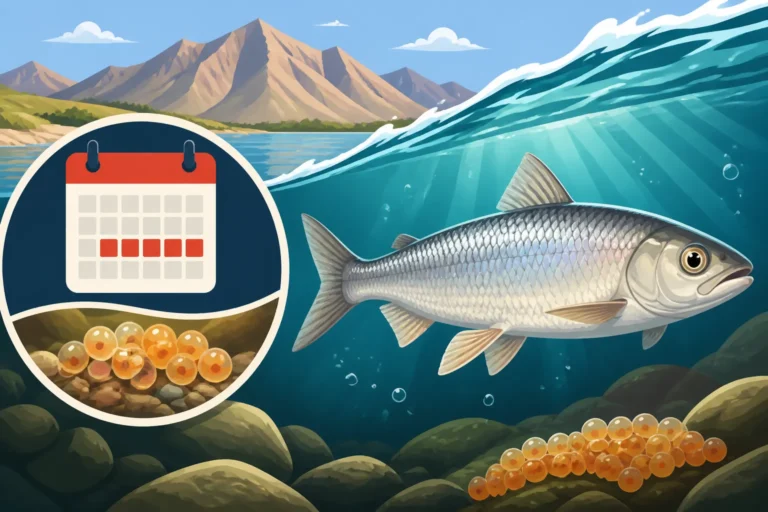
For centuries, the June Sucker thrived in Utah Lake, completing its unique spawning migration up the Provo River each spring, typically in June – hence its name. However, the 20th century brought significant alterations to its habitat. Major diversions of tributary waters for agriculture and urban development drastically reduced flows, especially during critical spawning periods. The construction of dams and other river alterations blocked access to historical spawning grounds. Furthermore, the introduction of non-native fish species, such as common carp, white bass, and channel catfish, created intense competition for food and habitat, and often led to predation on the June Sucker's eggs and young. The sheer scale of these changes pushed the June Sucker population to dangerously low levels, leading to its listing as an endangered species. This wasn't a sudden event but a slow, persistent erosion of its home and way of life.
The decline was so severe that by the late 20th century, many feared the June Sucker was beyond recovery. Surveys showed alarmingly low numbers, and natural recruitment—the successful spawning and survival of young fish into adulthood—was minimal to non-existent in many years. This stark reality made it clear that passive protection wouldn't be enough; active, intensive intervention was absolutely necessary. It required a comprehensive understanding of the species' biology, its historical habitat, and the myriad pressures it now faced.
Why the June Sucker Matters
You might wonder why so much effort is being poured into one species of sucker. The answer lies in its ecological significance and its role as an indicator species. The June Sucker is endemic to Utah Lake, meaning it's found nowhere else on Earth. Losing it would mean the irreversible loss of a unique piece of our planet's biodiversity and a permanent scar on Utah's natural heritage. Its presence reflects the overall health of the Utah Lake ecosystem. When the June Sucker thrives, it suggests that the lake and its tributaries are functioning more naturally, providing clean water and diverse habitats.
Beyond its intrinsic value, the June Sucker plays a role in the food web, acting as both prey for larger native fish and consuming invertebrates and detritus, which helps cycle nutrients. Its recovery efforts have also spurred broader conservation benefits for the entire lake ecosystem, including improved water quality, restored riparian habitats, and better management of non-native species. These efforts indirectly benefit other species that share the lake, creating a ripple effect of ecological improvement. This makes the June Sucker not just a fish, but a flagship for the health of one of Utah's most important freshwater systems. You can read more about June Sucker Endangered Species in Utah Lake in our detailed post.
Collaborative Conservation: A Multi-faceted Approach
The recovery of the June Sucker is a monumental task, one that no single entity could achieve alone. It requires a symphony of efforts, bringing together federal and state agencies, academic institutions, local communities, and dedicated individuals. This collaborative spirit is the backbone of the June Sucker Recovery Implementation Program (JSRIP), a partnership formed to coordinate and execute a comprehensive recovery plan. This program embodies the philosophy that success comes from pooling resources, expertise, and a shared commitment to a common goal.
Habitat Restoration and Water Management
One of the most critical components of June Sucker recovery focuses on restoring and managing the very environment it calls home. This involves a two-pronged approach: improving the physical habitat within Utah Lake and its tributaries, and ensuring adequate water flows, especially during vital periods. Projects include removing barriers in rivers like the Provo River to allow fish access to historical spawning grounds. This might involve modifying irrigation diversions or constructing fish ladders to ensure safe passage. You can learn more about specific regulations in our Utah Fishing Regulations Explained article.
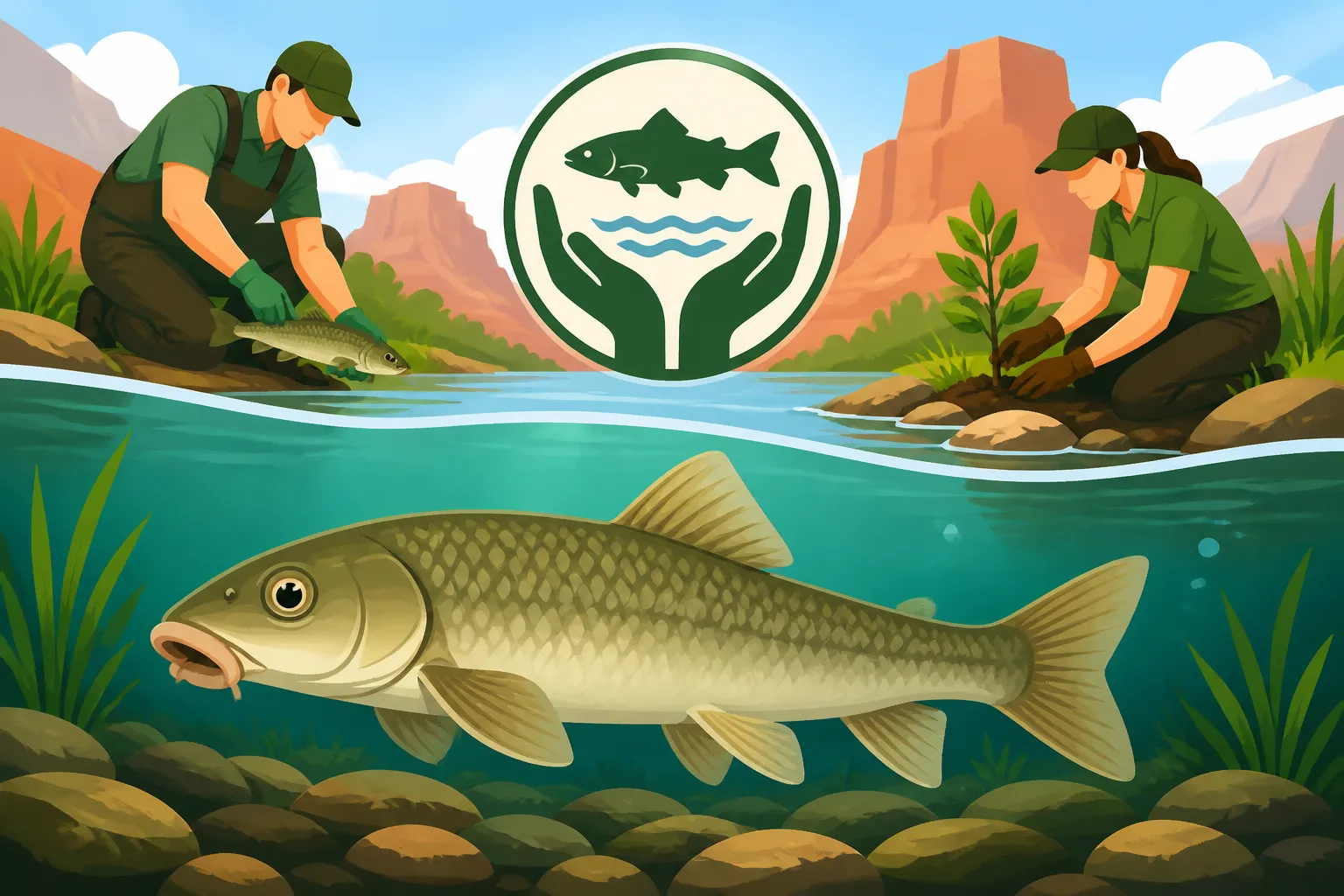
Furthermore, efforts are underway to restore riparian zones along riverbanks, planting native vegetation that stabilizes banks, filters pollutants, and provides shade, which helps regulate water temperature. These seemingly small actions collectively contribute to a healthier, more natural environment for the suckers. Water management is equally crucial; working with water users to ensure "instream flows" during the June Sucker's spawning season is paramount. This means making sure enough water stays in the river to allow fish to migrate, spawn, and for their eggs and larvae to develop. Balancing these needs with agricultural and municipal demands is a constant negotiation, but one that is essential for the species' survival.
Spawning and Rearing Programs: A Helping Hand
Given the incredibly low natural reproduction rates, direct intervention through artificial propagation and rearing has become a cornerstone of the recovery strategy. This involves collecting adult June Suckers from Utah Lake, carefully spawning them in controlled hatchery environments, and then rearing their offspring until they are large enough to withstand predation from non-native species upon release. The Utah Division of Wildlife Resources (UDWR) and other partners operate these facilities, where highly skilled biologists ensure the genetic diversity of the captive population and maximize the survival of young fish.
Once the June Sucker are robust juveniles, they are released back into Utah Lake and its tributaries. This "head-starting" program significantly bypasses the most vulnerable stages of their life cycle, dramatically increasing their chances of survival. It's a labor-intensive process, requiring careful tracking and monitoring of the released fish to assess the program's effectiveness. Without this direct intervention, the wild population simply wouldn't be able to recover quickly enough on its own. These programs are a testament to how dedicated conservationists are actively working to replenish the lake with this precious native fish.
Research, Monitoring, and Adaptive Management
Science drives effective conservation, and a significant portion of the June Sucker recovery effort is dedicated to ongoing research and monitoring. Biologists continuously study the June Sucker's behavior, genetics, diet, and habitat requirements to refine conservation strategies. This includes tracking population numbers, assessing the health of individual fish, and monitoring environmental conditions within Utah Lake. For instance, detailed studies on the impact of invasive species like common carp provide crucial data for control efforts. Such specialized equipment and resources for research can sometimes be found via platforms like Amazon, providing accessible tools for scientists.
The information gathered through this research is then used in an "adaptive management" framework. This means that as new data comes in, strategies are reviewed, refined, and adjusted. If a particular habitat restoration technique isn't yielding the desired results, it can be modified. If a new threat emerges, resources can be redirected to address it. This scientific rigor ensures that conservation efforts are as efficient and effective as possible, constantly learning and evolving to meet the dynamic challenges of a changing ecosystem. It's a commitment to not just doing something, but doing the right thing based on the best available knowledge.
The Role of Anglers and Community in June Sucker Recovery
While the bulk of direct recovery efforts falls to government agencies and scientific organizations, the broader community, especially anglers, plays a crucial, often underestimated, role in the June Sucker's journey back from the brink. It’s not just about what the experts do; it’s also about how everyone interacts with Utah Lake and its fish populations.
Understanding and Adhering to Regulations
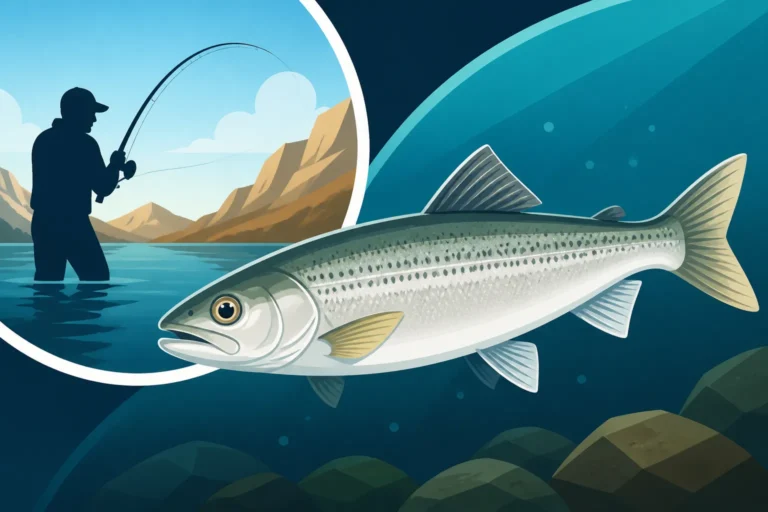
For anglers, awareness and compliance with fishing regulations are paramount. The June Sucker is a protected species, and inadvertently catching or harming one can have serious consequences. Regulations often specify legal fishing methods, possession limits, and even seasonal closures in certain areas of Utah Lake, particularly around spawning grounds in the Provo River, to protect the June Sucker during its most vulnerable periods. It is absolutely illegal to intentionally fish for or retain a June Sucker. Anglers must be able to identify the species and, if one is caught accidentally, release it immediately and unharmed. This is crucial for avoiding Utah Fishing License Penalties for Violations.
Many anglers choose to practice catch-and-release fishing in general, and this practice is especially important when fishing in waters where protected species like the June Sucker might be present. Education on proper fish handling techniques to minimize stress and injury upon release is vital. The rule of thumb is to handle the fish as little as possible, keep it in the water, and use needle-nose pliers or a de-hooking tool to remove the hook quickly. Understanding these rules is a direct contribution to the recovery efforts, ensuring that human activity doesn't inadvertently undermine years of dedicated conservation work. You can find comprehensive information about Utah Fishing Season Dates and Limits on our blog.
Supporting Conservation Through Awareness
Beyond direct compliance, community support through awareness and advocacy is incredibly valuable. Learning about the June Sucker, understanding its unique story, and sharing that knowledge with others helps foster a sense of collective responsibility for its survival. Educational materials about Utah's native fish, including the June Sucker, are often available through online bookstores like Amazon or local DWR offices, providing valuable insights for concerned citizens. Support can come in many forms: volunteering for habitat restoration projects, participating in citizen science initiatives, or simply reporting any suspicious activity that could harm the fish or its habitat.
Even indirect support, like being mindful of water conservation in your own home or advocating for responsible land use planning in your community, contributes to the overall health of the Utah Lake ecosystem. The more people who are educated and engaged, the stronger the voice for conservation becomes. Local non-profits might host fundraising events or sell merchandise, sometimes even through online stores, to support their efforts. You might find items related to conservation on sites like Amazon, with proceeds potentially benefiting such causes, further illustrating the broader impact of informed consumer choices. It’s about building a culture where native species protection is valued and actively pursued by everyone.
Here's a quick overview of key June Sucker conservation efforts:
| Effort Type | Primary Goal | Key Activities | Involved Parties |
|---|---|---|---|
| Habitat Restoration | Improve and expand suitable living spaces | Remove river barriers, restore riparian zones, improve water quality | JSRIP, UDWR, USFWS, local governments, private landowners |
| Water Management | Ensure adequate flow for spawning/migration | Secure instream flow agreements, manage reservoir releases, optimize diversions | JSRIP, Central Utah Water Conservancy District, local irrigation companies, UDWR |
| Artificial Propagation | Increase population numbers directly | Hatchery spawning, head-starting juveniles, genetic diversity management | UDWR, federal hatcheries, Brigham Young University |
| Research & Monitoring | Understand biology, assess threats, track progress | Population surveys, genetic studies, habitat assessments, diet analysis | JSRIP, UDWR, universities (BYU, USU), USGS |
| Invasive Species Control | Reduce competition and predation | Common Carp removal, White Bass management, Northern Pike control | UDWR, JSRIP, local fishing groups (e.g., dedicated Carp tournaments) |
| Public Education | Foster awareness and compliance | Informational campaigns, angler advisories, school programs | UDWR, JSRIP, local schools, conservation groups |
Looking Ahead: Challenges and Hopes for the June Sucker
The journey to recovery for the June Sucker has been long and arduous, marked by both setbacks and significant successes. While incredible progress has been made since its listing as endangered, the path forward is not without its hurdles. Sustaining these efforts and ensuring the long-term viability of the species requires unwavering commitment and continued adaptation.
Overcoming Environmental Hurdles
Utah Lake itself presents significant environmental challenges. It's a large, shallow, and naturally productive lake, but it's also heavily impacted by nutrient pollution from urban and agricultural runoff. These nutrients can lead to harmful algal blooms, which reduce water quality and oxygen levels, particularly in shallow areas critical for juvenile suckers. Addressing these broader water quality issues requires comprehensive watershed management that goes far beyond just focusing on the June Sucker, impacting everyone in the surrounding communities.
Another persistent threat comes from invasive species. While efforts to control common carp and other non-native predators have shown promise, these species are incredibly resilient and require ongoing management. Are Common Carp Considered a Nuisance Fish in Utah? is a common question, and the answer is a resounding yes, especially for native species. Climate change also looms, with potential impacts on water availability, temperature regimes, and the timing of snowmelt, all of which could affect the June Sucker's delicate life cycle and migration patterns. These are complex, landscape-scale problems that demand innovative solutions and sustained investment.
The Future of a Utah Native
Despite these challenges, there is genuine hope for the June Sucker. The collaborative efforts of the JSRIP have already achieved remarkable milestones. The wild population, once on the verge of collapse, has stabilized and is showing signs of increased natural recruitment in some years. Thousands of hatchery-reared fish have been successfully released, bolstering the population numbers. There's a growing understanding of the lake's ecosystem and how best to manage it for the benefit of all species, including the Fish Species in Utah Lake.
The long-term goal is to transition the June Sucker from an endangered status to threatened, and eventually, to a fully recovered species. This won't happen overnight, but the dedication and scientific rigor applied to its recovery provide a powerful model for conservation. The June Sucker's story is a reminder that while environmental degradation can be rapid, recovery is a slow, patient, and collaborative process. Every angler who respects the regulations, every citizen who learns about its plight, and every dollar invested in habitat restoration brings this unique Utah native one step closer to a secure future. We are truly on a journey together to ensure that the June Sucker swims freely in Utah Lake for generations to come.
Disclaimer
This article is for general informational purposes only and does not constitute professional advice. Laws, prices and regulations vary by location and change over time. Consult a qualified professional for guidance on your specific situation.