Fish Species in Utah Lake
Many anglers, especially those new to the Beehive State, might look at Utah Lake and dismiss it as just a big, muddy puddle. It's a common misconception, often leading folks to overlook one of Utah's most surprisingly productive and diverse fisheries. But the truth is, beneath its sometimes turbid surface, Utah Lake teems with a variety of fish species, offering unique challenges and rewarding opportunities for every type of angler. This guide will take a deep dive into the fascinating world of Utah Lake's fish, from prized game species to unique natives and even problematic invasives, giving you the insider scoop on what's swimming beneath and how you can target them.
The Unique Ecosystem of Utah Lake
Utah Lake isn't your typical high-mountain, crystal-clear reservoir. It's a vast, shallow freshwater lake in the heart of Utah Valley, with a fascinating and often complex ecosystem that directly influences the fish species it supports. Understanding its environment is key to appreciating its fishery.
A Shallow, Productive Fishery
At an average depth of around 10 feet, Utah Lake is remarkably shallow for its size. This shallow nature means it warms up quickly in the spring and summer, fostering an incredibly productive environment. The warm, nutrient-rich waters contribute to high rates of biological productivity, which in turn fuels a robust food chain. This is why, despite its appearance, the lake can support such a large biomass of fish.
The shallow depths also mean that wave action and prevailing winds can easily stir up the bottom sediments, giving the lake its characteristic turbid or "muddy" appearance, especially after a good blow. This isn't necessarily a sign of an unhealthy lake; rather, it's a natural characteristic of its geography and hydrology. While it might reduce visibility for anglers, many fish species thrive in these conditions, using the cloudiness to their advantage for ambushing prey or avoiding predators. This unique habitat makes Utah Lake a very different fishing experience compared to, say, the deep, clear waters of Flaming Gorge or Bear Lake.
Balancing Native and Introduced Species
The history of fish in Utah Lake is a long and winding tale, marked by a delicate and often contentious balance between native species and those introduced by humans, either intentionally for sport or inadvertently. Historically, the lake was home to several native species, most notably the June sucker and Bonneville cutthroat trout. However, over the decades, due to habitat alteration, water quality changes, and the introduction of non-native species, the native fish populations have faced significant challenges.
Today, the lake's fishery is largely dominated by introduced species that have adapted well to its unique conditions. Managing this balance is a continuous effort by the Utah Division of Wildlife Resources (DWR), aiming to provide excellent angling opportunities for popular game fish while simultaneously working to recover and protect endangered natives like the June sucker. It's a complex puzzle, as some introduced species can negatively impact native ones, leading to strict regulations for certain fish like the Northern Pike. Anglers play a critical role in this management, by understanding and adhering to these rules, helping to maintain a healthy ecosystem for all.
Key Game Fish Species in Utah Lake
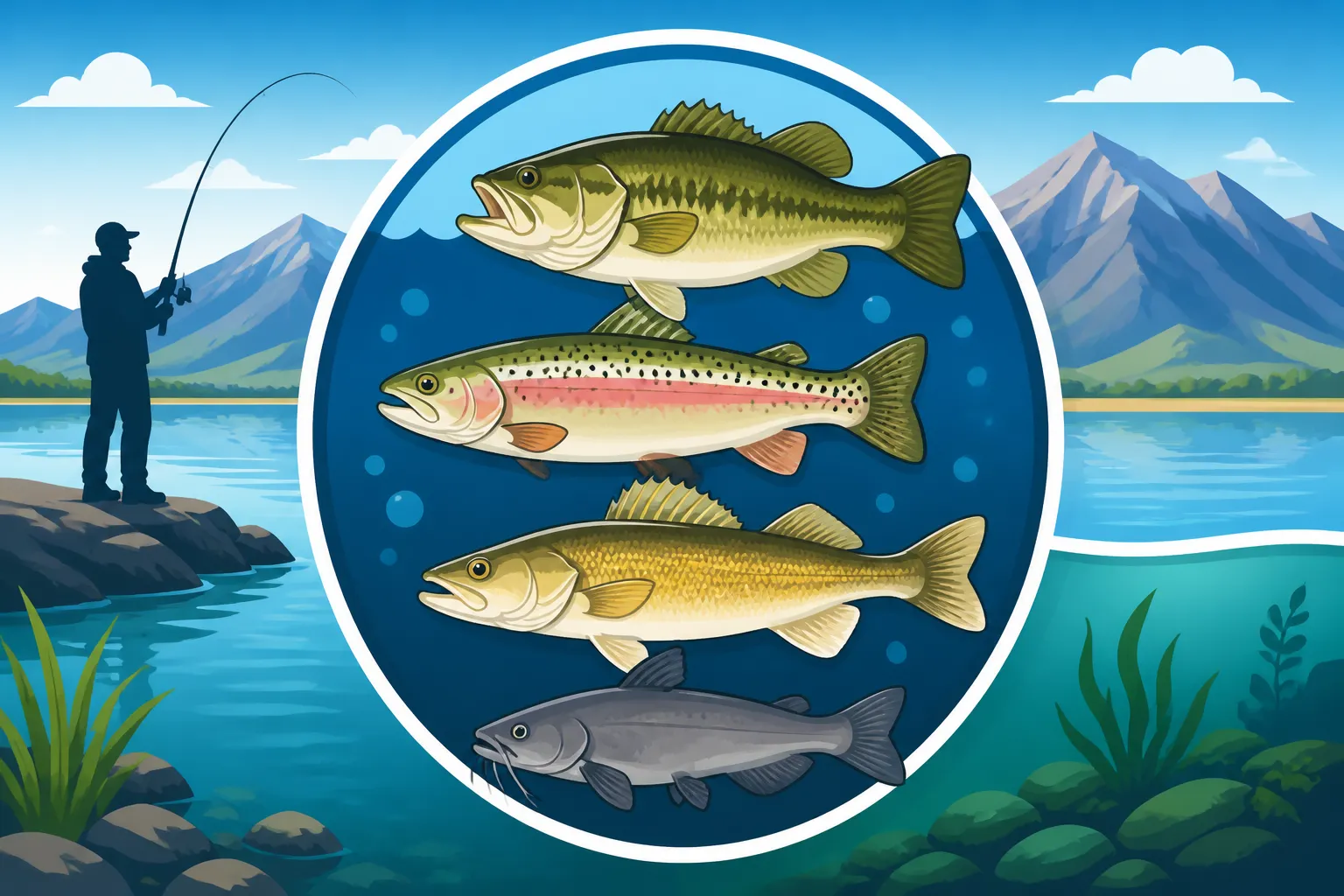
When most people talk about fishing Utah Lake, they're often referring to the fantastic opportunities to catch some truly impressive game fish. These species thrive in the lake's productive waters and provide exciting angling experiences.
Walleye
Walleye are undoubtedly one of the most sought-after game fish in Utah Lake, attracting a dedicated following of anglers. These elusive predators are known for their delicious white flesh and their tendency to be most active during low light conditions, making them a favorite target for evening and night fishing excursions. They primarily feed on baitfish, such as perch and carp fry, which are abundant in Utah Lake, allowing them to grow to considerable sizes.
Anglers targeting walleye often employ techniques like trolling crankbaits or bottom-bouncing jigs tipped with bait. Finding the right depth and structure can be key, as walleye tend to congregate around submerged humps, weed lines, or rocky areas where they can ambush prey. Many seasoned walleye anglers swear by specific colors of crankbaits or soft plastics, and you can find a vast array of options for different conditions, often available on platforms like Amazon, to fill your tackle box. Always check the Utah Walleye Daily Limit before you head out, as regulations help maintain a healthy population.
Channel Catfish
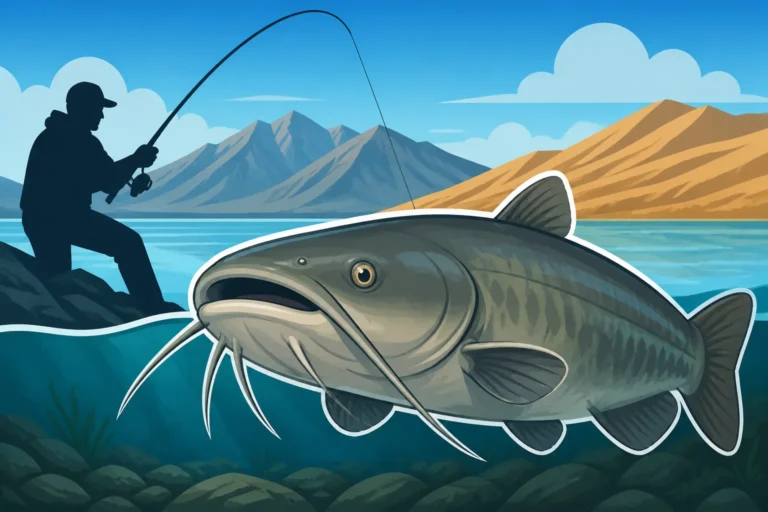
If you're looking for a hard-fighting fish that can grow to impressive sizes, the channel catfish in Utah Lake won't disappoint. These powerful bottom-dwellers are incredibly numerous and offer fantastic fishing opportunities, especially during the warmer months. Catfish are omnivores, meaning they'll eat just about anything, which makes them relatively easy to catch for anglers using a variety of baits.
Common baits for channel catfish include stink baits, cut bait, worms, and even hot dogs. Fishing them typically involves a simple bottom rig with a weight to hold your bait near the lakebed. They are most active from late spring through fall, particularly after dark, when they move into shallower waters to feed. Many anglers will set up camp along the shoreline or anchor their boats in prime locations, enjoying the quiet of the night as they wait for a powerful tug on their line. Whether you're targeting small eaters or a true trophy, Utah Lake offers some of the best channel catfish action in the state. If you're looking for specialized catfish gear, you can often find unique rigs and baits on Amazon that aren't always available at local shops. For a deeper dive, check out Utah Lake Catfish Species.
White Bass
White bass are a fantastic sport fish in Utah Lake, known for their aggressive strikes and schooling behavior. These feisty fish often provide fast-paced action, especially when they are actively feeding on schools of shad or other small baitfish. When you find a school of white bass, it's not uncommon to catch fish after fish, making for an exhilarating experience for anglers of all skill levels.
They are typically smaller than walleye or catfish, but what they lack in size, they make up for in sheer fighting spirit. White bass can be caught using a variety of artificial lures, including small spoons, spinners, and crankbaits. Their schooling nature means that where there's one, there are usually many, so if you catch one, keep casting in the same area. Early mornings and late evenings are often productive, but they can be active throughout the day, especially if you spot them breaking the surface while chasing baitfish. Their strong numbers and willingness to bite make them an excellent target for family fishing trips or for anglers just looking to bend a rod repeatedly.
Black Bass (Largemouth & Smallmouth)
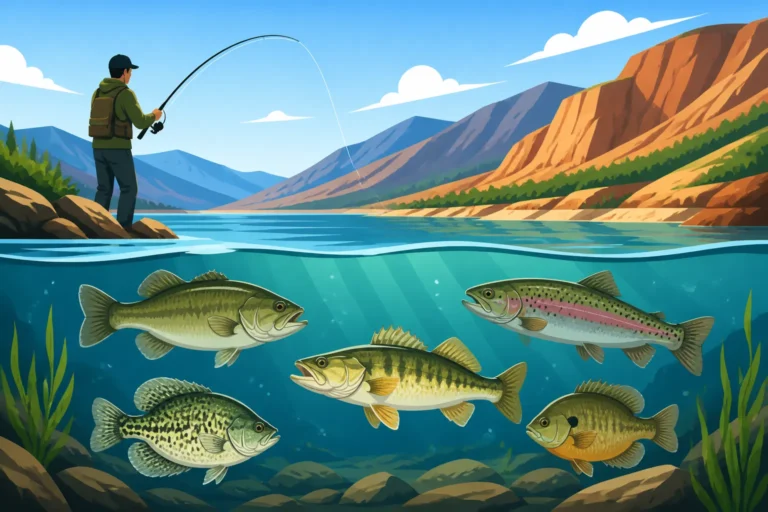
While not as dominant as walleye or catfish, both largemouth and smallmouth bass call Utah Lake home, offering exciting fishing for those who know where to look. Largemouth bass tend to prefer the shallower, weedy areas and structure, while smallmouth bass gravitate towards rocky shorelines and submerged features. Both species are known for their powerful strikes and acrobatic fights.
Targeting largemouth bass often involves casting plastics, jigs, or crankbaits near cover such as docks, emergent vegetation, or brush piles. Smallmouth bass, on the other hand, are frequently caught on tubes, grubs, or small crankbaits fished along rocky points and ledges. Knowing the specific habits and preferred habitats of each species is crucial for consistent success. While bass fishing can be more challenging on Utah Lake due to its size and turbidity, the rewards of a hard-fighting bass are well worth the effort. Before heading out, make sure you're up-to-date on the Utah Bass Daily Limit and Minimum Length to ensure you're fishing legally and sustainably.
Other Notable Fish Species in Utah Lake
Beyond the popular game fish, Utah Lake hosts a variety of other fish species, each playing a unique role in the ecosystem and offering different experiences for anglers. Some are common, some are critically endangered, and some are actively managed as invasives.
Common Carp
The common carp is arguably the most abundant fish species in Utah Lake. While often viewed as a "rough fish" or a nuisance by many traditional anglers, carp are a powerful, challenging, and often underrated sport fish. They can grow to enormous sizes in Utah Lake, offering incredible fights that will test your tackle and your stamina.
Carp are primarily bottom feeders, sifting through the mud for insects, crustaceans, and plant matter. Anglers who specifically target carp often use methods like bait fishing with corn, dough balls, or specialized carp baits. Due to their prevalence and resilience, they are often a good target for beginners or those looking for consistent action. Furthermore, there's a growing community of carp anglers who appreciate the challenge and power of these fish, and some even find them to be quite palatable when prepared correctly. For more on their status, you might be interested in Are Common Carp Considered a Nuisance Fish in Utah?.
June Sucker
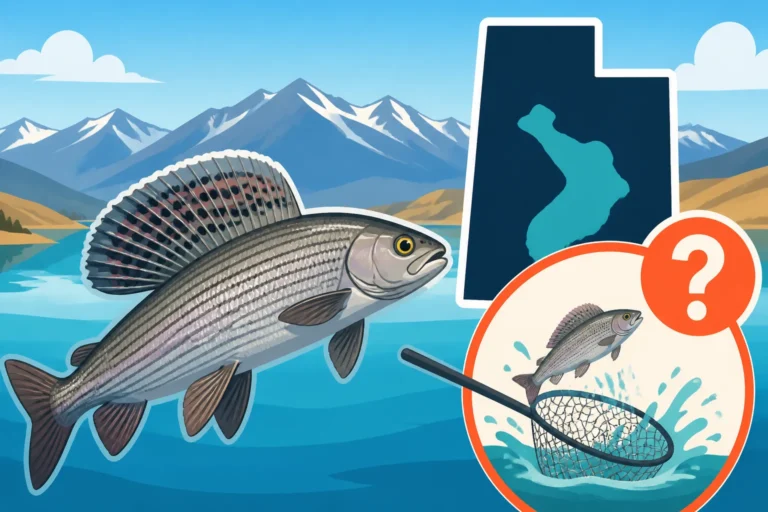
The June sucker is perhaps the most significant fish species in Utah Lake, not for its angling appeal, but for its critical conservation status. It is a native species found nowhere else in the world, and it is listed as an endangered species. The recovery of the June sucker is a massive, ongoing effort involving multiple agencies, aiming to restore its population and habitat within Utah Lake and its tributaries.
Anglers need to be acutely aware of the June sucker due to its protected status. While it's unlikely you'll deliberately target them, if you happen to catch one, it is absolutely imperative to release it immediately and unharmed. These fish are easily identifiable by their large, downward-pointing mouth and generally dark, sometimes mottled coloration. Education and careful handling are vital to their survival. Understanding Why the June Sucker Is Endangered in Utah Lake helps underscore the importance of these conservation efforts.
Northern Pike
Northern Pike are an invasive species in Utah Lake, and their presence poses a significant threat to native and even other game fish populations. These aggressive, toothy predators can decimate other fish species, including the endangered June sucker, which is why they are subject to very specific and strict regulations.
Unlike most game fish, if you catch a Northern Pike in Utah Lake, you are legally required to kill it immediately. There is no catch-and-release option for this species in this water body. Anglers are encouraged to learn how to identify them accurately and to be prepared to dispatch them responsibly. This mandatory harvest rule is a critical tool in the DWR's efforts to manage and reduce the pike population, thereby protecting other fish in the lake. It's crucial for every angler to understand Why Utah Lake Require You to Kill Every Northern Pike? before fishing here.
Panfish (White Crappie, Yellow Perch)
Utah Lake also supports populations of various panfish, including white crappie and yellow perch. While not always the primary target for anglers, these smaller species can provide excellent light-tackle fun, especially for kids or those looking for a relaxing day of fishing. They are generally found in schools and can offer consistent action when located.
White crappie typically inhabit areas with submerged structure like brush piles, docks, or old timber. They respond well to small jigs, minnows, or plastic baits. Yellow perch, identifiable by their distinct vertical bars, are often found in schools over sandy or vegetated bottoms and readily take small worms, maggots, or tiny jigs. While not reaching the trophy sizes seen in other Utah waters, the panfish in Utah Lake are a delightful bonus for anglers and can make for a tasty meal if you decide to keep a few within legal limits.
Fishing Utah Lake: Gear and Tactics for Success
Successfully fishing Utah Lake often comes down to understanding the species present, their behaviors, and having the right gear. Given the lake's unique characteristics, a few key considerations can significantly improve your chances.
Essential Gear for Utah Lake
For most of the game fish in Utah Lake, a versatile medium-action spinning rod and reel setup is a great starting point. This setup will handle everything from feisty white bass to decent-sized walleye and catfish. You'll want to spool your reel with 8-12 lb monofilament or fluorocarbon line, or consider a braided line for better sensitivity, especially when fishing for walleye in deeper or turbid water. A good Best Fishing Rod Size for Utah Trout isn't too far off for most of these species, either.
When it comes to tackle, a basic assortment of bottom rigs for catfish, a selection of crankbaits and jigs for walleye and bass, and some small spoons or spinners for white bass and panfish will cover most situations. Don't forget a sturdy pair of pliers for removing hooks, especially when dealing with the toothy Northern Pike, and a landing net is always a good idea for safely bringing in larger fish. Many anglers find it convenient to browse and purchase their initial tackle box essentials or specialized items, like specific walleye lures or catfish stink baits, on platforms like Amazon, given the wide selection and user reviews available.
Seasonal Considerations
The best time to fish Utah Lake largely depends on the species you're targeting. Spring and fall are often prime times for walleye, as they become more active in cooler water. Catfish, on the other hand, really turn on during the warmer summer months, often feeding aggressively both day and night. White bass can be excellent throughout the warmer seasons, especially when you find them schooling.
Ice fishing is also popular on Utah Lake during winter, provided the ice is safe. Anglers brave the cold for yellow perch, white bass, and even some walleye. Regardless of the season, checking local fishing reports and current conditions is always a good idea. Water clarity, temperature, and recent stocking efforts can all impact fish activity and location. Understanding how fish respond to these seasonal changes is a crucial skill that develops with experience and time spent on the water.
| Fish Species | Primary Habitat in Utah Lake | Common Baits/Lures | Best Time to Fish | Key Characteristic |
|---|---|---|---|---|
| Walleye | Submerged structure, drop-offs | Crankbaits, jigs, nightcrawlers | Spring, Fall (low light) | Excellent table fare, elusive, photo-sensitive |
| Channel Catfish | Lake bottom, muddy areas | Stink bait, cut bait, worms, hot dogs | Summer (esp. night) | Abundant, hard-fighting, omnivorous |
| White Bass | Open water, schooling near baitfish | Small spoons, spinners, crankbaits | Spring-Fall (day/night) | Aggressive, fast action, schooling behavior |
| Largemouth Bass | Weedy areas, docks, structure | Plastics, jigs, crankbaits | Spring-Fall | Ambush predator, cover-oriented |
| Smallmouth Bass | Rocky points, ledges, hard bottom | Tubes, grubs, small crankbaits | Spring-Fall | Strong fighter, prefers clear water pockets |
| Common Carp | Lake bottom | Corn, dough balls, specialized carp baits | Year-round | Powerful, abundant, challenging sport fish |
| June Sucker | Lake bottom, near stream mouths | (Protected – release immediately) | N/A | Endangered native species, unique to Utah Lake |
| Northern Pike | Weedy coves, shallow areas | Large spoons, spinners, swimbaits (kill) | Year-round | Invasive predator, mandatory harvest |
| White Crappie | Submerged brush, docks | Small jigs, minnows, plastic baits | Spring, Fall | Schooling panfish, structure-oriented |
| Yellow Perch | Sandy/vegetated bottoms, schooling | Small worms, maggots, tiny jigs | Year-round (incl. ice) | Schooling panfish, distinctive bars |
Utah Lake might not fit the classic picture of a pristine mountain fishery, but its incredible diversity and productivity make it a truly unique and rewarding place to wet a line. Whether you're chasing trophy walleye, battling big catfish, or contributing to conservation by removing invasive pike, Utah Lake offers an angling experience unlike any other in Utah. Make sure you're familiar with the Utah Fishing Regulations Explained before you go, and always be prepared for what you might find. Enjoy your time exploring the waters and the vibrant fish species of Utah Lake!
Disclaimer
This article is for general informational purposes only and does not constitute professional advice. Laws, prices and regulations vary by location and change over time. Consult a qualified professional for guidance on your specific situation.