What the Bonneville Cisco Is
When you think about Utah fishing, your mind probably jumps to the big trout of Strawberry or the massive lake trout of Flaming Gorge. But there's a fascinating, truly unique fish swimming in one of Utah's most iconic lakes that many anglers might not know much about: the Bonneville Cisco. This little fish plays a huge role in its ecosystem and local culture, and understanding it offers a deeper appreciation for the wonders of Bear Lake. This guide will dive deep into what makes the Bonneville Cisco so special, from its biology to its cultural significance.
Unpacking the Mystery: What Exactly Is a Bonneville Cisco?
The Bonneville Cisco isn't just any fish; it's a biological marvel, a species that has adapted perfectly to its specific home. Many anglers have heard the name, especially around Bear Lake, but might not fully grasp its unique place in the natural world. It's truly one of Utah's hidden aquatic gems, despite its small size.
A Fish Found Only in One Place
Imagine a fish that exists nowhere else on Earth but a single body of water. That's the story of the Bonneville Cisco. It is an endemic species to Bear Lake, a stunning natural lake that straddles the Utah-Idaho border. This means that while other fish species, like trout or bass, can be found in various lakes and rivers across the continent, the Bonneville Cisco has evolved in and is exclusive to Bear Lake's unique environment. This makes it incredibly special, a true testament to evolutionary adaptation in a confined ecosystem.
Its presence is a critical indicator of Bear Lake's health, as any significant change in the lake could dramatically impact this one-of-a-kind species. For biologists and conservationists, protecting the Bonneville Cisco means protecting the entire Bear Lake ecosystem. Its restricted range makes it particularly vulnerable, yet also incredibly fascinating for those interested in unique aquatic life. This is a fish that truly defines its home, and vice versa. Fish Species Found Only in Bear Lake is a great resource to learn about other endemic species of this unique body of water.
Physical Characteristics and Identification
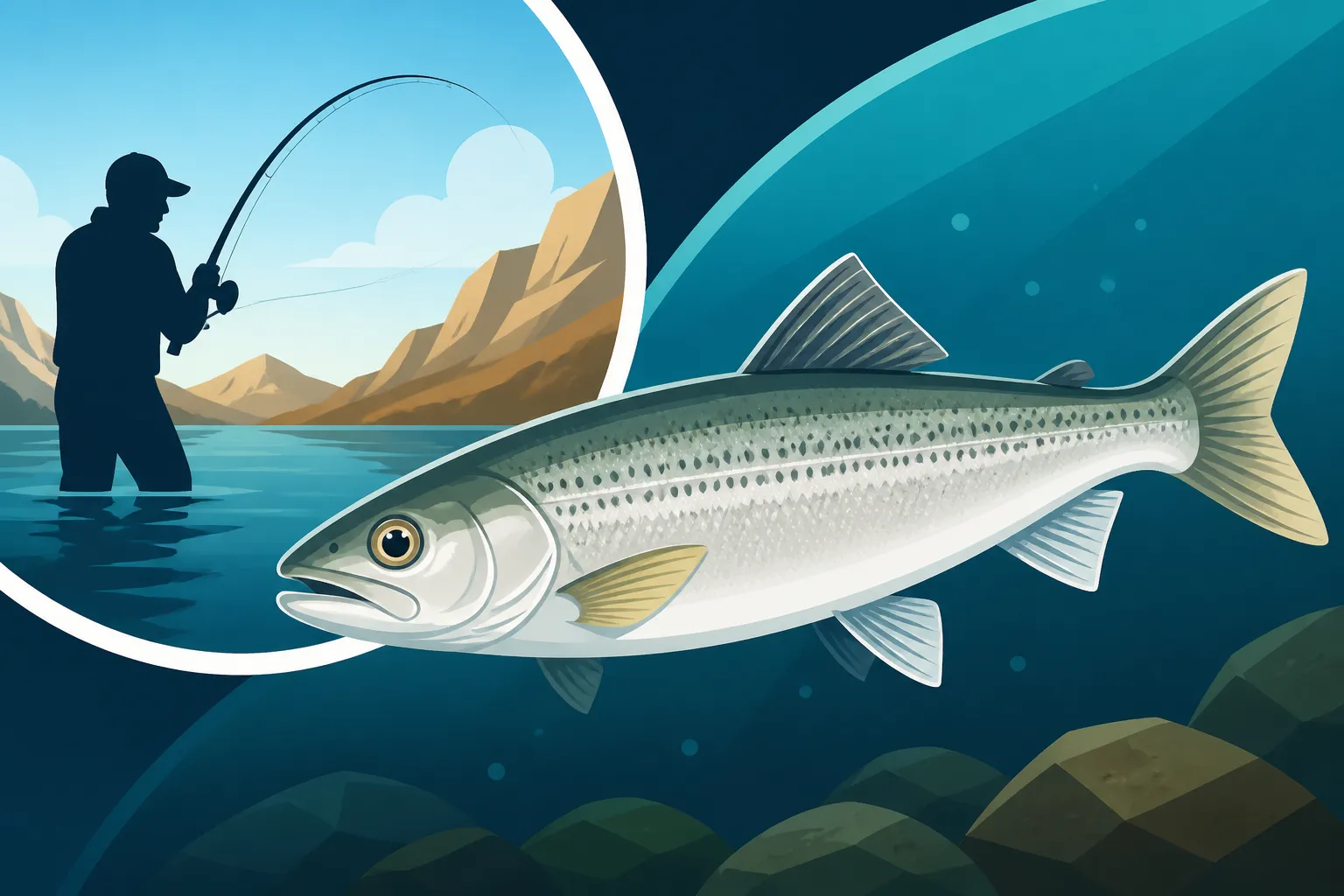
At first glance, a Bonneville Cisco might not seem like much to write home about. They are relatively small, typically ranging from 5 to 9 inches in length, though some can grow a bit larger. They possess a sleek, silvery body, often with a slightly iridescent sheen that reflects the light in the clear waters of Bear Lake. Their scales are fine, and their body shape is torpedo-like, perfectly designed for swimming through open water.
One way to distinguish them from other small fish in the lake is their mouth structure; they have a small, upturned mouth, which is adapted for feeding on zooplankton in the water column. While they share some similarities with other whitefish species, their specific fin placement and overall body proportions are distinct. If you're lucky enough to see one, either during the famous "Cisco Run" or through the ice, you'll notice their delicate appearance. They are often mistaken for baitfish, which, in a way, they are for larger predators in the lake, but their unique characteristics set them apart.
Its Unique Life Cycle and Spawning Habits
The life cycle of the Bonneville Cisco is deeply intertwined with the seasons of Bear Lake, culminating in one of nature's most extraordinary spectacles. Most of the year, these fish live in the deeper, cooler waters of the lake, feeding primarily on zooplankton. They grow slowly, reaching maturity after a few years. However, their claim to fame comes during their spawning period, an event so unique it draws crowds to the icy shores of Bear Lake.
Typically, in mid to late January, when the lake is often covered in ice or experiencing near-freezing temperatures, the Bonneville Cisco migrate from the deeper waters to the shallow, rocky shores of the lake. This migration, often referred to as the "Cisco Run," is their annual spawning ritual. Thousands, sometimes millions, of cisco gather in these shallow areas, where they lay and fertilize their eggs among the rocks. This intense, short-lived event usually only lasts for about ten days, a brief window of frantic activity against a backdrop of frozen beauty. This phenomenon is why the Why Bonneville Cisco Only Spawn for About Ten Days a Year is such a compelling topic for local anglers and visitors alike.
The Bonneville Cisco's Ecological Role in Bear Lake
Every species plays a part in its ecosystem, but for an endemic species like the Bonneville Cisco, that role is magnified. They are not just an interesting curiosity; they are a fundamental component of Bear Lake's ecological balance, impacting everything from the largest predators to the microscopic organisms in the water.
A Vital Link in the Food Web
The Bonneville Cisco occupies a critical position as a primary forage fish in the Bear Lake food web. They are essentially the aquatic equivalent of a prairie's vast herds of small grazers, providing a massive energy source for the lake's larger, more iconic sportfish. Without the abundant cisco population, species like the famous Bear Lake Cutthroat Trout and the large Lake Trout (often called Mackinaw in Utah) would struggle to find enough food to grow to their impressive sizes.
Anglers targeting trophy fish in Bear Lake often understand the importance of healthy cisco numbers. A strong cisco population means well-fed predators, leading to robust, larger trout. This interconnectedness means that any decline in the cisco population sends ripples throughout the entire ecosystem, affecting not just the fish, but potentially the overall health and stability of the lake. Learning about Bear Lake Cutthroat Trout Facts gives a better appreciation for just how vital the cisco are to these prized game fish.
Threats and Conservation Efforts
Despite their abundance during the spawning run, the Bonneville Cisco population faces ongoing challenges. As an endemic species, they are particularly sensitive to changes within their single habitat. Environmental factors such as changes in water quality, fluctuating lake levels, and even long-term climate shifts can impact their spawning success and survival rates. For instance, alterations in water temperature could disrupt their delicate spawning timing or affect the availability of their zooplankton food source.
Conservation efforts are continuously in place to monitor the cisco population and protect their unique habitat. The Utah Division of Wildlife Resources (DWR) and Idaho Department of Fish and Game regularly conduct studies to assess population health, track spawning success, and ensure that regulations are in place to prevent overharvesting. Protecting the Bonneville Cisco isn't just about saving one fish species; it's about safeguarding the unique biodiversity of Bear Lake for future generations of both fish and people.
The Cultural Significance of the Bonneville Cisco Run
Beyond its ecological importance, the Bonneville Cisco holds a special place in the hearts of locals and visitors alike, thanks to its annual spawning run. This event has evolved into a beloved winter tradition, drawing people out into the cold for a truly unique angling experience.
A Unique Winter Fishing Tradition
The "Cisco Run" is arguably the most famous aspect of the Bonneville Cisco. Each January, as winter settles deeply over Bear Lake, thousands of people brave the frigid temperatures and icy winds to participate in a fishing tradition unlike any other. Anglers gather along the shallow, rocky shores, often standing in near-freezing water, armed with dip nets. The goal is to scoop up the spawning cisco as they congregate close to shore. It's a truly social event, with families and friends huddled together, often around small fires, sharing stories and warmth while waiting for the next wave of fish.
This isn't your typical rod-and-reel fishing; it's a hands-on, communal experience that has been passed down through generations. People bundle up in heavy coats, snow pants, and insulated boots, sometimes even wearing waders, to get into the icy water. It's a celebration of winter, community, and the bounty of Bear Lake, making memories that last long after the fish are cleaned and put away. You can find detailed information on Where to Fish for Cisco During Bear Lake's January Run if you're planning to experience this unique tradition.
Preparing and Enjoying Cisco
Once caught, the Bonneville Cisco are highly prized for their delicate flavor. They have a mild, slightly sweet taste, often compared to smelt or small herring. Because of their size and abundance during the run, they are commonly prepared in simple, traditional ways that highlight their natural flavor. One of the most popular methods is to simply fry them whole (after cleaning, of course!). A light breading or dusting of seasoned flour, then fried until crispy, makes for a delicious snack or meal.
Another common preparation is pickling. The cisco are preserved in a vinegar-based brine with various spices, which allows them to be enjoyed throughout the year. This method also softens the tiny bones, making them edible. Many local families have their own cherished recipes for fried or pickled cisco, passed down through the years. It's not just about the catch; it's about the culinary tradition that surrounds this unique fish, making it a true taste of Bear Lake.
Where to Experience the Bonneville Cisco (Even Outside the Run)
While the January Cisco Run is the most accessible way for many to interact with this unique species, understanding where they live and how to potentially fish for them can enhance your appreciation for Bear Lake's ecosystem throughout the year.
Best Spots for Observing the Cisco Run
If you want to witness the magic of the Cisco Run firsthand, certain spots along Bear Lake's shoreline are renowned for their accessibility and consistent activity. Cisco Beach, located on the east side of the lake, is perhaps the most famous and popular spot. Its gently sloping, rocky bottom provides ideal spawning habitat, and the access is relatively easy, even in winter conditions. This area often becomes a hub of activity during the run, with many anglers setting up along the shore.
Another excellent location is Rainbow Cove, also on the east side. Like Cisco Beach, it offers good shallow, rocky areas where the cisco congregate. Both locations can get quite busy, especially on weekends, so arriving early is often a good strategy. Remember, participating in the Cisco Run means braving cold weather, so dress warmly in layers and be prepared for icy conditions. It's a fantastic experience, but safety and warmth are paramount. You can compare the fishing experiences at Cisco Beach vs Rainbow Cove at Bear Lake.
Gear for Cisco Fishing (If Permitted)
While dip netting is the primary method for harvesting cisco during the designated "Cisco Run," traditional angling methods can also be effective at other times of the year, though specific regulations and seasons apply. If you're looking to target cisco with a rod and reel, you'll want to use light tackle. These are small fish with delicate mouths, so heavy gear will just spook them or pull hooks.
A light action spinning rod, paired with a small reel spooled with 2-4 pound test line, is ideal. For lures, tiny jigs or spoons, often no larger than 1/16th of an ounce, are your best bet. Colors like silver, white, or chartreuse can be effective. You might also find success with small teardrop jigs tipped with a wax worm or piece of corn. When preparing for a trip, it's always smart to check out reputable outdoor retailers or even Amazon for a selection of ultralight jigs and tackle. For example, a small array of Kastmaster spoons or Swedish Pimples can be surprisingly effective. Don't forget your warm gear if you're trying to fish in colder months, you can often find great deals on quality thermal layers and waterproof outer shells on Amazon to keep you comfortable during long hours on the water. Proper insulation, like good waterproof gloves and a sturdy hat, is essential when fishing in these conditions.
| Feature | Bonneville Cisco | Bear Lake Cutthroat Trout | Lake Trout (Mackinaw) |
|---|---|---|---|
| Average Size | 5-9 inches | 12-20 inches (up to 30+ inches) | 15-30 inches (up to 40+ inches) |
| Primary Diet | Zooplankton, small invertebrates | Cisco, other forage fish, insects | Cisco, whitefish, other large prey |
| Habitat | Entirely endemic to Bear Lake | Bear Lake (native subspecies) | Bear Lake, Flaming Gorge, other deep lakes |
| Spawning Season | Mid-late January | Fall (Oct-Nov) | Fall (Oct-Nov) |
| Distinguishing Features | Silvery, upturned mouth, small | Red/orange slash under jaw, spots | Dark gray/brown with light spots |
| Fishing Method (Winter) | Dip netting (during run), jigging (rarely) | Ice fishing with lures/bait, jigging | Deep water jigging, trolling |
Disclaimer
This article is for general informational purposes only and does not constitute professional advice. Laws, prices and regulations vary by location and change over time. Consult a qualified professional for guidance on your specific situation.