The Utah State Record Walleye
That feeling, the one that makes your heart thump just a little faster when you're out on the water, wondering if today's the day you'll hook into something truly special – that's what drives so many of us. We dream of that monster fish, the one that tells a story and earns you a lifetime of bragging rights. For walleye anglers in Utah, that dream often revolves around the state record walleye, a benchmark that showcases what's truly possible in our waters. This guide is here to unravel the tale of Utah's legendary walleye, dive into the waters where such giants lurk, and help you understand what it takes to pursue your own trophy.
The Legend of Utah's State Record Walleye
There's something almost mythical about a state record fish. It's not just a number on a scale; it's the culmination of countless hours on the water, a deep understanding of the fish, and often, a healthy dose of pure luck. For Utah's walleye enthusiasts, the state record isn't just a point of pride; it's a constant source of inspiration, proving that truly immense fish are swimming in our local reservoirs.
The Record-Breaking Catch: A Story of Persistence
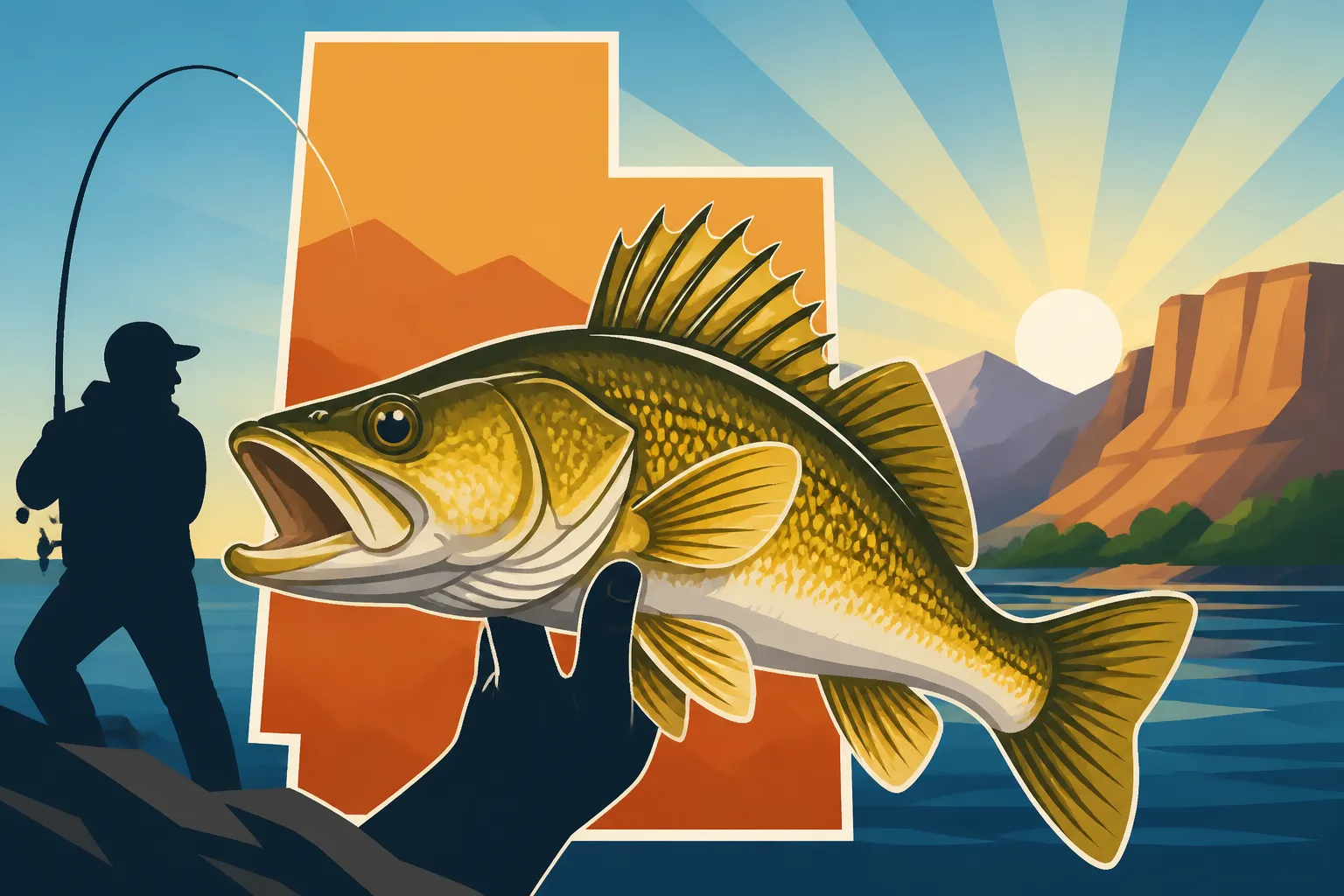
The Utah state record walleye is a fish of truly impressive proportions, weighing in at over 15 pounds. Imagine the moment that fish hit the line! It wasn't just a big fish; it was a beast, the kind that tests your tackle, your patience, and your strength. This particular monster was caught by an angler who, like many of us, spent countless days pursuing walleye, honing their skills, and patiently waiting for that one special bite.
The record-setting catch happened many years ago, on Utah Lake, a body of water synonymous with robust walleye populations. The angler was using a jig, a common and effective method for targeting walleye, demonstrating that sometimes, tried-and-true techniques are all you need when a giant decides to bite. The fight must have been legendary, a true battle of wills between angler and fish. Landing a walleye of that size is no small feat; it requires careful netting, calm nerves, and often, the help of a fishing buddy. The sheer excitement, the trembling hands, the disbelief turning into pure elation – these are the universal feelings that accompany such a monumental catch. It’s a testament to the fact that with enough dedication and the right conditions, anyone can connect with a fish of a lifetime. The Utah Division of Wildlife Resources (DWR) carefully verifies such claims, adding to the official status and legend.
What Does a State Record Mean for Anglers?
A state record is more than just a name in a book; it's a benchmark. It tells us the potential our waters hold and sets a lofty goal for aspiring trophy hunters. For many, simply knowing that such a fish exists is enough to fuel their passion, pushing them to spend more time on the water, refine their techniques, and explore new fishing grounds. It creates a sense of competition and community, as anglers share stories and tips, all hoping to one day come close to that elusive record.
The record also serves as a critical indicator of the health and productivity of a fishery. A thriving population capable of producing such large specimens suggests good management, ample food sources, and suitable habitat. It validates the efforts of agencies like the DWR in stocking and managing these fish. While most of us won't break a state record, the pursuit of a "personal best" is a deeply satisfying journey, and the state record offers a clear vision of what that ultimate achievement looks like. It reminds us that there are still incredible fishing adventures to be had right here in Utah.
Where Utah's Trophy Walleye Swim (and How to Find Them)
If the dream of catching a trophy walleye has gripped you, the next logical question is, "Where do I go?" Utah is blessed with several fantastic walleye fisheries, but when it comes to consistently producing truly massive fish, one lake stands head and shoulders above the rest.
Key Waters Known for Large Walleye
Without a doubt, Utah Lake is the undisputed champion when it comes to trophy walleye fishing in the state. This vast, shallow, and fertile lake provides an ideal environment for walleye to grow to impressive sizes. Its abundant forage base, particularly carp and other baitfish, allows walleye to pack on the pounds. For anyone serious about targeting large walleye, spending time on Utah Lake is a must. If you're curious about this amazing fishery, you should absolutely check out our Utah Lake Fishing Guide. The lake's expansive nature can be intimidating, but understanding its structure is key. Walleye, especially the larger ones, gravitate towards specific features like rock piles, subtle depth changes, and submerged vegetation lines. They're often found patrolling these areas, waiting to ambush unsuspecting prey.
While Utah Lake takes the spotlight for records, other waters like Willard Bay and even sections of the Green River also hold respectable walleye populations, though typically not producing fish quite on the scale of the state record. These other locations offer great fishing opportunities, but for the true giants, Utah Lake remains the prime destination. Understanding Walleye Identification and Size in Utah can help you recognize the potential of different fish you encounter.
Strategies for Targeting Trophy Walleye
Finding a truly massive walleye isn't just about showing up; it's about understanding their behavior and adapting your approach. Trophy walleye are often older, wiser, and more cautious.
- Trolling: This is arguably one of the most effective methods for covering water and finding active walleye, especially in a large lake like Utah Lake. Trolling with crankbaits or spinner rigs allows you to present your lure at a consistent depth and speed, mimicking natural prey. Varying your speed, depth, and lure color until you find what triggers a bite is crucial. You might need specialized gear like planer boards to spread your lines out and cover a wider path.
- Jigging: Vertical jigging, particularly over submerged structure or ledges, can be deadly for large walleye. Using heavier jigs with plastic trailers or live bait (like a large minnow) allows you to target fish holding tight to the bottom. This method is often preferred when fish are concentrated in specific areas that you've located with your electronics. For more in-depth advice, explore our guide on Utah Jigging Techniques for Walleye.
- Slip Bobber Fishing: While often associated with smaller walleye or panfish, a properly set up slip bobber rig with a large live minnow or nightcrawler can be incredibly effective for big walleye, especially when they are suspended in the water column or holding over sparse structure. This allows for a very natural presentation.
- Electronics are Your Best Friend: Modern fish finders, especially those with side imaging and down imaging, are invaluable tools for locating structure and schools of walleye. Learning to interpret what your sonar is telling you can drastically increase your success rate. There are many excellent units available, and a quick search on Amazon can show you the range of options. Remember, the fish finder helps you find them, but it's your technique that seals the deal.
Patience is paramount when chasing trophy walleye. These fish don't bite every minute of every day. You might spend hours without a nibble, only to have that one spectacular strike that makes the entire trip worthwhile. Knowing What Walleye Eat in Utah Lake can also give you an edge in choosing the right baits and lures.
The Journey to Your Own Personal Best (or Even a Record)
While the state record is a singular achievement, the quest for your own personal best walleye is a journey full of excitement and learning. Every trip offers a chance to get closer to that goal, to understand these fascinating fish a little better, and to create unforgettable memories on the water.
Essential Gear and Tackle for Big Walleye
To effectively target large walleye, you need gear that can handle the job. These fish are powerful, and a tackle setup that's too light can lead to heartbreak.
- Rod and Reel: Opt for a medium-heavy power, fast-action spinning or baitcasting rod, typically 6'6" to 7'6" in length. This provides the backbone needed to set the hook firmly in a walleye's bony mouth and to control a powerful fish. Pair it with a reliable reel spooled with 10-20 lb braided line, which offers incredible sensitivity and strength. Many anglers then use a 10-15 lb fluorocarbon leader for stealth, as walleye can be line-shy. If you're just starting, there are fantastic rod and reel combos for walleye on Amazon that offer great value.
- Lures and Bait: For trophy walleye, don't be afraid to go a little bigger with your presentations. Large crankbaits that dive to the depths where walleye are holding, hefty jigs tipped with 4-6 inch plastic grubs or live minnows, and larger spinner rigs are all excellent choices. Varying your lure selection based on water clarity, light conditions, and fish activity is crucial. We have more great advice in our Best Lures for a Utah Tackle Box guide.
- Landing Net: A sturdy, wide-hooped landing net with rubberized mesh is non-negotiable for big walleye. Not only does it help you safely land the fish, but the rubberized mesh is much gentler on the fish's slime coat if you plan to release it.
- Measuring Board and Scale: If you're seriously chasing a trophy, you'll need an accurate measuring board and a certified digital scale to properly document your catch. This is vital for any potential record or just for bragging rights among friends.
- Other Essentials: Don't forget the basics like needle-nose pliers for hook removal, a good pair of polarized sunglasses to cut glare, and a cooler with ice to properly care for any fish you decide to keep. For a broader overview of necessary equipment, check out our Utah Fishing Gear Guide.
Understanding Walleye Behavior and Seasons
Successful walleye anglers are keen observers of nature and masters of timing. Walleye behavior changes significantly with the seasons and even the time of day.
- Spring: This is prime time for big walleye, as they move into shallower areas to spawn. Pre-spawn and post-spawn periods can offer incredible action, especially for larger fish. Think shallow flats, rocky points, and mudlines. Learn more about spring fishing in How to Catch Walleye at Utah Lake in Spring.
- Summer: Walleye often retreat to deeper, cooler waters during the heat of summer. They'll relate to deep structure, humps, and thermoclines. Early morning and late evening bites can be the most productive. Night fishing for walleye can also be incredibly effective during warmer months.
- Fall: As water temperatures drop, walleye become very active feeders, gorging themselves in preparation for winter. They can be found in a variety of depths, often moving shallower to feed. This is another excellent time to pursue big fish.
- Winter (Ice Fishing): For dedicated ice anglers, walleye offer a thrilling challenge. They tend to school up in specific areas, often around deep structure or main lake points. Jigging spoons and lipless crankbaits through the ice can be highly effective.
Understanding these seasonal patterns, as well as factors like weather, barometric pressure, and water clarity, will give you a significant advantage. Always remember to check the Utah Walleye Daily Limit and Utah Fishing Regulations Explained before heading out.
The Mental Game: Patience, Persistence, and Respect
Let's be real: state records aren't broken every day, and trophy walleye don't jump into the boat. The pursuit of a truly large fish is a marathon, not a sprint. It requires immense patience, the ability to learn from every outing (even the slow ones), and a persistent spirit that keeps you coming back, even after a streak of skunked trips.
Beyond the techniques and the gear, the mental game is perhaps the most important. Celebrate the small victories, like figuring out a new pattern or landing a solid keeper. Embrace the challenge.
Finally, always practice responsible angling. Handle fish with care, especially if you plan to release them. Use proper release techniques to ensure they swim away strong. If you are fortunate enough to catch a potential record, familiarize yourself with the DWR's procedures for certifying a new record, which typically involves accurate weighing on a certified scale and verification by a DWR biologist. Respect the fish, respect the water, and enjoy every moment of your quest for that ultimate Utah walleye.
Here's a quick look at common walleye fishing techniques:
| Technique | Best Conditions | Target Depths | Advantages | Considerations |
|---|---|---|---|---|
| Trolling | Large lakes, searching for active fish, covering water | Varies (shallow to deep) | Covers vast areas, consistent lure presentation | Requires boat, specific gear like planer boards |
| Vertical Jigging | Fish holding tight to structure, deeper water | Mid-depth to deep | Precise lure placement, good for concentrated fish | Requires boat or ice fishing, precise boat control |
| Slip Bobber | Suspended fish, specific structure, live bait | Varies (shallow to mid-depth) | Natural presentation, effective with live bait | Slower pace, less area covered |
| Casting Crankbaits | Shallow to mid-depth, shore fishing, active fish | Shallow to mid-depth | Versatile, good for various retrieve speeds | Can be snaggy in rocky areas, less precise depth control |
| Blade Baits | Cold water, vertical jigging, aggressive fish | Mid-depth to deep | Strong vibrations attract fish, good for reaction bites | Can be snaggy, requires specific jigging motion |
Disclaimer
This article is for general informational purposes only and does not constitute professional advice. Laws, prices and regulations vary by location and change over time. Consult a qualified professional for guidance on your specific situation.