Utah Daily Bag and Possession Limits
Fishing in Utah is an absolute joy, isn't it? There's nothing quite like casting your line into a pristine mountain lake or a meandering river, hoping for that tug on your line. But let's be honest, figuring out the labyrinth of daily bag and possession limits can sometimes feel more challenging than actually landing a fish! It's a common frustration, trying to keep track of what you can keep, where, and when. This comprehensive guide is here to untangle those rules, breaking down Utah's daily bag and possession limits so you can focus on the fun part – fishing responsibly and without a worry.
Decoding Utah's Fishing Limits: Daily Bag vs. Possession
Before we dive into the nitty-gritty of specific fish species and locations, it's absolutely essential to grasp the fundamental difference between a "daily bag limit" and a "possession limit." These two terms are often confused, but understanding their distinction is the first step to staying compliant with Utah's fishing regulations. It’s like knowing the difference between a speed limit on a single street and the total distance you can drive in a day – related, but distinct concepts with different implications for your fishing trip.
The Daily Bag Limit Explained
Imagine you're out on the water, enjoying a beautiful morning at Scofield Reservoir, and the fish are biting like crazy. The daily bag limit refers to the maximum number of fish of a specific species, or an aggregate of several species, that an angler can legally catch and keep within a single 24-hour period. This period typically runs from midnight to midnight, regardless of when you actually started fishing. So, if the daily limit for trout at Scofield is four, you can keep four trout between 12:00 AM and 11:59 PM on a given day. Once you've reached that number, even if the fishing is still hot, you must stop keeping those species of fish for the remainder of that day.
This limit is quite strict, and it applies to each individual angler. If you're fishing with a friend, their limit is separate from yours. It's also important to remember that any fish you've caught and kept, even if you've field-dressed them (cleaned them right there on the water), count towards your daily bag limit. Some anglers mistakenly believe that if they clean a fish, it no longer counts. Not true! The DWR wants to make sure that the number of fish removed from the water daily is managed, regardless of their state of processing. Always confirm the exact wording for "cleaned" or "field-dressed" fish in the official guidebook, as regulations can sometimes specify how they must be kept for identification, especially when species-specific limits are in play.
The Possession Limit Demystified
Now, let's talk about the possession limit. This is where things can get a little more complex, especially for anglers who enjoy multi-day fishing trips or keep their catch in a freezer at home. The possession limit is the total number of fish of a specific species, or an aggregate, that an individual can have in their physical possession at any given time. This includes fish in your cooler on the boat, fish in your vehicle, fish at your campsite, or even fish stored in your freezer back home. It's the cumulative total, not just what you caught today.
Often, the possession limit is set at twice the daily bag limit, but this isn't always the case, so always double-check. For example, if the daily bag limit for trout is four, the possession limit might be eight. This means if you fished on Monday and kept four trout, and then fished on Tuesday and kept another four trout, you would now have eight trout in your possession – four from Monday and four from Tuesday. You've hit your possession limit. If you plan to fish a third day, you would need to consume or give away some of your catch to reduce your total possession below the limit before keeping any more fish. This rule is designed to prevent anglers from accumulating excessive amounts of fish over extended periods and helps to deter commercial poaching disguised as recreational fishing. It ensures that the resource is shared fairly among all anglers and protects the long-term sustainability of Utah's fisheries.
Why These Limits Are Crucial for Conservation
These seemingly complex limits aren't arbitrary rules designed to make your life difficult; they are vital tools for the Utah Division of Wildlife Resources (DWR) in their mission to manage and conserve Utah's precious aquatic ecosystems. Without these limits, even a moderate number of anglers could quickly deplete fish populations, especially in popular or easily accessible waters. The science behind these regulations considers various factors: the reproductive rates of different species, their growth rates, mortality from natural causes, and the overall health of their specific habitats.
By setting daily and possession limits, the DWR ensures that enough fish remain in the system to reproduce and sustain healthy populations year after year. For particularly vulnerable species or those in specific waters facing environmental pressures, limits might be more restrictive, sometimes even requiring Utah Catch-and-Release Waters. Conversely, for abundant species or those considered invasive, limits might be very generous or even mandate harvest, which we'll discuss shortly. It’s all about striking a delicate balance between providing recreational opportunities for anglers and safeguarding the ecological integrity of Utah's unique and diverse waterways. Adhering to these limits is an active form of conservation, directly contributing to the future of Utah fishing for everyone. You can learn more about the broader rules in our comprehensive Utah Fishing Regulations Explained guide.
General Statewide Regulations: What to Expect for Common Catches
While the DWR issues a detailed fishing proclamation each year with water-specific rules, there are some overarching statewide guidelines that apply to many common species when no specific water rule overrides them. Think of these as the default settings for fishing in Utah. However, it's paramount to remember that these are general rules. Always, always check the specific regulations for the water body you plan to visit, as they often have unique restrictions that supersede these general guidelines.
Aggregate Trout, Salmon, and Grayling Limits
In many of Utah's waters, especially those without specific management plans, the general statewide daily limit for trout, salmon, and grayling is four fish, in the aggregate. This means you can keep a combination of any four fish from these species. For instance, you could keep two rainbow trout, one brown trout, and one brook trout, totaling four fish. The possession limit for these species is typically eight, again in the aggregate.
It's crucial to understand that "trout" often encompasses several different species, including Rainbow Trout, Brown Trout, Cutthroat Trout (like the beautiful Bonneville Cutthroat Trout), Brook Trout, and even hybrids like Tiger Trout and Splake, as well as Arctic Grayling. Kokanee Salmon are also included in this aggregate limit. However, many of Utah's most popular fishing destinations, such as Strawberry Reservoir or Flaming Gorge Reservoir, have very specific and often more restrictive limits for these species. These water-specific rules might include slot limits (requiring fish within a certain size range to be released), special limits for certain species like trophy Lake Trout (Mackinaw), or even specific times of year when limits change. This is why consulting the DWR Guidebook for the particular water body is non-negotiable before you cast a line. For more detailed information on specific limits, check out our guide on Utah Trout Limits by Water.
Bass and Panfish: Varying Rules for Popular Species
When it comes to bass and panfish, the regulations can vary quite a bit depending on the species and the specific water. For popular game fish like Smallmouth Bass and Largemouth Bass, general statewide daily limits are often set at six fish, with a possession limit of twelve. However, many waters impose length restrictions to protect spawning populations or promote trophy fisheries. For example, some lakes might have a "no harvest" rule for bass between 12 and 18 inches, or a rule allowing only one fish over a certain length. These types of slot limits are designed to protect the middle-sized, actively reproducing fish, while allowing anglers to keep smaller fish (which reduces competition) or larger trophy fish (which promotes selective harvest).
Panfish, which include species like Bluegill, Yellow Perch, and Crappie, are often quite prolific in Utah's warmer waters. Because of their abundance, daily and possession limits for panfish are usually much more generous, sometimes as high as 20 or even 50 in certain waters. In some cases, for particularly overpopulated panfish species in certain ponds, there might even be no limit at all, encouraging anglers to harvest as many as they can to help manage the ecosystem. These higher limits reflect the DWR's management strategy to balance population health with recreational opportunity. Remember, even with high limits, practicing ethical angling and not wasting your catch is always the best approach. You can get more specifics by reading our Utah Bass Fishing Regulations guide.
Understanding Limits for Walleye, Catfish, and Other Warm Water Fish
Utah is also home to fantastic warm water fisheries that host species like Walleye, Channel Catfish, and Wiper (a hybrid striped bass). The regulations for these species often reflect their specific management challenges and opportunities. For instance, Walleye, a highly prized sport fish, typically has a statewide daily limit of six, with a possession limit of twelve. However, popular walleye fisheries like Utah Lake often have specific nuances. You can dive deeper into these specifics with our Utah Walleye Harvest Rules article.
Channel Catfish, known for their strong fighting ability and delicious meat, usually have a statewide daily limit of four, with a possession limit of eight. These robust fish thrive in many of Utah's larger reservoirs and rivers, and their limits reflect a sustainable harvest strategy. Wiper, a powerful hybrid, are found in waters like Willard Bay and typically have a daily limit of four and a possession limit of eight.
It's critical for anglers to not only know the limits but also to be able to correctly identify the species they've caught. Misidentifying a fish and keeping one that is under or over a specific length limit, or mistaking a protected species for a common one, can lead to serious penalties. If you're unsure about a fish's identity, especially for less common species, it's always best to release it unharmed. Utilizing resources like the DWR's fish identification guides or even a fishing app on your phone can be a huge help when you're out on the water.
Here's a quick overview of general statewide limits, but again, always consult the current DWR guidebook for specific waters:
| Fish Species Group | General Statewide Daily Limit | General Statewide Possession Limit | Common Special Rules to Watch For |
|---|---|---|---|
| Trout, Salmon, Grayling | 4 (aggregate) | 8 (aggregate) | Slot limits, size restrictions, specific species limits (e.g., Lake Trout), artificial flies/lures only |
| Bass (Largemouth & Smallmouth) | 6 (aggregate) | 12 (aggregate) | Length restrictions (e.g., 1 over 15"), season closures |
| Panfish (Bluegill, Perch, Crappie) | 20-50 (species dependent) | 40-100 (species dependent) | No limit in some overpopulated waters |
| Walleye | 6 | 12 | Specific size limits at certain lakes (e.g., Utah Lake) |
| Channel Catfish | 4 | 8 | Often no size restrictions, some waters have higher limits |
| Wiper (Hybrid Striped Bass) | 4 | 8 | Found in limited waters (e.g., Willard Bay) |
Disclaimer: This table provides general statewide guidelines. Always refer to the official Utah Fishing Guidebook for current, water-specific regulations before fishing, as these general rules are often superseded by special provisions for individual lakes, rivers, and reservoirs.
Navigating Special Regulations: Water-Specific Exceptions and Mandatory Harvests
Utah's fishing landscape is incredibly diverse, from vast, deep reservoirs to delicate mountain streams. To manage this variety effectively, the DWR employs a system of special regulations that often override the general statewide limits. These exceptions are designed to achieve specific management goals, such as protecting trophy fisheries, controlling invasive species, or preserving sensitive ecosystems. Ignoring these water-specific rules is one of the most common ways anglers inadvertently run afoul of the law, leading to unfortunate consequences.
Blue Ribbon Fisheries and Unique Management Waters
Utah is incredibly proud of its What Are Utah's Blue Ribbon Fisheries?. These designated waters are managed for exceptional fishing experiences, often featuring trophy-sized fish or unique species. Because of this high standard, these waters frequently come with more restrictive regulations. You might encounter "artificial flies and lures only" rules, meaning no bait is allowed, or very specific slot limits that require you to release fish within a certain size range to protect breeding populations. For example, some Blue Ribbon trout streams might have a daily limit of one fish, and that fish must be over 22 inches – a true trophy!
Beyond Blue Ribbon waters, many other lakes, reservoirs, and rivers across Utah have their own distinct rules. Think of a high-altitude Uinta Mountain lake where the trout grow slowly and limits are kept very low to ensure sustainability, or a particular section of the Provo River where only fly fishing is permitted. These unique management rules are tailored to the specific ecological conditions and fishery objectives of that particular water body. Before heading out, especially to a new-to-you spot, don't just assume the general statewide rules apply. The DWR guidebook will clearly list any special regulations for specific waters, and it’s your responsibility as an angler to know them. For instance, the rules for Strawberry Reservoir are different from those for Deer Creek Reservoir, even though both are popular trout and kokanee fisheries.
Crucial Rules for Invasive Species: The "Mandatory Kill"
This is perhaps one of the most important and distinct categories of special regulations in Utah: the mandatory kill order for certain invasive species. Unlike native or managed fish, invasive species can wreak havoc on local ecosystems, outcompeting native fish for food, preying on them, or altering their habitat. To combat this threat, the DWR has implemented strict rules requiring anglers to kill all individuals of specific invasive species immediately upon capture in certain waters. This is not a suggestion; it's a mandatory regulation.
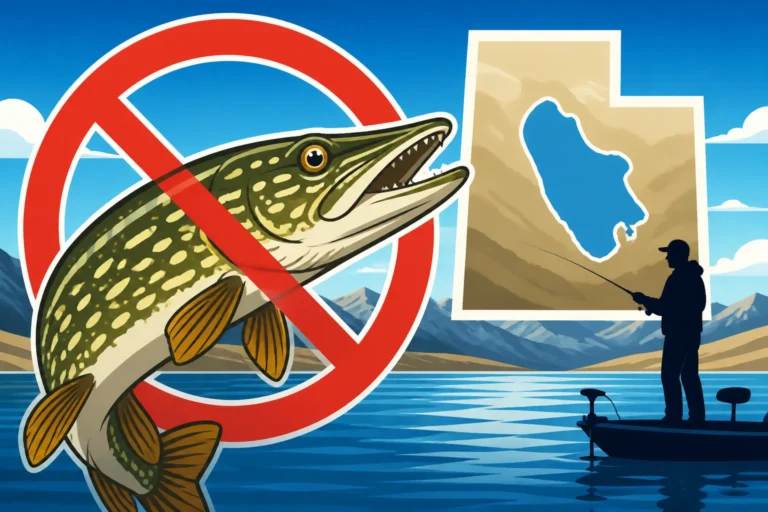
The most prominent example of this is the Northern Pike in Utah Lake. These voracious predators have caused significant harm to the lake's ecosystem, including its endangered native species. Therefore, if you catch a Northern Pike in Utah Lake, you are legally required to kill it immediately and not return it to the water. The DWR emphasizes that these fish should not be transported alive, even if you intend to take them home to eat. Other waters may have similar mandatory harvest rules for species like common carp, particularly in urban ponds, or in limited instances, for other invasive predators. Knowing which fish are considered invasive and where these rules apply is critical. Our guide on Utah Northern Pike Kill Rules at Utah Lake delves into why this rule is so important for that specific fishery. It's a critical part of being a responsible angler in Utah and contributing to the health of its waters. Always confirm the most current list of Utah Fish Species You Must Keep to ensure you're compliant.
Designated Catch-and-Release Only Areas
On the opposite end of the spectrum from mandatory kill orders are the designated "catch-and-release only" waters or sections of rivers. These areas are managed for specific purposes, often to cultivate trophy fisheries, protect particularly vulnerable fish populations, or provide a unique angling experience where the focus is entirely on the sport of fishing rather than harvesting. In these waters, the daily bag and possession limits are effectively zero – you are not permitted to keep any fish, regardless of size or species.
Anglers fishing in catch-and-release areas have a heightened responsibility to practice proper fish handling techniques to ensure the survival of released fish. This includes using barbless hooks, minimizing the time the fish is out of the water, handling fish with wet hands, and releasing them gently. Often, these areas will also have restrictions on bait, requiring artificial flies and lures only, as these tend to cause less damage to fish than natural baits that can be swallowed deeply. These regulations are common in certain sections of Utah's prized rivers, like parts of the Provo River or the Green River below Flaming Gorge Dam, where trout populations are managed for quality and size. Understanding and respecting these zones is crucial for preserving their unique character. Learn more about specific locations in our Utah Catch-and-Release Waters guide.
Ensuring Compliance and Avoiding Costly Mistakes
Navigating Utah's fishing regulations, especially the specifics around daily bag and possession limits, can feel like a lot to keep track of. But with a bit of preparation and the right tools, you can ensure every fishing trip is not only enjoyable but also fully compliant with the law. Avoiding penalties is about being proactive and responsible, not just lucky.
Essential Tools for Accurate Measurement and Counting
One of the easiest ways to get into trouble with fishing limits is by guessing. Guessing a fish's length can lead to keeping an undersized fish, and guessing how many you've caught can lead to exceeding your daily bag. Therefore, having a few simple, yet essential, tools in your tackle box is a must.
First and foremost, a reliable tape measure or ruler is critical. Many fishing regulations involve length restrictions, such as "no fish under 15 inches" or "only one fish over 18 inches." An accurate measurement from the tip of the snout to the tip of the tail (unless specified otherwise) is non-negotiable. Don't rely on estimations against your rod or boot – it's just not accurate enough. You can find durable, waterproof fishing rulers that adhere to your boat or tackle box, or flexible tape measures on platforms like Amazon, making it easy to measure fish quickly and correctly. Some come with bright, contrasting colors to help read measurements clearly even in low light.
Secondly, a simple way to keep count of your catch is invaluable. This could be a small clicker counter, a notepad and pencil, or even a dedicated section in a fishing app on your phone. When the bite is hot, it's easy to lose track, especially when multiple species with different limits are involved. A physical clicker counter is inexpensive and effective. Just make sure it’s waterproof and easy to access when you’re handling a fish. For multi-day trips, keep a running tally of your possession limit as well, noting what you kept each day. Lastly, consider a sturdy stringer or a well-aerated livewell if you plan to keep fish. This allows you to safely hold your catch and ensures you can easily recount them if needed by a DWR officer.
Where to Find the Most Current Utah Fishing Regulations
The single most important resource for any angler in Utah is the official Utah Fishing Guidebook. This comprehensive guide, issued annually by the DWR, contains all the current regulations, including statewide rules, water-specific exceptions, special closures, and details on invasive species. Regulations can change from year to year, and sometimes even mid-season, so relying on old information or hearsay is a recipe for trouble.
You can typically find the Utah Fishing Guidebook in a few key places. It's available for free download as a PDF on the Utah Division of Wildlife Resources website, which is incredibly convenient to access on your phone or tablet while on the go. Many sporting goods stores like Cabela's, Bass Pro Shops, or even local bait shops and DWR offices, will also have physical copies available. Before every fishing trip, especially to a new location or at the start of a new year, take the time to review the sections relevant to your target species and the specific water you'll be fishing. The DWR also maintains an active online presence with news releases and updates, so keeping an eye on their official channels can provide timely information about any regulation changes or emerging issues. This proactive approach, including regularly consulting the Utah Fishing Regulations Explained and knowing Utah Fishing License Guide specifics, will save you a lot of potential headaches.
The Serious Consequences of Violating Fishing Limits
It might seem like a small oversight to keep an extra fish or one that's slightly undersized, but the consequences of violating Utah's fishing limits can be quite severe. DWR conservation officers are trained to enforce these regulations, and ignorance of the law is generally not considered an acceptable excuse. Penalties vary depending on the severity of the violation, the number of fish involved, and whether it's a first offense or a repeat issue.
At a minimum, you could face significant fines. These fines can quickly add up, especially if you're over the limit by multiple fish, or if the fish is a protected species or from a specially managed water. Beyond monetary penalties, common consequences include the confiscation of your fishing equipment (rods, reels, tackle, and even your boat in some serious cases) and the forfeiture of your catch. More seriously, fishing violations can lead to the suspension or revocation of your Utah fishing license, and potentially your hunting license as well. A license suspension means you're prohibited from fishing (and possibly hunting) in Utah for a specified period, which could range from months to several years. In egregious cases, particularly those involving commercial poaching or repeated offenses, individuals could even face jail time.
It's a stark reminder that responsible angling isn't just about fun; it's about respecting the resource and the laws designed to protect it. Always err on the side of caution. If you're ever in doubt about a regulation while on the water, the safest course of action is to release the fish. The DWR would much rather see an angler ask for clarification than face a penalty for a violation. Staying informed and adhering to the rules ensures that Utah's fantastic fishing opportunities remain available for generations to come. For a full breakdown, our article on Utah Fishing License Penalties for Violations outlines the various repercussions you could face.
Disclaimer
Please remember that fishing regulations are subject to change. While this guide provides a comprehensive overview, it is your responsibility as an angler to consult the most current official Utah Fishing Guidebook and any emergency proclamations issued by the Utah Division of Wildlife Resources before each fishing trip. This content is for informational purposes only and should not be considered legal advice.