What Are Utah’s Blue Ribbon Fisheries?
Trying to figure out which Utah fishing spots truly live up to the hype can be a real headache, right? With so many lakes and rivers across our beautiful state, it's tough to know where to invest your precious time for the best angling experience. This guide will cut through the confusion and explain exactly what Utah's Blue Ribbon Fisheries are, why they're so highly regarded, and what you need to know before you cast a line in these incredible waters.
Understanding Utah's Blue Ribbon Fisheries Designation
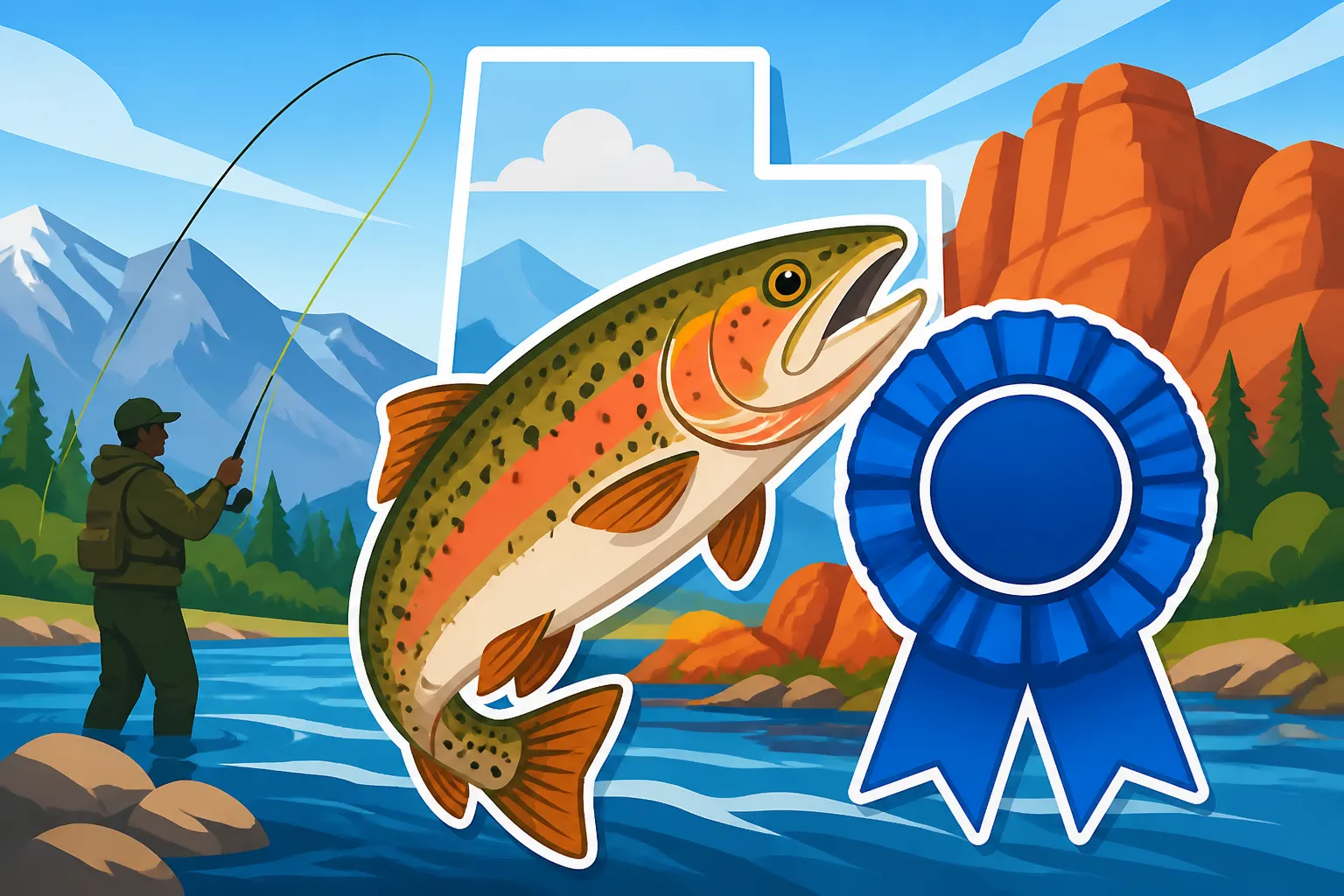
When you hear "Blue Ribbon Fishery" in Utah, it's not just a catchy marketing phrase; it signifies a very specific, high-quality designation by the Utah Division of Wildlife Resources (UDWR). These aren't just any good fishing spots; they're the crème de la crème, hand-picked and actively managed to provide an exceptional experience for anglers. Think of them as the gold standard of fishing opportunities in our state, offering not only abundant fish but also incredible scenery and often a chance at a trophy catch.
This designation came about because the UDWR recognized the need to highlight and protect Utah's most valuable fisheries. They wanted to ensure that future generations of anglers could enjoy the same, or even better, quality of fishing we have today. It's a commitment to conservation, habitat improvement, and smart management practices that distinguish these waters from your average fishing hole. For us anglers, it means a reliable destination where the odds of a memorable day on the water are significantly higher, even if it sometimes comes with more stringent rules. It’s a bit of a trade-off, but one that’s absolutely worth it for the quality of fishing you’ll find.
What Makes a Water "Blue Ribbon"?
So, what exactly puts a particular river or lake into this elite club? It's not a secret handshake or a popularity contest. The UDWR has a set of rigorous criteria that a fishery must meet to earn and maintain its Blue Ribbon status. These criteria are designed to ensure the overall quality and sustainability of the angling experience.
First and foremost, a Blue Ribbon Fishery needs to boast a healthy, robust fish population. This often means a high density of fish, good growth rates, and a diverse age structure, indicating successful reproduction and survival. We're talking about places where you consistently find fish, and often, larger, healthier specimens. Beyond just quantity, quality is key. Many Blue Ribbon waters are known for their potential to produce trophy-sized fish, whether it's a massive brown trout or a hard-fighting lake trout.
Secondly, habitat quality is paramount. This includes clean water, healthy riparian zones along rivers, diverse aquatic vegetation, and good spawning grounds. The UDWR works tirelessly to improve and protect these habitats, understanding that healthy fish need healthy homes. You'll often find these waters surrounded by pristine natural beauty, a testament to the comprehensive environmental approach. Think of the crystal-clear flows of the Green River or the expansive, clean waters of Strawberry Reservoir – it’s all part of the package.
Finally, public access and the overall angling experience play a significant role. These fisheries are meant to be enjoyed, so ensuring that anglers can actually get to them, and have a good time once they're there, is critical. This might include maintained boat ramps, easily accessible shorelines, or well-marked public easements along rivers. It's about more than just catching fish; it's about the entire outdoor experience, from the moment you arrive until you pack up your gear.
The Objectives of the Blue Ribbon Fisheries Program
The Blue Ribbon Fisheries program isn't just about labeling excellent fishing spots; it has clear, overarching objectives aimed at enhancing Utah fishing for everyone. It's a proactive approach to managing our natural resources, ensuring that we don't just maintain the status quo, but actively improve it.
One of the primary goals is conservation and preservation. By identifying these critical waters, the UDWR can dedicate specific resources and management strategies to protect them from environmental threats, overfishing, and habitat degradation. This often means implementing special regulations that might seem strict at first glance, but are absolutely essential for the long-term health of the fish populations. It's about protecting these gems for your grandkids to enjoy someday.
Another key objective is to provide diverse and high-quality angling opportunities. Not every angler is looking for the same experience. Some want to catch and release big trout on a fly, others want to fill a cooler with kokanee salmon, and some are after a trophy walleye. The Blue Ribbon program aims to offer a variety of these experiences across different water types and fish species. This diversity caters to different skill levels and preferences, making Utah a fantastic destination for all types of anglers. If you're wondering How to Catch More Fish in Utah, seeking out these managed waters is often a great start.
Finally, the program aims to boost local economies through fishing tourism. When anglers know where to find top-tier fishing, they travel, stay in local accommodations, buy gas, and purchase gear from local shops. This creates a positive ripple effect for communities surrounding these Blue Ribbon waters, making the program a win-win for both conservation and commerce. It validates the investment of taxpayer dollars and license fees by providing tangible benefits to both the environment and local residents.
Why Blue Ribbon Waters Stand Out for Anglers
Anglers often wonder if the hype around Blue Ribbon Fisheries is truly warranted, and the answer is a resounding yes! These waters offer something genuinely special that sets them apart from the countless other fishing opportunities in Utah. While every fishing trip is an adventure, a visit to a Blue Ribbon water often feels like stepping into a curated experience where everything, from the fish to the scenery, is dialed in for excellence.
One of the most immediate benefits is the sheer quality of the fishing. You're simply more likely to encounter healthy, robust fish, and often the chance at a true "fish of a lifetime." This isn't just about numbers, though catch rates are often excellent; it's about the condition of the fish, their fight, and the overall thrill of the pursuit. These are the places where stories are made and where you feel a deep connection to the sport. The careful management means that the fish populations are sustainable, ensuring that these experiences aren't just one-offs but continue year after year.
Beyond the fish themselves, the pristine environments of Blue Ribbon Fisheries are a major draw. Many of these locations are nestled in stunning natural landscapes, offering breathtaking views, peaceful solitude, and a chance to truly disconnect. Whether it's the towering cliffs along the Green River or the wide-open expanse of Strawberry Reservoir, the scenery alone is often worth the trip. It adds a whole new dimension to your fishing experience, transforming a simple outing into a memorable escape into nature.
Notable Utah Blue Ribbon Fisheries and Their Charms
Utah is blessed with several incredible Blue Ribbon Fisheries, each with its own unique character and target species. While the list can fluctuate slightly based on ongoing assessments and conditions, some spots consistently hold their revered status.
Perhaps the most famous is the Green River below Flaming Gorge Dam. This stretch of river, often referred to as the "tailwater," is renowned worldwide for its incredible trout fishing, especially for brown trout and rainbow trout. It’s a fly angler’s paradise, with consistent insect hatches and crystal-clear water. The Green River Below Flaming Gorge Dam is meticulously managed, often with catch-and-release sections and special fly-fishing-only regulations to protect its delicate ecosystem and ensure trophy fish opportunities.
Another gem is Strawberry Reservoir, a vast, high-elevation lake known for its superb cutthroat trout and kokanee salmon fishing. It's a favorite for both boat anglers and ice anglers, offering diverse techniques and a shot at truly large fish. The UDWR actively manages this reservoir, stocking millions of fish and implementing specific rules, like catch limits for Strawberry Reservoir Trout and Kokanee Limit, to maintain its world-class status. It's a major draw, and you'll find plenty of information to help you plan your visit, including our dedicated Strawberry Reservoir Fishing Guide.
Then there's the Provo River, particularly its Middle and Lower sections, which are celebrated for their brown trout and rainbow trout populations. This river is easily accessible from the Wasatch Front and offers fantastic fly-fishing opportunities year-round, despite urban proximity. Like other Blue Ribbon waters, the Provo River Fishing Guide highlights special regulations, including specific gear restrictions and catch-and-release mandates in certain areas, all aimed at protecting its precious fishery. It truly is a testament to how careful management can create an amazing fishery even close to population centers.
Management Strategies and Conservation Efforts
Maintaining the high standards of a Blue Ribbon Fishery is no small feat; it requires constant effort, scientific management, and dedicated conservation initiatives by the UDWR. It's an ongoing process that adapts to environmental changes and angler demands.
A cornerstone of management often involves specialized stocking programs. While some Blue Ribbon waters are primarily wild fisheries, many benefit from strategic stocking of specific fish species to supplement natural reproduction or introduce desirable genetic traits. For instance, in places like Strawberry Reservoir, significant numbers of cutthroat trout and kokanee salmon are stocked annually. This isn't just random dumping; it's carefully planned based on detailed population surveys and ecological assessments.
Habitat restoration and protection are also critical. The UDWR and its partners regularly engage in projects like streambank stabilization, improving spawning habitat, managing water flows, and controlling invasive species. These efforts directly contribute to the health of the fish and their environment. Sometimes, this means temporary closures or restrictions in certain areas to allow for rehabilitation, which can feel inconvenient but is absolutely vital for long-term health.
Finally, Blue Ribbon Fisheries often come with a unique set of regulations that differ from general statewide rules. These might include reduced bag limits, slot limits (where fish within a certain size range must be released), specific tackle restrictions (like fly-fishing-only sections), or mandatory catch-and-release rules for certain species or areas. These rules are not designed to frustrate anglers; rather, they are scientifically determined to protect vulnerable fish populations, allow them to grow to trophy size, or ensure successful spawning. Understanding these specific rules for each Blue Ribbon water is crucial, and you can always refer to the comprehensive Utah Fishing Regulations Explained for general rules, then drill down into the specifics for your chosen destination. Anglers can usually find updated regulations on the UDWR website or through helpful apps.
Planning Your Trip to a Blue Ribbon Fishery
Venturing out to one of Utah's Blue Ribbon Fisheries can be an incredibly rewarding experience, but a little preparation goes a long way. These aren't just ordinary fishing spots, and understanding what to expect and what to bring can significantly enhance your enjoyment and success. There’s nothing worse than arriving at a world-class destination only to realize you’re missing a key piece of gear or, worse, violating a specific regulation.
Before you even leave home, a quick check of the current conditions is smart. Water levels, temperatures, and recent fishing reports can dramatically influence your strategy. Many anglers rely on online forums, social media groups, or direct calls to local fly shops to get the most up-to-date information. If you're heading to a high-elevation lake like those found in the Uinta Mountains, for instance, knowing about recent weather or snowmelt can be crucial.
Next, double-check those regulations! As we've discussed, Blue Ribbon waters often have specific rules that go beyond the general Utah Fishing Season Dates and Limits. This could mean specific restrictions on bait, single barbless hooks, or mandatory catch-and-release. Having the right knowledge prevents fines and ensures you're helping to conserve these special places. Don't assume; verify. Even something as simple as whether live bait is allowed or if there's a slot limit for certain trout species can make or break your day.
Essential Gear and Techniques
When fishing a Blue Ribbon Fishery, your gear choices can really make a difference. While you don't need to break the bank, having quality equipment suited to the environment will improve your odds and comfort.
For trout rivers like the Green or Provo, a good quality fly rod (often a 4-weight or 5-weight) is standard. Make sure your leader and tippet are appropriate for the sometimes wary fish in clear water. If spin fishing is allowed, light to ultralight spinning gear with thin, sensitive line is usually best. Don't forget a pair of polarized sunglasses – they're invaluable for spotting fish and reading the water. You can find excellent options for specialized gear, from quality fishing lines to durable wading boots, online on platforms like Amazon if your local tackle shop doesn't have exactly what you need.
For reservoir fishing, especially for larger species like lake trout or kokanee salmon at places like Flaming Gorge or Strawberry Reservoir, heavier spinning or baitcasting gear might be necessary, especially if you're trolling or jigging deep. A reliable fish finder can be a game-changer in these expansive waters. Always bring a landing net large enough for the potential trophy you might hook, and make sure it’s a rubberized, knotless net to minimize harm to fish if you're planning on releasing them. A good pair of waders and wading boots are indispensable for river fishing, allowing you to access prime spots safely and stay warm.
Respecting the Resource and Other Anglers
Part of what makes Blue Ribbon Fisheries so special is the collective commitment of anglers to protect them. This means practicing ethical angling and showing respect for both the environment and your fellow fishermen. These waters are popular for a reason, and you'll often encounter many other people enjoying them, especially on weekends.
Always practice catch-and-release responsibly, especially in designated catch-and-release waters like many sections of the Provo River. Minimize handling of fish, keep them in the water as much as possible, and use barbless hooks to reduce injury. If you plan to keep fish where allowed, know the Utah Trout Limits by Water and adhere strictly to them. Overharvesting can quickly degrade a fishery’s quality.
Beyond the fish, leave no trace. Pack out everything you pack in, and perhaps even a little extra litter you find. Avoid trampling riparian vegetation, stay on designated paths, and be mindful of your casting space if other anglers are nearby. It’s also good practice to give other anglers ample space. If someone is fishing a stretch of river, don’t crowd them; move a reasonable distance away or find another spot. A little courtesy goes a long way in ensuring everyone has a pleasant and productive day. The future quality of these incredible fisheries depends on all of us doing our part.
Conclusion: Embracing Utah's Blue Ribbon Legacy
Utah's Blue Ribbon Fisheries truly represent the pinnacle of angling opportunities in our state. They are carefully managed, richly stocked, and provide an unparalleled experience for those willing to learn their unique characteristics and respect their specific regulations. From the world-famous Green River tailwater to the trophy waters of Strawberry Reservoir, these spots offer diverse challenges and the thrilling potential for a truly memorable catch amidst some of Utah's most stunning landscapes.
By understanding what makes a Blue Ribbon Fishery, appreciating the diligent conservation efforts, and approaching these waters with the right gear and a respectful attitude, you're not just fishing; you're participating in a legacy. So, grab your gear, consult the latest conditions, and head out to discover the magic of Utah's Blue Ribbon Fisheries. You might just find your new favorite fishing spot.
Disclaimer
The information provided in this guide is for general informational purposes only and is not intended as legal advice. Fishing regulations in Utah can change, and it is the angler's responsibility to consult the most current Utah Fishing Guidebook published by the Utah Division of Wildlife Resources (UDWR) before fishing. Always verify regulations, seasons, and limits for your specific fishing location.