Utah Catch-and-Release Waters
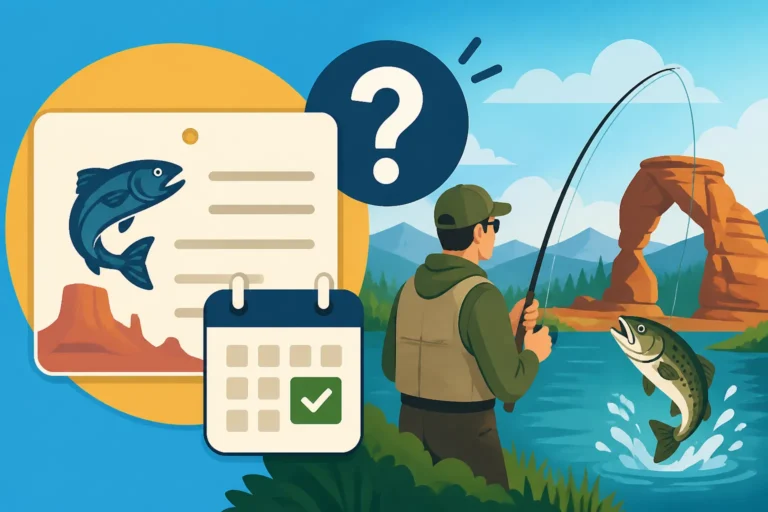
There's nothing quite as frustrating as landing a beautiful fish in Utah, only to realize you're not entirely sure if you're allowed to keep it, or if you're on a special "catch-and-release" stretch of water. It's a common dilemma, and the rules can feel like a tangled fishing line sometimes. This guide is here to untangle all that confusion, helping you understand Utah's specific catch-and-release waters, why they exist, and how to fish them ethically and successfully.
Understanding Catch-and-Release Fishing in Utah
When you hear "catch-and-release," it might sound straightforward – you catch a fish, you let it go. But in Utah, especially on designated waters, it's a practice that's deeply rooted in conservation and managed with specific regulations designed to protect our precious fisheries. It's more than just a personal choice; it's often a legal requirement that carries significant weight for the health of our aquatic ecosystems.
What "Catch-and-Release" Truly Means
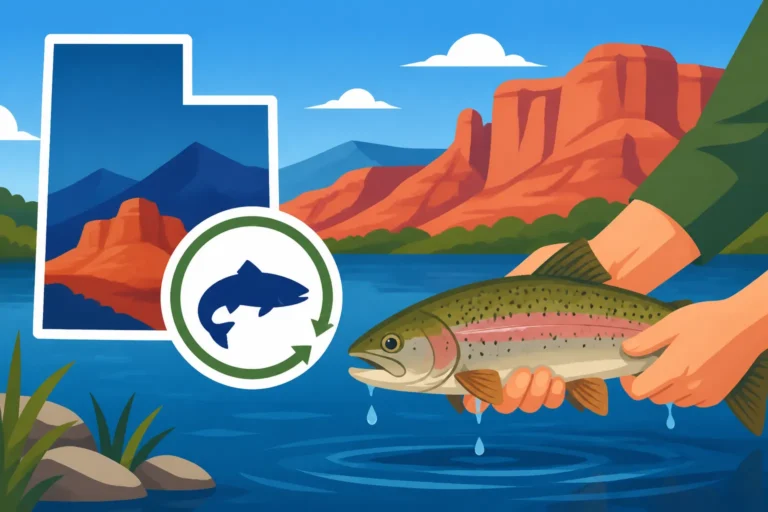
At its core, catch-and-release fishing means voluntarily or mandatorily returning a caught fish to the water unharmed, allowing it to survive and potentially be caught again, or to contribute to the natural reproduction cycle. However, Utah's interpretation goes a step further, often involving specific gear requirements and handling practices. For instance, on many of these waters, you'll be required to use single, barbless hooks. This isn't just a suggestion; it's a rule designed to minimize tissue damage, reduce the time a fish spends out of water, and increase its chances of survival once released.
This practice is critical for maintaining healthy fish populations, especially for species that are slow-growing, highly prized, or sensitive to environmental changes. It ensures that anglers can enjoy the thrill of the catch without depleting the resource, creating a sustainable fishing future for everyone. It's about respecting the fish and the regulations put in place by the Utah Division of Wildlife Resources (UDWR) to ensure these opportunities continue for generations.
Why Utah Has Catch-and-Release Regulations
Utah implements catch-and-release regulations for a variety of compelling reasons, all centered around the conservation and enhancement of its diverse fisheries. One primary goal is to foster and protect trophy fish populations. By requiring anglers to release larger, mature fish, these individuals can continue to grow, produce offspring, and provide exceptional angling experiences. Imagine consistently catching sizable brown trout on the Provo River – that wouldn't be possible without stringent catch-and-release rules protecting those lunkers. This strategy has proven incredibly effective in creating those "Blue Ribbon" fisheries that Utah is famous for, where the quality of fishing is top-notch.
Another crucial aspect is the protection of sensitive species and their habitats. Some fish, like the native Bonneville Cutthroat Trout, are particularly vulnerable due to historical overfishing or habitat degradation. Catch-and-release rules in certain areas help these populations recover and thrive. Furthermore, it plays a vital role in managing fish populations in specific waters where natural reproduction might be limited, or where stocking efforts are focused on creating a sustained fishery rather than a harvest-oriented one. These regulations are a cornerstone of the UDWR's efforts, outlined in documents like the broader Utah Fishing Regulations Explained, to balance recreational opportunity with ecological responsibility.
Identifying Designated Catch-and-Release Waters
It can be a real headache trying to figure out which stretches of river or particular lakes are strictly catch-and-release. You don't want to accidentally keep a fish where it's not allowed, leading to fines or, worse, harming a vital fishery. The key is knowing where to look for the most up-to-date and reliable information before you even tie on your first fly or lure.
How to Find Official Listings
The absolute best resource for identifying Utah's catch-and-release waters is the official Utah Fishing Guidebook, published annually by the Utah Division of Wildlife Resources (UDWR). This comprehensive guide details all state fishing regulations, including specific rules for individual bodies of water. You can usually pick up a physical copy at any local sporting goods store, DWR office, or even download a digital version from their website. It's always a good idea to check the most current edition, as regulations can change from year to year.
Beyond the annual guidebook, the UDWR website is a treasure trove of information. They often have interactive maps and updated reports that can highlight specific sections of rivers or particular lakes that fall under special regulations, including catch-and-release zones. Local sporting goods stores, bait shops, and even fishing guides in a particular area are also excellent resources. They often have firsthand knowledge of current conditions and any recent changes that might not yet be widely publicized. For example, if you're heading to the Provo River, stopping by a fly shop in Orem or Heber City can provide invaluable, real-time insights into the specific sections where you'll encounter Provo River Fly Fishing Sections.
Common Characteristics of C&R Waters
Utah's designated catch-and-release waters often share common characteristics that make them ideal candidates for these special regulations. Many are classified as "Blue Ribbon Fisheries," a designation awarded to waters that offer exceptional fishing opportunities for specific species, often large and healthy trout. These are the places where the UDWR actively manages for quality over quantity when it comes to harvest, aiming to create memorable angling experiences. Think of rivers like the Green River below Flaming Gorge Dam, or specific sections of the Provo River – these are prime examples.
Beyond the Blue Ribbon status, you'll frequently find that catch-and-release rules apply to waters that are especially sensitive, home to native or endangered species, or those where significant efforts are being made to restore populations. For instance, specific stretches might have " Utah Fly-Fishing-Only Water Rules" in addition to catch-and-release, further limiting impact on the fish. You'll also notice that many of these areas are frequently stocked with trout to maintain healthy numbers, but the intent behind the stocking isn't always for harvest; it's often to provide abundant fish for anglers to target under C&R rules, promoting an enjoyable experience while preserving the larger, wilder specimens.
Essential Gear and Techniques for Successful Catch-and-Release
Practicing ethical catch-and-release isn't just about following the rules; it's about giving every fish you catch the best possible chance of survival. This means being prepared with the right tools and employing gentle techniques from the moment the fish bites until it swims away. It's a commitment that enhances the experience for both the angler and the fish.
Minimizing Harm: Barbless Hooks, Proper Handling Tools
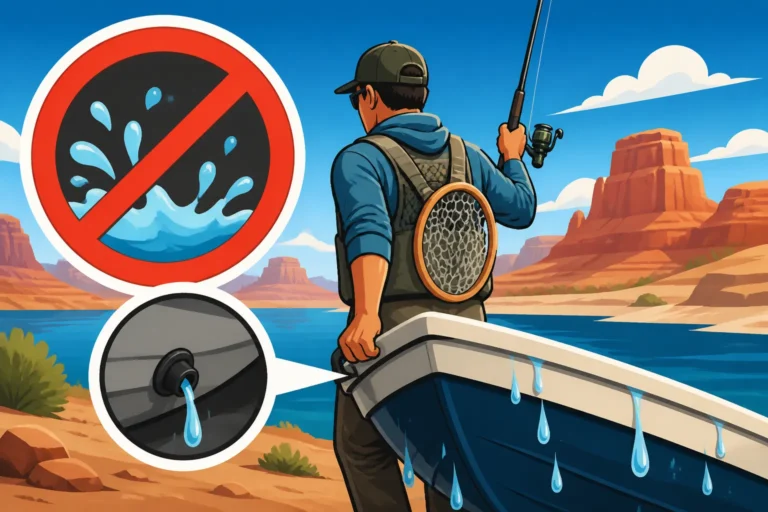
When fishing in designated catch-and-release waters, minimizing harm to the fish is paramount. The single most impactful change you can make is to use barbless hooks. In many of Utah's C&R areas, they are legally mandated. A barbless hook slides out much easier and quicker than a barbed one, causing less trauma to the fish's mouth. If your hooks aren't barbless, it's easy to crimp down the barb with a pair of pliers – a quick modification that makes a huge difference. You can find a variety of Best Fishing Rods for Utah Anglers and tackle that come pre-rigged with barbless hooks, or simply grab a pair of forceps and crimp them yourself.
Beyond hooks, having the right handling tools is crucial. A good quality, rubberized landing net is indispensable. Unlike traditional knotted nets that can strip a fish of its protective slime coat and damage fins, rubberized nets are gentle. They cradle the fish, making it easier to control, unhook, and release without unnecessary stress. You can find excellent options for Best Landing Nets for Utah Trout on platforms like Amazon, ensuring you're ready for any size of trout you might encounter. Additionally, a pair of long-nosed pliers or hemostats is vital for quickly and safely removing hooks, especially if the fish has swallowed the bait or lure slightly deeper. Avoid bare-handing fish excessively, as human hands can also remove protective slime, leaving fish vulnerable to disease.
Best Practices for Release: Quick Retrieval, Revival, and Proper Fish Handling
Once you've hooked a fish in a catch-and-release water, the clock starts ticking. The goal is a quick retrieval and release to minimize stress and exhaustion. Fight the fish efficiently but without "horsing" it in; apply steady pressure, but allow the fish to make runs when necessary. Prolonged fights, especially with larger fish or in warmer water, can lead to lactic acid buildup and exhaustion, significantly reducing the fish's survival chances. Bring the fish to the net as swiftly as possible once it's subdued.
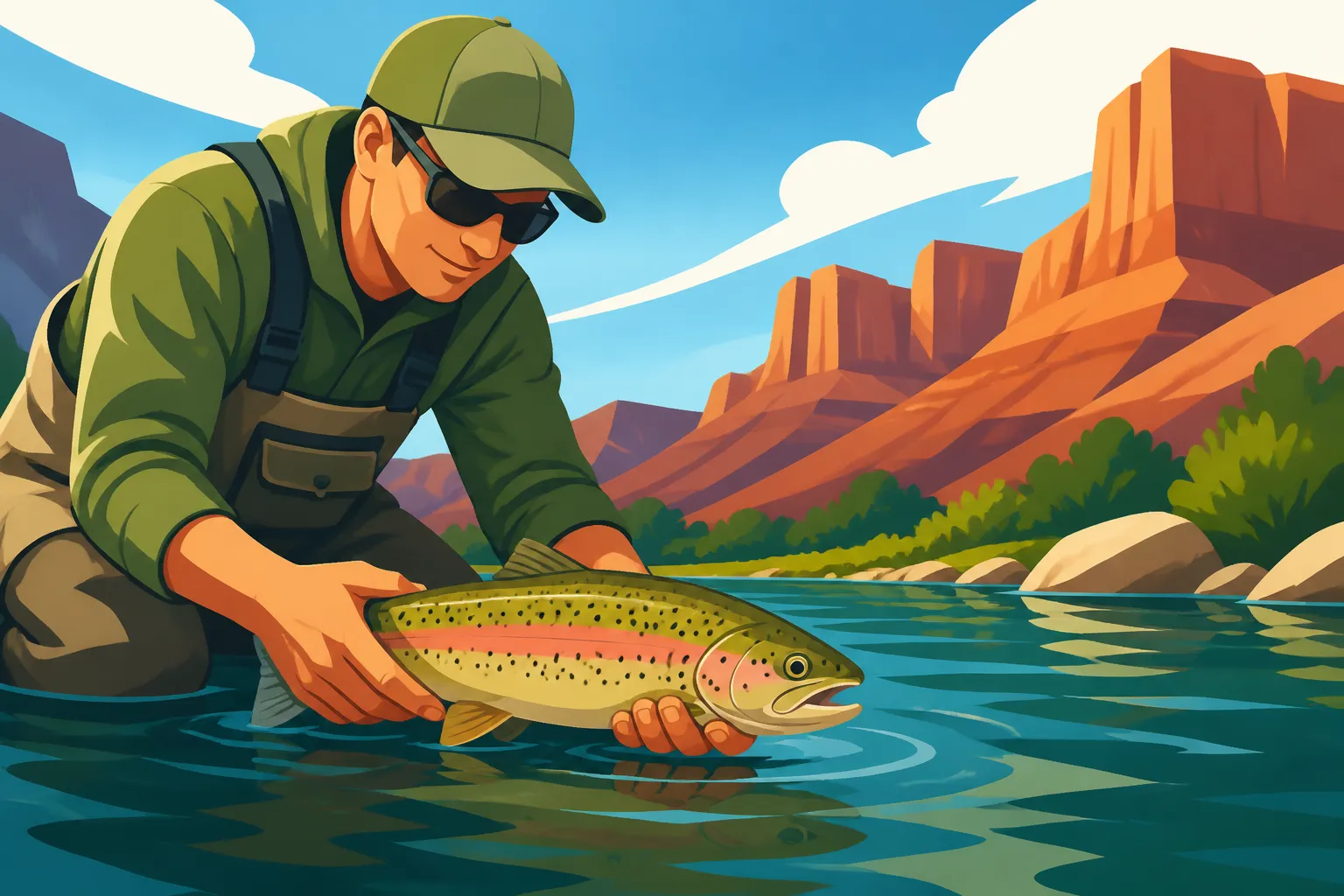
When the fish is in your net, keep it in the water as much as possible. If you must remove it for a quick photo, do so quickly and support its entire body horizontally. Never hold a fish vertically by its jaw or tail, as this can damage internal organs and its spine. Gently remove the hook with your pliers or forceps. If the hook is deeply swallowed, it's often better to cut the line as close to the hook as possible rather than tearing at the fish to retrieve it. For revival, hold the fish gently in the water, facing upstream into the current (if in a river) or moving it gently back and forth to force water over its gills. Wait until it can swim away under its own power. Don't just toss it back; ensure it's strong enough to orient itself and disappear into the depths. This process aligns perfectly with the goal of " How to Release a Fish Without Hurting It in Utah".
Key Catch-and-Release Waters Across Utah
Utah is a treasure trove of fishing opportunities, and many of its most pristine and productive waters are managed under catch-and-release regulations. These areas are not just places to fish; they are destinations where conservation efforts truly shine, offering anglers a chance to connect with robust fish populations in stunning natural settings. Knowing where these waters are, and what makes them special, is key to planning your next adventure.
Northern Utah Examples
Northern Utah boasts some of the state's most iconic catch-and-release fisheries, primarily known for their exceptional trout populations. The Provo River, particularly the "Middle Provo" section between Jordanelle and Deer Creek reservoirs, is a legendary fly-fishing destination. This stretch is heavily regulated with mandatory catch-and-release for all trout, often requiring artificial flies and lures with single, barbless hooks. It's a place where you can consistently hook into large brown trout and feisty rainbows, a testament to the effectiveness of these rules. Anglers travel from all over to experience the challenge and reward of fishing here, often spending time perfecting their casts and choosing the Best Flies for Utah Trout Streams.
Another prime example is certain sections of the Weber River. While not entirely catch-and-release throughout its length, specific stretches, particularly those designated as Blue Ribbon, will have strict C&R rules, especially for cutthroat and brown trout. These areas often run through picturesque canyons, offering stunning scenery alongside challenging fishing. Similarly, some of the smaller, high-elevation streams and tributaries in the Uinta-Wasatch-Cache National Forest, especially those that feed larger reservoirs, might have C&R rules in place to protect native cutthroat populations or to maintain an optimal breeding stock. Always consult the current Utah Fishing Guidebook before venturing out.
Southern Utah Examples
As you move south in Utah, the landscape changes dramatically, but the commitment to quality fishing through catch-and-release remains just as strong. The Fremont River, particularly sections within Capitol Reef National Park and downstream, is a fantastic example of a Southern Utah catch-and-release fishery. Here, anglers target brown trout and occasional splake in a desert canyon setting, often under specific artificial lure and fly regulations. The fish grow large in these fertile waters, and the C&R rules ensure that these trophy-sized specimens remain for future generations to enjoy. It's a unique experience, contrasting the red rock scenery with crystal-clear trout streams.
Further south and east, the Boulder Mountain area is renowned for its numerous high-elevation lakes and streams. While many of these waters have traditional harvest limits, several specific lakes and designated stream sections are managed as catch-and-release, often for native cutthroat trout or to produce trophy brook trout. These pristine, often remote waters require a bit more effort to access, but the reward is exceptional fishing in truly wild settings. For those who love the challenge of backcountry angling and the thrill of catching pristine trout, these high-mountain C&R lakes offer an unforgettable experience.
High Uintas and Other Notable Spots
The High Uintas Wilderness is perhaps Utah's most iconic high-country destination, boasting hundreds of lakes and streams, many of which are managed with special regulations, including specific catch-and-release rules for certain species or entire bodies of water. These high-alpine jewels are home to native cutthroat trout, brook trout, and occasionally golden trout, thriving in an untouched environment. While many Uinta lakes allow for a reasonable harvest, always double-check the current guidebook for individual lake regulations, as some are designated solely for C&R to protect rare genetics or grow trophy fish. The journey to these lakes is often an adventure in itself, making the ethical practice of catch-and-release even more meaningful.
Beyond these well-known areas, numerous smaller, often overlooked waters across the state feature catch-and-release sections. These can include urban community ponds with specific C&R periods after stocking, or stretches of lesser-known rivers and creeks managed for ecological reasons. For example, some stretches of the Green River below Flaming Gorge Dam are world-renowned for their incredible trout populations and are managed with strict C&R rules for their native fish. Always consult the detailed " Utah Catch-and-Release-Only Waters List" in the official Utah Fishing Guidebook or online DWR resources before you head out, as regulations are dynamic and specific to each water body.
Navigating Exceptions and Special Regulations
Just when you think you've got the hang of Utah's fishing rules, you discover that catch-and-release isn't always a blanket statement. There are often nuances, exceptions, and additional special regulations layered on top of the basic C&R mandate. Understanding these specifics is critical to being a responsible angler and avoiding unintentional violations.
Seasonal Closures and Spawning Restrictions
One of the most common exceptions to year-round catch-and-release opportunities involves seasonal closures and spawning restrictions. Many of Utah's prized trout species, particularly brown trout and cutthroat, have specific spawning seasons. During these critical periods, certain stretches of rivers or lake inlets may be completely closed to fishing, or subjected to even stricter catch-and-release rules to protect the spawning fish and their eggs. For instance, specific tributaries feeding into Strawberry Reservoir might have closures during the fall to protect kokanee salmon during their run. These closures are vital for the long-term health of the fishery and are strictly enforced.
The rationale behind these closures is clear: to ensure that fish can successfully reproduce without angler interference. Disturbing spawning fish can reduce reproductive success, and trampling on redds (fish nests) can destroy thousands of eggs. Always check the " Utah Fishing Season Dates and Limits" in the current DWR guidebook. It will clearly indicate any seasonal closures or special restrictions for particular waters, ensuring you don't inadvertently disrupt a vital natural process. Sometimes, it's not just a closure but a change in tackle regulations, such as moving to artificial lures only, to further reduce impact during sensitive times.
Specific Species Rules
While many catch-and-release waters focus on trout, not all species are treated equally, even within a C&R designation. In some instances, a water might be catch-and-release for one species while allowing harvest for another. For example, a reservoir might be C&R for large brown trout but allow for a generous limit on yellow perch or specific warm-water species deemed overpopulated or invasive. This nuanced approach allows the UDWR to manage multiple species within the same ecosystem effectively.
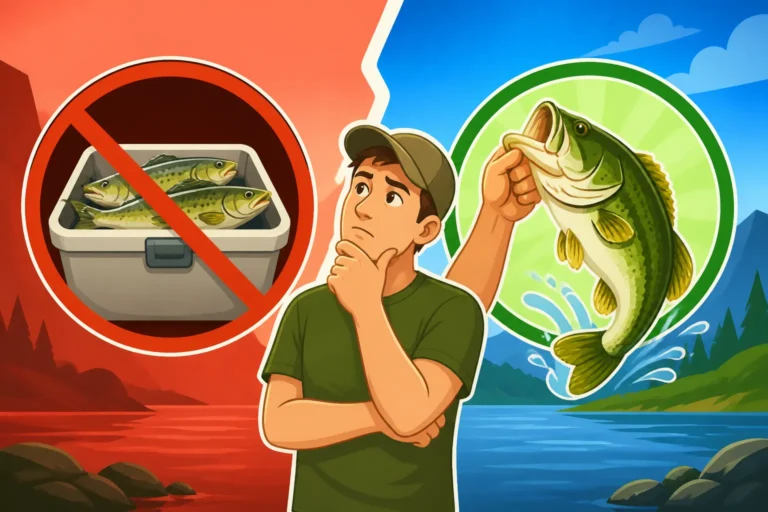
Conversely, there are also scenarios where anglers are mandated to harvest certain species, even on waters generally known for catch-and-release. The most prominent example is the "mandatory harvest" rule for Northern Pike at Utah Lake, where you are legally required to kill every Northern Pike you catch and not return it to the water. This is an effort to control invasive species that threaten native fish populations. So, while you might be practicing catch-and-release for trout in one area, you need to be aware that if you hook into an invasive species, the rules can flip entirely. Always be aware of " What Does Mandatory Harvest Mean on a Utah Fishing Water?" and other species-specific regulations.
The Angler's Role in Conservation and Enforcement
Being an angler in Utah is about more than just casting a line; it’s about being a steward of our natural resources. When it comes to catch-and-release waters, your actions have a direct and tangible impact on the health and longevity of these special fisheries. It's a privilege to fish these pristine areas, and with that privilege comes a responsibility to uphold the regulations and contribute to conservation efforts.
Reporting Violations and Spreading Awareness
Unfortunately, not every angler adheres to the rules. Seeing someone illegally keeping fish from a designated catch-and-release water, or using prohibited tackle, can be disheartening. However, your role as a responsible angler extends to being a vigilant observer and, when necessary, reporting violations. The Utah Division of Wildlife Resources relies on the public's help to enforce regulations and protect fish populations. If you witness a violation, you can discreetly contact the DWR's poaching hotline (1-800-662-DEER) or use their online reporting system. It’s important to gather as much information as possible without confronting the individual, such as location, time, vehicle description, and a clear description of the violation.
Beyond reporting, spreading awareness through education is incredibly powerful. Share your knowledge of catch-and-release best practices with fellow anglers, especially those new to the sport. Explain why these rules are in place – the conservation benefits, the goal of sustaining trophy fisheries, and the importance of native species. Sometimes, a gentle conversation about responsible angling and the long-term impact of our actions can be far more effective than immediate confrontation. Showing how to properly hold a fish for release, or demonstrating the ease of crimping a barb, can turn a novice into a conservation-minded angler. This community approach helps ensure that all anglers can enjoy the incredible fishing opportunities outlined in the comprehensive Utah Fishing License Guide.
The Long-Term Impact of Ethical C&R
The collective effort of ethical catch-and-release fishing has a profound and lasting impact on Utah's fisheries. When practiced consistently and correctly, it directly contributes to healthier, more robust fish populations. Imagine a trophy trout stream where the largest fish are continually released; they grow larger, reproduce more successfully, and pass on their strong genetics, creating an even better fishery for future generations. This isn't just theory; it's evident in the incredible quality of fishing found in many of Utah's most famous C&R waters. The abundance of sizable fish in places like the Green River and the Middle Provo is a direct result of these conservation practices.
Furthermore, ethical catch-and-release fishing helps maintain the ecological balance of these aquatic environments. By reducing harvest pressure on specific species, it allows them to fulfill their natural roles within the ecosystem. This holistic approach supports not just the fish, but the entire web of life dependent on healthy aquatic habitats. Every time you carefully release a fish, you're not just saving that one individual; you're investing in the future of Utah fishing. It ensures that the " Best Places to Fish in Utah" remain vibrant and productive, offering sustainable recreational opportunities for everyone who cherishes our wild places. It's a practice that embodies respect for the fish, the environment, and the angling community as a whole.
Understanding Utah's Catch-and-Release Water Regulations
To help you navigate the nuances of Utah's catch-and-release regulations, here's a quick overview of common scenarios and what they typically entail. Remember, always consult the most current Utah Fishing Guidebook for specific water body rules, as these can change annually.
| Regulation Type | Description | Common Application | Required Gear (Typical) |
|---|---|---|---|
| Mandatory Catch & Release | All fish caught in designated waters must be immediately and carefully released. | Blue Ribbon trout streams (e.g., Middle Provo River), sensitive native fish habitats. | Artificial flies/lures, single barbless hooks, rubberized landing net, forceps/pliers. |
| Species-Specific C&R | Catch-and-release applies only to certain species within a water body, while others may have harvest limits. | Reservoirs with trophy trout but also abundant panfish (e.g., C&R for large trout, harvest for perch). | Varies by target species; barbless hooks often required if targeting C&R species. |
| Seasonal C&R/Closures | Catch-and-release rules apply during specific times of the year (e.g., spawning seasons), or the water may be entirely closed to fishing. | Trout spawning grounds (e.g., river sections, lake inlets), kokanee salmon runs. | Check guidebook carefully; often artificial lures only during C&R periods; closures mean no fishing at all. |
| Mandatory Harvest (Anti-C&R) | Anglers are required to kill and not release certain invasive fish species caught. | Waters with Northern Pike (e.g., Utah Lake), certain carp populations. | No special gear required beyond what you'd use to catch the fish; focus is on humane dispatch. |
| Artificial Lure/Fly Only | Only artificial lures or flies are permitted; bait is prohibited. Often coincides with C&R rules to reduce deep hooking. | Most Blue Ribbon trout streams, some high-mountain lakes. | Flies, spinners, spoons, jigs; single barbless hooks for C&R sections. |
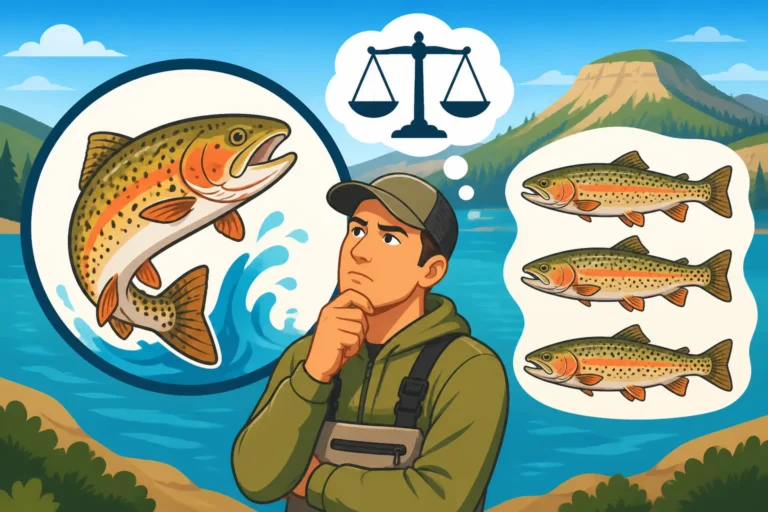
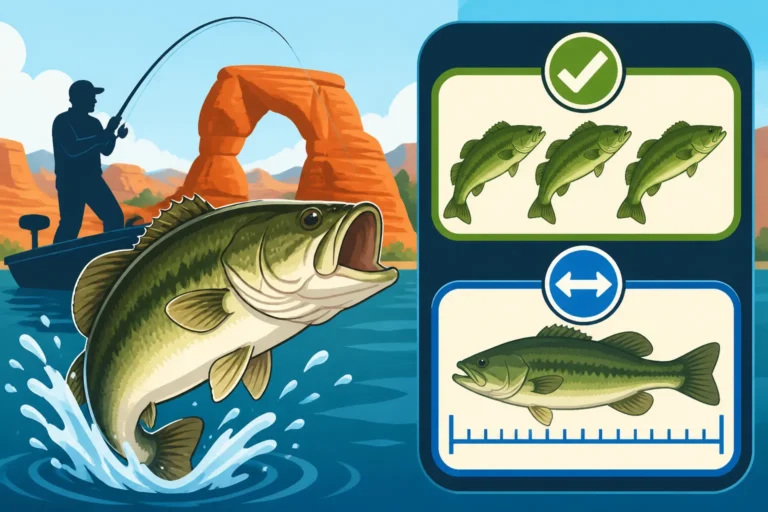
| Minimum/Maximum Size Limits | Fish within a certain size range must be released, protecting juveniles or large breeding adults. | Trophy trout waters, bass fisheries. | Measuring device (ruler/tape); careful handling to measure and release. |
Disclaimer
The information provided in this guide is intended for general informational purposes only and is subject to change. Fishing regulations in Utah are complex and can vary significantly by water body, species, and season. Always consult the official Utah Fishing Guidebook published by the Utah Division of Wildlife Resources (DWR) or their official website before embarking on any fishing trip. Adherence to all current state and local regulations is the responsibility of the angler.