Best Sunglasses for Sight Fishing in Utah
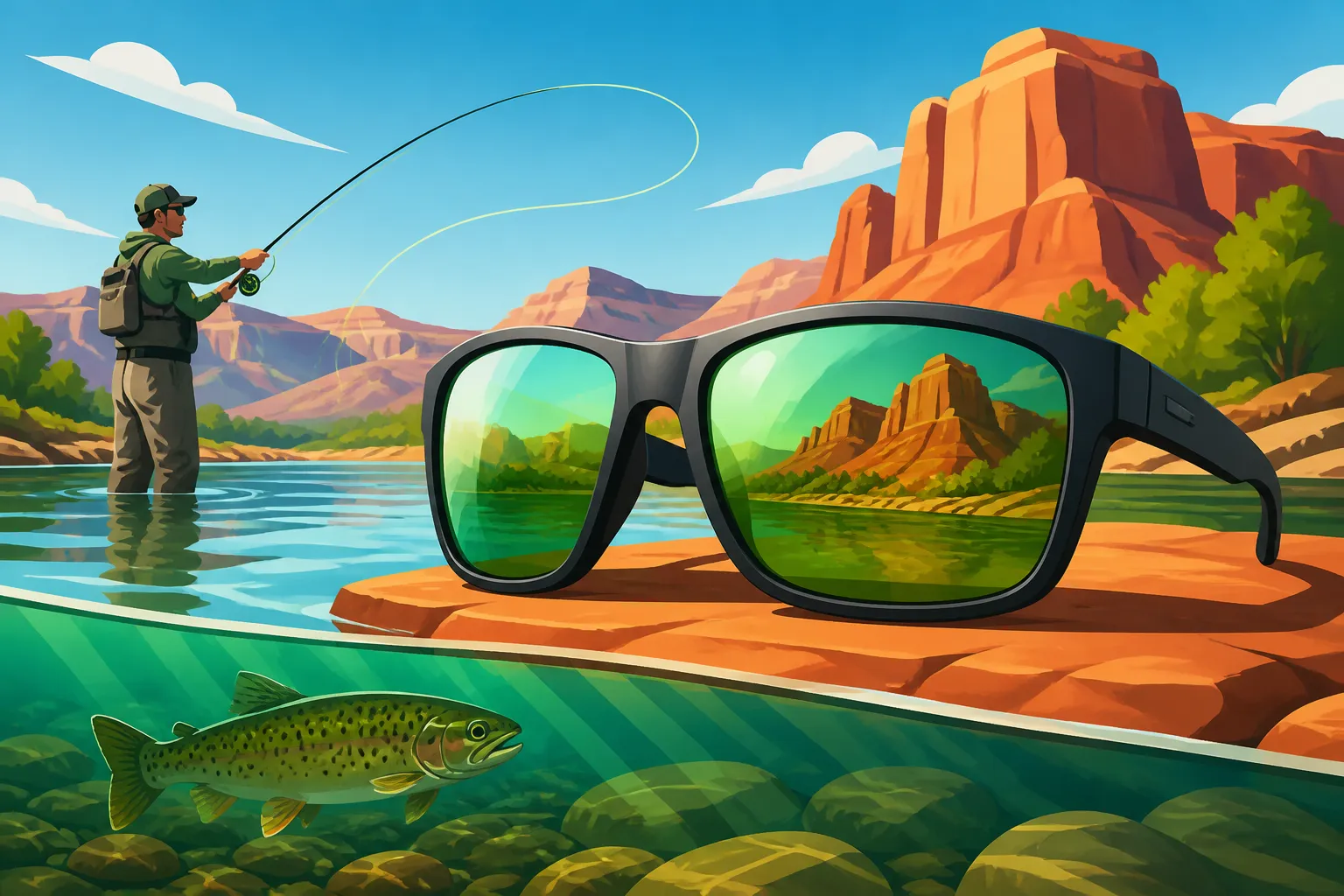
Oh boy, has this ever happened to you? You're out on a stunning Utah lake or river, the fish are rising, or you know they're holding in that perfect seam, but the sun is just beating down, creating such a harsh glare that you can't see a thing beneath the surface. It's incredibly frustrating when you're trying to spot cruising trout or identify underwater structure. This guide is all about helping you cut through that watery reflection, protecting your eyes, and ultimately choosing the best sunglasses for successful sight fishing in Utah's incredibly diverse and often challenging waters.
Why Sunglasses are Critical for Sight Fishing in Utah
There’s a common misconception that sunglasses are just for protecting your eyes from the sun, or perhaps for looking stylish on the water. While those are certainly benefits, for an angler, especially one focused on sight fishing, they are an absolutely essential piece of equipment. Think of them as a critical tool, as important as your rod or reel, designed to give you a genuine advantage.
The Frustration of Glare on Utah's Waters
We've all been there. You arrive at Strawberry Reservoir or a quiet section of the Provo River, excited for a day of fishing. The sun is up, casting brilliant reflections off the water's surface. You squint, you cup your hands around your eyes, you try every angle, but all you see is a shimmering, impenetrable wall of light. It's not just annoying; it actively hinders your ability to fish effectively. Without the right lenses, distinguishing a fish from a submerged rock, or even seeing your fly drift, becomes nearly impossible. This isn't just a minor inconvenience; it can be the difference between a memorable day of multiple hook-ups and a frustrating shutout where you feel like you're fishing blind. The intense glare, particularly off large, open waters like Lake Powell or Flaming Gorge, can be relentless, turning what should be a peaceful experience into a constant battle with your vision.
The Strategic Advantage of Clear Vision
When you can actually see into the water, your entire approach to fishing changes. Suddenly, you're not just casting blindly; you're actively hunting. You can spot the subtle flash of a feeding trout against a dark bottom, observe how fish react to your presentation, and even identify the types of underwater structure they're holding near. This visual advantage is especially potent in clear, shallow streams, high mountain lakes like those in the Uintas, or over light-colored bottoms where fish are easily camouflaged. Being able to see the fish allows you to adjust your cast, retrieve, and even your fly or lure choice in real-time, greatly increasing your chances of success. It's like turning on a superpower, giving you an edge that conventional anglers often miss out on. For anyone serious about improving their catch rate, especially when fish are finicky or spooky, clear vision is paramount.
Safety First: Protecting Your Eyes
Beyond the angling advantage, good sunglasses are vital for your long-term eye health. Utah sees a lot of sunshine, and prolonged exposure to UV rays reflected off water can lead to serious issues like cataracts and photokeratitis (a painful sunburn of the cornea). Moreover, fishing involves sharp hooks, errant casts, and sometimes fast-flying lures. A sturdy pair of sunglasses acts as a physical barrier, protecting your eyes from accidental impacts. Imagine the horror of a treble hook swinging back at you or a heavy jig snapping off a line. The protective qualities of a good pair of fishing sunglasses are just as important as the visual clarity they provide. Think of it as a form of personal protective equipment, just like wearing a life jacket on a boat or a hat for sun protection. Neglecting this aspect can lead to discomfort in the short term and potentially severe eye damage over years of exposure.
Understanding Lens Technology: Polarization and Beyond
Choosing the best sunglasses isn't just about picking a cool frame; it's overwhelmingly about the lenses. The technology packed into those tiny pieces of tinted material makes all the difference in how effectively you can see fish and how comfortable your eyes feel after a long day under the Utah sun.
The Magic of Polarization for Anglers
Polarization is the single most important feature for any fishing sunglass. It’s not just a fancy marketing term; it’s a game-changer. Sunlight reflects off horizontal surfaces – like water, snow, or a wet road – in a specific way, creating intense, blinding glare. Polarized lenses have a special filter that blocks this horizontal light, while still allowing vertical light (the light that helps you see color and depth) to pass through.
What does this mean for you on the water? It means that shimmering wall of light that previously obscured your view into the water is dramatically reduced, almost as if someone pulled a curtain back. You can suddenly see submerged logs, rock formations, and, most importantly, fish. Without polarization, you're merely tinting the glare, not eliminating it. For stalking trout in the Green River or peering into the depths for smallmouth bass at Flaming Gorge, polarized lenses are non-negotiable. They reduce eye strain, improve contrast, and reveal a whole new world beneath the surface that was previously invisible. This technology is so effective that once you've fished with polarized sunglasses, you'll wonder how you ever managed without them. Many anglers find high-quality polarized lenses at retailers like Bass Pro Shops, which often have a wide selection tailored specifically for fishing.
Material Matters: Polycarbonate vs. Glass
When it comes to lens materials, you generally have two main choices: polycarbonate and glass. Each has its pros and cons, and the "best" choice often depends on your priorities and budget.
Polycarbonate lenses are lightweight and incredibly impact-resistant, making them an excellent choice for active anglers who might be hiking to high Uinta lakes or who are just generally rough on their gear. They’re less likely to shatter if dropped or hit by a fly, offering a significant safety advantage. However, they can be more prone to scratching than glass, which means careful handling and cleaning are essential. Many popular fishing sunglasses feature polycarbonate lenses due to their balance of safety and comfort.
Glass lenses, on the other hand, offer superior optical clarity and are highly scratch-resistant. For those who demand the absolute crispest, clearest vision, especially when trying to spot subtle movements in the water, glass is often preferred. The downside is that they are heavier and more prone to breaking or chipping if dropped. If you're particularly careful with your gear and prioritize pristine vision above all else, glass might be worth the investment. It’s a trade-off between ultimate clarity/durability against scratches and impact resistance/weight.
Coatings and Treatments: Enhancing Performance
Beyond the base material and polarization, modern sunglass lenses come with a variety of coatings and treatments that further enhance their performance and durability. These aren't just superficial additions; they play a significant role in comfort and longevity.
- Anti-reflective (AR) coatings: These are applied to the back surface of the lens to prevent light from reflecting off the inside of the lens into your eye. This is a subtle but important feature, especially in bright conditions, as it eliminates distracting reflections that can cause eye strain and obscure your vision.
- Hydrophobic/Oleophobic coatings: These treatments make the lenses slick, causing water droplets to bead up and roll off, and resisting smudges from oils, sweat, and sunscreen. This is incredibly useful on the water, as splashes and rain won't cling to your lenses, maintaining clear vision. It also makes cleaning much easier, as grime wipes away without leaving streaks.
- Scratch-resistant coatings: While polycarbonate lenses are inherently less scratch-resistant than glass, a good hard coating can significantly improve their durability against minor abrasions, extending the life of your sunglasses. These coatings are often standard on quality fishing eyewear.
Considering these additional treatments can elevate a good pair of sunglasses to a great pair, providing more comfort and a clearer view for longer periods on Utah's waters.
Choosing the Right Lens Color for Utah's Diverse Waters
Just like you wouldn't use the same lure for every fish in every condition, the right lens color can make a huge difference in your sight fishing success. Utah offers such a wide range of environments, from the sun-baked desert reservoirs to shady mountain streams, that a single lens color often isn't optimal for every situation.
Amber/Copper/Brown: The Go-To for General Utah Fishing
If you could only have one pair of fishing sunglasses for Utah, a lens in the amber, copper, or brown spectrum would be your best bet. These colors are incredibly versatile and perform exceptionally well in a broad range of light conditions, making them ideal for everything from bright, sunny days to overcast mornings.
These warm-toned lenses excel at increasing contrast and enhancing depth perception, which is crucial for spotting fish and underwater structure. They filter out a significant amount of blue light, which can scatter and create haze, especially on cloudy days or in murky water. This makes them fantastic for river fishing, where you're trying to pick out subtle differences in current seams and bottom contours, or when fishing the often off-color waters of Utah Lake. Whether you're targeting brown trout on the Weber River or casting for bass in a tannin-stained pond, the improved contrast these lenses provide will help you see more clearly. They also work well in moderate light, so if the sun dips behind the clouds or you're fishing early in the morning, you won't feel like you're wearing sunglasses that are too dark. For many anglers, this color family is the workhorse of their fishing kit.
Gray/Smoke: For Bright, Sunny Days and Clear Waters
When the sun is blazing high in the sky and the water is exceptionally clear, like on a calm summer day at Bear Lake or the deep, crystal-clear sections of Flaming Gorge, gray or smoke-tinted lenses truly shine. These lenses provide the most natural color rendition, meaning everything you see retains its true color without any distortion.
Their primary strength is reducing overall light intensity without altering the color spectrum. This makes them incredibly comfortable for your eyes during long hours in extremely bright conditions, minimizing eye fatigue. While they don't offer the same contrast enhancement as amber or copper lenses, their ability to cut down harsh light effectively means you'll have a clear, crisp view, especially when the reflection off the water is dazzling. They are particularly effective when fishing large, open bodies of water where glare is intense and consistent. If you find yourself squinting even with amber lenses on the brightest days, a pair of gray lenses can offer superior comfort and visual relief.
Yellow/Rose: For Low Light and Overcast Conditions
Sometimes you're out on the water when the light isn't ideal – maybe it's an overcast, rainy day, early morning before the sun really breaks through, or late evening as dusk approaches. In these low-light situations, yellow or rose-tinted lenses can be incredibly effective, almost counter-intuitively.
These lighter tints dramatically boost contrast, making objects appear sharper and brighter. They allow more light to reach your eyes, which helps your vision in dim conditions, while still offering UV protection and polarization (which is still effective even on cloudy days for reducing glare). Imagine trying to spot a subtle rise on a dreary, gray morning on the Provo River; yellow or rose lenses can help bring those details into focus. They can also be beneficial in heavily shaded areas, like fishing under thick tree cover along a stream. While not your go-to for bright midday sun, having a pair of these on hand can extend your effective fishing time during marginal light conditions. They essentially act as light-enhancers, making the most of whatever ambient light is available.
Mirror Coatings: Fashion and Function
Mirror coatings, those shiny, reflective surfaces on the outside of sunglass lenses, aren't just for aesthetics, though they certainly add a stylish touch. They serve a functional purpose by reflecting even more light away from your eyes.
This extra layer of reflection can be particularly useful in extremely bright conditions, such as fishing on a snow-covered lake during ice fishing season or under a cloudless sky on a vast reservoir like Lake Powell. By deflecting more light, they further reduce glare and eye strain, making your eyes more comfortable. The color of the mirror coating doesn't typically affect how you see through the lens (that's determined by the base tint, e.g., a blue mirror over a gray lens still gives you a gray view). However, different mirror colors can look really sharp and offer an extra layer of protection against direct sunlight. For those long, bright days on Utah's waters, especially out on open water where there's no shade to be found, a mirror coating can be a real blessing.
Here's a quick comparison of popular lens colors for Utah fishing:
| Lens Color | Best Use Cases in Utah | Key Benefits | Ideal Conditions |
|---|---|---|---|
| Amber/Copper/Brown | General fishing, river systems, mixed light, cloudy days. | Excellent contrast, enhanced depth perception, reduces blue light haze. | Variable cloud cover, moderate sun, rivers |
| Gray/Smoke | Very bright, sunny conditions, clear large lakes/reservoirs. | Natural color rendition, maximum light reduction, reduces eye fatigue. | Full sun, clear water, open reservoirs |
| Yellow/Rose | Low light, overcast days, dawn/dusk, heavily shaded areas. | Maximizes contrast, brightens surroundings, good for spotting subtle details. | Overcast, foggy, dawn/dusk, shaded areas |
| Mirror Coatings | Extremely bright conditions, snow, wide-open water. | Additional glare reduction, reduced eye strain, stylish. | Intense sun, ice fishing, Lake Powell |
Frame Features and Fit: Comfort for Long Days on the Water
While the lenses are undoubtedly the star of the show, the frame of your sunglasses plays a crucial supporting role. A poorly fitting or uncomfortable frame can quickly turn an enjoyable day of fishing into an irritating ordeal. After all, you’ll be wearing these for hours on end, often moving, bending, and actively fishing.
Fit and Coverage: Preventing Light Leaks
The most optically perfect lenses are useless if the frame lets light sneak in around the edges. When you’re sight fishing, even a small amount of peripheral light entering your eyes can create distracting reflections on the inside of the lens, defeat the purpose of polarization, and cause eye strain.
Look for frames that offer good coverage, especially around the sides and top. Wrap-around styles are particularly effective at blocking stray light and protecting your eyes from wind and debris. A snug, but not tight, fit is essential; the sunglasses should stay securely on your face even when you're bending over to net a fish or casting vigorously. Some frames feature thicker temples (the arms of the glasses) or side shields that physically block light from entering your peripheral vision. Trying on different styles at a local sporting goods store or even a place like Bass Pro Shops can help you determine what feels most comfortable and provides the best overall coverage for your face shape. Remember, sunglasses aren't just vision aids; they're protective gear.
Frame Materials: Durability and Lightweight Comfort
Fishing sunglasses frames are typically made from a few key materials, each with its own characteristics regarding durability, weight, and flexibility.
- Nylon/Grilamid: This is a very common choice for fishing sunglasses because it’s lightweight, flexible, and durable. Nylon frames can withstand temperature changes without warping and are resistant to impact, making them ideal for the active angler. Their flexibility also makes them more comfortable for long-term wear, as they can subtly conform to your head shape without creating pressure points.
- Metal Alloys: Some frames use lightweight metal alloys for a more premium feel and aesthetic. While often durable, they can sometimes be heavier and less flexible than nylon, which might be a factor for all-day comfort. They also tend to heat up more in direct sunlight.
- Bio-based plastics: Many brands are moving towards more sustainable materials, offering frames made from castor oil or other plant-based polymers. These typically offer similar performance characteristics to traditional nylon but with a reduced environmental footprint, which is a nice bonus for those who appreciate nature.
Choosing a frame material that balances durability for knocks and drops with lightweight comfort is key, especially if you plan on spending full days chasing fish on Utah Fishing License Guide adventures.
Temple and Nose Piece Design: Secure and Slip-Free
The small details in the frame's design can make a massive difference in how well your sunglasses stay put and how comfortable they are. Nothing is more distracting than constantly pushing your sunglasses back up your nose, especially when your hands are wet or slimy from fish.
Look for features like rubberized or hydrophilic (water-loving) nose pads and temple tips. These materials actually grip better when wet or when you sweat, preventing your glasses from slipping down your nose or off your ears. Adjustable nose pads can also be a huge advantage, allowing you to customize the fit to prevent pinching or gaping that lets light in. Some frames also feature spring hinges, which allow the temples to flex outward slightly, providing a more comfortable fit for a wider range of head sizes and reducing pressure. Whether you're casting aggressively on the Green River or hiking a steep trail to a secluded Uinta lake, a secure, slip-free fit ensures your sunglasses stay where they belong, keeping your vision clear and your focus on the fish.
Caring for Your Investment: Maximizing Sunglass Lifespan
Good fishing sunglasses can be a significant investment, but with proper care, they can last for many seasons, providing clear vision and reliable eye protection. Neglecting them, however, can quickly lead to scratched lenses, loose frames, and diminished performance. Treating your sunglasses with a little TLC will ensure they perform their best every time you hit the water.
Proper Cleaning Techniques
It might seem obvious, but how you clean your sunglasses has a huge impact on their longevity, especially the lenses. Resist the urge to wipe them with the corner of your shirt, especially if the lenses are dry or covered in dust, dirt, or saltwater spray. This is the quickest way to introduce tiny scratches, which will eventually degrade your vision and the effectiveness of the polarization.
The best method involves rinsing your lenses with fresh water (ideally lukewarm) to remove any abrasive particles. If they're particularly dirty or greasy, a tiny drop of mild dish soap and your fingertips can gently clean them. After rinsing thoroughly, gently dry them with a clean, soft microfiber cloth specifically designed for optics. Many high-quality sunglasses, including those you might find on Amazon, come with such a cloth. Make sure the cloth is free of any debris itself. If you're out on the water without access to water, some brands offer cleaning sprays and cloths that can be used for a quick, safe wipe. Proper cleaning ensures your lenses remain scratch-free and your vision remains crisp, helping you spot those elusive fish.
Storage and Protection
Just as important as cleaning is how you store and protect your sunglasses when you're not wearing them. Leaving them loose in a tackle box, tossed onto the dashboard of your truck, or hanging precariously from your shirt collar is an open invitation for damage.
Always store your sunglasses in a hard case when they’re not on your face. This protects the lenses from scratches and the frame from being bent or crushed. If a hard case isn't practical, a soft microfiber pouch (often doubling as a cleaning cloth) offers some protection against scratches, though less against impact. Avoid exposing them to extreme heat, like leaving them on a car dashboard on a hot Utah summer day, as this can warp plastic frames and potentially damage lens coatings. Similarly, don't leave them in direct sunlight for prolonged periods when not in use. Taking an extra moment to properly store your sunglasses can extend their life by years, ensuring they're ready for your next fishing adventure, whether it's How to Fish From Shore in Utah or from a boat.
When to Replace Your Favorite Pair
Even with the best care, sunglasses don't last forever. Knowing when to replace your beloved pair can save you from frustration and ensure you maintain optimal vision and eye protection.
One of the most obvious signs is excessive scratching on the lenses. Even minor scratches can create distortions or interfere with polarization, leading to eye strain and reduced visibility. If you find yourself constantly trying to look around scratches, it's time for a new pair. Another indicator is delamination or bubbling of lens coatings. This sometimes happens over time, especially with prolonged sun exposure or harsh cleaning agents, and it can create a hazy or blurry effect. If the frame becomes loose, bent, or if the hinges are no longer secure, it might also be time for an upgrade, as a poor fit can lead to light leaks and discomfort. Lastly, if you notice your eyes feeling more fatigued after a day on the water, even with your sunglasses on, it could be a sign that the UV protection or polarization has degraded over time, or that the lenses are simply no longer providing the clarity they once did. Investing in a fresh pair ensures you're always getting the best performance for your sight fishing endeavors. This is crucial for anything from Utah Trout Fishing Tips to chasing bass.
Disclaimer
This article is for general informational purposes only and does not constitute professional advice. Laws, prices and regulations vary by location and change over time. Consult a qualified professional for guidance on your specific situation.