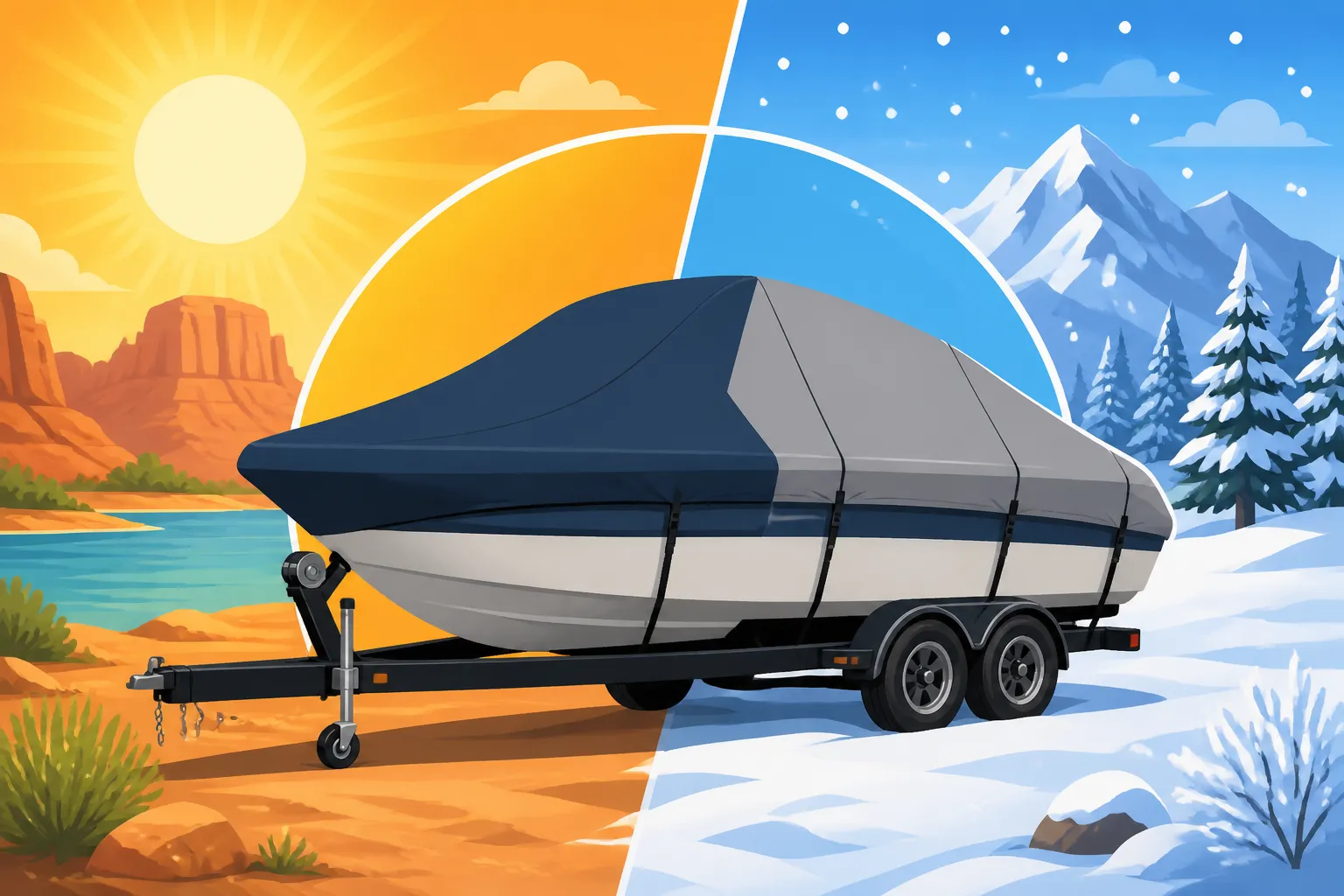
Best Boat Cover for Utah Sun and Snow
Living in Utah and owning a boat means you're constantly battling the elements. From the blazing summer sun that tries to bake your gel coat to the heavy winter snows that threaten to collapse your cover, finding the right boat cover isn't just about aesthetics; it's about protecting a significant investment from the relentless forces of nature. This guide will walk you through everything you need to know to choose, use, and maintain the best boat cover to keep your vessel safe and sound, come sun or snow.
Understanding Utah's Unique Weather Challenges for Your Boat
Utah's climate is a land of extremes, and your boat bears the brunt of it all year long. It's not enough to simply throw any old tarp over your prized possession; you need a cover specifically designed to withstand these diverse and often brutal conditions. Ignoring these factors can lead to premature aging, structural damage, and costly repairs down the road.
The Scorching Summer Sun and Relentless UV Rays
Our Utah summers are glorious for being out on the water, but when your boat is docked or stored, that intense high-altitude sun is a powerful enemy. UV radiation isn't just a concern for your skin; it's detrimental to nearly every part of your boat. The sun's harsh rays can cause gel coat to fade, plastic components to become brittle, upholstery to crack, and even the stitching on your boat cover itself to degrade. Think of it like a constant, slow burn that eats away at materials over time. A poor-quality cover will quickly become a tattered, ineffective shield, letting that damaging UV penetrate.
Moreover, the heat trapped under a poorly ventilated cover can create an oven-like environment, further accelerating material breakdown. This isn't just about surface damage; the constant expansion and contraction from temperature swings can stress seams, adhesives, and structural components of your boat. It’s a battle against nature's most common, yet persistent, aggressor, and your cover is your first line of defense.
The Weight of Winter Snow and Freeze-Thaw Cycles
Just as the sun is a summer menace, winter brings its own set of challenges in the form of heavy snow, ice, and fluctuating temperatures. A thick blanket of snow, especially wet snow, can accumulate rapidly and exert immense pressure on your boat cover and, consequently, your boat's structure. If the cover sags under the weight, it creates depressions where water can collect. When that water freezes, it expands, putting even more stress on the fabric and seams, potentially leading to rips and tears.
Beyond the sheer weight, Utah's winters often feature freeze-thaw cycles. Snow melts during warmer daytime periods, then refreezes overnight. This continuous process can saturate your cover, weakening its fibers and making it susceptible to ice damage. It's a recipe for mold and mildew if moisture gets trapped, so adequate protection and ventilation are crucial to prevent these insidious problems from taking hold. Think about how a leaky roof can destroy your home; a sagging, compromised boat cover can do similar damage to your boat's interior. You'll also want to review how to properly How to Winterize a Boat After the Utah Fishing Season to ensure all systems are prepared.
The Abrasive Force of Wind and Dust
Utah is known for its wide-open spaces and, often, its gusty winds. Whether your boat is parked in your driveway, at a marina, or in a storage lot, strong winds can wreak havoc. A loose-fitting boat cover can flap incessantly, causing friction against your boat's surfaces. This constant rubbing, especially if dust and grit get underneath, acts like sandpaper, slowly abrading your gel coat and paint. It can also cause premature wear on the cover itself, leading to rips and tears.
Furthermore, our dry climate means a lot of dust and fine dirt are often airborne. This gritty particulate matter can work its way under a loosely fitting cover, settling on your boat's surfaces. When moisture is introduced, this dust can turn into a muddy film that's tough to clean and can cause streaks or etching if left for too long. A well-fitted cover with robust tie-downs is essential to minimize wind-related damage and keep dust out.
Key Features to Look for in a Boat Cover for Utah Conditions
When you're out there shopping for a boat cover, it's easy to get overwhelmed by the options. But by focusing on a few critical features, you can filter through the noise and find a cover that truly stands up to Utah's challenging environment. It's about looking beyond the price tag and investing in genuine protection.
Material Durability and UV Resistance
The fabric of your boat cover is its armor, and in Utah, that armor needs to be tough. You'll commonly find covers made from various materials, primarily woven polyester or acrylic. Polyester covers are often treated with a durable water repellent (DWR) coating and UV inhibitors, making them a popular, often more budget-friendly choice. Look for higher denier ratings (e.g., 600D, 1200D), which indicate a denser, more tear-resistant fabric. This heavy-duty construction is vital for resisting tears from sharp edges or unexpected impacts, as well as prolonged exposure to the elements.
Acrylic covers, like those made from solution-dyed acrylic, are often considered the premium choice. The color is infused into the fibers themselves, rather than dyed on, which offers superior fade resistance even under the harshest UV conditions. While these might come with a higher upfront cost, their longevity can often make them more economical in the long run, especially if your boat is stored outdoors year-round. Regardless of material, ensure the manufacturer specifically mentions UV resistance and anti-mildew treatments. Many reputable brands offer these features, and you can find a good selection at retailers like Bass Pro Shops or even through specialized online vendors.
Waterproofing and Breathability
This might sound like a contradiction, but an ideal boat cover needs to be both waterproof and breathable. It's a delicate balance. A completely waterproof, non-breathable cover, like a basic tarp, will prevent rain and snowmelt from getting in, which is great. However, it will also trap condensation and moisture underneath the cover, creating a humid environment ripe for mold, mildew, and rot to thrive on your boat's interior and surfaces. This is a common frustration for boat owners in any climate, but especially when dealing with temperature swings.
High-quality covers achieve this balance through various means:
- Woven Fabrics with Coatings: Many polyester covers use tightly woven threads combined with waterproof coatings on the underside to shed water.
- Breathable Vents: Strategically placed vents, often covered by flaps to prevent water entry, allow air to circulate. This airflow helps dissipate moisture vapor, reducing condensation and keeping your boat's interior fresher. Without these, you might open your cover after a winter's storage to find an unwelcome, musty surprise.
- Hydrophobic Treatments: Some materials are inherently water-resistant, causing water to bead up and roll off, while still allowing some air exchange.
Always opt for a cover with integrated vents to ensure proper air circulation and prevent moisture buildup, especially if your boat is stored for extended periods.
Fit and Fastening Systems
The fit of your boat cover is paramount for its effectiveness and longevity. A cover that's too loose will flap in the wind, causing abrasion and potential damage to both the cover and your boat. One that's too tight might be difficult to install and could strain seams, leading to premature tearing.
Here's what to consider:
- Custom-Fit Covers: These are tailored specifically to your boat's make, model, and year. They offer the best protection because they hug the contours of your boat, minimizing flapping and ensuring maximum coverage. While they are the most expensive, they provide superior defense against wind, rain, and snow. You'll often find these through marine dealerships or specialty online retailers.
- Semi-Custom Covers: Designed to fit a range of boats within a specific length, beam, and style (e.g., V-hull runabouts 18-20 ft). These offer a good balance of protection and affordability. They provide a much better fit than universal covers and are a popular choice for many Utah boaters.
- Universal Covers: These are the most affordable but offer the least protection. They are cut to a generic size and often have a loose, baggy fit that's highly susceptible to wind damage and water pooling. I'd generally advise against these for long-term storage in Utah's harsh conditions.
Beyond the fit, examine the fastening system. Look for:
- Heavy-Duty Elastic Hem: A strong elastic cord sewn into the hem helps create a snug fit around the boat's perimeter.
- Integrated Straps and Buckles: Robust, adjustable straps that run under the hull and connect with durable buckles are crucial for securing the cover, especially during trailering or high winds. Reinforced stress points where the straps attach are also a must.
- Reinforced Tie-Down Loops: If the cover uses external ropes or bungee cords, ensure the loops are sturdy and won't tear out under tension.
The better the fit and the more secure the fastening, the less likely your cover is to come loose, chafe your boat, or collect standing water that could lead to damage.
Types of Boat Covers and Their Best Use Cases in Utah
Just like you wouldn't use a sleeping bag for a winter coat, different boat covers are designed for different situations. Understanding the distinctions helps you select the right tool for the job, ensuring your boat gets the protection it needs for various scenarios in Utah.
Mooring and Storage Covers
These are your workhorses, designed for long-term protection whether your boat is sitting in the driveway, at a marina slip, or tucked away in a storage yard for the winter. Mooring covers are typically made from heavier-duty materials than trailering covers, prioritizing robust defense against UV, rain, snow, and debris over aerodynamic performance. They often feature generous cuts to drape over rub rails and offer ample coverage for the entire boat.
For Utah's intense conditions, a high-quality mooring cover should be:
- Thick and Durable: Look for materials like 1200D polyester or premium solution-dyed acrylic that can withstand continuous exposure to sun and snow load.
- Highly UV Resistant: This is critical to prevent fading and material degradation over months of direct sunlight.
- Waterproof with Breathable Vents: Essential to keep the interior dry while preventing mold and mildew buildup.
- Designed for Support: Many storage covers benefit from internal support poles or frameworks to create a peak, allowing snow and water to shed off rather than pool. This is particularly important for preventing heavy snow from accumulating.
Think of a good mooring cover as a weatherproof shell for your boat. It needs to be tough enough to handle whatever Mother Nature throws at it, from a summer thunderstorm on Lake Powell to a blizzard at Strawberry Reservoir. For long-term peace of mind, this is where you should invest the most. Many popular brands found on Amazon offer excellent storage solutions that balance cost with critical features.
Trailering Covers
If you frequently move your boat between home, the launch ramp, and different reservoirs like Flaming Gorge or Bear Lake, a dedicated trailering cover is indispensable. These covers are specifically engineered to remain secure and intact while you're driving at highway speeds. The forces exerted on a cover during trailering are immense; wind can whip and tear at a loose cover, causing significant damage in a short amount of time.
Key features of a good trailering cover include:
- Snug Fit: A truly custom or semi-custom fit is paramount. Any excess material will flap and create wear points.
- Reinforced Stress Points: Areas around the windshield, cleats, and where straps attach need extra reinforcement to prevent tearing.
- Robust Fastening System: Multiple heavy-duty straps with strong buckles that go under the hull are crucial to hold the cover firmly in place. Elastic hems help, but straps do the heavy lifting.
- Aerodynamic Design: While less critical than strength, a good trailering cover aims to minimize wind resistance and flapping.
Some covers are advertised as "mooring and trailering" covers, aiming to do both jobs. While convenient, always check reviews and specifications to ensure they truly hold up to highway speeds. Often, a dedicated trailering cover offers superior peace of mind. It’s a worthwhile investment to protect your boat's interior from road grime, insects, and flying debris during transit, especially when heading to far-flung destinations.
Specialty Covers
Beyond the general mooring and trailering options, there are several specialty covers that can provide targeted protection for specific components or situations:
- Engine Covers: These protect your outboard motor from sun, rain, and general wear. They're often made from tough, water-resistant material and fit snugly around the engine cowl. They’re a great extra layer of protection for one of your boat's most vital (and expensive) parts.
- Console Covers: For boats with center consoles, these covers specifically protect the electronics, steering wheel, and gauges from UV and moisture. They can be used in conjunction with a full boat cover or alone for quick, localized protection when docked for a short period.
- Seat and Upholstery Covers: If your main boat cover is less than perfect, or if you want an extra layer of protection for sensitive interior components, individual seat covers can prolong the life of your upholstery.
- Pontoon and Jon Boat Specific Covers: These covers are designed to accommodate the unique shapes and features of these boat types, ensuring a better fit and better protection than a generic cover.
Consider these specialty covers as an enhancement to your main cover system. They provide an extra layer of defense for vulnerable areas, which can significantly extend the lifespan of your boat's components. Just like you'd get specific gear for different fishing techniques, such as How to Fish PowerBait for Stocked Trout or How to Fish for Striped Bass at Lake Powell, thinking specifically about boat protection is just as important.
| Cover Type | Best Use Case | Key Advantages | Considerations |
|---|---|---|---|
| Mooring/Storage | Long-term outdoor storage, marina docking | Maximum weather protection, UV and snow load capable | Can be bulky, not designed for high-speed trailering |
| Trailering | Transporting boat on highways | Stays secure at speed, protects from road debris | Less ventilation, usually thinner material than storage |
| Specialty (e.g., Engine) | Targeted protection for specific components | Extends life of vulnerable parts, added security | Not a standalone solution, used with other covers |
Maintenance Tips to Maximize Your Cover's Lifespan
Even the best boat cover isn't "set it and forget it." To ensure your investment continues to protect your boat for years to come, a little routine maintenance goes a long way. Neglecting your cover is like not changing the oil in your car; eventually, it will fail you when you need it most.
Regular Cleaning and Inspection
Your boat cover acts as a shield, which means it takes all the abuse from nature. Dust, bird droppings, tree sap, and environmental pollutants will accumulate on its surface. If left too long, these can degrade the fabric, stain it permanently, and even promote mold and mildew growth.
- Routine Brushing: Regularly brush off loose dirt, leaves, and debris. A soft-bristled brush or broom works wonders.
- Spot Cleaning: For bird droppings or tree sap, use a mild soap (like dish soap or specialty fabric cleaner) mixed with water and a soft cloth or brush. Rinse thoroughly. Avoid harsh chemicals or bleach, as these can strip coatings and damage UV protection.
- Deep Cleaning: Once or twice a season, or if the cover looks particularly grimy, consider removing it and giving it a thorough wash. Lay it out on a clean, flat surface or hang it, then scrub with a mild soap and rinse completely. Ensure it's completely dry before reinstalling or storing. This is also a good time to ensure your boat's interior is clean and ready for its own long-term storage, maybe even looking at How to Store Fishing Gear Over a Utah Winter.
During cleaning, always take the opportunity to inspect the cover for any signs of wear and tear. Look for frayed seams, small tears, areas where the UV coating might be flaking, or weakened tie-down points. Catching these issues early can save you a lot of headache later.
Reinforcement, Repair, and Re-Waterproofing
Small problems can quickly become big ones if not addressed.
- Patching Tears: A small tear, if ignored, will inevitably grow. Keep a repair kit handy, especially one designed for marine fabrics. Many kits include adhesive patches that are easy to apply. For larger tears or damaged seams, professional repair might be necessary. Bass Pro Shops often carries various repair kits, or you can find specific materials on Amazon.
- Reinforcing Wear Points: Pay attention to areas where the cover makes contact with sharp edges on your boat (e.g., windshield corners, cleats, trolling motor mounts). You can often add extra layers of fabric or rubber patches to these spots from the inside to prevent future wear.
- Re-Waterproofing: Over time, the DWR coating on your cover will degrade, and water may start to soak into the fabric rather than bead off. This is a sign it's time to re-waterproof. There are many spray-on or wash-in waterproofing treatments available for marine fabrics. Clean your cover thoroughly, ensure it's dry, and then apply the treatment according to the product's instructions. This step is critical for maintaining your cover's ability to shed rain and snowmelt, protecting your boat's interior from dampness and potential mold.
Proper Support to Prevent Water and Snow Pooling
One of the biggest enemies of any boat cover, especially in Utah's snowy winters and heavy summer downpours, is standing water or snow. When a cover sags, it creates low spots where precipitation can accumulate. This weight not only stresses the cover fabric but can also lead to water seeping through or even collecting inside the boat.
- Support Poles and Frames: The most effective way to prevent pooling is to create a high point in the center of your cover. This is typically done with adjustable support poles that prop up the cover from the inside. Many boat cover manufacturers offer compatible pole systems, or you can find universal ones. For larger boats or heavier snow loads, a more extensive support frame system (like those using PVC piping) might be beneficial to create a tent-like structure that sheds precipitation effectively.
- Proper Tension: Ensure your cover is pulled taut and secured evenly. A tight cover, combined with proper internal support, will create slopes that allow water and snow to run off freely. Regularly check and adjust straps, especially after heavy weather, as covers can stretch or shift over time.
By diligently cleaning, repairing, and supporting your boat cover, you're not just extending the life of the cover; you're actively ensuring your boat remains protected and ready for your next adventure on Utah's beautiful waters. This goes hand-in-hand with understanding Utah Boating and Fishing Rules and Utah Aquatic Invasive Species Rules for Anglers, as proper boat care impacts more than just your vessel.
Disclaimer
This article is for general informational purposes only and does not constitute professional advice. Laws, prices and regulations vary by location and change over time. Consult a qualified professional for guidance on your specific situation.