Why Does Utah Lake Require You to Kill Every Northern Pike?
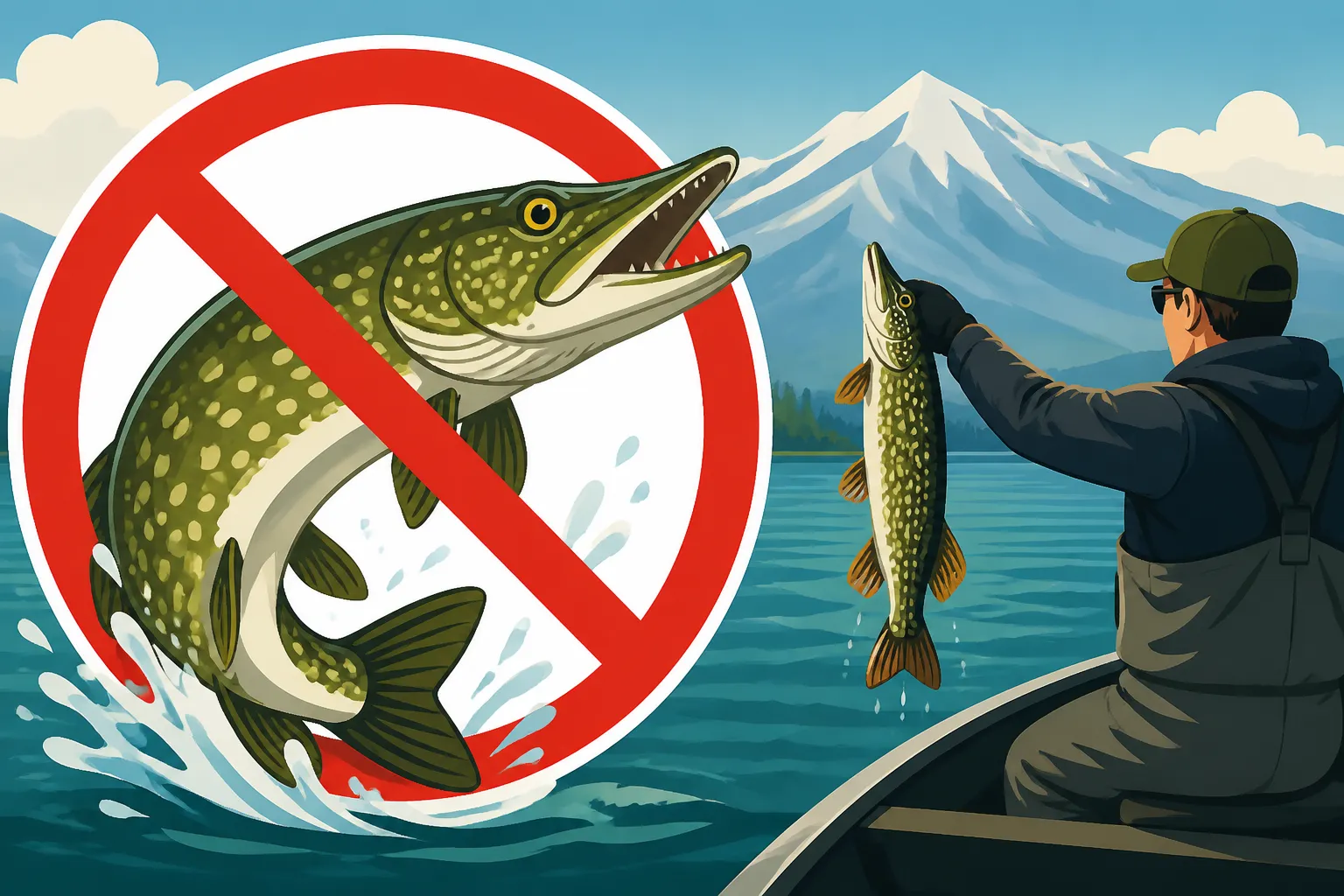
If you've spent any time casting a line on Utah Lake, you've likely come across a peculiar and non-negotiable regulation: if you catch a Northern Pike, you must kill it. This isn't just a suggestion; it's a mandatory harvest rule, and it can be a little jarring for anglers used to catch-and-release practices. But this directive isn't arbitrary; it's a critical component of Utah's broader strategy to protect the lake's delicate ecosystem and its cherished native fish populations. This guide will delve into the precise reasons behind this strict rule, helping you understand the ecological stakes and your vital role as an angler in preserving Utah Lake.
The Northern Pike Problem in Utah Lake
Imagine a wolf suddenly appearing in a sheep pasture where sheep have no natural defenses. That's essentially what happened when Northern Pike were illegally introduced into Utah Lake. These aggressive, predatory fish represent a serious threat, forcing wildlife managers to take drastic measures to protect the lake's ecological balance.
An Apex Predator's Unwelcome Arrival
Northern Pike ( Esox lucius ) are notorious for their voracious appetites and ambush hunting style. They have a distinctive, duck-bill shaped snout filled with razor-sharp teeth, and their torpedo-shaped bodies allow for explosive bursts of speed. In their native habitats across North America, Europe, and Asia, they are often at the top of the food chain, thriving in cold, clear waters with plenty of cover. They grow quickly, can reach impressive sizes (often over 20 pounds, sometimes much larger), and are incredibly adaptable.
The problem arises when these efficient predators are introduced to an ecosystem where they don't belong, and that's precisely the situation in Utah Lake. Northern Pike are not native to Utah, and their presence in Utah Lake is the result of illegal introductions, often by well-meaning but ill-informed individuals known as "bucket biologists." These individuals transport fish from one body of water to another, often with devastating consequences for the receiving ecosystem. Unfortunately, a few pike can rapidly multiply, establishing a self-sustaining population that quickly overwhelps local species. This is exactly what happened in Utah Lake, turning what was once a localized issue into a full-blown crisis for the lake's ecology.
A Threat to Native and Sport Fish Populations
Once established, Northern Pike become an ecological bulldozer, capable of significantly altering food webs and predator-prey dynamics. Utah Lake, a relatively shallow, warm-water lake, is home to several important fish species, both native and introduced for sport fishing. The pike's presence puts immense pressure on all of them.
Perhaps the most critical concern is the devastating impact on the endangered June Sucker. This unique fish is found only in Utah Lake, and its population has been critically low for decades, facing threats from habitat degradation, poor water quality, and competition from non-native species. Pike, being opportunistic feeders, readily prey on June Sucker at all life stages, from juveniles to adults. Every June Sucker lost to a pike pushes this species closer to extinction, undermining decades of tireless conservation efforts. The plight of the June Sucker is a major driver behind the strict anti-pike policy. You can learn more about the specific challenges facing this fish in our guide on June Sucker Endangered Species in Utah Lake.
Beyond the June Sucker, Northern Pike also pose a serious threat to popular sport fish like Walleye, Largemouth Bass, Smallmouth Bass, and Channel Catfish, which are mainstays of the Utah Lake fishery. Pike compete with these species for food and directly prey on their young, and even adult fish. This competition and predation can lead to declines in sport fish populations, impacting angling opportunities and the local economy. A thriving fishery relies on a balanced ecosystem, and the introduction of a super-predator like the Northern Pike throws that balance into disarray. The Utah Division of Wildlife Resources (DWR) has invested heavily in managing these sport fisheries, and the pike threatens to undo much of that work.
Utah's Conservation Strategy: Mandatory Harvest
Given the severe threat posed by Northern Pike, the Utah Division of Wildlife Resources has implemented a clear and uncompromising strategy: mandatory harvest. This isn't a decision taken lightly; it's a calculated measure based on scientific understanding of invasive species management and the unique vulnerabilities of Utah Lake.
Why Catch-and-Release is Not an Option for Northern Pike
For many anglers, especially those practicing responsible fishing, catch-and-release is a common and admirable practice, allowing fish populations to thrive. However, when it comes to highly invasive species like Northern Pike in a vulnerable ecosystem, catch-and-release becomes part of the problem, not the solution. The DWR's rationale is straightforward: every pike released back into Utah Lake has the potential to continue preying on native fish and reproduce, further exacerbating the problem. Even a single pair of pike can lead to thousands of offspring in a short amount of time.
The goal for Northern Pike in Utah Lake is not population control; it is eradication. This means completely removing the species from the water body to prevent permanent damage to the ecosystem. Catch-and-release directly contradicts this goal. If anglers were allowed to release pike, it would be impossible to effectively reduce their numbers. Furthermore, some anglers might intentionally spread pike to other waters, a practice that is illegal and highly damaging. The DWR has observed how rapidly Northern Pike can spread and decimate fisheries in other regions, and they are committed to preventing that outcome in Utah Lake. This strict regulation is a preventative measure against future ecological disasters. Our comprehensive guide on Utah Fishing Regulations Explained provides broader context on such rules.
The Role of Anglers in Protecting Utah Lake
Anglers are often the first line of defense in protecting Utah's aquatic environments. By diligently adhering to the mandatory harvest rule, you become an active participant in conservation. The DWR relies heavily on the cooperation of the angling community to manage invasive species. When you catch a Northern Pike, you're not just landing a fish; you're removing a threat to the June Sucker and other species.
This responsibility extends beyond just killing the fish. It means understanding and communicating the importance of this rule to fellow anglers. It means ensuring that no live pike are transported from Utah Lake to any other water body, which is illegal and carries significant penalties. The regulations are explicitly designed to prevent the spread of these harmful fish. If you're ever in doubt about the rules, a quick check of the DWR's current guide, or our detailed piece on Utah Boating and Fishing Rules, can clarify what's expected. Your actions directly contribute to the health and future of Utah Lake's unique fishery, turning every pike caught into a victory for conservation.
Impact on Utah Lake's Ecosystem and Future
The decision to impose a mandatory harvest for Northern Pike in Utah Lake is a direct response to the severe ecological and economic threats they present. This aggressive management strategy is aimed at safeguarding the lake's biodiversity and ensuring its long-term health, particularly for its most vulnerable residents.
Protecting the Endangered June Sucker
The June Sucker is a flagship species for Utah Lake, a living testament to the lake's unique natural heritage. This large, bottom-feeding fish can grow up to 24 inches long and is a vital part of the lake's natural ecosystem. For decades, the June Sucker has been on the brink of extinction, listed as an endangered species under federal law. Its recovery has been a massive undertaking, involving extensive research, habitat restoration, and aggressive management of non-native species. Without direct intervention, the June Sucker would likely vanish forever.
Northern Pike are a direct, existential threat to these recovery efforts. Their predatory nature means they will consume June Sucker of all sizes, especially the more vulnerable juveniles. Imagine all the resources – the time, money, and dedication – poured into rearing June Sucker in hatcheries and then releasing them into the lake, only for them to become instant meals for an invasive pike. The mandatory harvest rule is arguably the most direct way to protect June Sucker from this specific predator. Every pike removed from Utah Lake increases the survival rate of the June Sucker, giving this struggling native species a fighting chance to thrive once again. This is why the rule is so strict, as it directly impacts species preservation.
Balancing Sport Fishing and Conservation
Utah Lake is not just an ecological treasure; it's a popular destination for sport anglers targeting Walleye, Catfish, and Bass. The DWR's management strategy for Utah Lake aims to strike a delicate balance between preserving native species and providing excellent recreational fishing opportunities. The presence of Northern Pike disrupts this balance profoundly.
By removing pike, the DWR hopes to alleviate predatory pressure on the sport fish populations, allowing them to rebound and become more robust. Healthy populations of Walleye, Bass, and Catfish attract more anglers, supporting local tackle shops, bait suppliers, and other businesses. It's a win-win scenario: protecting native species while simultaneously enhancing the sport fishing experience. For example, understanding Utah Walleye Harvest Rules or Utah Bass Fishing Regulations becomes even more critical when balancing these goals.
Moreover, managing invasive species like the Northern Pike helps prevent a domino effect of ecological degradation. When one species is threatened, it can have unforeseen consequences throughout the food web. The mandatory harvest is a proactive step to prevent such widespread issues, ensuring that Utah Lake remains a vibrant and productive fishery for generations to come. It’s a complex undertaking to manage an ecosystem with both native and introduced species, but a necessary one to maintain healthy fisheries.
Practical Advice for Anglers Encountering Northern Pike
Encountering a Northern Pike on Utah Lake might be a surprise, but knowing how to handle it safely and correctly is essential. Your actions directly contribute to the success of Utah's conservation efforts.
Identifying Northern Pike and Safe Handling
First things first: you need to be sure you've actually caught a Northern Pike. While their "duckbill" snout is quite distinctive, some anglers, especially beginners, might confuse them with other species like Walleye or even Carp, though they look quite different.
Key identification features of a Northern Pike:
- Distinctive Head: Long, flattened snout resembling a duck's bill.
- Teeth: Mouth full of sharp, needle-like teeth.
- Body: Long, cylindrical body with greenish-yellow markings and light spots on a dark background.
- Dorsal Fin: The single dorsal fin is set far back on the body, close to the tail, a key differentiator from species like Walleye, which have two distinct dorsal fins.
Handling a Northern Pike requires caution due to those sharp teeth and gill rakers. A proper grip is crucial to protect yourself and to safely dispatch the fish.
Safety Precautions and Tools:
- Use Pliers or a Jaw Spreader: Never stick your fingers into a pike's mouth. Heavy-duty long-nosed pliers are indispensable for removing hooks. A jaw spreader can be used to hold the mouth open, giving you better access. You can find excellent options for these tools on platforms like Amazon, often bundled with other fishing accessories.
- Gloves: Consider wearing stout gloves to protect your hands from teeth and gill plates.
- Net: A rubberized landing net is ideal for controlling the fish once it's close to the boat or shore.
- Gill Plate Hold: If you need to handle the fish without a net or jaw spreader, carefully slide your hand under the gill plate from the bottom, gripping the bony plate, not the delicate red gills themselves. This provides a firm, safe hold.
Remember, if you're uncertain whether it's a pike, err on the side of caution. It's far better to safely remove a suspected pike than to accidentally release one.
Best Practices for Humane Harvest and Disposal
Once you've positively identified a Northern Pike and safely handled it, the next step is the mandatory harvest. The goal is to dispatch the fish quickly and humanely.
Humane Dispatch Methods:
- Blunt Force Trauma (Brain Spike): The most common and humane method is to deliver a quick, firm blow to the top of the fish's head, just behind the eyes, using a blunt object like a priest or a small bat. This instantly renders the fish unconscious and causes brain death.
- Cervical Severance: Some anglers prefer to quickly sever the spinal cord behind the head with a sharp knife. This is also very effective and humane if done correctly.
Disposal and Consumption:
After dispatching the fish, you are required to remove it from the water. You cannot simply leave it on the shore or toss it back.
- Take it Home: Northern Pike are actually quite edible! They have firm, white flesh, although they can be bony. Many anglers enjoy filleting and eating them. If you plan to keep them for consumption, ensure you have a cooler with ice to keep the fish fresh, especially on a warm Utah day.
- Proper Waste Disposal: If you don't intend to eat the fish, you must dispose of it properly in a trash receptacle. Do not throw it back into the lake, other water bodies, or leave it on the bank. This is littering and goes against the intent of the regulation.
By following these practical steps, you fulfill your obligation as a responsible angler and play a crucial part in the conservation of Utah Lake. Having a dedicated pair of pliers and a fish bonker, easily purchased from retailers like Amazon, can make this process much safer and more efficient.
Here's a quick reference table for identifying and handling key Utah Lake fish species:
| Feature | Northern Pike | Walleye | Channel Catfish | Largemouth Bass | June Sucker (Endangered) |
|---|---|---|---|---|---|
| Mouth/Snout | Long, duck-bill shaped, sharp teeth | Canine teeth, pointed snout | Wide, whisker-like barbels | Large, extends past eye | Small, sucker-like |
| Dorsal Fins | One, far back near tail | Two separate, spiny and soft | One, spiny, often small | One, deeply notched | One, soft-rayed |
| Body Shape | Elongated, torpedo-like | Streamlined, somewhat compressed | Long, scaleless | Robust, oval-shaped | Cylindrical, stout body |
| Color/Markings | Greenish-yellow with light spots | Olive/brown with dark blotches | Gray/brown, scattered spots | Green/dark with horizontal band | Olive/brown, no distinct spots |
| Status in Utah Lake | Invasive (Mandatory Kill) | Sport Fish | Sport Fish | Sport Fish | Native (Endangered, Release) |
Remember, it’s imperative to identify your catch correctly. If you're ever in doubt, refer to the current Utah Fishing Guidebook or consult with a DWR officer. Understanding the reasons behind these regulations, like Why Utah Requires Anglers to Kill Certain Invasive Fish, empowers you to make informed decisions and contribute positively to Utah's aquatic health.
Disclaimer
The information provided in this guide is for general informational purposes only and is subject to change. Always consult the most current Utah Fishing Guidebook published by the Utah Division of Wildlife Resources (DWR) for the official and most up-to-date regulations before fishing. Fishing regulations can change frequently, and it is the angler's responsibility to know and follow all applicable laws.