Utah Fishing License Fines for Fishing Without One
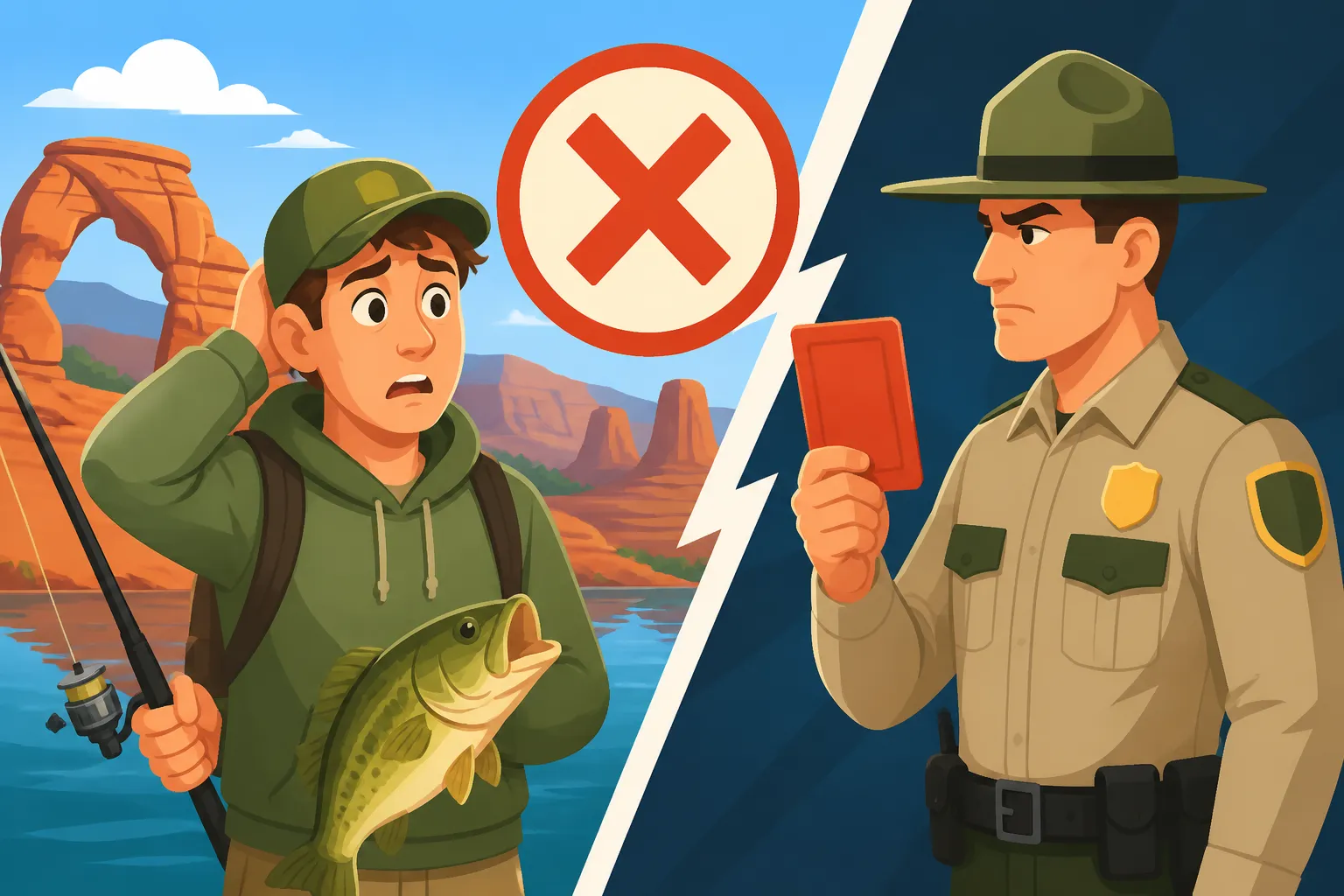
It’s a scenario no angler wants to face: you’re out on a beautiful Utah lake or river, enjoying a peaceful day, and suddenly a DWR (Division of Wildlife Resources) officer is asking to see your fishing license, only for you to realize it’s expired, lost, or you simply never bought one. The dread that washes over you in that moment is palpable, and the confusion about what happens next can be overwhelming. This guide is here to shed light on the very real fines and consequences you could face for fishing without a proper license in Utah, and what steps you can take to avoid such a stressful situation.
The Harsh Reality: What Happens When You're Caught Without a License
Getting caught fishing without a valid license in Utah isn't just a slap on the wrist; it's a legitimate violation that carries both immediate and potential long-term repercussions. Many anglers, especially those new to the sport or visiting from out of state, might not realize the seriousness of this seemingly minor oversight. However, the DWR takes these regulations seriously to protect Utah's valuable fisheries and ensure fair play for all who contribute to conservation efforts through licensing fees.
Initial Encounter and Violation Classification
When a DWR conservation officer approaches you on the water and requests to see your license, it's usually part of their routine patrol to ensure compliance with Utah fishing regulations. If you cannot produce a valid license, or if it's expired, the officer will likely issue you a citation. In Utah, fishing without a license is generally classified as a class B misdemeanor. While that might sound minor, it's a criminal offense, not just a simple traffic ticket. This means it can go on your permanent record, which is a big deal.
The officer will verify your identity, often through a driver's license, and will then issue a written citation detailing the specific violation, the date, time, and location, and instructions on how to proceed. It’s crucial to be cooperative and respectful during this encounter. Resisting or being confrontational can lead to additional charges, complicating an already unpleasant situation. They're just doing their job, enforcing rules designed to protect the resources we all enjoy.
Common Scenarios Leading to a Fine
It's easy to assume that only deliberate attempts to evade the rules result in fines, but in reality, many people are cited due to simple mistakes or misunderstandings. Perhaps you thought your license was still good, or maybe you believed you were exempt.
Here are some common scenarios that often lead to anglers being fined:
- Expired License: This is probably the most frequent reason. Life gets busy, and it's easy to forget the renewal date, especially if you only fish a few times a year. Many annual licenses expire on December 31st, regardless of when they were purchased, so it's a common oversight in the new year. Before heading out, always double-check the expiration date on your license, whether it's a physical card or on the Utah Hunting and Fishing App Features.
- No License at All: Some anglers, particularly beginners or those from out of state, might simply not be aware that a license is required. For example, if you're over the age of 12 and under 65, you almost certainly need a license. It’s important to understand the Utah Fishing License Age Requirements before casting a line.
- Fishing with the Wrong License: This can happen if you have, say, a youth license but have passed the age limit, or if you're a nonresident trying to fish on a resident license. Even if you hold a Utah Fishing License for Out-of-State College Students you need to ensure it's the correct type for your current residency status.
- Inability to Produce a License: While Utah allows you to show a digital license on your phone, if your phone battery dies, or if you simply don't have it on you, that can also lead to a citation. Officers need proof of a valid license at the time of inspection. Always know How to Store a Utah Fishing License on Your Phone and have a backup plan.
- Fishing in Restricted Waters Without Proper Permits: While less common for basic license issues, some specific areas might require additional permits beyond a standard fishing license. For example, tribal lands or certain private waters may have their own regulations.
Even if you have the best intentions, the DWR is obligated to enforce the law as written. Ignorance of the law is generally not considered a valid defense in court, so it's always on the angler to be informed and prepared. You can always check the full Utah Fishing Regulations Explained before you go.
Understanding the Financial Impact: Fines and Court Costs
The immediate sting of a fishing license violation often comes in the form of fines and associated court costs. These aren't negligible amounts and can quickly add up, making that "free" day of fishing quite expensive. It's a stark reminder that the cost of a license pales in comparison to the penalty for not having one.
Breakdown of Typical Fines
As mentioned, fishing without a license is typically a class B misdemeanor in Utah. This classification generally carries a maximum penalty of up to six months in jail and/or a fine of up to $1,000. However, for a first-time offense of fishing without a license, judges often impose a lower fine rather than jail time.
Based on web search information and common practice in Utah courts, you can expect a base fine for fishing without a license to be in the range of $680 to $750. This figure can fluctuate slightly depending on the specific county or justice court handling the case. This fine is often a "waiverable" amount, meaning you can often pay it without needing to appear in court, essentially pleading guilty to the charge.
Here's a breakdown of what that might look like:
| Offense | Classification | Typical Base Fine (First Offense) | Max Fine | Max Jail Time |
|---|---|---|---|---|
| Fishing Without a License | Class B Misdemeanor | $680 – $750 | $1,000 | 6 Months |
It's important to remember that this is for the first offense. Repeat offenses can lead to significantly higher penalties, including stricter fines, mandatory court appearances, and a greater likelihood of more severe consequences, possibly even jail time, especially if other violations are involved.
Additional Fees and Penalties
Beyond the base fine, there are often several other costs that pile on:
- Court Fees and Surcharges: These are administrative costs associated with processing your citation through the legal system. These can add another $50 to $150 to your total, depending on the specific court. These are generally non-negotiable and apply to almost any citation you receive.
- Wildlife Restitution: In some cases, especially if you were also found to be in possession of illegally taken fish (e.g., over the limit, out of season), you might also be assessed restitution fees for the value of the fish. While usually not applied to a simple "no license" charge, it’s a possibility if other regulations were violated simultaneously.
- License Suspension/Revocation: While not always an immediate outcome for a first-time "no license" offense, a judge has the discretion to suspend your fishing privileges for a period of time. This is more common with repeat offenders or when other serious violations like poaching are involved. Imagine not being able to buy a Utah Fishing License Renewal Guide for a year or more!
- Increased Costs for Future Licenses: While not a direct penalty, some states implement higher fees for repeat offenders. Currently, Utah does not explicitly have this, but having a conviction on your record might be considered if you face future violations.
Considering all these factors, a day of fishing without a license could easily set you back well over $800 once all is said and done. This certainly makes the upfront cost of a license, which can be found in our comprehensive Utah Fishing License Guide, seem incredibly reasonable.
Impact on Future Licensing Privileges
One of the more frustrating long-term consequences, even if you just pay the fine, is how it might affect your future ability to buy licenses. While a single "no license" citation typically won't permanently bar you from fishing, it does enter your record with the DWR.
This means:
- DWR Database: Your violation will be noted in the DWR’s system. If you commit another violation, officers will see your history, which can lead to stiffer penalties for subsequent offenses.
- Discretionary Punishments: For future violations, judges and the DWR often have more leeway to impose harsher sentences, including longer suspensions of fishing and hunting privileges.
- Application Questions: On some license applications, you might be asked if you've ever been convicted of a wildlife violation. Lying on these forms can lead to even more serious charges.
It really highlights the importance of simply ensuring you have that license. It’s a foundational piece of responsible angling.
Beyond the Immediate Fine: Long-Term Consequences
While the immediate financial hit is painful, the repercussions of fishing without a license can extend beyond your wallet, potentially impacting your legal standing and your reputation as a responsible angler. It's not just about paying a fine; it's about understanding the broader implications.
The Possibility of Equipment Seizure
This is a scenario that can truly make an angler's heart sink. In cases of serious wildlife violations, and sometimes even for repeat offenses of fishing without a license, DWR officers have the authority to seize fishing equipment, including rods, reels, tackle boxes, and even boats. While it's less common for a first-time, simple "no license" offense, it's a possibility, especially if other significant violations, such as possessing undersized fish or exceeding bag limits, are discovered during the encounter.
Imagine having your beloved fishing rod, the one you painstakingly saved for or that was a gift, confiscated. The process to reclaim seized equipment can be lengthy, costly, and in some cases, you may never get it back if it's forfeited to the state. This adds a tremendous layer of stress and financial burden beyond just the citation itself. It's a powerful deterrent designed to emphasize the seriousness of wildlife laws.
Legal Ramifications and Your Record
As a Class B misdemeanor, fishing without a license is a criminal offense. This means that if you are convicted or plead guilty, it will likely appear on your criminal record. While it's not a felony, and generally won't impact major life events like voting rights, it can still have consequences:
- Background Checks: Potential employers, educational institutions, or landlords might conduct background checks. A misdemeanor conviction, even for a wildlife offense, could raise questions or be viewed negatively, particularly for jobs requiring specific licenses or ethical conduct.
- Professional Licenses: For professions that require state licensing (e.g., healthcare, finance, certain trades), a criminal conviction, even a misdemeanor, can be a hurdle during the application or renewal process. You might have to disclose it and explain the circumstances.
- Travel to Other Countries: Some countries have strict entry requirements and may deny entry to individuals with certain criminal convictions, even misdemeanors. While less common for a fishing violation, it's not entirely unheard of.
It's a serious matter, and while it might seem trivial to some, the legal system treats it with due weight. This is why understanding What Happens If You Get Caught Fishing Without a License in Utah? is so crucial.
How to Avoid a Repeat Offense
Avoiding a repeat offense boils down to vigilance and responsibility. Once you've been cited, the DWR is aware of your history, and future leniency is less likely.
Here are some proactive steps to ensure you don't find yourself in this situation again:
- Set Reminders: Mark your calendar, set a phone alarm, or use an app to remind you when your license is due to expire.
- Purchase Early: Don't wait until the last minute. If you know you'll be fishing in the new year, get your new license in December.
- Keep Proof Accessible: Whether it's the physical card, a printed copy, or the digital version on your phone via the DWR's app, make sure it's with you and easily accessible. Consider carrying a portable charger for your phone if you rely on the digital version.
- Review Regulations Annually: Regulations can change. Take a few minutes each year to review the current Utah Fishing Regulations Explained to stay up-to-date.
- Educate Others: If you fish with friends or family, gently remind them about the importance of having their licenses.
A little planning goes a long way in preventing future headaches and ensuring you can enjoy your time on the water without worry.
Taking Action After a Violation and Preventing Future Issues
Getting a citation is unsettling, but knowing what to do afterward can make the process smoother. More importantly, understanding how to prevent it from happening again is key for every responsible angler.
Steps to Take if You Receive a Citation
If you do find yourself on the receiving end of a citation for fishing without a license, here's a general guide on how to proceed:
- Read the Citation Carefully: Understand what you're being charged with, the court date (if applicable), and the fine amount.
- Don't Ignore It: A common mistake is to simply forget about the ticket. Ignoring a Class B misdemeanor can lead to a warrant for your arrest, additional fines, and even more severe legal problems.
- Determine Your Course of Action:
- Pay the Fine (Waiverable Offense): If it's a waiverable offense, you can usually pay the fine directly to the court by the due date. This means you are pleading guilty and accepting the penalty. You can often pay online or by mail.
- Plead Not Guilty and Appear in Court: If you believe you were wrongly cited, or if there were extenuating circumstances you wish to present, you have the right to plead not guilty and request a court hearing. In this case, it might be wise to consult with an attorney specializing in wildlife law, especially given the misdemeanor classification.
- Purchase a License Immediately: Even if you received a fine, go buy a license as soon as possible. While it won't retroactively void the citation, it shows good faith and ensures you're legal for future outings. You can usually purchase one quickly through the Utah Fishing License Online Purchase Process.
- Learn from the Experience: Use it as a reminder to always double-check your license status before heading out.
Remember, the DWR website or your local DWR office can be excellent resources for understanding the process. You can also look up information on Can You Get a Refund on a Utah Fishing License? in case of accidental duplicate purchases, though this won't apply to a fine situation.
Ensuring You're Always Legal: Resources and Best Practices
The best way to avoid all the stress and financial burden of a fine is to simply ensure you're always fishing legally. It's really not that hard with all the resources available today.
- Know Before You Go: Before every fishing trip, make it a habit to quickly verify your license status. Even if you've been fishing all year, a quick glance at your physical license or the digital one on your phone takes mere seconds. If you're wondering, " Can You Fish in Utah With an Expired License?", the answer is a resounding no.
- Online and In-Person Purchase Options: Utah makes it incredibly easy to purchase a license. You can buy one online through the DWR website, via the Utah Hunting and Fishing App, or in person at various DWR offices and sporting goods retailers across the state. Places like Amazon don't sell actual Utah fishing licenses, but they're a great place to pick up gear like waterproof license holders or a portable power bank to keep your phone charged so you can display your digital license.
- Digital Convenience: Embrace the digital license! The DWR app allows you to store your license directly on your smartphone, which is incredibly convenient. Just remember that phone battery life is key. Again, Amazon sells excellent portable chargers that are perfect for a day on the water.
- Gift a License: If you have friends or family who fish, consider gifting them an annual license. It’s a thoughtful gesture that helps ensure they stay legal and supports conservation efforts. While you can't gift an actual license on Amazon, you could buy them an Amazon gift card to put towards their license or fishing gear!
- Stay Informed: Keep tabs on DWR announcements. They regularly update their website, send out newsletters, and post on social media about regulation changes or important reminders. Reading through resources like the full Utah Fishing License Guide can answer many of your questions proactively.
- Pack Smart: In addition to your fishing gear, always make sure you pack your current fishing license, a copy of the current regulations handbook (available digitally or physically), and any other permits you might need. A small, waterproof bag from Amazon is a great way to keep these documents safe and dry while you're out on the water.
By following these simple steps, you can save yourself a lot of potential trouble and ensure your time spent fishing in Utah remains enjoyable and worry-free.
Disclaimer
The information provided in this guide is for general informational purposes only and does not constitute legal advice. While we strive to provide accurate and up-to-date information, fishing regulations and legal penalties can change. It is always the angler's responsibility to consult the official Utah Division of Wildlife Resources (DWR) regulations and, if facing a legal issue, to seek advice from a qualified legal professional.