Utah Dry Time Rules After Leaving Lake Powell
There's nothing quite like the feeling of pulling your boat out of Lake Powell after an incredible trip, full of sunshine and amazing memories. But that post-trip glow can quickly turn to a knot of anxiety when you start thinking about Utah's incredibly strict dry time rules for aquatic invasive species. Many anglers feel confused and overwhelmed by the different requirements and fear accidentally breaking the rules. This comprehensive guide is here to untangle the complexities of Utah's dry time regulations specifically for boats coming off Lake Powell, helping you protect our waters and avoid hefty penalties.
Understanding Utah's Aquatic Invasive Species Threat
Before we dive into the nitty-gritty of dry times, it’s crucial to understand why these rules exist in the first place. This isn't just about bureaucracy; it's about safeguarding Utah's pristine waterways from a devastating ecological and economic threat. The state is incredibly proactive in preventing the spread of aquatic invasive species (AIS), and for good reason. Once established, these invaders are virtually impossible to eradicate, and their impact can be catastrophic.
Think about the ripple effect. If an invasive species, like quagga mussels, takes hold in a new reservoir, it can decimate native fish populations by outcompeting them for food. It can clog water pipes and hydroelectric infrastructure, costing millions in maintenance and repairs. And it can alter the entire ecosystem, making it less hospitable for recreational activities like fishing and boating. So, while the regulations might seem burdensome at times, they are a vital line of defense for our beloved lakes and rivers.
The Silent Invasion: Quagga and Zebra Mussels
The primary culprits driving Utah's stringent AIS rules are quagga and zebra mussels. These tiny, fingernail-sized mollusks are native to Eastern Europe and arrived in the Great Lakes region of North America decades ago, likely in the ballast water of international cargo ships. Since then, they've spread aggressively across the continent, attaching themselves to virtually any hard surface underwater.
What makes them so problematic? First, their reproductive rate is astounding; a single female can release up to a million eggs per year. Second, they filter vast amounts of water, stripping it of plankton, which is the base of the food chain for many native fish. This clear water might sound good, but it often leads to algal blooms and disrupts the natural balance. They also colonize pipes, docks, boat hulls, and even other mussels, forming thick layers that can choke out infrastructure and alter aquatic habitats dramatically. These aren't just a nuisance; they are an environmental catastrophe waiting to happen if not contained.
Why Lake Powell is a High-Risk Water
Lake Powell, a jewel in Utah's recreational crown, unfortunately, carries a significant distinction: it's one of the few waters in the western United States where quagga mussels have become established. This designation means that any vessel leaving Lake Powell is considered high-risk for transporting these invasive hitchhikers to other, uninfested waters. The vast, irregular shoreline, the enormous volume of water, and the constant boat traffic make eradication efforts virtually impossible once the mussels are established.
Because Lake Powell is infested, every single boat, personal watercraft, paddleboard, or kayak leaving its waters poses a direct threat to Utah's other reservoirs and rivers. This is why the rules specifically for Lake Powell departures are often more stringent and meticulously enforced compared to leaving other, uninfested waters. The state's Department of Natural Resources (DNR) and Division of Wildlife Resources (DWR) are pouring significant resources into containment, and angler cooperation is the most critical component. Understanding this heightened risk helps to put the dry time requirements into proper perspective. You can learn more about the broader efforts in the state by reading our guide on Utah Aquatic Invasive Species Rules for Anglers.
The Specifics of Utah Dry Time Rules After Lake Powell
Navigating the regulations for leaving Lake Powell can feel like deciphering a complex code, but it's fundamentally about one principle: Clean, Drain, Dry. However, the "Dry" part is where Lake Powell truly distinguishes itself due to its infested status. Simply draining your boat isn't enough; residual water can harbor microscopic mussel veligers (larvae) that can survive for days, even weeks, in damp environments. This is why specific dry times are enforced.
These dry times aren't arbitrary. They are scientifically determined based on water temperature, which directly affects the survival rate of mussel veligers. Colder temperatures generally allow veligers to survive longer, thus requiring longer dry times. The rules are designed to ensure that any potential quagga mussels, in any stage of development, are completely desiccated and dead before your watercraft touches another Utah waterbody. This is a critical step to prevent the spread to uninfested waters like Strawberry Reservoir or Flaming Gorge.
Mandatory Inspections and Decontamination Zones
When you're leaving Lake Powell, your first and most important step is always a mandatory inspection. You absolutely cannot bypass these inspection stations. You'll find these stations strategically located on major roadways leading away from the reservoir. These are non-negotiable stops for all watercraft. If you fail to stop at a clearly marked inspection station, you could face significant fines and penalties, not to mention risking the spread of invasive species. For a complete list of locations, check out Utah Aquatic Invasive Species Inspection Stations.
During the inspection, certified technicians will examine your boat, looking for standing water, mussels, or other aquatic invasive species. They'll also verify that your boat has been thoroughly drained. If your boat is deemed high-risk – which is generally the case for any boat leaving Lake Powell without a recent professional decontamination – you will likely be required to either undergo a professional hot-water decontamination on-site or be issued a "seal and tag" that mandates a specific dry time and prevents you from launching until that period has elapsed. These seals are serious business; breaking one can lead to severe fines.
Dry Time Matrix for Lake Powell Boats
Utah's dry time rules are dynamic, meaning they change based on the ambient air temperature and the watercraft type. The colder the weather, the longer the required dry time. This makes sense when you consider that mussels survive longer in cooler, moist conditions. The Utah Division of Wildlife Resources (DWR) provides a clear matrix for these dry times, but here’s a simplified breakdown often applicable to boats leaving Lake Powell, which is considered a "Known Infested" water:
| Average Daily Air Temperature | Required Dry Time After Lake Powell |
|---|---|
| Above 32°F (0°C) | 7 days |
| Below 32°F (0°C) | 30 days |
- Note: These are general guidelines. The exact dry time assigned by the DWR inspector, often with a "seal and tag," is the official requirement. Always follow the instructions provided by the certified AIS inspector. For specific details on other types of watercraft or different scenarios, it's best to consult the Utah DWR's official regulations or speak directly with an inspector.
It’s important to understand that these dry times mean your boat, including all internal compartments, bilge, live wells, and fishing gear, must be completely dry for the specified duration. This isn't just about letting the exterior bake in the sun. Every nook and cranny capable of holding even a drop of water needs to be bone dry. This is a critical distinction, and many anglers often underestimate the time it takes for a complex boat system to truly dry out.
The Importance of Clean, Drain, Dry
The mantra "Clean, Drain, Dry" is the cornerstone of AIS prevention. It’s not just a suggestion; it’s a legal requirement and your moral obligation as an angler.
Clean: This step involves removing all visible mud, plants, fish, and mussels from your boat, trailer, and any fishing gear (waders, anchor ropes, nets, etc.) before you leave the launch area at Lake Powell. You might even want to brush off your fishing rods and check your tackle box for any clinging debris. A good stiff brush or even a small portable power washer can be incredibly useful here. Many anglers carry a small, collapsible brush or even a stiff broom on their boats to help with this immediate cleanup.
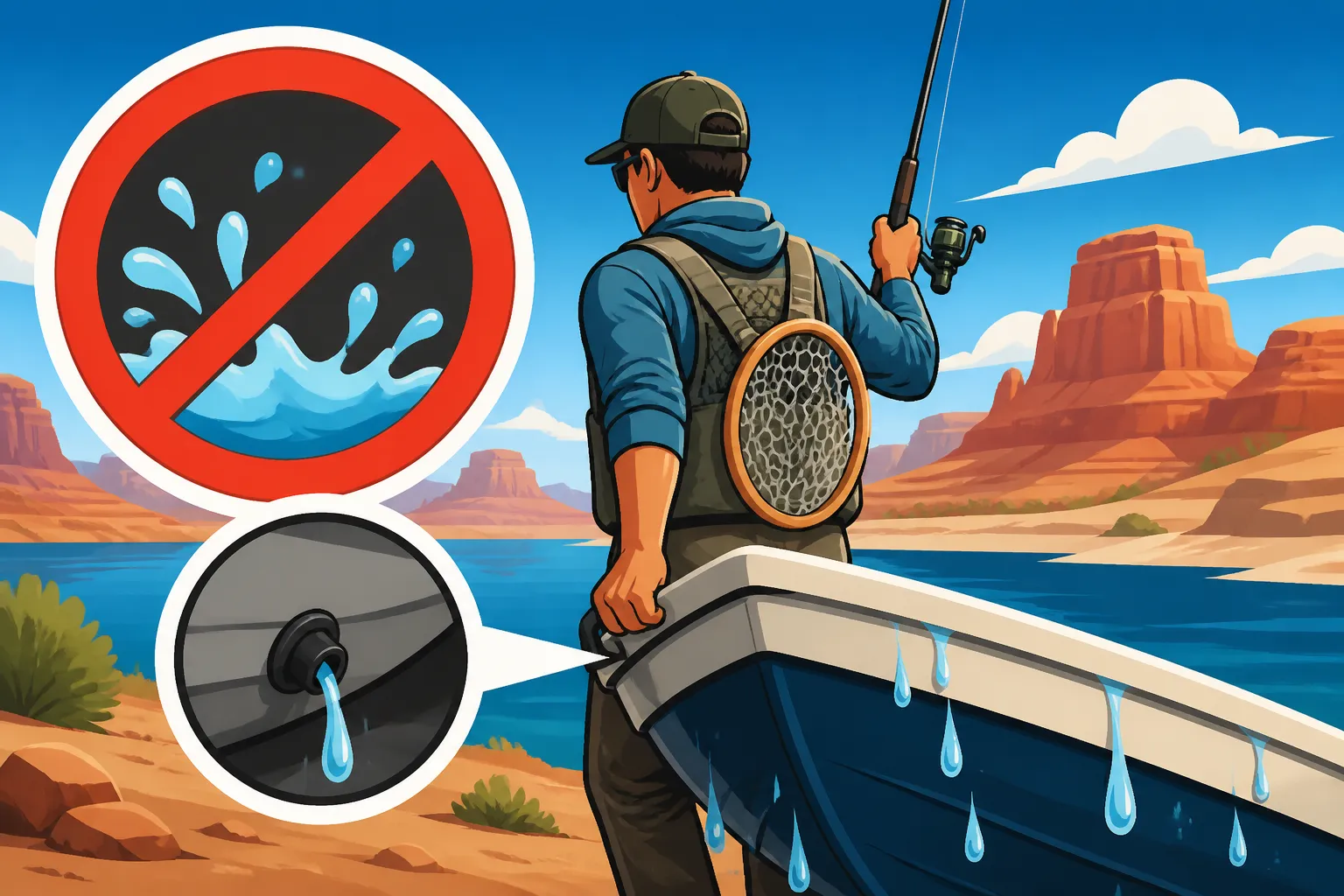
Drain: This is where you release all water from your boat and equipment. Pull the drain plugs, empty your live wells, bilge, ballast tanks, and any other water-holding compartments. Even seemingly small items like bait buckets or coolers need to be completely drained. Many modern boats have complex plumbing systems that can trap water, so ensure you understand how to drain every part of your vessel. When you get to the inspection station, they'll verify this. If you have any internal systems that cannot be fully drained, that's usually where a professional decontamination becomes mandatory, especially from Lake Powell. For more detailed steps on proper boat drying, refer to our article on How to Dry a Boat Properly to Meet Utah's AIS Rules.
Dry: This is the dry time we've been discussing. After cleaning and draining, your boat must be allowed to completely dry for the specified duration. Air drying in the hot Utah sun is effective, but it takes time. Consider opening all compartments, removing seat cushions, and even propping hatches open to maximize airflow. For items like fishing lines, waders, and nets, hang them out to dry thoroughly. Even the smallest amount of moisture can be enough for a mussel veliger to survive. Taking this step seriously is the key to preventing spread and avoiding issues.
Navigating the Inspection and Decontamination Process
Leaving Lake Powell isn't just a matter of pulling your boat out of the water and hitting the road. It involves a mandatory process designed to protect other Utah waterways. Failing to understand and adhere to this process can lead to significant headaches, delays, and financial penalties. Planning ahead and knowing what to expect can make a huge difference in having a smooth departure.
It's not uncommon for first-timers, or even seasoned anglers, to feel a bit intimidated by the inspection process. You might worry about missing a spot, not draining something properly, or simply not knowing the latest regulations. But remember, the inspectors are there to help ensure compliance and protect our waters, not to unfairly penalize you. Approaching the station with a cooperative attitude and having prepared your boat as best as possible will always lead to a better experience.
Finding an AIS Inspection Station
As you leave the Lake Powell area, you'll inevitably encounter clearly marked Aquatic Invasive Species (AIS) inspection stations on major routes. These are impossible to miss, with large signs and often state personnel directing traffic. It is mandatory for all watercraft, including kayaks, paddleboards, and personal watercraft, to stop at these stations when they are open. Even if you've already "Cleaned, Drained, and Dried" your vessel, you still need to pull in for an inspection.
The DWR maintains an updated list of inspection station locations and operating hours on their website. It's always a good idea to check this information before your trip, especially if you're traveling during off-peak seasons or on less-traveled roads, as some stations might be seasonal. Don't assume an inspection station will be closed just because it's early or late in the season; always be prepared to stop. Ignoring these stations can result in citations, fines, and even having your watercraft impounded until it can be properly decontaminated. If you're wondering about specific requirements for smaller craft, our guide on Do Kayaks and Paddleboards Need AIS Inspections in Utah? provides further details.
What Happens During an Inspection
When you pull into an AIS inspection station, a certified DWR technician will guide you through the process. They'll typically start by asking you some questions about your recent boating activities, specifically where you've launched and retrieved your watercraft. Be honest and forthcoming with this information.
Next, the technician will perform a physical inspection of your boat and trailer. They'll look for visible aquatic plants, mud, or mussels. They'll also check all compartments that can hold water, including the bilge, live wells, and ballast tanks, to ensure they are completely drained. They may even use a flashlight or mirror to check hard-to-reach areas. If they find any standing water, visible mussels, or if your boat has been in Lake Powell and hasn't met the required dry time (or received a professional decontamination), they will then determine the next course of action. This could be a professional decontamination on-site if available, or they might issue a "seal and tag" with a mandated dry time. This seal prevents you from launching the boat until the dry time has passed. Remember that Are Boat Inspections Mandatory Before Leaving Lake Powell? Yes, absolutely.
Professional Decontamination Services vs. Self-Decontamination
When leaving Lake Powell, especially if you plan to launch in another Utah waterway sooner than the mandated dry time, a professional decontamination is often the most straightforward option. These services use high-pressure, hot water (typically 140°F or hotter) to thoroughly clean and flush all water-holding compartments, effectively killing any mussels or larvae. Many inspection stations offer these services on-site for a fee, or you can find authorized decontamination service providers in the Lake Powell area or along major travel routes. The cost can vary depending on the size and complexity of your watercraft, but it's often a worthwhile investment for peace of mind and to avoid lengthy dry times. For specifics on the process and costs, consult Utah Quagga Mussel Decontamination Rules or How Long a Professional Boat Decontamination Takes in Utah.
Self-decontamination, while technically possible for boats not leaving infested waters, is extremely difficult and generally not advised for boats coming from Lake Powell due to the high risk. Achieving the necessary hot water temperatures and ensuring every internal compartment is completely flushed and dried is challenging without specialized equipment. The dry time rules for Lake Powell departures are effectively a form of "self-decontamination" through desiccation, but they require strict adherence to the specified drying periods. If you choose to go the dry time route, ensure every single part of your boat and gear is exposed to air and completely dry. You can find some useful equipment to help with drying on platforms like Amazon, such as portable fans or boat cover systems that promote airflow. However, nothing beats the thoroughness of a professional hot-water flush.
Common Misconceptions and Best Practices for Compliance
Even with all the information out there, misunderstandings about AIS regulations persist. It’s easy to get confused, especially when you’re tired after a long day of fishing or driving. Let's tackle some of these common misconceptions and offer some practical tips to make your compliance journey as smooth as possible. Remember, the goal is not to punish, but to protect, and your active participation is vital.
Being prepared before you even get to Lake Powell can save you a lot of hassle on the way out. This includes having the right gear, knowing your boat's systems, and understanding the general flow of the regulations. It also helps to spread the word among your fellow anglers, ensuring that everyone does their part.
Debunking Dry Time Myths
One common myth is that simply driving your boat down the highway will dry it out sufficiently. While some external surfaces might dry, internal compartments, bilges, and any water trapped in plumbing systems will likely remain damp. Airflow is crucial, and highway speeds don't necessarily provide it to all critical areas. Another misconception is that cold weather kills mussels instantly. While freezing temperatures are lethal, mussels can survive for extended periods in moist, near-freezing conditions, which is why dry times are even longer in colder months. Always follow the dry time matrix or the instructions from the DWR inspector, not anecdotal advice.
Some people also believe that if their boat isn't "pretty clean" after a trip, they won't get caught. This is a dangerous assumption. AIS inspectors are highly trained and know exactly where to look for mussels and trapped water. Furthermore, intentionally attempting to evade an inspection or violating a seal and tag is a serious offense. The costs of an impounded boat, fines, and potential legal fees far outweigh the minor inconvenience of following the rules. It's simply not worth the risk, both to your wallet and to Utah's aquatic ecosystems.
Essential Gear and Habits for AIS Prevention
To ensure you're always in compliance and helping to prevent the spread of AIS, adopting a few key habits and having some essential gear can make a world of difference.
Pre-Trip Preparation:
- Know your boat: Understand where all your drain plugs, live well drains, and ballast tank outlets are located. Practice opening and draining them quickly.
- Pack cleaning tools: A stiff brush, a small hand towel, and even a portable shop vac or small pump can be invaluable for removing debris and standing water at the launch. You can find portable boat cleaning kits on Amazon that include brushes and microfiber towels.
- Plan your departure: Factor in time for inspection and potential decontamination or dry time. Don't rush the process.
At the Launch (Before Leaving Lake Powell):
- Clean immediately: As soon as you pull your boat out, remove all visible mud, plants, and debris from the hull, prop, and trailer.
- Drain thoroughly: Open all drain plugs, empty live wells, and run your bilge pump until no more water comes out. Tilt your engine down to drain.
- Inspect your gear: Check fishing lines, anchors, ropes, and anything that contacted the water for any clinging mussels or plant material.
Post-Inspection (If a Dry Time is Issued):
- Respect the seal: Do not break the DWR seal until the specified dry time has fully elapsed.
- Maximize drying: Once home, open all compartments, hatches, and storage areas to promote airflow. Remove floorboards and seat cushions if possible. Using a fan can speed up the process, especially in hard-to-reach areas. Consider a good quality boat cover, also available on Amazon, that allows for air circulation while protecting your boat from the elements.
- Don't re-launch early: Resist the temptation to launch your boat before the dry time is up. The DWR conducts random checks, and the consequences of non-compliance are severe.
By consistently practicing these habits and being proactive, you contribute significantly to the health of Utah's aquatic environments, ensuring that future generations can enjoy the same incredible fishing experiences we do today. Remember, it only takes one missed mussel to start a new infestation, and we all have a role to play in preventing that from happening. For comprehensive boating rules beyond AIS, refer to our guide on Utah Boating and Fishing Rules.
Disclaimer
The information provided in this guide is for general informational purposes only and does not constitute legal advice. While we strive to provide accurate and up-to-date information, regulations concerning aquatic invasive species in Utah can change. It is always the angler's responsibility to consult the most current regulations published by the Utah Division of Wildlife Resources (DWR) or other relevant state agencies and to comply with all applicable laws. When in doubt, always contact the DWR directly or speak with an AIS inspector.