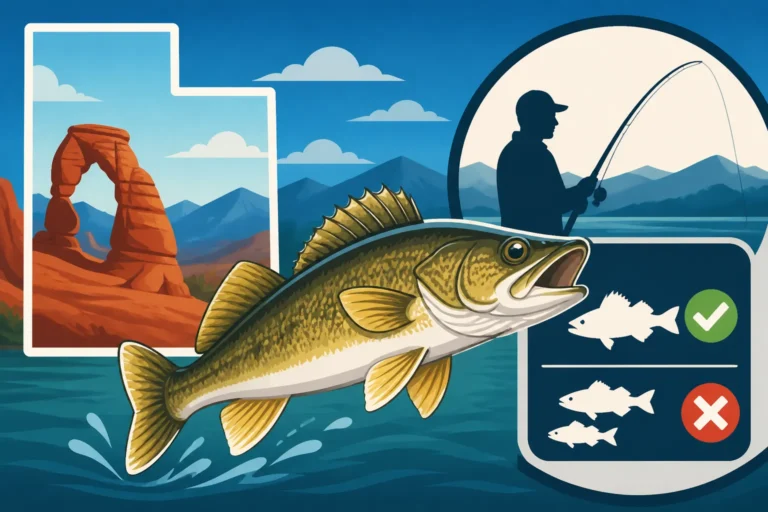
How Many Cutthroat Trout Can You Keep at Strawberry Reservoir?
Navigating the specific fishing regulations for a treasured spot like Strawberry Reservoir can feel like trying to decipher a secret code, especially when you're just eager to cast a line and enjoy a peaceful day on the water. It's frustrating to worry about accidentally breaking a rule when all you want to do is abide by them and contribute to healthy fish populations. This guide is here to untangle the complexities around how many cutthroat trout you can actually keep at Strawberry Reservoir, ensuring you're fully informed and ready for a successful, compliant fishing trip.
Understanding Strawberry Reservoir's Unique Regulations for Cutthroat Trout
Strawberry Reservoir isn't just any lake; it's a blue-ribbon fishery, a crown jewel in Utah's angling landscape, known for its robust populations of cutthroat trout and kokanee salmon. Because of its ecological significance and the incredible fishing it offers, the Utah Division of Wildlife Resources (UDWR) has implemented very specific regulations designed to protect and enhance these precious fish stocks. These aren't just arbitrary rules; they're carefully crafted based on scientific data to ensure sustainable fishing for generations to come. Without these nuanced rules, we'd quickly see declines in the very fish we love to catch.
Why Strawberry's Cutthroat Regulations are So Specific
The cutthroat trout at Strawberry Reservoir are primarily the native Bonneville Cutthroat strain, an ecologically important species that the UDWR has worked tirelessly to restore and maintain. Unlike rainbow trout, which are often stocked for put-and-take fisheries, the cutthroat here are managed to be a self-sustaining population, offering a true trophy fishery. The regulations are specifically designed to manage harvest pressure, allowing enough fish to reach spawning age while providing ample opportunity for anglers to enjoy their catches. This delicate balance is why simply looking at general statewide limits often isn't enough; you need to dive into the specific rules for Strawberry.
The Current Cutthroat Trout Limit at Strawberry Reservoir
Currently, at Strawberry Reservoir, anglers are allowed to keep a combined total of four trout and kokanee salmon. Within this four-fish limit, there are further specific restrictions for cutthroat trout. You may keep only two cutthroat trout, and these cutthroat trout must be under 15 inches or over 22 inches in length. This is what's known as a "slot limit" – it encourages anglers to release medium-sized fish (those between 15 and 22 inches) which are often the most reproductively active, while allowing harvest of smaller, more abundant fish and larger, less common trophy fish. It's a smart strategy to maintain a balanced age structure in the population. You can find more comprehensive details on general limits in our guide to Utah Trout Limits by Water.
This means if you catch a cutthroat measuring between 15 and 22 inches, you must immediately release it unharmed. This particular slot limit is critical for sustaining the quality of the fishery at Strawberry. It's not just about how many, but also about the size of the fish you keep. Always carry a reliable tape measure or a fishing ruler (many are available on Amazon for convenience) to ensure you're compliant.
Understanding Other Species Limits at Strawberry
While cutthroat trout are a major draw, Strawberry Reservoir also offers fantastic fishing for other species like kokanee salmon and splake, which is a hybrid between brook trout and lake trout. The overall four-fish aggregate limit includes these species as well. For kokanee salmon, you can keep four as part of your overall limit, and there's no size restriction. Splake also count towards your overall four-fish limit, and you can keep two of them, again with no specific size slot, although most anglers hope for the biggest ones! It's important to differentiate these species from cutthroat to avoid inadvertently exceeding your specific cutthroat quota. Keep in mind that Utah Fishing Season Dates and Limits and Utah Daily Bag and Possession Limits can change, so always double-check before heading out.
Identifying Cutthroat Trout Accurately
The specific regulations at Strawberry Reservoir make accurate fish identification absolutely paramount. Mistaking a rainbow trout for a cutthroat, or vice-versa, could lead to accidentally exceeding your legal limit or, worse, keeping a fish that should have been released. It's a common concern, especially for new anglers or those visiting from out of state, but with a few key identifiers, you'll be a pro in no time.
Key Features of Strawberry Cutthroat Trout
The most distinctive feature of a cutthroat trout, and the easiest way to identify it, is the presence of a reddish-orange slash or "cut" under its lower jaw. This marking can range from a vibrant crimson to a faint orange, but it's almost always there. Beyond this iconic mark, Strawberry Reservoir cutthroat often exhibit small, dark spots concentrated more towards the tail and sometimes on the dorsal fin. Their body color can vary, but generally, they have a greenish-gold to silvery hue, often with darker backs and lighter bellies. Their fins might also have a slight reddish tint, especially on the lower fins. Taking a quick photo on your phone can help you verify identification if you're unsure before making a decision.
Common Misidentifications and How to Distinguish
The most common mix-up at Strawberry is between cutthroat trout and rainbow trout. Here's how to tell them apart:
- Rainbow Trout: Lack the red "cut" under the jaw. Instead, they typically have a distinct pink or red stripe running horizontally along their sides, which is often more pronounced than any coloration on a cutthroat. Their spots are usually smaller and more evenly distributed over their entire body, including the head, and they often have a more silvery body sheen.
- Splake: These hybrids can be tricky. They often have a vermiculation pattern (worm-like markings) on their back, similar to a brook trout, and their tails are usually more deeply forked than a pure cutthroat's. While some splake might have faint orange coloration, it rarely forms the distinct "cut" of a cutthroat. Their overall color tends to be darker, often with lighter spots.
If you're ever in doubt, it's always best to err on the side of caution and release the fish. It's much better to release a keeper than to keep a fish you shouldn't have! This commitment to accurate identification is a hallmark of a responsible angler, ensuring the health of the fishery for everyone. For a deeper dive, check out our guide on How to Identify Utah Trout Species.
The Importance of Correct Identification for Conservation
Correct identification isn't just about avoiding a citation; it's about being a good steward of our natural resources. The slot limit for cutthroat at Strawberry Reservoir is specifically designed to protect the breeding population. If anglers are mistakenly keeping cutthroat within the protected slot, or exceeding the two-fish cutthroat limit by misidentifying other trout as cutthroat, it undermines the conservation efforts. Every fish released unharmed within that 15-22 inch slot contributes to future generations of cutthroat and sustains the world-class fishery that makes Strawberry so famous. Your careful attention to these details truly makes a difference.
Practical Advice for Anglers at Strawberry Reservoir
Fishing at Strawberry Reservoir is an incredible experience, and being prepared with the right knowledge and gear will make it even better. Beyond just knowing the limits, understanding how to apply them and what tools you'll need can elevate your trip from good to unforgettable.
Planning Your Trip and Gear for Strawberry
Before you even leave home, ensure you have the necessary documentation. A valid Utah fishing license is non-negotiable, and you can learn more about securing yours in our Utah Fishing License Guide. When it comes to gear, a reliable rod and reel setup for trout fishing is essential. For cutthroat at Strawberry, many anglers prefer a medium-light spinning rod with 4-6 pound test line. If you're looking for recommendations, our Best Fishing Rods for Utah Anglers article might be helpful.
Beyond the basics, you absolutely need a good measuring device. A flexible, waterproof tape measure or a rigid bump board is crucial for quickly and accurately determining if your cutthroat falls within the legal harvest slot. You can easily find these online or at local tackle shops. A pair of needle-nose pliers or a de-hooking tool is also invaluable for quickly releasing fish, especially those you're required to let go. Carry a small cooler with ice to properly store any fish you decide to keep; fresh fish tastes better, and it's simply good practice to preserve your harvest correctly. For a more complete packing list, consider our comprehensive Utah Fishing Gear Guide.
Handling and Measuring Fish Responsibly
When you land a fish at Strawberry, the first step is to quickly and carefully bring it aboard or to shore. If it's a cutthroat, measure it immediately. Lay the fish on your measuring device, ensuring its mouth is against the "0" mark and its tail is extended naturally. Get a clear reading of the length.
Cutthroat Trout Measuring and Decision Flow:
| Length Category | Action Required | Legal to Keep? |
|---|---|---|
| Under 15 inches | Measure carefully. | Yes, if you haven't exceeded your two-cutthroat limit. |
| 15 to 22 inches (inclusive) | IMMEDIATELY RELEASE UNHARMED. | NO. This is the protected slot. |
| Over 22 inches | Measure carefully. | Yes, if you haven't exceeded your two-cutthroat limit. |
If the fish is within the 15-22 inch slot, or if you've already kept your two legal cutthroat, you must release it. Handle the fish gently, minimizing its time out of water. Use wet hands to avoid removing the protective slime coat, and remove the hook carefully. If the fish is deeply hooked, consider cutting the line near the hook rather than tearing internal organs. For best practices, review our tips on How to Release a Fish Without Hurting It in Utah. Releasing fish properly increases their chances of survival and ensures the fishery remains vibrant.
Staying Informed on Regulation Changes
Fishing regulations, while generally stable, can and do change. The UDWR continuously monitors fish populations and environmental conditions, and they adjust rules as needed to maintain healthy fisheries. The best way to stay current is to always check the most recent Utah Fishing Guidebook before each fishing season or trip. This guidebook is available digitally on the UDWR website and in print at most license vendors and sporting goods stores like those found through an Amazon search. Additionally, signing up for email updates from the UDWR or following their social media channels can provide timely alerts about any emergency changes or important news regarding specific waters like Strawberry Reservoir. Being proactive in checking these resources ensures you're always fishing legally and responsibly.
Conservation and Responsible Angling at Strawberry Reservoir
Every angler has a role to play in the health of Strawberry Reservoir. It's not just about catching fish; it's about participating in the long-term stewardship of this incredible natural resource. Understanding the 'why' behind the rules fosters a deeper appreciation for conservation efforts.
The Role of Slot Limits and Bag Limits in Management
The specific slot limit (under 15 inches or over 22 inches) and the two-fish cutthroat bag limit at Strawberry Reservoir are scientific tools used by fisheries biologists. The primary goal of the slot limit is to protect the sexually mature, reproducing cutthroat trout, typically those in the 15-22 inch range. By making it mandatory to release these fish, the UDWR ensures they have the opportunity to spawn and contribute to the next generation of fish. This strategy helps maintain a strong, diverse population structure. The overall bag limits, including the combined trout and kokanee limit, manage the total harvest pressure, preventing overfishing and ensuring sustainable numbers of fish for recreational angling. These limits are a direct reflection of the reservoir's capacity to support fish and the management goals to create a trophy fishery.
Contributing to Healthy Fish Populations Through Your Actions
Beyond simply following the regulations, your personal angling practices can significantly contribute to the health of fish populations at Strawberry. Practicing catch-and-release with care, especially for those slot-limit fish, is paramount. Using appropriate tackle that minimizes harm, such as single, barbless hooks, can also reduce injury to released fish. Being mindful of your impact on the shoreline and surrounding environment, like properly disposing of trash and avoiding disturbance of spawning beds, are also crucial elements of responsible angling. Remember that the health of the entire ecosystem, from water quality to riparian habitats, directly affects the fish. The more we collectively respect these principles, the better the fishing will be for everyone, ensuring that Strawberry remains a premier destination for years to come.
Reporting Violations and Promoting Stewardship
If you ever witness someone violating fishing regulations at Strawberry Reservoir, or any other Utah water, it's important to report it to the UDWR. They have a dedicated hotline, Operation Game Thief, which allows individuals to anonymously report poaching or other illegal activities. Reporting helps enforcement officers protect fish populations from illegal harvest that can quickly undo years of careful management. Beyond reporting, simply being a positive example to other anglers and helping to educate those who might be unaware of specific rules can go a long way. Share your knowledge responsibly and encourage others to embrace the spirit of conservation. It's through this collective stewardship that we ensure the vibrancy of Utah fishing.
Disclaimer
Please remember that fishing regulations can change. While this guide provides the most current information available at the time of writing, it is always your responsibility to consult the official Utah Fishing Guidebook published by the Utah Division of Wildlife Resources (UDWR) before engaging in any fishing activity. The UDWR Guidebook is the authoritative source for all regulations, including bag limits, size restrictions, and season dates. Following these official guidelines ensures you are fishing legally and responsibly.