Utah Combination Hunting and Fishing License
It can be incredibly frustrating trying to navigate the maze of licenses, permits, and regulations that come with enjoying Utah's incredible outdoors. Many of us just want to get out there and enjoy both hunting and fishing without buying a stack of separate papers or wondering if we missed something crucial. This comprehensive guide is here to clear up all the confusion surrounding the Utah Combination Hunting and Fishing License, helping you decide if it's the right fit for your adventures and how to get yours without a headache.
Understanding the Utah Combination License: Is It Right for You?
Utah is a paradise for outdoor enthusiasts, offering world-class fishing in places like Strawberry Reservoir and Flaming Gorge, alongside fantastic hunting opportunities for everything from deer to elk. But juggling individual licenses for each pursuit can feel like a bureaucratic nightmare. That's where the combination license comes in, designed to simplify things for those who love both casting a line and pursuing game.
What Exactly Is a Combination License?
At its heart, the Utah Combination Hunting and Fishing License is exactly what it sounds like: a single license that grants you general statewide fishing privileges and general statewide hunting privileges for a standard license year. It's meant to be a convenient "all-in-one" option for the avid outdoors person. Think of it as a foundational pass that gets you in the door for both activities. It covers common fishing for species like trout, bass, and panfish in most public waters, and general season hunting for species like cottontail rabbit, snowshoe hare, and various upland game birds, along with the ability to apply for big game draws. It does not automatically include specific big game tags (like for deer or elk), waterfowl stamps, or other specialized permits; these are typically purchased separately or obtained through a draw system, even with a combo license. However, having the combination license allows you to participate in those draws and purchase the necessary stamps when available, streamlining the initial step.
The Core Benefits and Drawbacks of Combining
The primary benefit of a combination license is, without a doubt, convenience. Instead of remembering to buy and carry two separate documents, you have one. This is particularly appealing for folks who spend a lot of time outdoors and might transition from fishing to small game hunting in the same season, or even on the same trip. It can also, in many cases, offer a cost saving compared to purchasing a general hunting license and a general fishing license individually. We’ll dive into the specifics of this savings a bit later. Furthermore, it simplifies the renewal process; you're just renewing one item each year. For someone who consistently participates in both activities, this streamlined approach really makes a difference.
However, there can be drawbacks. If you only fish occasionally and rarely hunt, or vice versa, the combination license might actually be more expensive than just buying the one specific license you need. It's designed for multi-sport enthusiasts, not casual, single-activity participants. Another point to remember is that while it covers general hunting, you'll still need to secure specific permits for big game, which are often obtained through the DWR's limited-entry draw system. So, it's not truly everything in one package, but rather a powerful base. For many, the minor extra cost (if any) is well worth the peace of mind and simplified administration.
Who Should Consider a Combination License?
If you're someone who loves to chase trout in the morning and then head out for some squirrel hunting in the afternoon, or if you regularly apply for deer or elk tags and fish throughout the year, then the combination license is probably your best bet. It’s ideal for:
- The dedicated multi-sport enthusiast: Those who genuinely participate in both hunting and fishing on a regular basis throughout the year.
- Budget-conscious anglers and hunters: If the combined cost is indeed less than buying two separate licenses, it’s a smart financial move. We'll detail the precise costs in a later section, so you can calculate for yourself.
- Those who want flexibility: Maybe you don't plan to hunt doves this fall, but if the opportunity arises, having the general hunting privilege already in hand means one less step.
- Families where multiple members are involved: If your whole family is into both pursuits, consolidating licenses can be a real time-saver.
However, if you only fish one day a year on Utah's Free Fishing Day, or only purchase a hunting license every few years for a specific big game draw, then a standalone license for your chosen activity might be more appropriate. It's all about matching the license to your actual outdoor habits.
Eligibility Requirements for a Utah Combination License
Before you even think about pulling out your wallet, it’s crucial to understand who qualifies for a Utah Combination Hunting and Fishing License. The requirements largely mirror those for individual hunting and fishing licenses but are combined for simplicity. The most significant factor determining both eligibility and cost is your residency status, followed by age and any special circumstances you might have.
Residency vs. Non-Residency: What You Need to Know
This is arguably the most critical distinction when purchasing any Utah DWR license. Utah residents typically enjoy significantly lower license fees, which is a common practice across states to support local conservation efforts from local taxpayers. To qualify as a resident for licensing purposes, you must have lived in Utah continuously for at least six consecutive months immediately prior to purchasing the license. This isn't just about owning property; it's about establishing genuine domicile. You'll need to provide proof of residency, often a valid Utah driver's license or state ID card that reflects your current address. For those wondering, yes, if you're an out-of-state college student, you might qualify as a resident under specific circumstances, but generally, you need to meet the same six-month residency rule. You can learn more about specific residency requirements in our guide on Utah Fishing License Residency Proof Requirements.
Non-residents, on the other hand, are individuals who do not meet these residency criteria. This includes tourists, visitors, and those who maintain primary residency in another state. Non-resident licenses are considerably more expensive, reflecting the costs of managing wildlife and fisheries that are primarily funded by resident taxes and license sales. It’s vital to be honest about your residency status; misrepresenting it can lead to hefty fines and penalties.
Age Restrictions and Special Categories
Age plays a significant role in both the requirement for a license and the cost.
- Youth: In Utah, kids under 12 years old generally do not need a fishing license. However, if they are hunting, they might need a license regardless of age if they are participating in a mentored youth hunt or other specific programs. For ages 12-17, there are specific youth license costs. A combination license would cover both fishing and hunting needs for these age groups, often at a reduced rate. Our article on Utah Youth Fishing License Rules offers more details.
- Adults: The standard adult rates apply from age 18 up to 64 for residents. Non-resident adult rates apply from age 18 and up.
- Seniors: Utah offers discounted licenses for senior residents, typically starting at age 65. This is a fantastic benefit for lifelong anglers and hunters who want to continue enjoying the outdoors.
- Disabled Veterans and Individuals with Disabilities: Utah also provides valuable discounts and exemptions for disabled veterans and individuals with qualifying disabilities. For example, a Utah Disabled Veteran Fishing License is available, and there are often provisions for those with physical disabilities that affect their ability to participate in fishing or hunting. These programs require specific documentation, such as proof of service-connected disability from the Department of Veterans Affairs or a doctor's certification for other disabilities. It’s always best to check the most current DWR regulations for exact requirements and how to apply.
Proving Eligibility: Documents and Requirements
When you purchase your combination license, whether online or in person, you'll need to verify your eligibility. For residents, this typically means a valid Utah driver's license or state identification card. If you've recently moved to Utah and haven't updated your ID, you might need additional documentation like utility bills, vehicle registration, or tax documents that prove your physical presence in the state for the required six months.
For special categories like disabled veterans or individuals with disabilities, prepare to provide official documentation. This could be a letter from the VA confirming a service-connected disability rating or a physician's statement outlining your disability. It's always a good idea to gather these documents before you start the purchase process to avoid delays. The Utah DWR is quite specific about what they accept, so a quick call to a local DWR office can save you a lot of hassle if you have unique circumstances.
Navigating the Costs: Combination vs. Separate Licenses
One of the biggest questions people have about the Utah Combination Hunting and Fishing License is whether it actually saves them money. It’s a valid concern! While convenience is a huge draw, nobody wants to pay more than they have to. Let’s break down the costs and see how they stack up.
Breakdown of Combination License Costs
The cost of a Utah Combination Hunting and Fishing License varies significantly based on your residency status and age. Generally, resident licenses are substantially less expensive than non-resident licenses. The DWR sets these prices annually, so it's always wise to check their official website for the most current figures, but here’s a snapshot of what you might expect for the general annual license, excluding any specialized tags or permits.
Typical Annual Utah Combination License Costs (Approximate as of recent data):
| License Type | Resident Annual Price (Approx.) | Non-Resident Annual Price (Approx.) |
|---|---|---|
| Adult (18-64) | $38.00 – $40.00 | $140.00 – $150.00 |
| Youth (14-17) | $20.00 – $25.00 | $40.00 – $50.00 |
| Youth (12-13) | $10.00 – $15.00 | $25.00 – $30.00 |
| Senior (65+) | $30.00 – $35.00 | N/A (Non-resident senior discounts not typical) |
| Disabled Veteran | $10.00 – $15.00 | N/A (Resident-specific discount) |
Note: These are approximate costs and can change. Always refer to the official Utah DWR website for the most up-to-date pricing. Prices may also include small processing fees.
As you can see, for residents, the price is quite reasonable for a full year of general hunting and fishing privileges. Non-resident costs, while higher, still offer a consolidated approach for those visiting Utah for extended outdoor trips. You can get a detailed breakdown of specific age-related costs by checking our guide on Utah Fishing License Costs by Age and Residency.
Comparing Costs: Is it Cheaper Than Buying Separately?
This is the million-dollar question for many! In most cases, yes, buying a combination license is indeed more cost-effective than purchasing a general fishing license and a general hunting license separately for the same year.
Let’s look at an example for an adult resident (ages 18-64):
- Separate Annual Fishing License: Around $20-$25
- Separate Annual Hunting License: Around $30-$35
- Total if purchased separately: $50-$60
- Combination License: Around $38-$40
- Potential Savings: $12-$22
For a non-resident adult (ages 18+):
- Separate Annual Fishing License: Around $80-$85
- Separate Annual Hunting License: Around $120-$125
- Total if purchased separately: $200-$210
- Combination License: Around $140-$150
- Potential Savings: $50-$70
As you can clearly see, the savings are significant, especially for non-residents. This makes the combination license a compelling option if you plan to partake in both hunting and fishing within a single license year. For specific resident costs, you can review our post on Utah Resident Fishing License Cost and for non-resident specifics, see Utah Nonresident Fishing License Cost.
Hidden Fees and Additional Stamps/Permits
It’s important to understand that the combination license covers your general hunting and fishing privileges. However, it does not act as a catch-all for every single outdoor activity. You will likely need additional stamps or permits depending on what you plan to hunt or fish for.
- Big Game Tags: If you want to hunt big game like deer, elk, moose, or bighorn sheep, you’ll need to apply for these specific tags through the DWR's draw system. Your combination license makes you eligible to apply, but the tags themselves are an additional cost.
- Waterfowl Stamps: If you plan to hunt migratory birds like ducks and geese, you'll need both a federal duck stamp and a Utah Waterfowl Stamp. These are separate purchases.
- Archery/Muzzleloader Permits: If you're hunting with specific equipment during specific seasons (e.g., archery deer), you might need an additional permit for that specific hunting method.
- Specialty Fishing Permits: While rare, some unique fishing opportunities might require additional permits. For most general angling, the fishing privilege included in the combo license is sufficient.
- Processing Fees: Whether you buy online or through a vendor, a small processing fee is often added to the total cost. This is standard and usually minimal.
So, while the combination license offers great savings and convenience for your core activities, always factor in these potential additional costs based on your specific hunting and fishing plans.
How to Purchase Your Utah Combination License
Getting your Utah Combination Hunting and Fishing License is a relatively straightforward process these days, thanks to modern technology and a good network of vendors. You have a few options, each with its own benefits, allowing you to choose the method that best suits your needs and location.
Online Purchase Process and Digital Storage
For many, the easiest and most convenient way to purchase a Utah Combination Hunting and Fishing License is online through the Utah Division of Wildlife Resources (DWR) website. The process is designed to be user-friendly:
- Visit the DWR Website: Head to the official Utah DWR licensing portal.
- Create or Log In to Your Account: If you’re a new user, you’ll need to create a customer account, providing personal details like your name, address, date of birth, and driver’s license number. If you’re a returning angler or hunter, simply log in.
- Select Your License: Navigate to the "Combination Hunting and Fishing License" option. You'll specify your residency status and confirm your age.
- Add to Cart and Checkout: Review your selection, add any additional permits or stamps you might need (like a federal duck stamp if hunting waterfowl), and proceed to checkout.
- Payment: You’ll pay securely with a credit or debit card. There's usually a small processing fee for online transactions, but it's typically minimal.
- Print or Save: Once purchased, you'll receive a digital copy of your license. You can print this out to carry a physical copy, or even better, save it to your phone. The Utah DWR allows you to display a digital version of your license on a mobile device, which is incredibly convenient. Our guide on How to Store a Utah Fishing License on Your Phone has more tips on this. This online method is often the quickest way to get your license, especially if you suddenly decide to head out for a last-minute fishing or hunting trip.
In-Person Retailers and DWR Offices
If you prefer a face-to-face interaction, need assistance, or just like having a physical receipt immediately, you can purchase your combination license in person.
- DWR Offices: All Utah Division of Wildlife Resources offices across the state sell licenses. This is a great option if you have complex questions about regulations, need help with special permits, or want to speak directly with a DWR representative. They can provide expert advice and ensure you get exactly what you need.
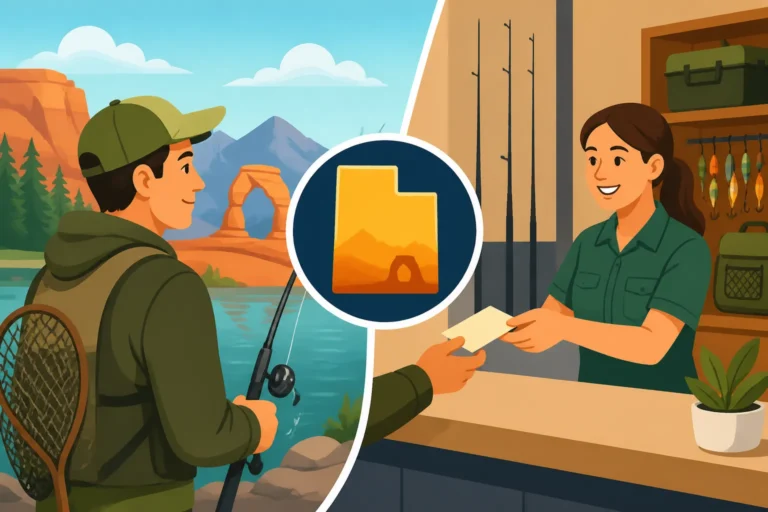
- Authorized Retailers: Many sporting goods stores, bait and tackle shops, and even some general merchandise stores are authorized DWR license agents. Think your local Walmart or Sportsman's Warehouse, or smaller, independently owned tackle shops. These locations are often more numerous and have extended hours, making it convenient to pick up a license when you're stocking up on bait, lures, or other gear (perhaps some great waders you found on Amazon!). Just be prepared with your personal identification and method of payment. You can find a list of authorized agents on the DWR website or by checking our guide on Where to Buy a Utah Fishing License in Person. The staff at these locations are usually familiar with the process and can quickly get you set up.
What Information You'll Need to Provide
Regardless of how you purchase your combination license, you’ll need to provide some standard personal information. This is crucial for identification and enforcement purposes.
- Full Legal Name: As it appears on your official identification.
- Date of Birth: To verify age and eligibility for specific license types (youth, senior, etc.).
- Physical Address: For residency verification.
- Driver’s License or State ID Number: This is typically the primary form of identification for residents. Non-residents may use their home state driver’s license.
- Eye Color and Hair Color: For physical identification on the license.
- Height and Weight: Also for physical identification.
- Proof of Residency (if applicable): As mentioned earlier, if your driver's license isn't updated or you're a new resident, have supporting documents ready.
- Proof of Special Status (if applicable): For disabled veteran or disability licenses, bring the required official documentation.
Having all this information readily available will make the purchase process smooth and quick, getting you out on the water or in the field faster.
Hunting and Fishing Privileges with the Combination License
So, you've got your Utah Combination Hunting and Fishing License in hand! Congratulations! But what exactly does it allow you to do? It’s important to distinguish between the general privileges it grants and the specialized permits you might still need for certain species or activities.
General Fishing Privileges and Species Covered
Your combination license includes all the general fishing privileges of a standard Utah annual fishing license. This means you can fish in most public waters throughout the state, adhering to all statewide and specific waterbody regulations. This covers:
- Trout: You can target rainbow, brown, brook, and cutthroat trout, which are abundant in Utah's rivers, streams, and reservoirs. Whether you're fly fishing the Provo River or bait fishing at a community pond, your license has you covered.
- Warmwater Species: This includes bass (largemouth and smallmouth), catfish, walleye, perch, and panfish (like bluegill and sunfish). Lakes like Utah Lake are prime for catfish and walleye, while Flaming Gorge offers excellent smallmouth bass fishing.
- Other Game Fish: Species like kokanee salmon (where allowed), tiger muskie, and wiper are also generally covered under your basic fishing privilege, though specific seasons, limits, and locations apply.
Remember, while your license allows you to fish, you must always abide by the current Utah Fishing Regulations Explained. These regulations detail daily bag and possession limits, size restrictions, legal baits and tackle, and any seasonal closures for specific waters (like the Strawberry Reservoir Seasonal Closure Dates). Always carry a copy of the current fishing proclamation or have it accessible on your phone!
General Hunting Privileges and Game Species
The hunting portion of your combination license grants you the privilege to hunt small game and upland game birds statewide during their respective open seasons. This includes a wide array of species that don't require specific limited-entry permits:
- Small Game: Think cottontail rabbit and snowshoe hare. These are popular pursuits for many hunters and provide a great way to hone your skills.
- Upland Game Birds: This category is quite diverse and includes pheasants, chukar, partridge (Hungarian), grouse (ruffed, dusky, greater sage), wild turkeys (though specific permits are usually drawn), and mourning doves.
- Predators/Furbearers: Some of these may be taken with a general hunting license, but it's always critical to check the current proclamation as regulations can change, especially for furbearers which might require a trapping license.
Crucially, the combination license also makes you eligible to apply for limited-entry or cooperative wildlife management unit (CWMU) permits for big game species like deer, elk, moose, pronghorn, bighorn sheep, and mountain goats. While the combination license doesn't give you these tags, it's the necessary prerequisite to enter the highly competitive draws. Without a current hunting license (or a combo license), you can't even apply. So, if you dream of a trophy deer hunt, this license is your first step.
Special Tags, Permits, and Draw Systems
It's absolutely vital to understand what your combination license doesn't automatically cover. The general rule of thumb is: if it's a highly sought-after species or requires specialized management, you'll need an additional permit or tag.
- Big Game Tags: As mentioned, deer, elk, moose, bear, cougar, etc., all require specific tags obtained through a drawing system or over-the-counter sales for specific units (which are rare). The combination license is your entry ticket to the draw, but not the tag itself.
- Waterfowl Stamps: Hunting ducks, geese, and swans requires both a federal migratory bird hunting and conservation stamp (often called a "duck stamp") and a Utah Waterfowl Stamp. You can often purchase these at the same time as your combination license, but they are separate costs.
- Dedicated Turkey Permits: While turkeys are upland game birds, Utah typically manages them with specific permits for spring and fall seasons, often requiring a draw or over-the-counter purchase for limited units.
- Archery/Muzzleloader Permits: If you plan to hunt during designated archery or muzzleloader seasons for big game, you will typically need an additional permit specific to that weapon type.
- Aquatic Invasive Species (AIS) Sticker: If you operate any boat or watercraft on Utah waters, you'll need an AIS sticker. This isn't part of your fishing license but is a separate requirement to help prevent the spread of invasive species like quagga mussels. You can read more about Utah Aquatic Invasive Species Rules for Anglers.
Always consult the current Utah DWR hunting and fishing proclamations for the year you plan to participate. These documents are your official guide and will detail all specific requirements for every species and region. Missing a needed tag or permit can lead to significant penalties, including fines and license suspension.
Maintaining Your License: Renewals, Replacements, and Rules
Once you've purchased your Utah Combination Hunting and Fishing License, the journey doesn't end there! Understanding how to maintain it, what to do if it's lost, and the rules you absolutely must follow are just as important as the initial purchase. Staying informed will ensure your time outdoors remains enjoyable and legal.
Understanding the License Year and Renewal Process
A Utah annual combination license is valid for one full year from the date of purchase. For example, if you buy it on March 15th, 2024, it will be valid until March 14th, 2025. This differs from some states that use a calendar year (January 1st to December 31st). Knowing this validity period is crucial for timely renewal. You certainly don't want to be caught fishing or hunting with an expired license, as that can lead to penalties.
Renewing your license is a breeze, especially if you initially purchased it online.
- Online Renewal: Log in to your Utah DWR account on their website. Your past licenses will be linked to your profile, making it easy to select the combination license for renewal. The system will guide you through updating any personal information and processing payment. Many anglers opt for renewal reminders via email or text, which is a great way to stay on top of the expiration date. You can learn more in our Utah Fishing License Renewal Guide.
- In-Person Renewal: You can also renew in person at any DWR office or authorized license agent. Just bring your old license (if you have it) and your identification, and they can process the renewal for you.
Setting a reminder on your phone or marking your calendar is a simple, effective way to ensure you're always covered.
What to Do if You Lose Your License
It happens to the best of us! Whether it slipped out of your wallet on the river or got misplaced at home, losing your license can be a minor panic-inducing moment. Thankfully, replacing a lost Utah Combination Hunting and Fishing License is quite simple:
- Online Reprint: If you purchased your license online or have an active DWR account, you can usually log in and reprint your license at no additional cost. This is the quickest and easiest method. You can even save the PDF to your phone again.
- DWR Office or Authorized Agent: Visit any Utah DWR office or an authorized license agent. They can look up your purchasing history and issue you a replacement copy, though a small reprint fee might be applied.
The key is to replace it promptly. You are required to have your license on your person while engaging in hunting or fishing activities. Relying solely on memory or hoping you won't get checked is a recipe for trouble.
Common Violations and Penalties to Avoid
Ignorance of the law is never an excuse, and violating Utah's hunting and fishing regulations can lead to serious consequences. With a combination license, you're responsible for understanding regulations for both pursuits. Common violations include:
- Fishing or Hunting Without a Valid License: This is perhaps the most common violation and carries significant fines. Even an expired license counts as fishing without one. Check out Utah Fishing License Penalties for Violations for a deeper dive.
- Exceeding Bag or Possession Limits: Keeping more fish or game than legally allowed. This often varies by species and waterbody.
- Fishing or Hunting During a Closed Season: Engaging in activities outside of the designated open dates for a particular species or area. For example, trying to fish Strawberry Reservoir when it's seasonally closed.
- Using Illegal Methods or Bait: For instance, using live bait where only artificial flies and lures are permitted, or using an illegal hunting weapon.
- Hunting or Fishing on Private Property Without Permission: Always secure written permission from landowners before accessing private property.
- Failing to Tag Game Properly: Big game animals typically require immediate tagging after harvest.
- Waste of Game or Fish: Letting harvested animals or fish spoil or go to waste.
Penalties for these violations can range from monetary fines (which can be substantial) to forfeiture of equipment, suspension or revocation of hunting and fishing privileges, and even jail time for severe offenses. Wildlife officers are out there to enforce these rules to protect Utah's precious natural resources, so always be respectful, know the rules, and practice ethical outdoor behavior.
Beyond the Basic License: Additional Considerations
Your Utah Combination Hunting and Fishing License is a fantastic foundation, but successfully navigating Utah's outdoor scene often requires a few more pieces of the puzzle. From keeping our waters clean to ensuring your boat is legal, there are a couple of crucial considerations that go hand-in-hand with your license.
Aquatic Invasive Species (AIS) Requirements
Utah is incredibly proactive in preventing the spread of Aquatic Invasive Species (AIS) like quagga and zebra mussels. These tiny creatures can wreak havoc on ecosystems, fisheries, and infrastructure. Because of this, anyone operating a watercraft (including motorboats, sailboats, personal watercraft, kayaks, canoes, and even paddleboards) on Utah waters is required to have an AIS education course completion and an AIS sticker on their vessel. This sticker is separate from your fishing license.
- What you need to do: If you launch any type of boat, you'll need to pay an annual AIS fee and sometimes undergo an inspection. Larger motorized vessels often require mandatory inspections upon leaving certain high-risk waters, like Lake Powell, before you can launch them elsewhere. If your boat needs decontamination after leaving a contaminated waterbody, there are specific protocols and dry time rules to follow. This is a critical step in protecting our waters, and ignoring it can lead to significant fines. You can locate inspection stations and learn more in our article on Utah Aquatic Invasive Species Inspection Stations. Even if you only float tube on a small pond, it’s a good idea to understand these rules and clean, drain, and dry your equipment.
Boating Registration and Safety Courses
If your outdoor adventures include fishing or hunting from a motorized boat, you'll need to ensure your vessel is properly registered and that you meet any boater education requirements.
- Boat Registration: All motorized boats, and any sailboat over 8 feet in length, must be registered with the Utah Division of Outdoor Recreation. This involves annual fees and ensures your boat is legally identified. Your combination license does not cover this; it's a separate administrative process.
- Boater Education Course: Anyone born after January 1, 1988, who operates a motorboat or PWC (Personal Watercraft) on Utah waters is required to complete an approved boater education course. This course covers important safety information and navigation rules, essential for keeping yourself and others safe on the water. Even if you're an experienced boater, taking the course is a good refresher and a legal necessity for many. This requirement also applies if you're fishing from a boat. You can read more about it in our post on Utah Boater Education Course Requirement.
While these requirements aren't directly part of your hunting and fishing license, they are inextricably linked to enjoying many of Utah's prime fishing and hunting spots, especially those accessed by water. It’s always best to be fully compliant to avoid unexpected fines or delays to your outdoor plans.
Special Regulations for Specific Waters or Hunting Units
Utah's diverse landscapes and ecosystems mean that blanket regulations don't always apply everywhere. Your combination license grants you general privileges, but specific locations often have their own unique rules designed to manage particular fisheries or game populations.
- Blue Ribbon Fisheries: Waters designated as "Blue Ribbon Fisheries" (like sections of the Green River below Flaming Gorge Dam or the Provo River) often have special regulations such as catch-and-release only sections, artificial lure/fly only rules, or specific slot limits to protect trophy fish. For example, you can learn more about these special rules in our article on Utah Blue Ribbon Fisheries Rules.
- Invasive Species Waters: Some waters, like Utah Lake for northern pike, have mandatory harvest rules for invasive species. You might even be required to kill every fish of a certain species you catch. This is a critical management tool, and knowing these rules is paramount. Our article on Why Utah Lake Requires You to Kill Every Northern Pike explains this in detail.
- Limited-Entry Hunting Units: For big game hunting, specific units will have unique regulations regarding weapon type, season dates, and even antler point restrictions.
- Private/Tribal Lands: Fishing or hunting on private property or tribal lands (like the Uintah and Ouray Reservation) often requires additional permits or fees directly from the landowner or tribal authority, even if you have a state combination license. This is crucial for respecting property rights and tribal sovereignty.
Always, always check the current DWR proclamations for the specific waterbody or hunting unit you plan to visit. A few minutes of research before you go can prevent a lot of headaches and ensure you're a responsible participant in Utah's outdoor heritage.
Making the Best Choice for Your Outdoor Adventures
Deciding whether a Utah Combination Hunting and Fishing License is the right fit for you really boils down to your personal outdoor habits and priorities. It's not just about the cost, though that's a big part of it, but also about convenience, planning, and understanding the scope of your outdoor pursuits.
Weighing Convenience Against Cost Savings
For many, the combination license strikes an excellent balance. The sheer convenience of having one document for both general hunting and fishing activities is a huge plus, especially if you're someone who transitions between the two frequently throughout the year. No more scrambling to buy a separate license when a last-minute opportunity arises. This convenience often outweighs a minimal cost difference for dedicated enthusiasts. If you are regularly out fishing at Deer Creek Reservoir and then decide to go pheasant hunting a few weeks later, having that combo license already handled means less bureaucracy and more time in the field.
However, if your engagement in one activity is very sporadic – say, you only fish one or two times a year, or you only apply for a big game tag every few seasons and don't participate in small game hunting – then the cost savings might not be as apparent, or it might even be cheaper to buy single-activity licenses as needed. For instance, if you're just dipping your toes into fishing, maybe our guide to Utah Fishing Techniques for Beginners and a basic fishing license is a better starting point before committing to a combo. The important thing is to be honest with yourself about your true outdoor participation levels.
Planning Your Season: Hunting and Fishing Calendars
A great way to decide on the combination license is to look at your anticipated year ahead.
- Map out your interests: Are you an avid ice angler who also loves spring turkey hunting? Do you enjoy summer bass fishing and fall deer hunting? If your calendar typically includes multiple hunting and fishing trips, the combination license offers seamless coverage.
- Consider big game draws: If applying for big game tags is a regular part of your yearly plan, then a current hunting license (which the combo includes) is a prerequisite. This alone can justify the combo license for many, even if their general hunting is limited to applying for draws.
- Flexibility for spontaneous trips: Sometimes the best outdoor adventures are the unplanned ones. Having a combination license means you're ready to go whether your buddy calls with a last-minute fishing invite or a tip on a great spot for rabbit hunting.
The DWR's annual proclamations for both hunting and fishing seasons are invaluable tools for planning. They detail open dates, specific species, and regulations, allowing you to envision your year and see how a combo license fits in.
Resources for Further Information and Support
The Utah Division of Wildlife Resources (DWR) is your ultimate authority for all things related to hunting and fishing licenses and regulations. Their website is a treasure trove of information, regularly updated with the latest proclamations, news, and services.
- DWR Website: Bookmark wildlife.utah.gov. You’ll find sections dedicated to licenses, regulations, species guides, and even an online map tool to help you find prime fishing and hunting spots.
- DWR Offices: Don't hesitate to visit or call your local DWR office. The staff are incredibly knowledgeable and can provide personalized advice, help with complex scenarios, or clarify any specific rules.
- Printed Proclamations: Pick up a physical copy of the current fishing and hunting proclamations at DWR offices or authorized license vendors. These are comprehensive guides to the rules.
- Online Forums and Community Groups: While not official, local Utah fishing and hunting forums or social media groups can be great places to get real-time advice from experienced anglers and hunters. Just remember to always cross-reference information with official DWR sources.
Armed with your Utah Combination Hunting and Fishing License, and a solid understanding of the regulations, you're all set to explore the incredible outdoor opportunities that Utah has to offer, from the high Uintas to the desert lakes. Enjoy your adventures!
Disclaimer
Please remember that the information provided in this guide is for informational purposes only and is based on general regulations and common practices in Utah. Regulations can change frequently. Always consult the official Utah Division of Wildlife Resources (DWR) website or their current printed hunting and fishing proclamations for the most accurate and up-to-date rules, regulations, and license fees before engaging in any hunting or fishing activity. It is your responsibility to know and follow all applicable laws.