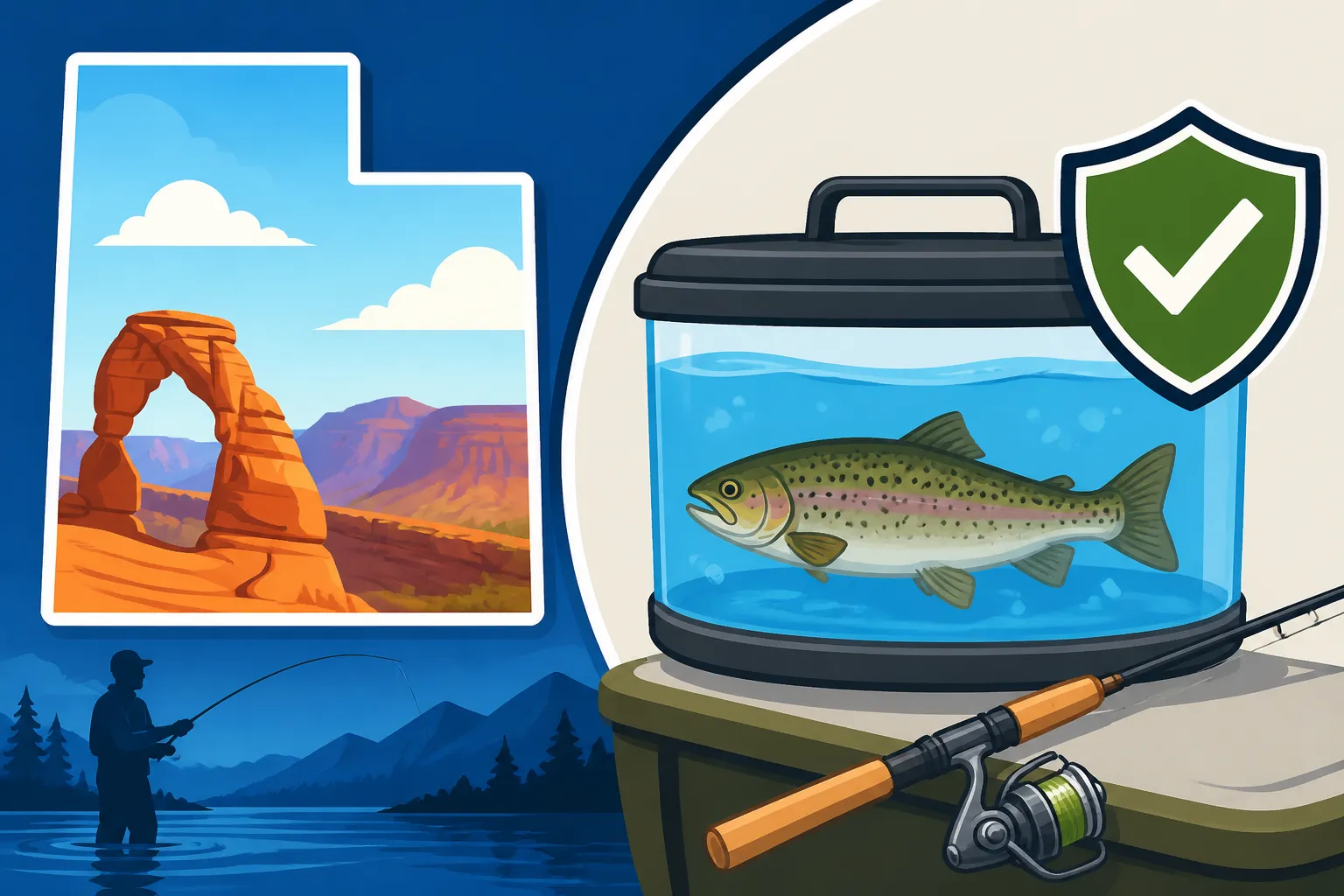
Utah Rules on Transporting Live Fish
It’s a scenario many of us anglers have faced: you've just caught a beautiful fish and the thought crosses your mind – "could I take this beauty home for my backyard pond?" Or perhaps you’re planning a fishing trip and wonder if you can bring live minnows from your local bait shop to a different lake. The rules around transporting live fish in Utah can feel like navigating a maze, full of good intentions but often leaving us scratching our heads. This guide is here to clear up the confusion, explaining why these regulations exist and how to ensure you're always on the right side of the law when it comes to moving live aquatic creatures in the Beehive State.
Understanding the "Why" Behind Live Fish Transport Rules
Before we dive into the nitty-gritty of the rules, let's talk about why they're in place. It's not just to make things complicated, I promise! The Utah Division of Wildlife Resources (UDWR) has some very serious reasons for restricting the movement of live fish, and they all boil down to protecting Utah's precious aquatic ecosystems.
Preventing the Spread of Aquatic Invasive Species
This is probably the biggest reason, and for good cause. Aquatic invasive species (AIS) are non-native plants, animals, or pathogens that can wreak absolute havoc on our waters. Think about it: a small fish or even the water it's swimming in could unknowingly carry diseases, parasites, or even microscopic hitchhikers like quagga and zebra mussels. Once introduced to a new body of water, these invaders can outcompete native species, destroy habitat, disrupt the food web, and even clog critical infrastructure like pipes and dams.
Moving live fish, or even water that has been in contact with them, is one of the most common ways these invaders spread. The state has already poured incredible resources into combating the spread of quagga mussels at Lake Powell, for instance, and the last thing anyone wants is a new infestation popping up because someone moved a bucket of water or live bait without realizing the risk. It’s a huge ecological and economic threat, which is why the rules are so stringent. For more on this critical topic, you can read up on Utah Aquatic Invasive Species Rules for Anglers.
Protecting Native Fish Populations
Utah is home to some unique and sensitive native fish species, including the Bonneville cutthroat trout, our state fish. Introducing non-native fish, even seemingly harmless ones, can lead to competition for food and habitat, predation on native young, and hybridization, which dilutes the genetic integrity of native populations.
The UDWR works hard to manage fisheries for both native species conservation and recreational angling opportunities. Unregulated stocking or transfer of live fish by individuals can undermine decades of conservation efforts. For example, if someone were to take a popular game fish from one lake and put it into a high-alpine lake that's home to a fragile native cutthroat population, it could lead to the decimation of that native fishery. These regulations are designed to keep our waters healthy and balanced.
Preventing Disease Transmission
Just like people, fish can carry diseases and parasites. Many of these aren't obvious to the naked eye. Moving a sick fish, or even water from an infected area, to a healthy body of water can rapidly spread illness through an entire fishery, causing massive die-offs. The UDWR has strict protocols for stocking fish from hatcheries, which include health inspections and quarantines, to prevent disease. When individuals transport fish, there are no such safeguards, creating a huge risk. Imagine losing an entire year class of trout in your favorite reservoir because of an unknowingly infected fish moved from another water body. That’s the kind of devastation these rules aim to prevent.
Utah's Specific Rules on Transporting Live Fish
Alright, let's get into the specifics. Utah's rules are quite clear, and generally, the takeaway is this: don't move live fish from one water body to another without explicit permission. There are very few exceptions, and it’s always best to assume you can’t.
General Prohibition on Live Game Fish Transport
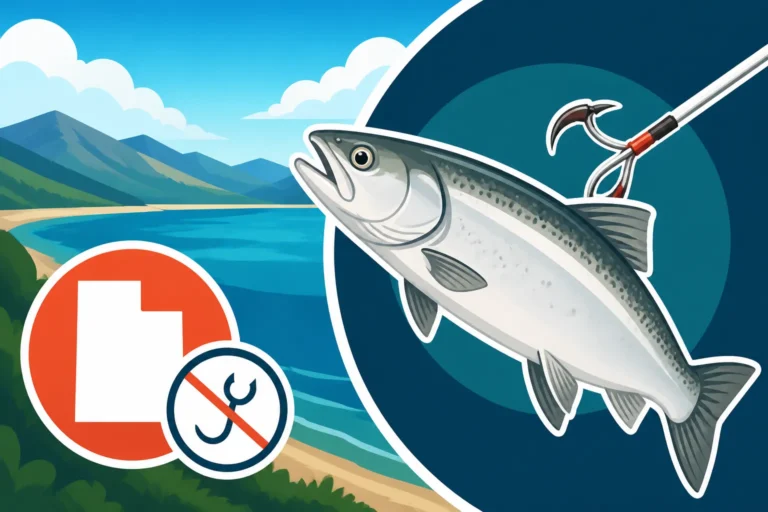
Here’s the golden rule: it is generally illegal to transport live game fish in Utah. This means if you catch a trout, bass, walleye, or any other species classified as a game fish by the UDWR, you cannot keep it alive and move it to another lake, river, or even your private pond without a specific permit.
If you intend to keep a game fish, it must be killed and kept on ice for consumption. The goal is to prevent the accidental or intentional introduction of non-native species into new waters and to stop the spread of disease. This applies even if you're moving fish between two waters that seem similar or are connected.
- Hypothetical Scenario: You're fishing at Strawberry Reservoir and catch a beautiful cutthroat. You think, "My buddy's pond down the road would be perfect for this fish!" If you put that fish in a livewell and drive it to your friend's pond, you are breaking the law. That fish must be dispatched and placed on ice if you intend to keep it.
- The Exception: The only way to legally transport live game fish is if you have a specific collection or transplantation permit issued by the UDWR. These permits are typically for scientific research, authorized stocking programs, or commercial aquaculture operations, not for recreational anglers.
Rules for Live Bait Fish
This is where many anglers get confused. Can you use live bait? And if so, can you transport it? The answer is nuanced, and it's absolutely crucial to understand the details.
- Approved Baitfish Species: In Utah, you are only allowed to use a limited number of baitfish species, and these are typically purchased from a licensed bait dealer. These usually include specific minnow species that have been inspected for disease. You can't just catch any small fish and use it as bait.
- Transporting Legal Baitfish: You can transport legal baitfish that you purchased from a licensed dealer, but only to the water where you intend to use them, and you cannot transport them between different bodies of water. You also cannot release unused baitfish into any water body.
- Example: You buy a bucket of certified live minnows from a bait shop in Salt Lake City. You can take them directly to Willard Bay to fish for wipers. However, if you have minnows left over after your Willard Bay trip, you cannot take them to Deer Creek Reservoir the next day. They must be disposed of properly (e.g., in the trash) and never released into the water.
- Crucial Detail: Even approved baitfish can carry diseases or become invasive in new waters. That’s why the "don't release" rule is so important. Make sure your bait bucket is clean and dry before you head to your next destination.
- Taking Baitfish Home: Generally, you should not take live baitfish home. Once they leave the water body you fished, they should be disposed of. The risk of spreading AIS or disease from even a small amount of water remaining in your bucket is too high. If you want to dive deeper into what's allowed and not allowed, check out the guide on Utah Bait Fish Rules for Live Bait.
Mandatory Harvest (Kill on Sight) Species
Some invasive fish species in Utah are so detrimental to the ecosystem that anglers are required to kill them immediately upon capture and are prohibited from releasing them back into the water. These fish cannot be transported alive, under any circumstances. This is a critical rule designed to help control populations of highly destructive species.
- Northern Pike: Perhaps the most well-known example is the northern pike, especially in waters like Utah Lake and the Jordan River. These voracious predators decimate native and desirable game fish populations. If you catch a northern pike in these waters, you must kill it immediately. There are no size or possession limits, but the key is immediate dispatch. To understand why this rule is so strict, read Why Utah Lake Require You to Kill Every Northern Pike?.
- Wiper: While wiper are a popular game fish in some waters, in specific restricted areas where they are considered a threat to endangered species, they might also fall under mandatory harvest rules. Always consult the current Utah Fishing Guidebook for the most up-to-date information on species-specific regulations and mandatory harvest waters.
Transporting Dead Fish
Transporting dead fish, especially if they are gutted and on ice, is generally allowed for personal consumption, as long as you adhere to all bag and possession limits. The key here is "dead." Once a fish is deceased, the risk of spreading disease or invasive species significantly diminishes.
- Best Practice: If you’re keeping fish, clean them promptly (gut and gill them) and place them on ice in a cooler. This not only keeps them fresh for eating but also minimizes any risk of transporting harmful elements. If you’re traveling a long distance, a good cooler from brands like Yeti or Igloo, often found on Amazon, is essential to maintain proper temperature.
Let’s quickly summarize the common scenarios:
| Scenario | Legality of Transporting Live Fish in Utah | Notes |
|---|---|---|
| Game Fish Caught for Keeps | Illegal | Fish must be killed immediately upon deciding to keep it. Cannot be transported alive to another water body or private pond. |
| Approved Live Baitfish | Conditional | Can transport from licensed dealer directly to intended fishing water. Cannot transport between different water bodies or release unused bait. Must be disposed of properly. |
| Mandatory Harvest Species | Illegal (and required to be killed) | Species like Northern Pike in designated waters must be killed immediately upon capture. Cannot be transported alive. |
| Fish for Personal Consumption | Legal (if dead and prepared) | Fish must be dead, preferably cleaned (gutted), and kept on ice. Must adhere to all bag and possession limits. |
| Fish for Stocking/Research | Legal (with permit only) | Requires specific collection, transfer, or stocking permits from the UDWR. Not applicable to recreational anglers. |
| Fish from a Private Pond | Illegal (without permit) | Even if it's your own private pond, moving live fish to or from it and any other water body (public or private) requires a permit. This is to prevent disease and AIS transfer. |
Consequences of Violating Live Fish Transport Rules
Let's be blunt: fishing without proper knowledge of the rules can lead to some serious trouble. Violating Utah’s fishing regulations, especially those related to transporting live fish and aquatic invasive species, isn't just a slap on the wrist. Enforcement officers take these rules very seriously because of the potential harm to the state's natural resources.
Fines and Penalties
If you're caught illegally transporting live fish, you can expect significant fines. These aren't usually cheap; they can range from several hundred to thousands of dollars, depending on the severity of the violation, the species involved, and whether it's a first offense or a repeat. Imagine having to pay a hefty fine just because you wanted to bring a few extra minnows home. It’s simply not worth the risk.
Equipment Confiscation
In some cases, especially with serious violations or repeat offenders, your fishing equipment, boat, or even your vehicle might be seized. This is a particularly strong deterrent, as losing your gear, which can represent a significant investment, is a tough pill to swallow.
Loss of Fishing Privileges
Perhaps one of the most impactful penalties for a dedicated angler is the loss of fishing privileges. This could mean a suspension of your fishing license for a period of time, or even a permanent ban from fishing in Utah. For many, fishing is a passion and a way of life, and having that taken away is a severe consequence. Learn more about what happens if you break the rules by reading Utah Fishing License Penalties for Violations.
Legal Action
In egregious cases, particularly those involving intentional introduction of invasive species or commercial violations, legal charges can be filed, leading to court appearances, legal fees, and potentially even jail time. While these are less common for recreational anglers making an honest mistake, they highlight the seriousness with which these regulations are treated.
Practical Tips for Compliance and Responsible Angling
Staying on the right side of the law doesn't have to be difficult. A little preparation and awareness go a long way in ensuring you're a responsible steward of Utah's waters.
Always Read the Latest Utah Fishing Guidebook
This is your Bible. Seriously. The Utah Fishing Guidebook is updated annually and contains all the current regulations, including species-specific rules, bag limits, and any special provisions for individual water bodies. Rules can change, so never rely on what you "heard" last year. You can usually pick up a physical copy at bait shops, sporting goods stores like Cabela's, or UDWR offices, or download a digital version from the UDWR website.
Dispose of Unused Bait Properly
As mentioned, never release unused live bait into any water body, even if it's a "legal" baitfish. Instead, dispose of it in the trash. This includes any water that came with the bait. This simple act is one of the most crucial steps in preventing the spread of AIS. You can find small, sealable containers on Amazon that are perfect for discreetly disposing of bait without making a mess.
Clean, Drain, and Dry Your Gear
This mantra applies to boats, kayaks, float tubes, waders, and any gear that comes into contact with the water. Before leaving any water body, especially if you're planning to visit another, take the time to:
- Clean: Remove all plants, mud, and debris from your boat, trailer, waders, and gear. Pay special attention to anchors, ropes, and anything that was in the water.
- Drain: Pull all drain plugs and allow all water to drain from your boat, livewell, bait buckets, and motor. Ensure everything is completely dry.
- Dry: Allow all equipment to dry completely before launching into another water body. The recommended dry time can vary depending on the season and temperature, but generally, 5-7 days in hot, dry weather or longer in cooler, humid conditions is a good rule of thumb. For specific guidelines, look into Utah Quagga Mussel Decontamination Rules. If you've been to a high-risk water, like Lake Powell, mandatory inspection and decontamination might be required. Check Utah Aquatic Invasive Species Inspection Stations for locations.
Know Your Water Body's Regulations
Some water bodies have unique rules. For example, some are designated as "Blue Ribbon Fisheries" with specific catch-and-release rules or bait restrictions. Others might have mandatory harvest rules for certain invasive species. Before you go, specifically check the regulations for the lake or river you plan to fish. Don't assume that rules from one location apply everywhere else. A quick look at the Utah Fishing Regulations Explained guide can help clarify many things.
Use an Aerator for Live Bait Buckets (If Permitted)
If you're using legal live bait and transporting it directly to the water you'll be fishing, a portable aerator can keep your bait lively. These small, battery-operated devices (easily found on Amazon) keep oxygen in the water, ensuring your bait stays fresh until you're ready to use it. Just remember, once you're done fishing, that bait and water need to be properly disposed of, not transferred.
Never "Catch and Release" to a Different Water
While catch-and-release is a great conservation practice within the same water body, never take a live fish from one lake or river with the intention of releasing it into another. This is illegal and incredibly harmful, potentially spreading disease or introducing an invasive species.
Conclusion: Be a Responsible Angler and Protect Utah's Waters
The rules around transporting live fish in Utah aren't there to annoy you; they're vital safeguards for our precious aquatic environments. From preventing the spread of devastating aquatic invasive species to protecting native fish populations and controlling disease, these regulations play a critical role in preserving the quality of Utah's fishing for generations to come. By understanding and following these guidelines, you're not just avoiding fines; you're actively contributing to the health and sustainability of our beautiful lakes and rivers. So, read your guidebook, clean your gear, and always think twice before moving anything live from one water to another.
Disclaimer
The information provided in this guide is for general informational purposes only and does not constitute legal advice. Fishing regulations in Utah can change frequently. Always consult the official Utah Fishing Guidebook published by the Utah Division of Wildlife Resources (UDWR) or visit their official website for the most current and accurate regulations before engaging in any fishing activities. Compliance with all state and federal laws is the responsibility of the individual angler.