Can You Bring Fish Home Across State Lines From Utah?
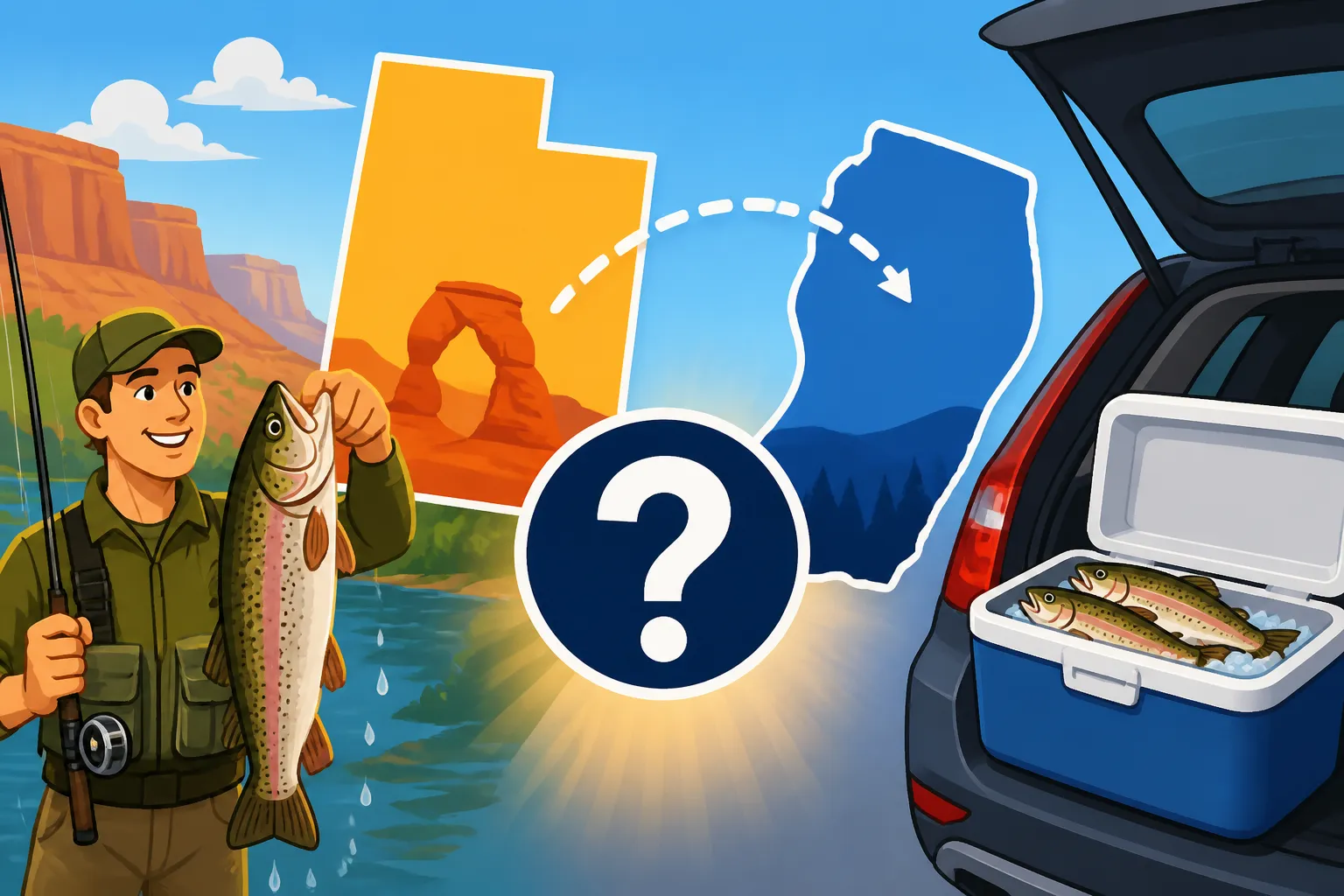
You've had an incredible day on the water in Utah, reeling in some beautiful fish, maybe even a trophy. Now, you're packing up, heading home, and suddenly, a thought pops into your head that makes your stomach drop: "Can I even take these fish across state lines?" It's a valid and often stressful question, because the rules around transporting your catch can be incredibly confusing, varying not just by state, but sometimes even by water body or species. This guide is here to clear up that confusion, helping you understand how to legally and safely bring your prized Utah catch back to your home state without running into trouble.
Understanding Utah's Regulations for Transporting Your Catch
First things first, let's talk about Utah's side of the equation. The Utah Division of Wildlife Resources (UDWR) has clear guidelines on how you can handle and transport your fish once you've legally harvested them. The core principle here is ensuring that wildlife officers can readily identify your catch to verify compliance with size and bag limits. You don't want to get pulled over and have a game warden unable to confirm you're within the legal limits; that's a surefire way to ruin a great trip.
Keeping Fish Identifiable for Law Enforcement
When you're actively fishing or transporting your catch before it reaches your permanent residence or a processing facility, the fish generally need to remain in a condition where they can be identified. For most species, this means keeping them whole or at least with enough identifying characteristics intact so that a conservation officer can determine the species and measure the length. Imagine a scenario where you've caught a few beautiful cutthroat trout at Strawberry Reservoir, but you've already filleted them into tiny, unrecognizable pieces. If an officer stops you and can't tell if they're cutthroat, or if they were within the legal size slot, you could face a citation. It's a common oversight, but one that can easily be avoided.
Once you get home, or to a place where the fish will be immediately consumed or processed for storage (like freezing), you typically have more leeway. But for the journey itself, especially if you're crossing state lines, err on the side of caution. Consider keeping a representative patch of skin on fillets, or better yet, keeping smaller fish whole until you get home. It’s always best practice to review the current Utah Daily Bag and Possession Limits before you even cast your line, so you know exactly what you can keep.
The Rules on Transporting Live Fish
This is where things get really strict, and for good reason. Transporting live fish across state lines as an angler is almost universally prohibited without specific, hard-to-obtain permits. The primary concern here is the prevention of spreading aquatic invasive species (AIS) and diseases. You might think, "Oh, I just want to keep this little panfish alive for my aquarium," but even seemingly innocuous actions can have devastating ecological consequences. Utah, like many states, is incredibly vigilant about preventing the spread of invaders like quagga and zebra mussels, and the introduction of non-native fish species can disrupt entire ecosystems.
Even within Utah, there are very specific Utah Rules on Transporting Live Fish, generally limiting it to commercial operations with strict permits. For recreational anglers, the simple rule of thumb is: if you catch it, and you're keeping it, it needs to be dead when you transport it, especially if you're moving it any significant distance or across a state border. The risks are just too high to mess around with.
Navigating the Receiving State's Regulations
While understanding Utah's rules is crucial, the biggest hurdle often comes from the regulations of the state you're traveling to. This is where many anglers get tripped up. It doesn't matter if your catch was perfectly legal in Utah; if it's not legal in the state you're bringing it into, you could still be in violation. Each state has its own set of rules regarding possession limits, species identification, and even how fish must be packaged for transport.
Interstate Fish Transport Laws Vary Wildly
Let's consider some common neighboring states. If you're heading to Idaho, they might have different daily limits or possession limits for certain species than Utah does. They also have their own regulations on how fish must be prepared for transport. Some states, for example, require a piece of skin to remain on the fillet for identification purposes until you reach your permanent residence. Others might have specific rules about tagging your catch.
- Arizona, Nevada, and California: These states often have specific concerns about species like striped bass or carp, or unique rules for desert fisheries. You might find stricter rules on identifying fish caught in shared waters, like Lake Powell, which spans both Utah and Arizona.
- Wyoming and Colorado: Often sharing similar trout species and conservation goals with Utah, but their specific limits and identification rules can still differ. For instance, Wyoming might have stricter rules for transporting whole fish, or specific regulations for fish caught in the Green River which flows from Wyoming into Utah and vice versa.
The onus is entirely on you to know and follow the laws of both states. Before you even head out on your Utah fishing trip, if you know you'll be taking your catch home to another state, take the time to research that state's wildlife or fish and game agency website. A quick search for "[Your State] fish transport regulations" can save you a lot of headache. Don't assume anything; confirm everything.
Specific Species and Water Bodies
Some species or locations have their own unique regulations that impact interstate transport. For instance, if you've caught kokanee salmon in a Utah reservoir, their vibrant color might fade after harvest, making identification tricky for an officer unfamiliar with the species' post-mortem appearance. In some cases, fish caught in specific waters might be subject to additional scrutiny due to invasive species concerns. For example, if you're fishing at Lake Powell, which is known for its quagga mussel issues, while the fish themselves might not carry mussels, the overall focus on aquatic invasive species is heightened. This reinforces the need to always ensure all your gear, including coolers and boats, are clean, drained, and dry, as per Utah Aquatic Invasive Species Rules for Anglers.
Practical Tips for Stress-Free Fish Transport
Preparing your catch for its journey home doesn't have to be a complicated process, but a little foresight goes a long way. The goal is to keep your fish fresh, identifiable, and compliant with all regulations.
Proper Packaging and Storage
The key to successful interstate transport is keeping your fish in excellent condition, both for quality and for identification.
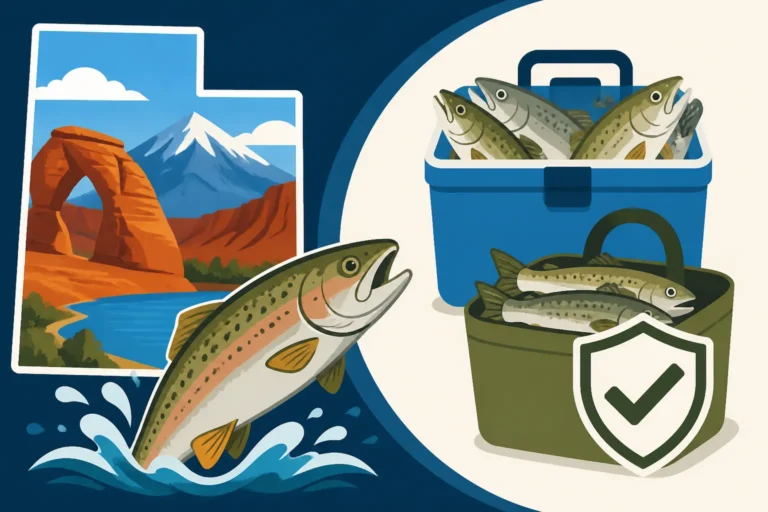
- Cooling Immediately: As soon as you decide to keep a fish, get it on ice. A quality cooler, like those you can find on Amazon, is your best friend. Make sure it's packed with plenty of ice, not just a few cubes. Slush ice is ideal as it maximizes contact with the fish. For longer trips, consider using frozen water bottles or gel packs in addition to loose ice to maintain colder temperatures. You want to avoid any spoilage that might make identification difficult or raise health concerns. Remember, keeping fish fresh is paramount, so brush up on How to Store Fish on a Hot Day in Utah.
- Individual Packaging: Once the fish are cleaned (but still identifiable, if required by your destination state), consider wrapping them individually. Heavy-duty zip-top bags or vacuum sealers (many excellent options available on Amazon) are perfect for this. Vacuum sealing not only protects the fish from freezer burn once you get home but also prevents cross-contamination and leaks during transport. Plus, it makes it easier for an officer to inspect individual fish without having to dig through a messy cooler.
- Labeling: While not always legally required for anglers, labeling your packages can be incredibly helpful. Include the species, date of catch, and the water body it came from. This information can be useful if questions arise, and it certainly helps you keep track of your catch once it's in your freezer.
Documentation and Preparation
Think of your fishing trip like a mini-expedition; you need to be prepared.
- Keep Your License Handy: Always have your valid Utah Fishing License Guide with you, both physically and ideally a digital copy on your phone. If an officer stops you, this is the first thing they'll ask for.
- Know Your Limits: Be absolutely certain you are within the Utah Daily Bag and Possession Limits for the waters you are fishing. Then, double-check the possession limits for your home state. These aren't always the same!
- Print Regulations: If you're particularly worried, print out relevant sections of both Utah's and your home state's fishing regulations regarding transport. While an officer won't necessarily rely on your printout, it shows you've done your homework and understand the rules.
- Filleting for Transport: If you choose to fillet your fish before leaving Utah, ensure you understand how to keep them identifiable if your destination state requires it. Some states are very specific about needing a patch of skin, or even a specific cut. For a practical guide, you might want to review How to Fillet a Trout After Keeping Your Limit.
| Aspect of Transport | Utah Regulations (General) | Destination State Regulations (Example) | Best Practice |
|---|---|---|---|
| Identification | Species/length identifiable | Varies: whole, skin-on fillet, head-on | Keep whole or large skin-on fillets |
| Live Fish | Prohibited for anglers | Universally prohibited for anglers | Do not transport live fish |
| Possession Limits | Adhere to daily & possession limits | Adhere to destination state's limits | Know both sets of limits |
| Packaging | Keep fresh, prevent spoilage | Specifics may vary (e.g., separate bags) | Individual, vacuum-sealed, iced |
| AIS Concern | Clean, Drain, Dry all gear | Clean, Drain, Dry all gear | Diligently follow AIS protocols |
| Documentation | Valid license required | Valid license from origin state | Carry current license & know rules |
This table provides a generalized overview. Always consult the official regulations for your specific destination state.
What Happens If You Get Caught Breaking the Rules?
Ignorance of the law is generally not considered an excuse, and violations can range from a simple warning to significant fines, confiscation of your catch, or even legal action. Nobody wants to see their hard-earned fish go to waste, let alone face a penalty that can overshadow the entire trip. For a broader understanding of consequences, you might want to look into What Happens If You Get Caught Fishing Without a License in Utah?, as the principles of enforcement and penalties are similar for other violations.
It's also worth noting that some species are subject to special advisories, like Fish Species to Avoid Eating Due to Consumption Advisories in Utah, and transporting these in violation of rules could lead to additional health and safety concerns. Conservation officers, whether from Utah or a neighboring state, are primarily focused on protecting wildlife resources and ensuring fair play. Being cooperative, honest, and showing that you've made an effort to understand the rules can go a long way, even if you've made an honest mistake. However, the best approach is always prevention through thorough research and preparation.
In conclusion, bringing your fish home across state lines from Utah is absolutely doable, but it requires diligence. Treat your catch with respect, understand the regulations of both Utah and your home state, and pack smart. Do your homework before you leave, and you'll be enjoying those delicious Utah fish for weeks to come, with peace of mind.
Disclaimer
Please remember that fishing regulations, including those concerning the transport of fish across state lines, can change frequently. While we strive to provide the most current and accurate information, it is ultimately your responsibility to check the latest official regulations from the Utah Division of Wildlife Resources and the wildlife or fish and game agency of your destination state before embarking on any fishing trip or transporting your catch. This guide is for informational purposes only and should not be considered legal advice.