What Happens If You Get Caught Fishing Without a License in Utah?
It’s happened to the best of us: you’re out on the water, rod in hand, enjoying the peace of a Utah morning, and suddenly that nagging thought hits you—did I remember my fishing license? Or worse, a Utah Division of Wildlife Resources (DWR) officer approaches, and you know you don't have it. That sinking feeling in your gut is completely valid. Getting caught fishing without a valid license in Utah isn't just a minor inconvenience; it carries real, tangible consequences that can put a serious damper on your angling adventures and even your wallet. This guide is here to break down exactly what happens if you're found without that crucial piece of paper (or digital proof), what penalties you might face, and how to ensure you're always on the right side of the law.
Understanding Utah's Fishing License Requirements
Before we dive into the nitty-gritty of penalties, it’s really important to understand why licenses exist and who needs one. It’s not just a bureaucratic hurdle; it's the foundation of healthy fisheries for everyone.
Why Licenses are Essential for Utah's Waters
Think about all the incredible fishing opportunities Utah offers, from the trophy lake trout in Flaming Gorge to the abundant panfish in local community ponds. Maintaining these diverse ecosystems and ensuring there are plenty of fish for future generations takes a lot of work and funding. That's where fishing licenses come in. When you purchase a Utah fishing license, you're directly contributing to a vital fund that supports a whole host of conservation efforts. This money goes towards critical programs like fish stocking, habitat restoration projects, research into fish populations and diseases, and the enforcement of fishing regulations. Without these funds, our beloved fishing spots would quickly decline, impacting not only the fish but also the outdoor experiences we cherish. It’s a collective effort, and your license is your way of pitching in to keep Utah's fishing heritage alive and well.
Who Needs a License and Who is Exempt
The general rule of thumb in Utah is pretty straightforward: if you’re 12 years of age or older and you’re actively attempting to take or possess fish, you need a valid fishing license. This includes everything from casting a line into a reservoir, fly fishing a mountain stream, or even using a net to catch baitfish in certain areas. Residency also plays a big role, with different pricing tiers for Utah residents versus non-residents.
However, like most rules, there are some important exceptions you should be aware of. For instance, children under the age of 12 don’t need a license to fish in Utah. This is a fantastic way to introduce youngsters to the sport without any financial burden or paperwork for the parents. Another common exemption is the annual Free Fishing Day, typically held in June. On this special day, anyone can fish most public waters in Utah without needing a license, offering a perfect opportunity for newcomers to try fishing. You still need to adhere to all other Utah Fishing Regulations Explained, such as bag limits and legal methods, but the license requirement is waived. Additionally, if you're fishing on private land in a private pond that does not have public access and isn't stocked by the DWR, you might not need a license. However, always double-check the specifics with the landowner or the DWR, because rules around private waters can sometimes be tricky, especially if those waters connect to public streams or reservoirs. For a comprehensive overview, checking out the official guide on Utah Fishing License Exemptions and Discounts can save you a lot of confusion.
The Immediate Realities of Getting Caught Unlicensed
The moment a DWR officer approaches you and asks for your license, and you realize you don't have it, can be incredibly stressful. Understanding what to expect during this initial encounter can help you navigate the situation as smoothly as possible.
The Initial Encounter with Law Enforcement
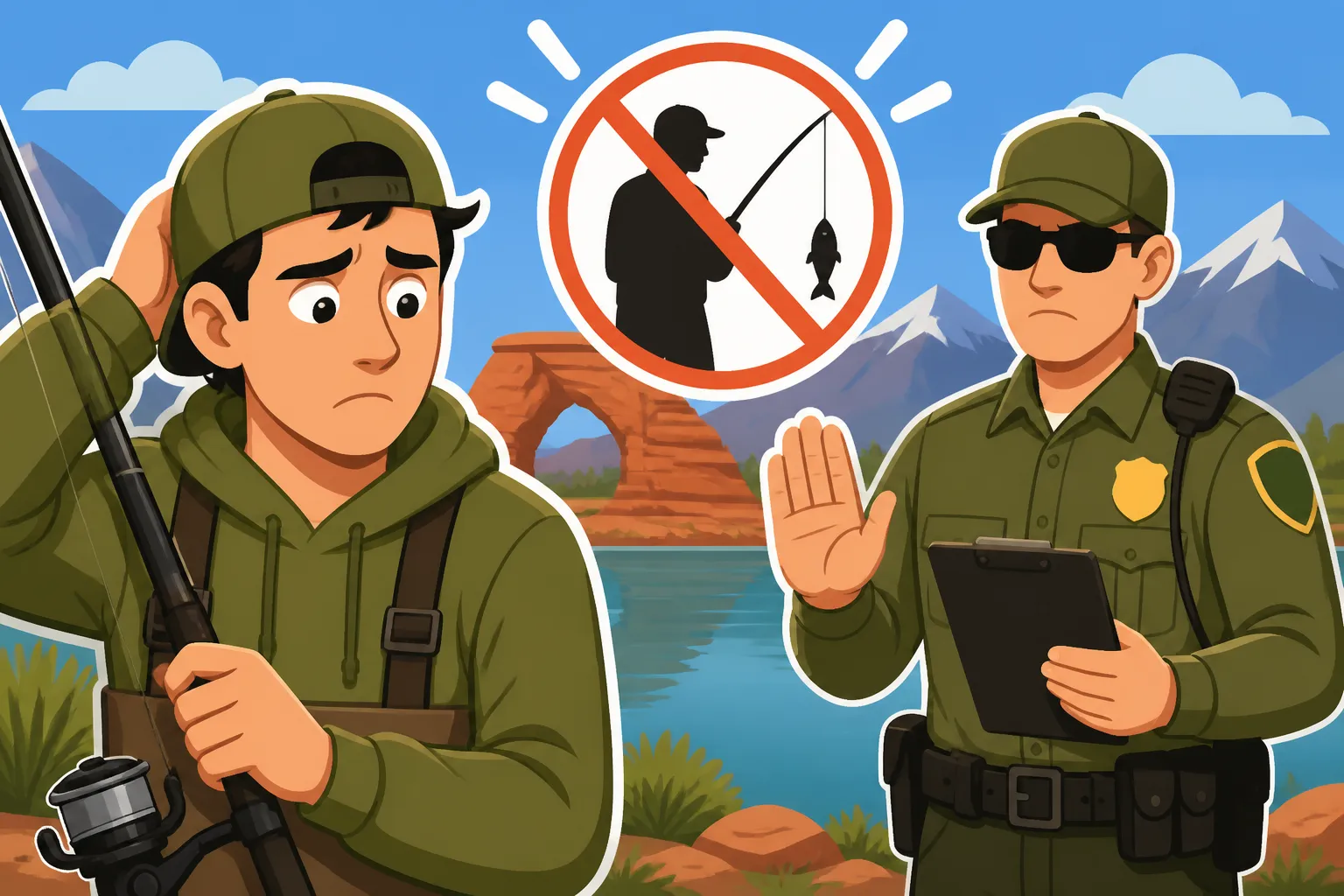
Imagine you're enjoying a peaceful afternoon fishing at Deer Creek Reservoir, perhaps trying to catch some smallmouth bass, when a uniformed DWR conservation officer approaches. They’ll typically introduce themselves, explain they are checking licenses, and ask to see yours. This is a routine part of their job, ensuring compliance and protecting our natural resources. Your best course of action here is always to be polite, cooperative, and honest. Fumbling through your pockets, realizing your wallet is in the truck, or admitting you forgot it at home happens. The officer will then typically ask for your name, date of birth, and address to verify your identity and check the DWR database for any record of a purchased license. Many anglers now rely on their phone to store a digital copy of their license, which is perfectly acceptable in Utah. However, if you haven't bought one at all, or if your license is expired, this is where the conversation takes a more serious turn. Avoid arguing or becoming confrontational; it will only complicate matters and potentially lead to additional charges.
Issuance of a Citation or Summons
If the officer confirms you do not have a valid license, they will generally issue you a citation or a summons. This isn't just a slap on the wrist; it's a formal legal document, much like a traffic ticket, that requires you to respond to the violation. In Utah, fishing without a license is categorized as a Class B Misdemeanor. This might sound scary, and it is a criminal offense, but for a first-time, simple fishing without a license violation, it typically results in fines rather than jail time. The citation will outline the specific charge (e.g., "Fishing Without a License"), the date and location of the offense, and instructions on how to proceed. This usually means you’ll have to appear in court on a specific date or pay the fine by a certain deadline. The officer will explain your options, which often include pleading guilty and paying the fine, or pleading not guilty and contesting the charge in court.
Potential Confiscation of Gear or Catch
Here’s where things can get even more frustrating: the DWR officer has the authority to confiscate your fishing gear and any fish you may have caught. This isn’t always a given, and it often depends on the severity of the violation, the officer's discretion, and whether there are additional offenses involved (like exceeding bag limits or fishing in a closed area). However, if you’re fishing illegally, especially if you're actively harvesting fish, expect that your catch will likely be seized. These fish might be donated to local food banks or scientific programs. As for your gear—rods, reels, tackle boxes, or even your boat in extreme cases—it can be impounded. While many simple fishing-without-a-license cases might not result in gear confiscation, it's a very real possibility that significantly adds to the hassle and cost. Losing a favorite fishing rod, perhaps one you carefully selected from Amazon, or a tackle box full of expensive lures, is a tough pill to swallow, adding insult to injury on top of the impending fines.
Navigating the Legal and Financial Ramifications
Once you've received that citation, the immediate stress might subside, but the consequences are just beginning. You're now entering the legal system, and there are financial and privilege-based penalties awaiting.
Fines and Court Fees for Unlicensed Fishing
As mentioned, fishing without a license in Utah is a Class B Misdemeanor. While the maximum penalties for a Class B Misdemeanor can be up to six months in jail and a $1,000 fine, a typical first-time offense for just lacking a license rarely involves jail time. However, the financial penalties are still significant. Based on recent information and common court schedules, you can expect a base fine that, when combined with various state surcharges and court fees, often totals somewhere between $680 and $750. This figure can fluctuate depending on the specific county and court where the citation is issued, as well as any additional offenses. For example, if you were also found to be over the daily bag limit for trout, or using illegal bait, those additional violations would stack up, increasing the total fine substantially. This monetary hit is often the most immediate and painful consequence for anglers. It's a stark reminder that the cost of a fishing license, which is usually around $34 for a resident annual license, pales in comparison to the financial burden of a citation. For detailed cost breakdowns, you might want to review the information on Utah Fishing License Costs by Age and Residency.
Loss of Fishing Privileges
Beyond the financial hit, one of the most impactful consequences for any avid angler is the potential loss of fishing privileges. When you’re convicted of fishing without a license, the court can recommend, or the DWR can independently impose, a suspension of your hunting and fishing license privileges. This means you might be prohibited from purchasing any hunting or fishing license in Utah for a specified period, often ranging from one to three years for a first offense. This suspension isn't just limited to Utah; through interstate compacts like the Wildlife Violator Compact, your suspension could also be recognized and enforced by participating states across the country. Imagine being unable to fish your favorite waters for years, or even participate in an out-of-state fishing trip because of a past mistake. This consequence directly impacts your passion and can feel like a much heavier penalty than just a fine. It’s a powerful deterrent designed to emphasize the importance of compliance.
Misdemeanor Charges and Criminal Record Implications
It's crucial to reiterate that fishing without a license in Utah is a Class B Misdemeanor. This isn't just an infraction; it's a criminal offense. While you might not face jail time, a conviction will result in a criminal record. This record can have broader implications beyond just fishing. Depending on the nature of the charge and your future aspirations, a criminal record could potentially affect:
- Employment opportunities: Some employers conduct background checks, and a misdemeanor conviction could be a red flag.
- Professional licenses: Certain professions require clean criminal records to obtain or maintain licenses.
- Travel: While less common for a Class B misdemeanor, certain international travel might be impacted.
- Educational opportunities: Some scholarships or academic programs might inquire about criminal history.
It's not to say a fishing license violation will derail your entire life, but it's a factor to consider and highlights why taking such regulations seriously is important. Many people are completely unaware that forgetting a license can lead to a criminal record, which makes the initial shock even greater.
Here’s a quick summary of potential penalties:
| Violation Type | Classification | Typical Fines (with surcharges) | Loss of Privileges | Criminal Record | Other Potential Consequences |
|---|---|---|---|---|---|
| Fishing Without License (1st Offense) | Class B Misdemeanor | $680 – $750+ | 1-3 years | Yes | Confiscation of catch/gear |
| Fishing with Expired License | Class B Misdemeanor | Similar to above | 1-3 years | Yes | Confiscation of catch/gear |
| Fishing in Closed Water | Class B Misdemeanor | $680 – $750+ (can be higher) | 1-3+ years | Yes | Confiscation of catch/gear, restitution |
| Exceeding Bag Limit | Class B Misdemeanor | $680 – $750+ (plus restitution per fish) | 1-3+ years | Yes | Confiscation of catch/gear, restitution |
| Refusing to Show License/ID | Class B Misdemeanor | $680 – $750+ | Possible | Yes | Additional charges for non-compliance |
Note: Fines and penalties are subject to change and can vary based on court jurisdiction and specific circumstances of the violation.
Preventing Future Headaches and Staying Compliant
The good news is that avoiding these unpleasant consequences is incredibly easy. A little proactive planning goes a long way in ensuring your fishing trips remain enjoyable and stress-free.
Difficulty Obtaining Future Licenses
One of the often-overlooked long-term repercussions is the difficulty you might face when trying to obtain future fishing or hunting licenses after a conviction. If your privileges have been suspended, the DWR has a record of that violation. This means that even after the initial suspension period ends, any subsequent license applications will flag your previous offense. While it usually won't permanently bar you from getting a license again after the suspension is served, it can make the process more scrutinizing and, in some cases, lead to longer periods before you can purchase another license if there are multiple offenses or a pattern of non-compliance. It's a clear demonstration that these actions have a lasting impact on your angling record with the state. The DWR takes conservation and regulation enforcement seriously, and a history of violations will certainly be noted. This also ties into the process of Utah Fishing License Renewal Guide, where you'll want to ensure all past issues are fully resolved before attempting to renew.
Avoiding Future Violations and Staying Compliant
The simplest way to avoid all the headaches we’ve discussed is to always, always ensure you have a valid fishing license before you cast a line. Here are some practical tips to stay compliant:
- Buy Early and Annually: Utah's annual fishing licenses are valid for a full year from the date of purchase, not just a calendar year. Make it a habit to purchase your license well in advance of your first trip of the season. You can easily buy a Utah fishing license online through the DWR website. This is often the quickest and most convenient method.
- Keep Proof Accessible: Whether you prefer a physical copy or a digital one, make sure it’s always with you when you’re fishing. If you rely on your phone, ensure your battery is charged, or consider carrying a printed backup. Learning How to Store a Utah Fishing License on Your Phone is a great modern solution.
- Understand the Regulations: A license is just one piece of the puzzle. Familiarize yourself with current regulations, including species-specific rules, bag limits, and closed waters. These can change annually, so it's always good to check the Utah Fishing Guidebook. For instance, specific rules apply to Utah Trout Limits by Water, or mandatory harvest rules for invasive species like northern pike in Why Utah Lake Requires You to Kill Every Northern Pike. Ignorance of the law is not an excuse.
- Know Your Exemptions: While it's vital to have a license, also understand when you might be exempt. If you're planning to take advantage of Utah Free Fishing Day, for example, be aware of the exact date and any specific rules that still apply.
- Set Reminders: If you purchase an annual license, set a reminder on your phone or calendar a month or so before it's due to expire. The DWR also offers email reminders, which can be incredibly helpful.
- Check Before You Go: Before heading out on any fishing trip, especially to a new water body, do a quick check of the current regulations for that specific location. Water levels, temporary closures, or emergency changes in limits can occur.
By taking these simple steps, you can ensure your time on Utah's beautiful waters is spent enjoying the serenity and the thrill of the catch, rather than worrying about a visit from a DWR officer or the weighty consequences of an oversight. Remember, conservation is a shared responsibility, and having your license in order is your fundamental contribution.
Disclaimer
The information provided in this guide is for general informational purposes only and does not constitute legal advice. While we strive to provide accurate and up-to-date information, fishing regulations and legal penalties in Utah are subject to change. Always consult the most current Utah Fishing Guidebook published by the Utah Division of Wildlife Resources (DWR) or contact the DWR directly for the most precise and legally binding information. If you receive a citation, seeking advice from a legal professional is always recommended.