Utah Spearfishing Regulations
Trying to figure out the ins and outs of spearfishing regulations in Utah can feel like navigating a maze blindfolded. You're passionate about the sport, but the last thing you want is to accidentally break a rule and face a hefty fine or lose your gear. This guide will meticulously break down Utah's spearfishing regulations, helping you understand where, when, and how you can legally pursue fish with a speargun or pole spear, ensuring your next adventure is both thrilling and compliant.
The Fundamentals of Spearfishing in Utah
Spearfishing, for many, offers a unique and engaging way to connect with the aquatic environment, bringing a primal hunting instinct to the serene underwater world. But just like any other method of angling, it comes with a very specific set of rules and guidelines that need to be followed. It's not just about what you can catch, but how and where you can do it.
What is Considered Spearfishing?
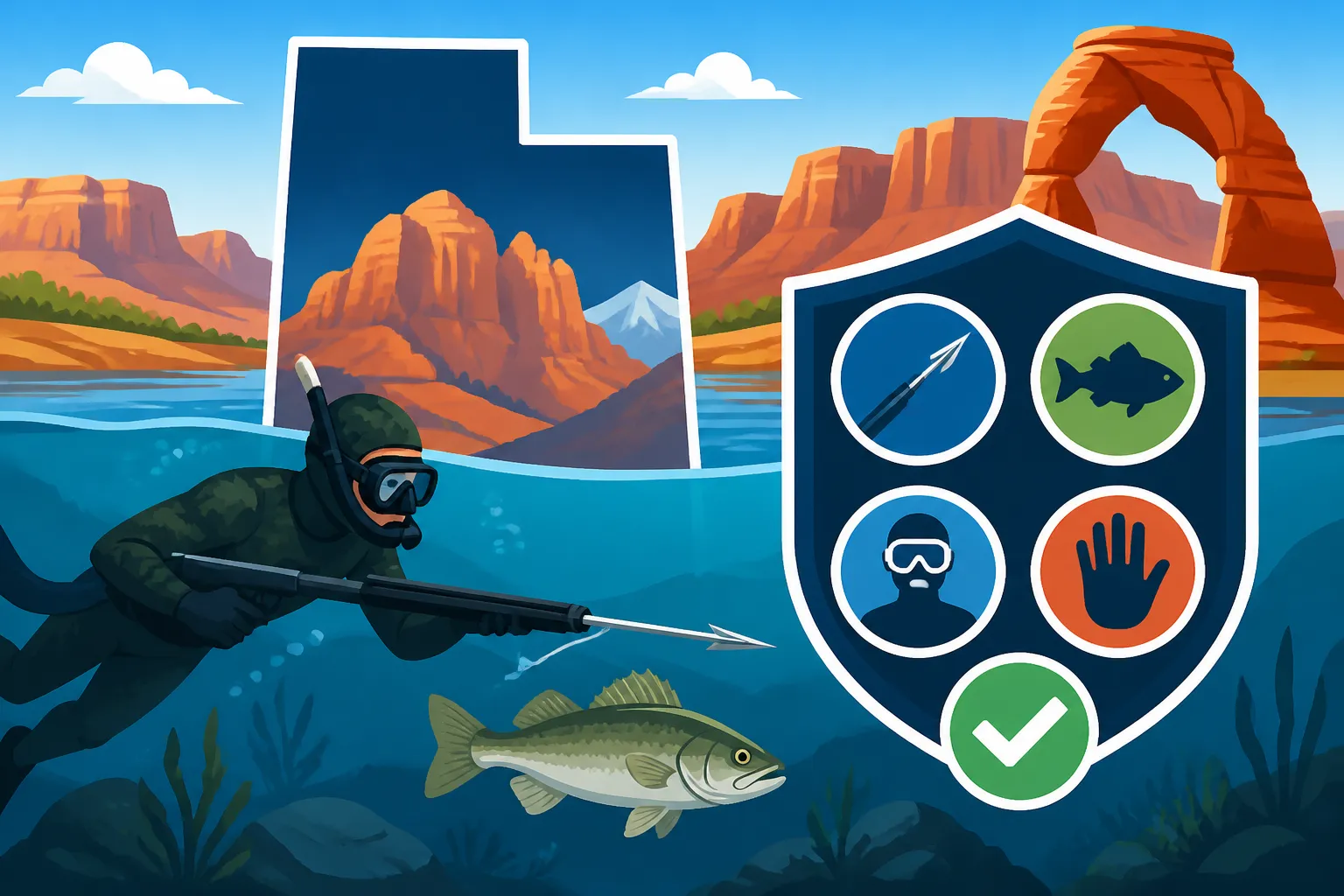
When the Utah Division of Wildlife Resources (DWR) talks about spearfishing, they're generally referring to the act of taking fish with a spear, spear gun, or other similar devices while submerged in the water. This isn't your grandpa's trotline or fly rod; it's a specialized technique that requires you to physically enter the fish's domain. This can encompass everything from free-diving with a simple pole spear to using SCUBA gear with a powerful speargun, though specific regulations often differentiate between methods and waters.
It's crucial to distinguish this from bowfishing, which is typically done from above the water surface and often targets different species. Spearfishing means you're in the water, face-to-face with your target. Understanding this fundamental definition is the first step to staying within the legal bounds of the sport in Utah.
General Requirements and Licenses for Spearfishing
Before you even think about donning your wetsuit and grabbing a spear, you absolutely need to have a valid Utah fishing license. There are no special "spearfishing" endorsements required on top of a standard fishing license, but that general license is non-negotiable. Whether you're a resident or a nonresident, you'll need to make sure your paperwork is in order. You can easily purchase one online through the DWR website or at a licensed vendor. For a full breakdown, check out our guide on the Utah Fishing License Guide or learn more about the How to Buy a Utah Fishing License.
Remember, a license covers you for general fishing, and spearfishing falls under that umbrella, provided you adhere to all other spearfishing-specific rules. Without that basic license, you're not just violating spearfishing regulations; you're fishing illegally, which carries its own set of penalties. Always keep a digital or physical copy of your license with you when you're out on the water.
Why Spearfishing Regulations Are So Specific
The regulations surrounding spearfishing are often much more stringent than those for traditional rod-and-reel fishing, and for good reason. Primarily, it's about conservation and preventing overharvesting, especially of popular game fish. Spearfishing can be incredibly effective, and if left unchecked, it could quickly decimate certain fish populations. The DWR wants to ensure sustainable fishing opportunities for all anglers, regardless of their preferred method.
Another major factor is safety. Spearfishing equipment, particularly spearguns, can be dangerous if not handled properly. Regulations aim to minimize risks to both the diver and other water users, such as swimmers, boaters, and other anglers. Furthermore, the DWR uses these rules to manage invasive species, sometimes allowing or even mandating the harvest of non-native fish through spearfishing to protect native ecosystems. For a broader understanding of why these rules exist, refer to the Utah Fishing Regulations Explained.
Where You Can and Cannot Spearfish in Utah
One of the most critical aspects of spearfishing in Utah is knowing exactly which bodies of water permit the activity and, just as importantly, which ones prohibit it entirely. This isn't a "fish anywhere" kind of sport; you need to be precise to avoid violating the law.
Legal Waters for Spearfishing
In Utah, spearfishing is permitted in certain waters, and generally, these are large reservoirs where the DWR aims to manage fish populations, sometimes even encouraging the harvest of specific species. For instance, Lake Powell is a prominent location where spearfishing for game fish like striped bass, smallmouth bass, and walleye is allowed. It's a vast body of water, making it a popular destination for spearos looking for an adventure. Other major reservoirs may also allow spearfishing, but it's vital to check the current DWR Fishing Guidebook for the most up-to-date list.
When spearfishing in these designated waters, you are typically restricted to taking game fish that are not trout or salmon species, and you must adhere to all general catch limits and length restrictions for those specific fish. For example, if you're targeting smallmouth bass at Lake Powell, you still need to know the Utah Bass Fishing Regulations for that water. The DWR often specifies that only common carp and certain invasive species can be spearfished in any waters open to fishing, as long as it's not a restricted area.
Restricted and Prohibited Waters
This is where many aspiring spearos can get into trouble. Spearfishing is not allowed in most rivers, streams, or designated "proclamation waters" that are managed for specific native or sensitive species. This includes many of Utah's prized trout fisheries, like the Provo River, Green River, and portions of the Weber River. These areas are often protected for fly-fishing-only, catch-and-release, or general trout conservation efforts. Our guide on Utah Catch-and-Release Waters offers more details on these protected areas.
You also cannot spearfish in waters that are specifically closed to fishing, or during seasonal closures that might apply even to open waters. For a comprehensive list of specific water bodies and their unique rules, always consult the current DWR Fishing Guidebook. Ignoring these restrictions can lead to severe penalties. Essentially, if it's a prime trout stream or a smaller, heavily managed lake, chances are spearfishing is off-limits.
Species-Specific Spearfishing Regulations
The type of fish you can legally spearfish in Utah is just as important as where you can do it. Generally, spearfishing for game fish like trout (rainbow, brown, cutthroat), kokanee salmon, and lake trout (mackinaw) is prohibited in all waters. These species are typically managed for traditional angling methods and conservation. For specific limits on these species, you'd usually refer to topics like Utah Trout Limits by Water.
However, the DWR often encourages spearfishing for invasive or non-game species. For example, common carp are fair game in most waters where fishing is permitted. Additionally, highly destructive invasive species like northern pike in Utah Lake have very specific regulations, often mandating their harvest by any means, including spearfishing. Understanding the Utah Northern Pike Kill Rules at Utah Lake is crucial if you plan to spearfish there. This focus on invasive species allows spearos to contribute to conservation efforts while enjoying their sport. Always identify your target clearly before taking a shot to ensure you're not accidentally harvesting a protected or regulated game fish.
Essential Gear, Safety, and Best Practices for Spearfishing
Beyond knowing the rules, having the right equipment and prioritizing safety are paramount for a successful and responsible spearfishing experience in Utah. This isn't just about efficiency; it's about staying safe and minimizing your impact on the environment.
Essential Spearfishing Gear
To get started with spearfishing in Utah, you'll need a few key pieces of equipment. First, and most obviously, is your spear device. This could be a pole spear, which is more basic and relies on your arm strength, or a speargun, which uses bands or pneumatic pressure to propel a shaft. Both have their place depending on your skill level and target species. Many beginners start with a pole spear before moving on to a speargun, which can be purchased from online retailers like Amazon, offering a wide variety of options from brands like Cressi or JBL.
Beyond the spear itself, you'll need quality mask, snorkel, and fins for clear vision and efficient movement underwater. A good wetsuit is essential, especially in Utah's often chilly reservoir waters, to maintain body temperature. A dive knife is a critical safety tool for disentangling yourself or cutting lines. Lastly, a highly visible dive flag and buoy are not just recommended, but often legally required, to alert boaters to your presence in the water. You can find robust dive flags and other safety equipment easily on Amazon.
Safety Considerations and Protocols
Safety should always be your number one priority when spearfishing. Being in the water, often far from shore or other people, presents unique risks. Always, always go with a dive buddy. This is non-negotiable. Having someone with you who knows what you're doing and can assist in an emergency can be a lifesaver. This includes signaling to each other, maintaining visual contact, and understanding each other's limits.
Visibility is another critical factor. Never spearfish in murky water where you can't clearly see your target or potential hazards. Utah's reservoirs can have varying water clarity, so assess conditions before you dive. Be acutely aware of boat traffic. Even with a dive flag, boaters might not see you, so stay clear of high-traffic areas and surface frequently to scan your surroundings. Understanding the general Utah Boating and Fishing Rules can help you navigate waters safely. Always treat your speargun or pole spear with the same respect you would a firearm; keep it pointed in a safe direction and only load it when ready to shoot.
Environmental Responsibility
As with any outdoor activity, responsible spearfishing means minimizing your impact on the environment and its inhabitants. Only harvest fish that you intend to eat and are legally allowed to take. Adhere strictly to bag limits and size restrictions to ensure sustainable populations for the future. Proper fish handling is also crucial; dispatch any harvested fish quickly and humanely.
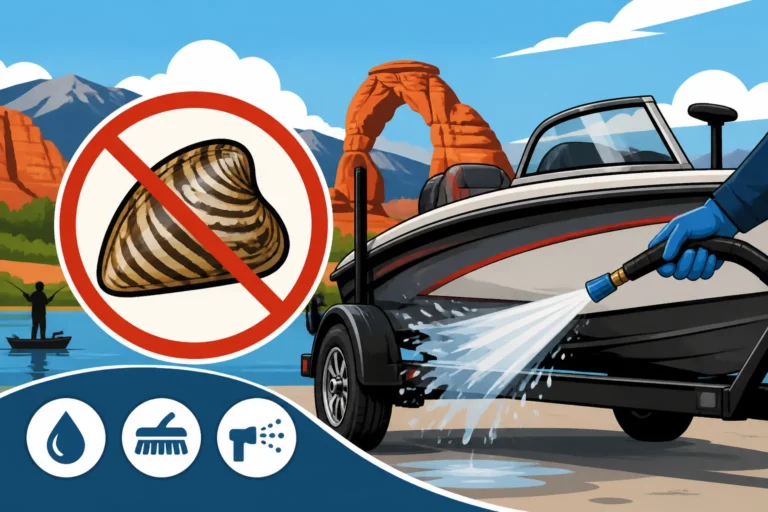
Be mindful of the underwater habitat. Avoid disturbing sensitive areas or accidentally damaging vegetation or structure with your spear. If you're targeting invasive species, make sure you properly dispose of their remains and do not return them to the water. Additionally, be vigilant about preventing the spread of aquatic invasive species yourself; thoroughly clean and dry all your gear between uses, especially if moving between different bodies of water. Our article on Utah Aquatic Invasive Species Rules for Anglers provides important guidelines to follow.
Navigating Permits, Violations, and Future Outlook
Understanding the static regulations is one thing, but fishing laws can change, and knowing the consequences of breaking them is just as important. Staying informed and compliant ensures you can enjoy spearfishing for years to come.
Permits Beyond a Standard License
For recreational spearfishing in Utah, typically, a standard annual or short-term Utah fishing license is all you need. There isn't a separate, specific "spearfishing permit" required by the DWR for individuals engaging in the activity for sport. However, this assumption relies on you adhering to all other rules regarding species, locations, and methods. For instance, if you were to organize a spearfishing tournament or a commercial venture, additional permits and licenses would absolutely be necessary.
Always double-check the most current DWR Fishing Guidebook before heading out, as regulations can be updated annually. What was legal last year might have changed, especially as fish populations shift or new invasive species management strategies are implemented. This guide is usually available online well before the new fishing year begins.
Consequences of Violating Spearfishing Rules
The DWR takes fishing violations seriously, and spearfishing infractions are no exception. Getting caught spearfishing in a prohibited area, taking restricted species, or fishing without a valid license can lead to a range of penalties. These can include significant fines, which can easily range from hundreds to thousands of dollars depending on the severity of the offense. In some cases, your fishing license could be suspended, meaning you wouldn't be able to fish by any method for a specified period, or even permanently in egregious cases.
Beyond monetary fines and license suspension, your equipment could be confiscated, including your speargun, wetsuit, and even your boat if it was used in the commission of the violation. For a detailed look at the potential repercussions, you can read more about Utah Fishing License Penalties for Violations. It’s a harsh reminder that ignorance of the law is not an excuse, and careful adherence to regulations is always the best policy.
Staying Informed About Regulation Changes
Utah's fishing regulations, including those for spearfishing, are dynamic and can change from year to year based on biological data, conservation needs, and public input. The best way to stay informed is to regularly check the Utah Division of Wildlife Resources (DWR) website. They publish an annual fishing guidebook that details all current regulations, species limits, and water-specific rules. It's often updated in late fall for the upcoming year, so make it a habit to review it.
Joining local spearfishing or fishing forums and social media groups can also be a valuable way to stay connected. Other experienced anglers and spearos often share updates and discuss proposed changes, giving you an early heads-up. However, always verify any information from unofficial sources against the official DWR publications to ensure accuracy. Being proactive about staying informed will save you a lot of headaches and ensure your spearfishing adventures remain within legal and ethical bounds.
Quick Reference: Utah Spearfishing Rules
To help you keep track, here's a quick reference table summarizing common spearfishing rules in Utah. Remember, this is a general overview, and consulting the official DWR Fishing Guidebook for specific water bodies and current regulations is always mandatory.
| Category | General Guideline (Consult DWR for specifics) |
|---|---|
| Fishing License | Required for all spearfishing activities. |
| Species Allowed | Generally common carp and invasive species (e.g., northern pike in Utah Lake). Game fish like bass and walleye in select large reservoirs (e.g., Lake Powell). |
| Species Prohibited | All trout species (rainbow, brown, cutthroat), lake trout, kokanee salmon, and other sensitive or native game fish. |
| Allowed Waters | Select large reservoirs (e.g., Lake Powell, potentially others with specific DWR allowance for game fish). Waters open to general fishing for carp/invasive species. |
| Prohibited Waters | All rivers and streams. Most small lakes and ponds. Designated "proclamation waters" and all waters with specific closures. |
| Equipment | Pole spears and spearguns are generally allowed where spearfishing is permitted. Must adhere to safety standards. |
| Safety Gear | Dive flag and buoy highly recommended, often legally required, to mark diver's location. |
| Buddy System | Highly recommended for safety. |
| Bag/Length Limits | Must adhere to general DWR regulations for all legally harvested fish. |
| Invasive Species | Spearfishing often encouraged/mandated for species like northern pike in specific waters. Follow kill-on-sight rules where applicable. |
| Penalties | Fines, license suspension, equipment confiscation for violations. |
Disclaimer
The information provided in this guide is for general informational purposes only and is not intended as legal advice. Fishing regulations in Utah can change frequently. Always consult the most current Utah Division of Wildlife Resources (DWR) Fishing Guidebook or contact the DWR directly before engaging in any spearfishing activities to ensure compliance with all applicable laws and regulations.