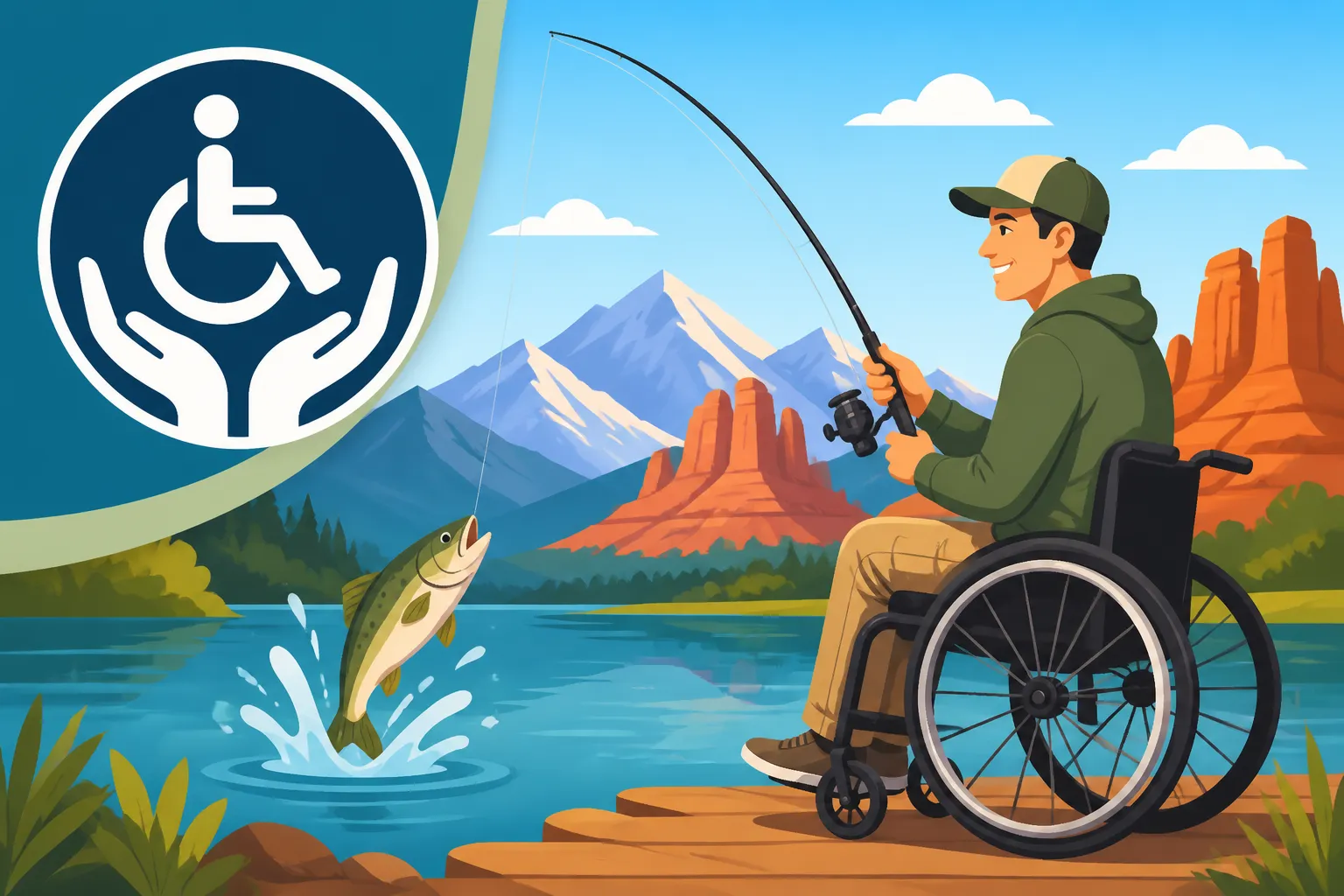
Utah Free Fishing License for People With Disabilities
It's incredibly frustrating when you're passionate about getting out on the water, but physical limitations or the complexities of regulations feel like a constant barrier. Finding clear, straightforward information on how to navigate these challenges can be tough, especially when you just want to enjoy the peace and thrill of fishing. This guide is here to break down everything you need to know about qualifying for and obtaining a free fishing license in Utah specifically for people with disabilities, making sure you feel confident and prepared for your next angling adventure.
Understanding Utah's Commitment to Accessible Fishing
Utah really does strive to make its incredible natural beauty and recreational opportunities available to everyone, and that absolutely includes fishing. For many, fishing isn't just a hobby; it's a vital connection to nature, a source of peace, and a way to build lasting memories.
Why Accessibility Matters in the Outdoors
Think about it: the calm ripple of water, the focused patience, the sudden tug on the line – these are experiences that transcend physical ability. For individuals managing various disabilities, fishing offers profound mental and physical benefits. It provides an opportunity for gentle exercise, stress reduction, and a much-needed escape from daily routines. However, the reality is that many outdoor spaces, including some prime fishing spots, aren't always designed with accessibility in mind. Uneven terrain, lack of paved paths, and inaccessible facilities can turn what should be a relaxing outing into a daunting challenge. Utah's initiatives, like this free fishing license program, directly address these barriers, signaling a genuine commitment to inclusivity. They understand that enjoying a day on the water shouldn't be an exclusive privilege but a right for everyone who wants to participate.
The Spirit Behind the Free License Program
This free fishing license isn't just a bureaucratic checkbox or a handout; it's a thoughtful recognition of the unique circumstances and often increased costs that individuals with disabilities face. The Utah Division of Wildlife Resources (DWR) aims to actively foster participation and enjoyment in outdoor activities. By removing the financial hurdle of a license, the program directly encourages more people to engage with Utah's abundant fisheries. It’s about more than just saving a few dollars; it’s about acknowledging that for some, every little bit of support helps. It helps cover other expenses that might arise, such as specialized gear or transportation, ensuring that the joy of casting a line is truly within reach. This program also aligns with broader efforts to ensure that our public lands and waters are truly for all, celebrating the diverse ways people can connect with the natural world. If you're looking for more general information on fishing permissions, our guide on the Utah Fishing License Guide delves into all the different types available.
Eligibility Requirements for a Free Disability Fishing License
Navigating the specifics of who qualifies can sometimes feel like solving a puzzle, but it's important to understand the criteria the state has in place. The intent is to ensure the program benefits those for whom it was created.
Defining "Permanent Disability" in Utah
For the purpose of this free fishing license, Utah defines a "permanent disability" quite specifically. It generally refers to an individual who has a significant, permanent physical or mental impairment that substantially limits one or more major life activities. This isn't just about temporary conditions or minor inconveniences; it's about enduring challenges that impact daily living. Examples of qualifying conditions often include, but are not limited to, severe mobility impairments requiring the use of a wheelchair or significant assistance, blindness or profound visual impairment, substantial cognitive or intellectual disabilities, or other medical conditions that severely restrict physical activity and independent function. The DWR looks for disabilities that are long-term and not expected to improve significantly. It's not about being unable to fish, but rather about having a recognized disability that creates ongoing challenges in life. This ensures the program is targeted to those who truly need and qualify for this particular accommodation.
Required Documentation for Application
When you apply for this special license, you'll need to provide solid proof of your disability. This isn't just for bureaucracy's sake; it's to protect the integrity of the program and ensure it serves those who genuinely meet the criteria. Typically, you'll need one of the following:
- A certificate or letter from a licensed physician verifying the nature and permanence of your disability. This document should clearly state that the disability is permanent and substantially limits major life activities.
- Documentation from a state or federal agency (like the Social Security Administration or the Department of Veterans Affairs) that officially recognizes your permanent disability status. For example, veterans with a service-connected disability rating might use a letter from the VA. In fact, there's a separate program for a Utah Disabled Veteran Fishing License which might be more applicable depending on your circumstances.
- A disability identification card issued by the State of Utah, if available and recognized by the DWR for this purpose.
These documents are crucial because they provide independent verification of your condition. It's always best to have current documentation, usually dated within the last year or two, unless your disability is explicitly stated as lifelong and unchanging. Make sure all names and addresses on your documents match your application perfectly to avoid delays. Gathering these papers beforehand will make the application process much smoother.
Residency Requirements for the Free License
Just like many other state-specific benefits, this free fishing license for people with disabilities is generally reserved for Utah residents. The state needs to ensure that its resources and programs are primarily benefiting its tax-paying citizens. So, what exactly constitutes Utah residency for fishing license purposes?
Typically, to be considered a resident, you must have lived in Utah for at least six consecutive months immediately preceding your application. You'll need to demonstrate proof of residency, which can include things like a Utah driver's license or state ID card issued more than six months prior, voter registration in Utah, vehicle registration, utility bills in your name, or a residential lease agreement. The DWR wants to see clear evidence that Utah is your primary, permanent home, not just a temporary stop. This requirement ensures that the program is appropriately allocated to those who have established roots and contribute to the state's community. If you're an out-of-state college student, for instance, even if you have a Utah driver's license, you might still need to prove your intent to reside permanently in Utah to qualify for resident-specific licenses. Understanding these rules is a key part of navigating the Utah Fishing License Guide.
The Application Process: Step-by-Step Guide
Once you've gathered your documents and confirmed your eligibility, the next step is to actually apply. The process is designed to be as straightforward as possible, but knowing what to expect can ease any anxieties.
Where to Apply for the Disability Fishing License
You have a few options when it comes to submitting your application for the free disability fishing license, and choosing the right one for you can depend on your preference for in-person assistance versus convenience.
- Utah Division of Wildlife Resources (DWR) Offices: This is often the most recommended route, especially for a first-time application for a disability license. You can visit any DWR office across the state – whether it's the main headquarters in Salt Lake City, or regional offices in Ogden, Springville, Price, or Cedar City. The benefit here is that you can speak directly with DWR staff who are trained to assist with these specific applications. They can review your documentation on the spot, answer any questions you might have about your eligibility, and help ensure your forms are filled out correctly. This personalized assistance can prevent common mistakes that might lead to delays.
- Online Portal: While many standard fishing licenses can be purchased seamlessly through the DWR's online system, the free disability license sometimes requires a bit more verification due to the nature of the documentation. Some DWR systems might allow you to download the application forms online, fill them out, and then submit them via mail or email with scanned copies of your supporting documents. However, it's crucial to double-check the current DWR guidelines, as processes can evolve. For general online purchases, our guide on the Utah Fishing License Online Purchase Process provides more detailed steps.
- Authorized License Agents: These are typically sporting goods stores or hardware stores that are authorized to sell fishing licenses. While convenient for regular license purchases, they might not always have the specific forms or the expertise to process the free disability license, which requires more nuanced documentation review. It's usually best to call ahead to a specific agent to confirm if they can handle this particular type of application before making a trip.
For a first-time application for a disability license, visiting a DWR office often provides the most robust support and peace of mind.
Filling Out the Application Forms
The application form itself is usually a fairly standard document, but it's vital to fill it out completely and accurately. You'll typically be asked for your personal identifying information: full name, address, date of birth, and contact information. There will also be a section where you indicate the type of license you're applying for, specifically noting the permanent disability fishing license.
One of the most critical parts will be the section pertaining to your disability. Here, you might need to briefly describe the nature of your disability and indicate which supporting documents you are attaching. Always double-check that the information on your application matches your supporting documentation precisely. Even a minor discrepancy, like a misspelled name or an outdated address, could cause a delay. If you need assistance with filling out forms, don't hesitate to ask a trusted family member, friend, or a DWR staff member if you're applying in person. Take your time, read each question carefully, and ensure every required field is completed. It's far better to spend an extra few minutes on accuracy than to have your application sent back for corrections.
What to Expect After Application Submission
Once you've submitted your application and all your supporting documents, the waiting game begins. The DWR will review your submission to verify eligibility and ensure all paperwork is in order. The timeline for approval can vary, but generally, you can expect to hear back within a few weeks. During peak seasons, like right before major fishing openers, processing times might be slightly longer.
You'll typically be notified of your application's status by mail or email, depending on what contact preference you provided. If approved, your free fishing license will either be mailed to you or you'll receive instructions on how to access a digital version. If for some reason your application is delayed or denied, the DWR will usually provide a reason for the decision. In such cases, don't despair! It could be something as simple as missing documentation or a minor clarification needed. You'll generally have the opportunity to submit additional information or appeal the decision. Always keep a copy of your submitted application and all supporting documents for your records, just in case you need to reference them later. For those who already have a license, our Utah Fishing License Renewal Guide can help with future renewals.
Maximizing Your Fishing Experience with a Disability License
Getting your free license is a fantastic first step, but it's just the beginning. Now comes the exciting part: planning your outings and ensuring you have everything you need for a successful and enjoyable time on the water.
Understanding the Privileges and Limitations
It's important to remember that while the license itself is free, it doesn't exempt you from any of the other vital Utah Fishing Regulations Explained. This means all daily bag and possession limits, size restrictions, seasonal closures, and legal fishing methods still apply to you. For example, if you're fishing for trout at Strawberry Reservoir, you still need to adhere to the specific trout limits for that water body. The DWR's annual fishing proclamation is your best friend here, providing detailed rules for every species and every water body across the state.
The beauty of this license is that it levels the playing field, making access more equitable. However, it's crucial to stay informed about local regulations, especially if you're exploring new waters. Always double-check the DWR's website or pick up a current copy of the proclamation before heading out. Also, consider adaptive strategies for your fishing. For example, if you have limited mobility, you might focus on fishing from designated accessible piers or using specialized rod holders. The goal is to maximize your enjoyment within the established rules.
Accessible Fishing Spots and Resources in Utah
Utah has made significant strides in improving accessibility at many of its fishing locations. These efforts include paved paths, accessible restrooms, and particularly, fishing piers designed for wheelchair access. You don't have to venture deep into the wilderness to find a great spot.
Some excellent examples include:
- Tibble Fork Reservoir in American Fork Canyon offers an accessible fishing pier and paved access, making it a favorite for many.
- Many community ponds like Decker Lake in West Valley City, Jordan River Parkway ponds, or Highland Glen Park pond are regularly stocked and feature accessible trails and fishing platforms. These spots are often perfect for a shorter, more convenient outing.
- Certain sections of the Provo River and Green River also have improved access points, though river fishing can sometimes present more natural terrain challenges.
For a comprehensive list, you should absolutely check out resources like the DWR's website, which often highlights accessible facilities. Non-profit organizations focused on outdoor recreation for people with disabilities also frequently publish lists and guides. Our detailed guide on the Best Handicap-Accessible Fishing Piers in Utah is a fantastic resource to start with, offering specific locations and what to expect. Planning ahead and researching these spots will ensure you arrive at a location that truly meets your accessibility needs.
Essential Adaptive Gear and Where to Find It
One of the biggest game-changers for anglers with disabilities is the availability of adaptive fishing gear. This isn't about expensive, highly specialized equipment, but rather clever tools that make fishing more comfortable and manageable.
Consider items like:
- Hands-free rod holders: These attach to wheelchairs, chairs, or even vests, allowing you to set your rod down while waiting for a bite or when you need to use your hands for something else.
- Specialized rod grips: Ergonomic, larger, or custom-molded grips can make holding and casting a rod much easier for those with limited hand strength or dexterity.
- Electric reels: For anglers with severe limitations, electric reels can take over the heavy work of retrieving line and fighting fish, offering a fully independent fishing experience.
- Casting aids: Devices that assist with the casting motion can extend reach and accuracy.
When it comes to sourcing this gear, the internet is a treasure trove. Amazon is a widely accessible platform where you can find a vast array of adaptive fishing equipment, from simple rod holders to more complex casting aids. The benefit of shopping online is the sheer selection and the ability to read customer reviews, often from other anglers with similar needs, which can provide invaluable insights. You might also check specialty fishing shops online or adaptive sports equipment retailers. Locally, larger sporting goods stores like Cabela's or Sportsman's Warehouse often carry some universal accessories, and their staff can sometimes offer advice or order specific items. Don't be afraid to experiment with different tools to find what works best for you. Every bit of gear that enhances your independence makes for a more enjoyable day on the water. For more general advice on what to pack, check out our Utah Fishing Gear Guide.
| License Type | Eligibility | Cost (Annual, approx.) | Key Benefit |
|---|---|---|---|
| Permanent Disability | Documented permanent physical/mental impairment | FREE | Removes financial barrier for disabled residents |
| Resident Annual Fishing | Utah Resident, 18-64 years old | $34.00 | Standard yearly access for most residents |
| Resident Youth Fishing | Utah Resident, 12-17 years old | $16.00 | Affordable access for young resident anglers |
| Resident Senior Fishing | Utah Resident, 65+ years old | $26.00 | Reduced rate for senior resident anglers |
| Non-Resident Annual Fishing | Non-Utah Resident, 18+ years old | $85.00 | Standard yearly access for out-of-state anglers |
| Non-Resident 3-Day Fishing | Non-Utah Resident | $32.00 | Short-term option for visitors |
Note: Costs are approximate and subject to change. Always verify current prices and regulations with the Utah DWR.
Disclaimer
The information provided in this guide is intended for general informational purposes only and does not constitute legal advice. While we strive to offer accurate and up-to-date content, fishing regulations, license requirements, and eligibility criteria are subject to change by the Utah Division of Wildlife Resources (DWR). It is always the angler's responsibility to consult the official Utah DWR website or contact DWR offices directly for the most current and authoritative information before engaging in any fishing activities. Compliance with all state and local regulations is mandatory.