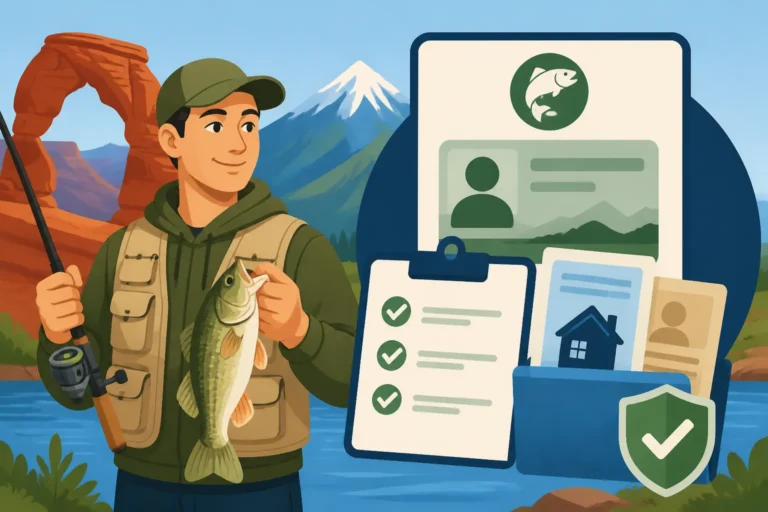
Utah Fishing License Rules for Grandparents Fishing With Grandkids
There's nothing quite like sharing the joy of fishing with your grandkids. The excitement in their eyes when they feel that first tug, the shared laughter over a missed cast, and the quiet moments spent together on the water create memories that last a lifetime. But let's be honest, trying to figure out who needs what license when you're the grandparent planning an outing can feel like navigating a legal labyrinth. This guide is here to untangle all that confusion, making sure your family fishing trips are all about the fun, not the fines.
Understanding Utah's Basic Fishing License Requirements
Before you even think about packing the tackle box and heading out, it's crucial to grasp the fundamental rules of who needs a fishing license in Utah. The regulations are primarily age-based, but also consider residency, and crucially, your level of participation. It's not just about who's holding the rod; it's about who's involved in the act of fishing itself. Many grandparents find themselves in a tricky spot, wanting to help their little anglers without inadvertently breaking a rule.
Age-Based Exemptions for Youth
Utah is pretty welcoming to young anglers, recognizing the importance of getting kids hooked on fishing early. However, there are still specific age cutoffs that dictate whether your grandchild needs their own license.
If your grandkids are under the age of 12, here's some fantastic news: they generally don't need a fishing license at all! This is a wonderful exemption that makes it super easy to introduce the youngest members of your family to the sport. Imagine little Timmy, just seven years old, casting his line into a community pond without needing any paperwork. This policy is designed to remove barriers for families, making those first fishing experiences as simple and enjoyable as possible. You can focus on teaching them how to cast, how to bait a hook, and the thrill of reeling in a feisty trout, rather than worrying about permits. For more details on these age specifics, you might want to check out our detailed guide on whether kids under 12 need a fishing license in Utah.
Now, as grandkids get a little older, the rules start to shift. Once they hit 12, they're no longer exempt. From ages 12 to 13, they'll need a youth fishing license. This is a specially priced license that acknowledges their age while still requiring them to be properly permitted. When they reach 14, up until they turn 18, they'll still need a youth license, but the cost typically adjusts slightly. These youth licenses are still quite affordable, making it accessible for teenagers to continue enjoying the sport. It’s important to remember that even if your grandkids have these youth licenses, the adult supervising them still has their own set of responsibilities regarding licenses, which we'll cover next. The key takeaway here is to always verify the current age ranges and associated costs with the Utah Division of Wildlife Resources (DWR) or by looking at our comprehensive guide on Utah youth fishing license rules before your trip.
Adult License Obligations
This is where many grandparents get caught in a bind. You might assume that if your grandchild has a license (or doesn't need one), you're all set, especially if you're primarily there to help. However, Utah's regulations are quite clear: if you are participating in any way, you need a license.
What does "participating" actually mean? It's broader than you might think. It certainly includes actively fishing yourself – holding a rod, casting your own line, and trying to catch fish. But it can also extend to activities like baiting a hook, casting the line for a young child, netting a fish your grandchild caught, or even handling a fish your grandchild reeled in. Essentially, if you're engaging in any activity that directly aids in the capture of fish, even if it's not your fish, you're generally considered to be fishing and need a license. Imagine trying to help your excited five-year-old reel in a plump rainbow trout. As you lean over, grab the rod to help steady it, or reach for the net, you're now an active participant. To avoid any potential issues, it's always safest for an accompanying adult to have a valid Utah fishing license if they plan to be hands-on in any capacity, even if just assisting a child. This is a common point of confusion, so playing it safe is always the best approach.
It's also worth noting that the type of license you get depends on how often you plan to fish. If you're a resident and you expect to go out more than a couple of times a year, an annual Utah fishing license might be your most cost-effective option. For those spur-of-the-moment or infrequent trips, a 3-day or 7-day fishing license can be incredibly convenient. Non-residents also have similar short-term options. Think about your family's fishing habits. Do you usually go for a big summer trip, or are you hoping to make it a weekly ritual at a local pond? Your choice of license should align with your anticipated frequency. You can often purchase these licenses easily online through the DWR website or from many sporting goods stores like those found on Amazon, or local convenience stores. For a full breakdown of costs and options, our article on Utah fishing license costs by age and residency is a great resource.
Specific Scenarios for Grandparents and Grandkids
Let's delve into some common scenarios that grandparents often face when taking their grandkids fishing. The lines can sometimes feel a bit blurry, but understanding the intent of the regulations can help clarify what's expected.
Grandparent Actively Fishing Alongside Grandkids
This is perhaps the simplest scenario: both you and your grandkids are actively trying to catch fish. If you're casting your own line and your grandkids are also casting theirs (and are 12 or older), then the rule is straightforward: everyone needs a license. This applies whether you're at Strawberry Reservoir targeting trophy cutthroat or at a local community pond trying to catch stocked rainbow trout. Your grandchild, if aged 12-17, will need their youth license, and you, as an adult, will need your resident or non-resident fishing license.
For some grandparents, especially those who also enjoy hunting, a combination license might be a smart choice. Utah offers a joint hunting and fishing license that can sometimes be more economical than purchasing two separate annual licenses. If you're planning on introducing your grandkids to both hunting and fishing, or you simply enjoy both sports yourself, this could be a great way to consolidate your permits. Always verify the current pricing and options, but generally, having a comprehensive license covers all your bases for a full year of outdoor adventures. This ensures that you're fully compliant, no matter if you're teaching little Jimmy how to cast a worm or helping him spot deer tracks in the mountains.
Grandparent Supervising, Not Fishing
This is often the most confusing scenario for many grandparents. You might think, "I'm just helping my little ones, I'm not actually fishing myself!" However, the DWR takes a broad view of what constitutes "fishing." If you're doing anything beyond simply observing, like baiting a hook, casting the line for a child who can't do it themselves, removing a fish from the hook, or even netting a fish your grandchild has reeled in, you are generally considered to be "aiding in the take" and therefore participating in fishing.
Think of it this way: if your actions are directly contributing to the success of catching a fish, the DWR expects you to have a license. This rule is in place to prevent adults from circumventing license requirements by claiming they are merely assisting, while still actively engaging in the process of catching fish. Imagine you're at a local pond, and your 8-year-old granddaughter, Sarah, gets a bite. She struggles to reel it in, so you grab the rod, help her crank, and then carefully net the fish. In this instance, because you directly assisted in landing the fish, you would be expected to have a fishing license. It's a nuance that can catch people off guard, but understanding it is key to staying compliant. When in doubt, it's almost always better to err on the side of caution and purchase a license if you anticipate any hands-on involvement with the fishing process.
Grandkids Fishing on Free Fishing Day
Utah's Free Fishing Day is a fantastic annual event, typically held in June, where residents and non-residents alike can fish in most public waters without needing a fishing license. This is an absolutely perfect opportunity for grandparents to introduce their grandkids to fishing without any financial commitment for licenses, and without the hassle of paperwork. It’s also a great day to visit popular spots like Mantua Reservoir or East Canyon Reservoir.
However, even on Free Fishing Day, there are still rules to be aware of. While the license requirement is waived, all other Utah fishing regulations still apply. This means catch limits (bag and possession limits), tackle restrictions, and species-specific rules remain in effect. For example, if you're fishing a water body with a specific trout limit, that limit still applies to everyone, even on Free Fishing Day. It's crucial to consult the current Utah Fishing Guidebook for the specific rules of the water body you plan to visit. While it's a "free" day in terms of licenses, it's not a free-for-all when it comes to regulations. Our article on Utah Free Fishing Day provides even more context, including a reminder that catch limits still apply on Utah's Free Fishing Day. So, while you and your grandkids can enjoy a day on the water without licenses, be sure you're still adhering to all other rules to ensure a fun and legal outing.
Practical Tips for Grandparents Planning a Fishing Trip
Taking grandkids fishing should be a source of joy, not stress. With a little planning and the right information, you can ensure your family fishing trips are memorable for all the right reasons.
Choosing the Right License
Deciding which license to purchase can seem a bit overwhelming with the various options available. For many grandparents, especially if your grandkids live out of state and only visit once a year, a short-term license might be the most practical. Utah offers convenient 3-day and 7-day fishing license options for both residents and non-residents. These are perfect for a planned family vacation to a popular destination like Lake Powell or a quick weekend getaway to a local lake. They allow you to get out on the water without committing to a full year's license.
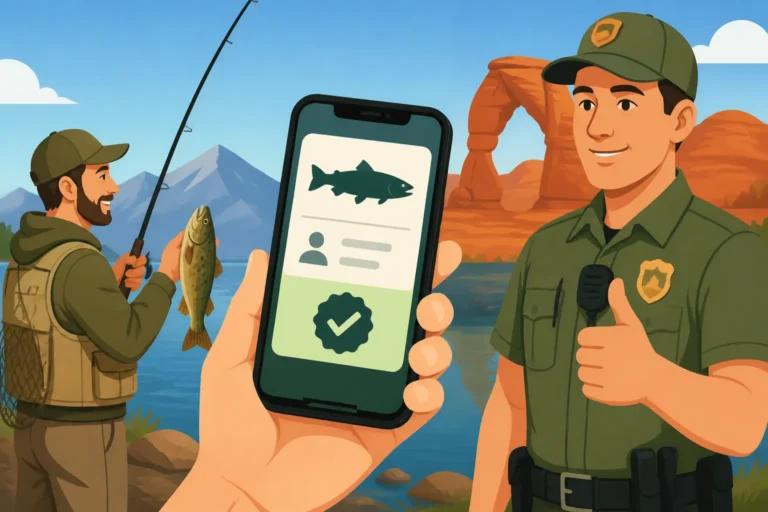
However, if you're a local grandparent and anticipate frequent trips with your grandkids throughout the year, an annual license is almost always the better value. It covers you from the date of purchase for a full year, making spontaneous fishing trips much easier. You won't have to scramble to buy a new license every time the grandkids visit. Purchasing your license is easy too! You can buy a Utah fishing license online from the DWR website, which is incredibly convenient and allows you to print it at home or save it to your phone. Many sporting goods stores, bait shops, and even some convenience stores are also authorized vendors. Speaking of convenience, did you know you can often show a digital fishing license on your phone in Utah? This means no more worrying about losing a paper copy!
Here’s a quick overview to help you decide:
| License Type | Best For | Pros | Cons |
|---|---|---|---|
| Annual Resident | Frequent local trips | Cost-effective for multiple outings, covers a full year | Higher initial cost, may be overkill for one-off trips |
| Annual Non-Resident | Frequent visits to Utah (non-residents) | Good value if you visit Utah often to fish | Significantly higher cost than resident annual |
| 3-Day Resident/Non-Resident | Short, planned trips | Convenient for vacations, lower initial cost | Expires quickly, more expensive per day if used frequently |
| 7-Day Resident/Non-Resident | Longer vacations/infrequent trips | Good balance for longer visits | Still time-limited, not ideal for year-round fishing |
| Youth License (12-17) | Grandkids aged 12-17 | Affordable, teaches responsibility | Still requires active purchase/renewal |
Preparing for a Family Fishing Outing
A successful fishing trip with grandkids goes beyond just licenses; it involves thoughtful preparation to keep everyone safe, comfortable, and engaged. One of the biggest keys to success is having kid-friendly gear. Leave your heavy-duty bass rods at home for your personal trips. For kids, opt for lighter, simpler spinning reels that are easy to cast and retrieve. Combos specifically designed for children, often brightly colored and equipped with push-button reels, are excellent choices. You can find a great selection of these on Amazon, often bundled with a basic tackle kit.
Beyond the rod and reel, think about safety and comfort. Life jackets are non-negotiable, especially if you're fishing near deep water or from a boat. Ensure everyone, including yourself and your grandkids, has a properly fitting life jacket. Sun protection is also vital in Utah's bright sun; hats, sunglasses, and sunscreen should be packed generously. A small first-aid kit for minor scrapes and hook pokes is also a smart addition to your gear bag.
Finally, and perhaps most importantly, pack an abundance of patience and snacks! Kids have shorter attention spans, and the "fishing" might quickly turn into rock-skipping or bug-hunting. Embrace these moments. Bring plenty of water, some favorite treats, and be prepared for breaks. Teach them about the local fish species, the importance of keeping our waters clean, and how to properly release fish if they're not keepers. Focus on the experience and the memories you're creating together, rather than just the number of fish caught. Remember, these are the moments they'll cherish long after the fish stories fade.
Disclaimer
The information provided in this guide is for general informational purposes only and does not constitute legal advice. Utah fishing regulations can change, and it is always the angler's responsibility to consult the most current Utah Fishing Guidebook published by the Utah Division of Wildlife Resources (DWR) or contact the DWR directly for the latest and most accurate regulations before engaging in any fishing activities.