Utah Youth Fishing License Rules
It's incredibly frustrating when you're trying to do the right thing, take your kids fishing, and then get tangled up in what feels like a bureaucratic mess of rules and regulations. Understanding when, or if, your child needs a fishing license in Utah can be surprisingly confusing, especially with different age brackets and costs. This comprehensive guide is here to untangle all of Utah's youth fishing license rules, helping you navigate the requirements smoothly so you and your young angler can focus on catching fish, not headaches.
Understanding Utah's Basic Fishing License Requirements for Kids
Let's cut through the confusion right away. Utah has clear, age-based regulations for youth fishing licenses, but it's easy to misunderstand who needs what, and when. The main goal here, beyond conservation, is to encourage young people to get outdoors and enjoy our incredible fisheries, while also tracking participation for future management.
Age Brackets and Exemptions for Young Anglers
The rules for kids aren't a one-size-fits-all situation; they depend squarely on how old your aspiring angler is. It's a progressive system designed to ease kids into the responsibilities of being a licensed angler.
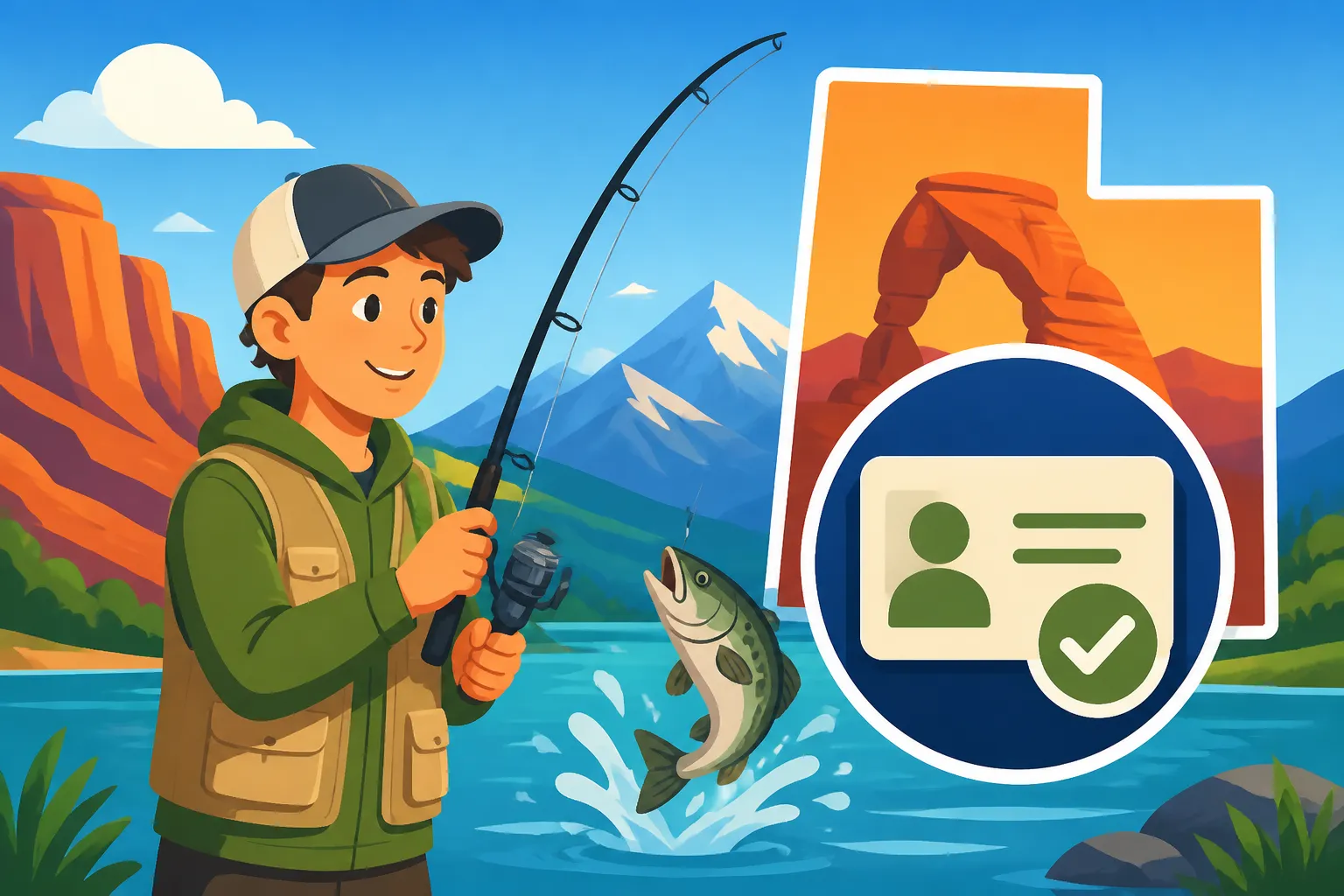
First off, and this is fantastic news for families with very young children, kids under the age of 12 do not need a fishing license in Utah. This exemption is a wonderful way for parents, grandparents, and guardians to introduce the joys of fishing without any upfront cost or paperwork. Imagine the pure excitement of a little one reeling in their first bluegill at a local community pond like Decker Lake or Little Dell Reservoir, completely free of charge. It’s all about creating those early, positive memories that can spark a lifelong passion. The Utah Division of Wildlife Resources (DWR) genuinely wants to see those smiling faces out on the water, making this age group entirely exempt from any license requirement. For more detailed information, you can always check out whether Do Kids Under 12 Need a Fishing License in Utah?.
Next, we move into the 12-to-13 age bracket. This is where a little nuance comes in. While the license itself is free for Utah residents in this age group, it is still required. This might seem a bit counterintuitive—why get a "free" license? The primary reason is data collection. The DWR uses license sales figures, even for free licenses, to understand how many people are fishing, which helps them allocate resources, plan fish stockings, and assess angler impact on various waters. It’s a vital piece of the puzzle for effective wildlife management. So, if your child is turning 12, it's time to start thinking about getting them their no-cost license. This is a crucial step towards becoming a responsible angler and understanding that even free access comes with a responsibility to be counted. Learn more about the specific costs for this age group by looking into the Utah Youth Fishing License Cost for Ages 12 and 13.
Finally, for teenagers aged 14 to 17, a paid youth fishing license is required. At this point, the DWR considers them old enough to contribute financially to the conservation efforts that make Utah's fishing so spectacular. The cost is still significantly less than an adult license, making it an affordable entry point for young adults who are becoming more independent in their fishing pursuits. This age group is often capable of going on fishing trips with friends or taking on more advanced techniques, and the license ensures they're contributing to the health of the fisheries they enjoy. Whether they're targeting trout on the Provo River or bass at Deer Creek Reservoir, that license plays a part in keeping those opportunities alive. For more specific pricing, see the guide on Utah Youth Fishing License Cost for Ages 14 to 17.
Why These Age-Based Rules Exist
These specific age brackets and licensing requirements aren't just arbitrary rules; they are carefully designed components of a larger conservation and management strategy. The Utah DWR has multiple objectives in mind when crafting these regulations, all aimed at protecting our natural resources and ensuring future generations can enjoy Utah fishing as much as we do today.
First and foremost is conservation and funding. Every dollar generated from fishing license sales, whether youth or adult, goes directly back into the state's wildlife and fisheries programs. This includes funding for fish stocking programs in community ponds and larger reservoirs, habitat restoration projects in rivers and streams, research into fish populations, and enforcement of fishing regulations. By requiring licenses for those 12 and older, even if free for the younger segment, the DWR can demonstrate a broader base of support and participation in conservation. Without this funding, the incredible fishing opportunities we have across Utah, from the high Uinta Mountain lakes to the vibrant waters of Flaming Gorge, simply wouldn't be sustainable.
Secondly, these rules are vital for data collection and management. As mentioned, knowing how many anglers are participating, and in which age groups, provides invaluable data for the DWR. This information helps biologists and wildlife managers make informed decisions about where to stock fish, what species to prioritize, and how to set appropriate bag and possession limits. For instance, if they see a surge in 12-13 year olds getting licenses, they might allocate more resources to beginner-friendly fisheries. It's about understanding the angler pressure on various waters and ensuring that fish populations remain healthy and resilient, year after year. This allows for a more tailored approach to managing specific fisheries, whether it's the trophy trout at Fish Lake or the burgeoning walleye population at Utah Lake.
Finally, these rules are about encouraging responsible youth participation. By introducing the concept of a license, even a free one, at age 12, it instills a sense of ownership and responsibility in young anglers. It teaches them that fishing is a privilege that comes with a duty to understand and respect the rules. It’s an early lesson in stewardship and accountability, preparing them for the full responsibilities of adult angling. This educational aspect is crucial for fostering a generation of conservation-minded individuals who understand the importance of sustainable fishing practices. It's more than just a piece of paper; it's a foundational step in their journey as outdoor enthusiasts.
Navigating the Youth Fishing License Application Process
Once you understand why these rules exist, the next step is figuring out how to actually get that license for your child. Thankfully, the Utah DWR has made the process relatively straightforward, offering both online and in-person options to accommodate everyone. It’s designed to be as user-friendly as possible, so you can spend less time on paperwork and more time on the water.
How to Obtain a Utah Youth Fishing License
Getting a Utah youth fishing license is generally a smooth process, regardless of whether it's a free license for a 12 or 13-year-old resident or a paid one for an older teenager. The primary method for purchasing or obtaining any Utah fishing license today is through the DWR's online licensing system. This is by far the most convenient option, as you can do it from the comfort of your home at any time of day, avoiding lines and travel.
To apply online, you'll need to visit the Utah Division of Wildlife Resources website. Their online portal is pretty intuitive. You’ll typically create an account, or if you already have one for yourself, you can add your child to your profile. The system will guide you through selecting the correct license type based on your child's age and residency. Even for the free youth license for 12 and 13-year-olds, you’ll still go through the "purchase" process, though the cost will be zero. This ensures that their information is recorded in the DWR system, which, as we discussed, is crucial for tracking angler numbers and supporting conservation efforts. The online system often provides an immediate digital copy of the license, which you can save to your phone, and a physical copy is usually mailed shortly after. For a step-by-step guide, you can check out How to Buy a Utah Fishing License Online.
If you prefer a more traditional approach, or if you need assistance with the online system, there are several in-person options available. You can visit any authorized DWR license agent across the state. These agents are typically sporting goods stores, bait shops, or even some larger retail stores that carry fishing supplies. Just think of your local Sportsman's Warehouse or even a larger Walmart that often has a sporting goods counter; many of these locations are authorized license vendors. They can help you fill out the application, process payment, and print the license on the spot. Additionally, you can visit any Utah DWR office during business hours. While less numerous than license agents, DWR offices offer direct assistance from knowledgeable staff who can answer any specific questions you might have about the regulations. This can be especially helpful if you have unique circumstances or need clarification on certain rules.
What Documentation is Needed for Youth Licenses
While the process is generally simple, having the right documents on hand will make it even smoother, especially if you're applying in person or need to verify residency for a lower-cost resident license. For youth licenses, the documentation requirements are usually minimal but essential.
The most critical piece of documentation you'll need for any youth license is proof of age. This is how the DWR verifies which age bracket your child falls into. A birth certificate is the most common and widely accepted form of proof. For older teens, a state-issued ID card or even a school ID that includes a birthdate might suffice, though a driver's license would be ideal if they have one. When applying online, you typically input the birthdate, and the system categorizes it. If there's ever an issue or an audit, having that physical proof available is important. Remember, fishing without the proper license for your age group, even if it's a free one, can lead to penalties, so ensuring all details are correct from the start is paramount.
For those seeking a resident youth fishing license, you'll also need to provide proof of Utah residency. This usually means that the parent or legal guardian purchasing the license must be a Utah resident, and the child must also reside in the state. Acceptable proof of residency for an adult typically includes a valid Utah driver's license or state ID card. If the child is older and has their own ID, that can also serve as proof. The DWR specifies how long an individual must live in Utah to qualify as a resident, usually 60 consecutive days, but for minors, it's often tied to the residency of their legal guardian. Without proper proof of residency, your child would be subject to the higher non-resident license fees, which can be a significant difference. You can find more details on general age requirements for licenses at Utah Fishing License Age Requirements.
Finally, because minors cannot legally enter into contracts, parent or legal guardian involvement is always required for obtaining a youth fishing license. This means an adult will need to complete the application, whether online or in person, and typically be present if identification or residency verification is needed. This ensures legal compliance and that an adult is taking responsibility for the accuracy of the information provided. It’s a good reminder that fishing with kids is a family affair, and the adults are ultimately responsible for ensuring all regulations are met.
Costs, Validity, and Specific Scenarios for Youth Licenses
Understanding the various costs and the duration of licenses is crucial for planning your family fishing trips. While the DWR strives to make youth licenses affordable, especially for residents, there are distinct differences between resident and non-resident fees, and various options for how long a license is valid.
Resident vs. Non-Resident Youth License Costs
The financial commitment for a youth fishing license in Utah varies significantly depending on whether your child is a resident of the state or visiting from elsewhere. This differential pricing is standard practice across most states, as resident fees are subsidized by state taxes and aim to provide affordable access for those who live and contribute to the state's economy.
For Utah resident youth, the pricing structure is as follows:
- Ages 11 and under: No license required, no cost. Pure fishing freedom!
- Ages 12-13: Free annual fishing license. Remember, it's still required, but there's no monetary cost.
- Ages 14-17: A relatively low-cost annual fishing license. This fee helps fund conservation directly.
Now, for non-resident youth, the costs are higher, reflecting the different funding model. If you're visiting Utah from out of state and bringing your kids along to experience our incredible fisheries, you'll need to factor these prices into your trip budget. The age brackets remain the same for non-residents, but the associated fees are different:
- Ages 11 and under: No license required, still no cost. This is consistent for everyone, resident or non-resident, which is wonderful for tourism and encouraging young visitors.
- Ages 12-13: A paid annual fishing license, though still discounted compared to an adult non-resident license. This ensures they are accounted for in the DWR's data.
- Ages 14-17: A paid annual fishing license, again at a rate lower than a non-resident adult but higher than a resident youth.
Here’s a simplified comparison table for typical annual license costs (note: exact prices can change, always check the DWR website for the most current figures):
| Age Group | Utah Resident Annual Cost | Non-Resident Annual Cost | Notes |
|---|---|---|---|
| Under 12 | Free (No license required) | Free (No license required) | No paperwork, just fish! |
| 12-13 | Free (License required) | Paid (Youth Non-Resident) | License still needed for tracking. |
| 14-17 | Paid (Youth Resident) | Paid (Youth Non-Resident) | Contributes to state conservation. |
| 18-64 (Adult) | Paid (Adult Resident) | Paid (Adult Non-Resident) | For comparison with general pricing. |
For a broader perspective on adult costs, you can look into the Utah Resident Fishing License Cost for Ages 18 to 64 or the Utah Nonresident Fishing License Cost for Ages 18 and Up. Keep in mind that these fees directly support the preservation and enhancement of Utah's fishing resources, so your contribution helps ensure future generations of anglers have healthy fisheries to enjoy.
License Validity and Combination Options
Once you've purchased or obtained a youth fishing license, it's essential to understand how long it's valid and what other options might be available, especially for those who also enjoy other outdoor pursuits.
Most standard Utah fishing licenses, including youth annual licenses, are valid from the date of purchase through December 31st of the calendar year in which they were purchased. So, if you buy a license in March, it expires on December 31st of that same year. If you buy it in November, it still expires on December 31st. This calendar year expiration is a critical detail to remember, as it's not a full 12 months from purchase date. Many seasoned anglers opt to purchase their annual licenses early in the year, often around January 1st, to get the full benefit of the entire fishing season.
For non-resident youth, or even resident youth who are only planning a short fishing trip, Utah offers short-term fishing license options. These typically come in 3-day or 7-day increments. These are fantastic for family vacations or quick weekend getaways, as they allow you to pay for only the time you'll be actively fishing, rather than a full annual license. While the cost per day might be higher than an annual license if you fish frequently, they represent great value for occasional visitors. For example, if your family is visiting Zion National Park and planning just a day or two of fishing on a nearby reservoir, a 3-day license makes perfect sense. You can find detailed pricing for these shorter options in guides like the Utah 3-Day Fishing License Cost and Utah 7-Day Fishing License Cost.
Beyond just fishing, many active youth are also involved in hunting. For these multi-sport enthusiasts, Utah offers a combination hunting and fishing license. For eligible youth, this combined license can often be a more cost-effective option than purchasing separate hunting and fishing licenses. It simplifies the paperwork and ensures they're covered for both activities throughout the year. This is particularly appealing for older teens (14-17) who are likely expanding their outdoor interests beyond just fishing. Always check the specific requirements and pricing for these combination licenses on the DWR website, as they can sometimes have different age and residency stipulations than standalone fishing licenses. It's a great way to support a well-rounded appreciation for Utah's diverse wildlife.
Common Questions and Special Situations for Youth Anglers
Navigating youth fishing regulations can sometimes throw up specific scenarios that leave parents scratching their heads. It's not always black and white, especially when you're trying to figure out who needs a license when multiple people are fishing, or how special events like Free Fishing Day fit into the picture. Let's clear up some of these common puzzlers.
When Parents or Guardians Need a License Too
This is one of the most frequently asked questions and it's easy to misunderstand. You're out on the water, your young child (under 12, so no license needed) is casting away, and you're there to help, untangle lines, bait hooks, and maybe even show them how to reel in. Do you need a license? The answer hinges on one crucial factor: Are you actively participating in the act of fishing?
If you, as the parent or guardian, are actively fishing—meaning you have your own rod in the water, you're casting, retrieving, trying to catch fish, or even just holding a baited line—then yes, you absolutely need a valid Utah fishing license, regardless of your child's licensing status. Even if your primary goal is to help your child, if you're engaging in fishing yourself, you are subject to the same licensing requirements as any other adult angler. This applies whether your child is license-exempt (under 12), has a free youth license, or a paid youth license. The DWR's stance is clear: if you're fishing, you need a license. It’s about ensuring fair play and proper contribution to conservation from all active participants. If you're unsure about this, it's always safer to err on the side of caution and get one, or simply stick to assisting your child without casting a line yourself. For related situations, you might find more clarity in the article Do Both Adults Need a License If Only One Is Fishing in Utah?.
However, if you are strictly supervising, assisting, or helping your child without physically participating in fishing yourself, then you generally do not need a license. This means you can bait their hook, untangle snags, remove fish from their line, or even cast for them to get their line out, as long as the intention is for their active fishing. You are not holding a rod with the intention of catching a fish yourself. This distinction is important for allowing parents to easily introduce children to fishing without needing two licenses if only the child intends to fish. It's a fine line, but generally, if a DWR officer observes you actively fishing, they'll expect to see your license. It's always a good idea to clearly separate your role as a helper from that of an active angler if you don't have a license.
Youth Fishing License Exemptions and Free Fishing Day
While we've covered the general age exemptions, there are also special circumstances and events that create unique licensing opportunities for youth. Knowing about these can help you plan your outings and take advantage of fantastic initiatives aimed at encouraging young anglers.
As a reminder, the most common exemption is for children under 12 years of age. These youngsters are completely exempt from needing a fishing license in Utah. This means no forms, no fees, no worries—just pure, unadulterated fishing fun. It’s a brilliant way to ensure that the very youngest generation gets a chance to fall in love with angling without any barriers. This exemption holds true whether they're residents or non-residents, making it universally accessible for all families looking to introduce their little ones to the sport.
Another fantastic opportunity for youth (and adults!) is Utah's Free Fishing Day. This is a statewide event, typically held on the second Saturday in June each year. On this designated day, anyone can fish in Utah's public waters without needing a fishing license. It's an annual celebration designed to encourage new anglers to try out the sport and for families to enjoy a day on the water without the initial financial commitment of a license. The DWR often stocks community ponds extra heavily around this time to maximize catch rates and ensure a positive experience for participants. It's a perfect day to bring out the whole family, borrow some gear, and see if fishing is for you. For specific dates and details, always check the DWR website or a post like Utah Free Fishing Day.
It's absolutely critical to remember, however, that while the license requirement is waived on Free Fishing Day, all other fishing regulations still apply. This includes bag and possession limits, size restrictions, bait restrictions, and any water-specific rules. For example, if you're fishing a water with a limit of four trout, you can only keep four, even on Free Fishing Day. The intent is to provide free access to fishing, not a free-for-all on the fish populations. Disregarding these rules can still lead to fines, so it’s important to educate yourself and your children on the regulations for the specific water you plan to visit. You can learn more about this in Do Catch Limits Still Apply on Utah's Free Fishing Day?.
Promoting Responsible Youth Angling and Compliance
Introducing children to fishing is more than just teaching them how to cast a line or bait a hook; it's an opportunity to instill a deep appreciation for nature, foster ethical behavior, and teach them about their role in conservation. A large part of this involves understanding and respecting the rules, including those around licensing.
Teaching Conservation and Ethical Fishing Practices
When we talk about youth fishing licenses, it's not just about a piece of paper; it's about connecting young anglers to the broader world of conservation. Teaching kids about ethical fishing practices goes hand-in-hand with understanding why licenses are important. It’s an investment in their future outdoor experiences.
One of the most valuable lessons we can impart is the importance of catch and release. While it's thrilling to keep a fish for dinner, teaching kids how to properly handle and release fish that aren't intended for the dinner table, or are protected by regulations, is crucial for maintaining healthy fish populations. This includes minimizing handling time, wetting hands before touching the fish, and using appropriate tools like de-hookers. Discussing why we have specific bag and possession limits helps them understand that resources are finite and that everyone needs to take only what they need, leaving enough for others and for the natural ecosystem to thrive. For instance, explaining why there are specific limits on cutthroat trout at Strawberry Reservoir helps them grasp the specific management goals for that fishery.
Furthermore, emphasize the principle of leaving no trace. This means packing out everything you pack in, and perhaps even picking up a bit of litter you find left behind by others. Explaining that the funds from fishing licenses directly support efforts like habitat restoration, fish stocking, and scientific research helps them understand their personal contribution to keeping Utah's waters clean and teeming with fish. When they see a DWR truck stocking trout at a community pond, they can feel a sense of pride knowing their license, or their future license, is helping make that happen. This holistic approach makes them not just anglers, but true stewards of the environment.
Consequences of Fishing Without a Proper License
While the focus should always be on education and positive experiences, it's also important for youth (and their supervising adults) to understand the very real consequences of fishing without a proper license. Ignorance of the law is generally not considered an excuse, and enforcement officers are out there to ensure compliance for the sake of conservation.
If an individual, including a youth in an age bracket requiring a license, is caught fishing without one, they can face fines and penalties. These penalties can vary depending on the specific violation, the discretion of the DWR officer, and whether it's a first offense. Generally, fishing without a license is a misdemeanor, and the fines can range from a couple of hundred dollars to significantly more, plus court fees. This can be a harsh lesson, and certainly not the kind of memory you want to create on a family fishing trip. It’s much more cost-effective and certainly less stressful to simply obtain the correct license beforehand. For a deeper dive into what happens if you break the rules, you can review topics such as Utah Fishing License Penalties for Violations or What Happens If You Get Caught Fishing Without a License in Utah?.
Beyond monetary fines, there's also the potential for confiscation of fishing gear or even the loss of fishing privileges for a period. While less common for a first-time, minor infraction involving a youth, serious or repeated violations can lead to more severe consequences. It's a stark reminder that the rules are there for a reason, and respecting them is part of being a responsible participant in our shared natural resources. Therefore, before heading out to any of Utah's amazing fishing spots, whether it's the Green River below Flaming Gorge Dam or the urban ponds of Salt Lake City, a quick check of everyone's license status is always a smart move. When purchasing gear online, like a new rod and reel combo or a tackle box from Amazon, remember to also factor in the cost and importance of that fishing license. It's the most essential piece of "gear" you can have.
Ultimately, the best approach is to ensure that everyone who needs a license has one, and that all anglers, especially our youth, are educated on the regulations specific to the waters they plan to fish. This sets a positive example, promotes ethical behavior, and ensures that the thrill of fishing remains a joyful and responsible pursuit for all involved.
Disclaimer
The information provided in this guide is intended for general informational purposes only and may not reflect the most current regulations. Fishing rules and license costs in Utah are subject to change by the Utah Division of Wildlife Resources (DWR). Always consult the official Utah DWR website or their latest fishing proclamation for the most accurate and up-to-date information before engaging in any fishing activities.