Where to Wade Fish the Provo River
There's nothing quite like the feeling of stepping into a cool mountain river, the current gently pushing against your waders as you scan the water for that tell-tale dimple of a rising trout. But let's be honest, finding those perfect, accessible spots to wade fish on a river like Utah's famed Provo can sometimes feel like a closely guarded secret, leaving many anglers frustrated and unsure where to even start. This comprehensive guide is here to unravel the mystery, providing you with detailed insights into the prime wade-fishing sections of the Provo River, what you'll need, and how to make the most of your time on its legendary waters.
Understanding the Provo River's Wading Opportunities
The Provo River isn't just one continuous stretch of water; it's a dynamic system with distinct personalities depending on the section. For wade anglers, understanding these differences is crucial to planning a successful outing. Each stretch offers unique challenges and rewards, from the pristine, challenging waters of the Middle Provo to the more accessible, diverse angling of the Lower Provo.
The Middle Provo River Section
Often hailed as a Blue Ribbon fishery, the Middle Provo River, running from Jordanelle Dam down to Deer Creek Reservoir, is arguably the most popular section for wade anglers, especially those focused on fly fishing. This section is primarily managed for wild brown trout and stocked rainbow trout, with a strong emphasis on quality over quantity. The river here is characterized by clear, cold water, a consistent flow, and a mix of riffles, runs, and deeper pools. The substrate is largely rocky, making sturdy wading boots with good grip an absolute must.
Many anglers are drawn to the Middle Provo for its hatches and the opportunity to catch impressive trout on dry flies or precisely presented nymphs. It's a truly beautiful stretch, winding through picturesque canyons and open meadows, offering a serene escape from the hustle and bustle of everyday life. However, its popularity means it can get crowded, particularly on weekends and during prime hatch periods. You'll often find yourself sharing the water, so practicing good river etiquette, like giving fellow anglers ample space, is key to everyone's enjoyment. It's an ideal spot for those who appreciate the challenge of technical fishing and the pursuit of larger, healthier fish.
The Lower Provo River Section
Below Deer Creek Reservoir, the Provo River takes on a different character as it flows towards Utah Lake. This section, often referred to as the Lower Provo River, tends to be wider, slower, and often a bit murkier than its upstream counterpart, especially after agricultural runoff or significant rain events. While it might not boast the "Blue Ribbon" status of the Middle Provo, the Lower Provo offers excellent and often less crowded wade fishing, particularly for those targeting different species or looking for a slightly more forgiving environment.
Here, you'll still find healthy populations of brown and rainbow trout, but you'll also encounter a wider array of warm water species, including whitefish, bass, and even carp in the sections closer to Utah Lake. The slower flows can make wading easier in some areas, though slick, silty bottoms can present their own challenges. Access points can be a bit more spread out, and the river often runs alongside agricultural land, so being mindful of private property is paramount. The Lower Provo is a fantastic option for anglers looking for a change of pace, perhaps wanting to try different techniques like spin fishing or simply seeking a quieter experience away from the crowds often found upstream. Its varied fish populations also mean you never quite know what you're going to hook into, adding an element of surprise to every cast.
Essential Gear and Techniques for Wade Fishing the Provo
Wade fishing the Provo River, especially the Middle Provo, requires specific gear and a thoughtful approach to techniques. You're not just casting from a bank; you're immersing yourself in the fish's environment, which demands respect and preparation. Having the right tools and knowing how to use them can dramatically improve your success and safety on the water.
Wading Safety and Gear Choices
When you're literally standing in the river, your safety gear is just as important as your fishing tackle. First and foremost, a good pair of waders and wading boots is non-negotiable. Breathable waders are typically preferred for Utah's varied climate, allowing you to layer appropriately underneath. Choose wading boots with felt or rubber soles with studs for superior grip on the slick, rocky bottoms of the Middle Provo or the often-silty bottom of the Lower Provo. A sturdy wading staff is another absolutely critical piece of equipment. It provides stability, helps you gauge water depth, and can prevent a nasty fall, especially when crossing swift currents or navigating unseen obstacles. Don't leave home without one.
Layering your clothing is also crucial. Utah's weather can change quickly, from chilly mornings to warm afternoons, so being able to add or shed layers will keep you comfortable. A good waterproof and breathable wading jacket is also a smart investment, as unexpected rain showers or spray from the river are always a possibility. Beyond the immediate wading gear, remember sun protection like a wide-brimmed hat, polarized sunglasses (which also help you spot fish and submerged structure), and sunscreen. These small considerations contribute immensely to both your safety and overall enjoyment on the water. For more information on staying safe in varied conditions, check out our guide on How to Layer Clothing for a Utah Winter Fishing Trip.
Productive Techniques for Provo River Trout
The Provo River, particularly the Middle Provo, is a renowned fly-fishing destination, and nymphing is often the most productive technique. Trout here feed heavily on aquatic insects drifting along the bottom. A "Euro Nymphing" or "tight-line nymphing" setup, using a longer, sensitive fly rod and specific leader setups, allows for precise depth control and detection of subtle strikes. Popular nymph patterns include zebra midges, pheasant tails, hares ears, and various stonefly imitations, typically fished under an indicator or with a sighter leader. Understanding how to present your flies naturally, mimicking the drift of real insects, is paramount.
While nymphing often accounts for the most fish, don't overlook dry fly opportunities, especially during prolific hatches like midges in winter and spring, or caddis and mayflies in warmer months. Watching a trout sip a dry fly from the surface is one of fly fishing's greatest thrills. Having a selection of popular dry fly patterns, along with appropriate tippet sizes, will ensure you're ready when the fish look up. Streamers can also be highly effective, especially for targeting larger brown trout hiding in deeper pools or along undercut banks. Stripping larger fly patterns that imitate baitfish can provoke aggressive strikes, particularly during low light conditions or when the water is slightly off-color. Mastering these techniques takes practice, but the rewards on the Provo are well worth the effort. Consider consulting a local guide found on resources like FishingBooker to learn the nuances of these techniques firsthand on the specific river sections. For a deeper dive into effective presentations, our article on How to Match the Hatch on the Provo River offers invaluable advice.
Navigating Access Points and River Etiquette
One of the biggest hurdles for new wade anglers on the Provo River is simply knowing where to get in and out of the water legally and respectfully. While much of the river is public land or has public easements, there are still private sections that must be avoided. Understanding these access points and practicing proper etiquette is crucial for ensuring a pleasant experience for everyone and preserving access for future generations.
Key Public Access Locations for Waders
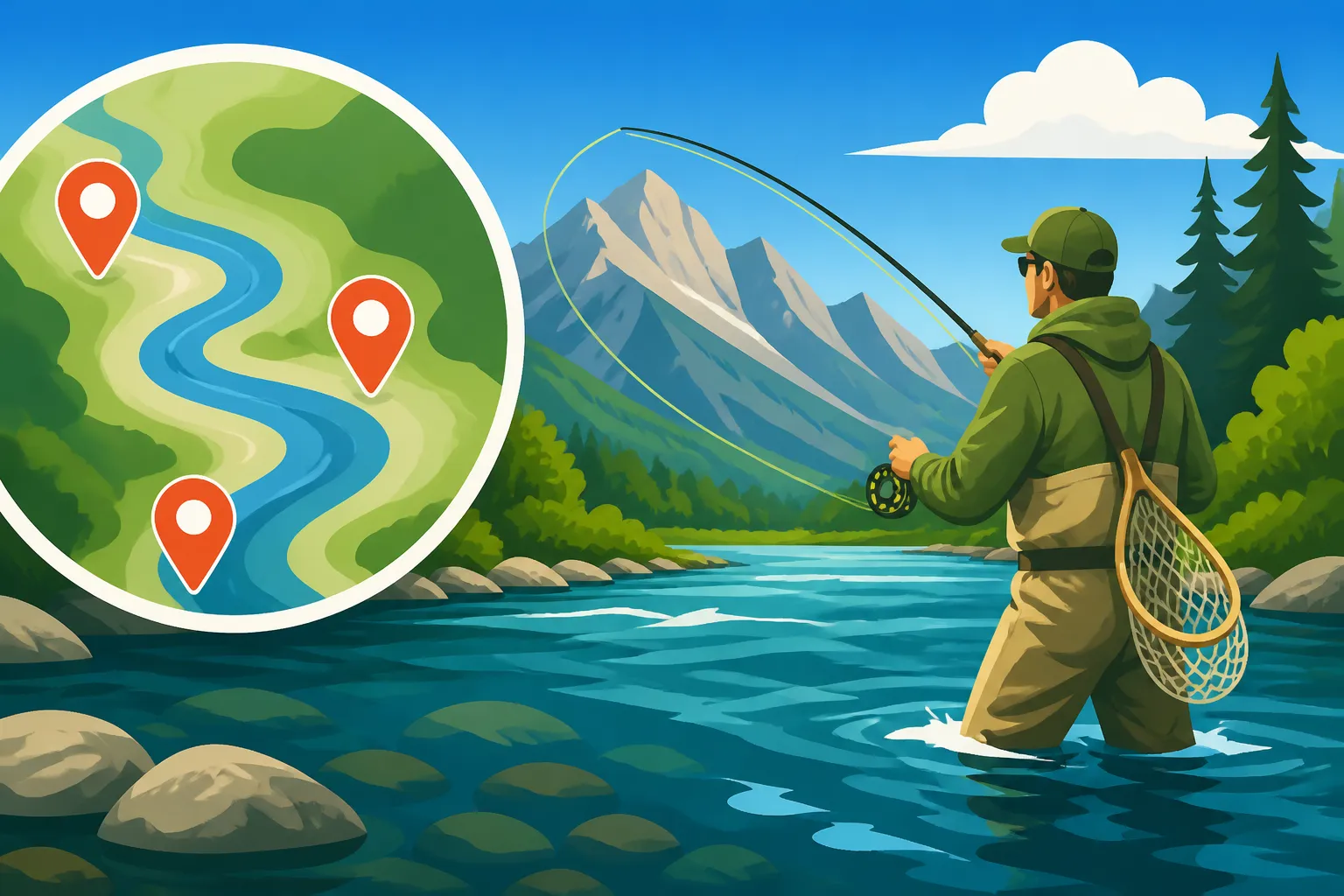
The Middle Provo River boasts several well-known public access points that are ideal for wade fishing. Above Deer Creek Reservoir, areas like the Legacy Bridge, just off Highway 189, offer ample parking and relatively easy access to popular stretches of water. Vivian Park, further upstream near Provo Canyon, is another excellent spot with designated parking, restrooms, and clear entry points to the river. Many sections along the "Provo Canyon Scenic Byway" (Highway 189) also feature pull-offs and marked access points. Always look for signage indicating public access or fishing easements. Keep in mind that these popular spots can see a fair amount of angling pressure, so arriving early or fishing during off-peak times can often lead to a more solitary experience.
For the Lower Provo River, below Deer Creek, access can be a bit more dispersed. Some of the state parks along the river, like Deer Creek State Park itself, offer designated fishing access. Other spots are found via city parks or small public easements within urban and agricultural areas. It's always a good idea to consult local maps from the Utah Division of Wildlife Resources (DWR) or inquire at local fly shops for the most up-to-date and reliable access information. Remember, even if you see a spot that looks promising, always verify it's public access before wading in. Our detailed guide on Middle Provo River Access Near Vivian Park provides more specific information on that particular area.
Respecting the River and Fellow Anglers
Fishing on the Provo River means adhering to a strict code of ethics, not just for the environment but also for your fellow anglers. Private property is a significant concern, especially in areas where the river flows through agricultural or residential zones. Always be aware of property boundaries and only access the river where public easements are clearly marked. Trespassing is not only illegal but can jeopardize future public access for everyone. When you park, ensure you're not blocking private driveways or impeding traffic.
Beyond legal considerations, practicing good river etiquette makes for a better experience for all. If you see someone fishing a run, give them plenty of space – at least 50-100 yards, if possible. Don't walk directly upstream or downstream of them, disturbing the water or fish they might be targeting. If you're walking the bank, stay back from the water's edge to avoid spooking fish. "Leave No Trace" principles are paramount: pack out everything you pack in, including monofilament scraps and discarded leader material. Protecting the riparian habitat by staying on established paths and not trampling vegetation is also vital. The Provo River is a shared resource, and it's up to every angler to treat it with respect. You can learn more about general conduct in our article on Utah Fishing Regulations Explained.
When and Where to Find the Best Conditions
The Provo River is a year-round fishery, but its character changes dramatically with the seasons. Understanding these seasonal shifts and knowing how to interpret water conditions will greatly influence your wade fishing success. From spring runoff to the clear, cold flows of winter, each period presents its own opportunities and challenges.
Seasonal Considerations for Wade Fishing Success
Spring (March-May): This can be a challenging but rewarding time. Early spring, often called "pre-runoff," can offer excellent fishing with rising water temperatures triggering active fish. However, as the snowpack melts, runoff typically swells the river, making wading difficult and the water murky. During heavy runoff, wade fishing can be dangerous and unproductive. It's crucial to monitor flow rates before heading out. Sometimes, the lower sections of the Provo, being less affected by direct mountain runoff, might clear up sooner. Our guide on What Flies Work Best on the Provo River in Spring? provides excellent insight into fly selection during this period.
Summer (June-August): Once runoff subsides and the water clears, summer offers fantastic wade fishing. Water temperatures are ideal for trout, and insect hatches are often prolific. Early mornings and late evenings are generally the most productive times to avoid direct sun and recreational floaters. The Middle Provo is usually prime, with consistent flows from the Jordanelle Dam. The lower river can get quite warm in mid-summer, pushing trout into deeper, cooler pockets.
Fall (September-November): Many consider fall to be the absolute best time for wade fishing the Provo. The weather is cooler, crowds thin out, and brown trout become highly active, often aggressive, as they prepare for their spawn. The colors of the canyon are breathtaking, adding to the experience. Flows are typically stable, and wading is generally excellent.
Winter (December-February): Don't dismiss winter! While colder, clear days can offer surprisingly good fishing, especially on the Middle Provo which remains ice-free below the dam. Midges are the primary food source, making small nymph patterns essential. Warm clothing, good layering, and careful wading are a must. Access can sometimes be tricky due to snow and ice on the banks. For more detailed insights into how these conditions impact fishing, refer to our comprehensive article on How Runoff Affects Utah River Fishing.
Checking Water Flows and Online Resources
Before you even tie on a fly, checking the current river conditions is non-negotiable for wade fishing the Provo. The U.S. Geological Survey (USGS) operates stream gauges that provide real-time data on water flow (cubic feet per second, or CFS) and height for various points on the Provo River. A quick online search for "USGS Provo River flow" will get you to these invaluable resources. For the Middle Provo, flows between 200-500 CFS are generally considered good for wading, though experienced anglers can handle higher flows. Anything significantly above 600-700 CFS can make wading dangerous and fishing unproductive for most.
In addition to USGS data, the Utah Division of Wildlife Resources (DWR) provides regular fishing reports and updates on stocking schedules and special regulations. Local fly shops in the Heber City and Provo areas are also a goldmine of information. Their staff are often on the water daily and can give you the most current insights into hatches, productive techniques, and specific access points. Don't be shy about calling or stopping in! You can also find some helpful information by looking up guide services on platforms like FishingBooker, where local guides often post detailed information about current conditions and their recent successes. Staying informed is the best way to ensure a safe and successful wade fishing trip on the Provo.
Here's a quick comparison of the two main wade-fishing sections:
| Feature | Middle Provo River (Jordanelle to Deer Creek) | Lower Provo River (Deer Creek to Utah Lake) |
|---|---|---|
| Primary Fish Species | Wild Brown Trout, Stocked Rainbow Trout | Brown Trout, Rainbow Trout, Whitefish, Bass, Carp |
| Water Clarity | Generally clear, cold, consistent flow | Wider, slower, can be murkier |
| Wading Difficulty | Moderate to challenging (rocky, swift current) | Easier to moderate (slower flow, can be silty) |
| Angling Pressure | High (especially weekends/prime hatches) | Moderate to low (can be less crowded) |
| Primary Techniques | Fly fishing (Nymphing, Dry Flies, Streamers) | Fly & Spin fishing (Nymphing, Spinners, Baits) |
| Access Points | Well-marked public access (Vivian Park, Legacy Bridge) | More dispersed, some city/state parks |
| "Blue Ribbon" Status | Yes | No |
| Best Seasons | Summer, Fall, Winter (low flow) | Late Spring, Summer, Fall |
Disclaimer
The information provided in this guide is for general informational purposes only and is not intended as legal advice regarding fishing regulations or private property boundaries. Fishing regulations, access points, and river conditions can change frequently. Always consult the most current Utah Division of Wildlife Resources (DWR) regulations, check local signage, and verify water conditions (e.g., USGS streamflows) before heading out on any fishing trip. Wading in rivers carries inherent risks; always prioritize your safety and wear appropriate gear.