Best Coves for Bass at Lake Powell
Lake Powell is an absolute marvel, a vast reservoir carved through stunning red rock canyons, offering some of the most unique and challenging fishing experiences in the country. But let's be honest, its sheer size can be incredibly daunting, especially when you're setting out with the specific goal of finding and catching bass. It's easy to feel lost amidst the endless miles of shoreline, wondering if you're even in the right area to hook into those feisty smallmouth or elusive largemouth. This comprehensive guide is here to cut through that overwhelm, helping you identify and target the best coves for bass at Lake Powell, and equipping you with the knowledge to navigate its ever-changing conditions effectively.
Understanding Lake Powell's Unique Bass Habitats
Lake Powell isn't your typical lake, and that's precisely what makes it so special – and sometimes, so challenging. Its unique geology, characterized by deep canyons, intricate submerged structures, and fluctuating water levels, creates a distinct environment for bass. Unlike a shallower, weed-choked Midwestern lake, bass at Lake Powell often relate to rock, brush, and the dynamic shoreline.
The Role of Coves in Bass Ecology
Coves are absolutely critical for bass success on Lake Powell. Think of them as the protective nurseries and feeding grounds for these fish. Bass, particularly smallmouth, thrive on structure, and coves often provide an abundance of it: submerged brush, rock ledges, steep drop-offs, and canyon walls. These features offer ambush points for prey, shelter from predators, and protection from the elements, especially strong winds. Largemouth bass tend to favor the shallower, warmer backs of coves where vegetation, if present, or flooded timber offers cover.
During different seasons, coves serve various purposes. In the spring, they warm up faster than the main lake, drawing in bass preparing to spawn. In the summer, deeper coves provide cooler water while still offering access to baitfish. Fall sees bass aggressively feeding in coves as they prepare for winter, often chasing bait into the shallower areas. Even in winter, certain coves can hold concentrations of deep-dwelling bass.
How Water Levels Impact Cove Fishing
One of the biggest factors that can make or break your Lake Powell bass fishing trip is the water level. Lake Powell is a storage reservoir, and its levels can fluctuate dramatically from year to year and even month to month. This dynamic nature constantly changes the available habitat and access to prime fishing spots.
When water levels are high, new brush and trees become submerged, creating fresh, untouched cover that bass love. These "new" areas can be incredibly productive, but they can also be challenging to navigate if you're unfamiliar with the area. Conversely, when water levels are low, many once-productive coves might become too shallow, leaving behind dry, exposed rock and brush. Bass will pull out to deeper water or move to coves that retain sufficient depth. It's crucial to check current water levels before your trip and be prepared to adapt your strategy. Online resources from the Bureau of Reclamation can provide up-to-date information on lake elevations. This constant change means that a "hot spot" one year might be a dry gulch the next, necessitating flexible thinking and good navigation.
Top Coves and Areas Known for Bass at Lake Powell
Lake Powell is vast, stretching hundreds of miles across Utah and Arizona. While bass can be found throughout, certain arms and bays are consistently more productive due to their specific characteristics and forage availability. Knowing where to focus your efforts can save you a tremendous amount of time and fuel.
Northern Lake Powell: Bullfrog Bay and Beyond
The northern sections of Lake Powell, particularly around the Bullfrog Bay and Halls Crossing areas, offer excellent bass fishing, especially for smallmouth. This region is characterized by numerous deep, intricate coves and canyons with abundant rock structure.
- Bullfrog Bay Area: Look for coves with steep rocky banks, submerged ledges, and transition areas where rock meets dirt. Smallmouth bass often cruise these rock walls, looking for crawdads and baitfish. Coves like Good Hope Bay, though a bit further north, are also renowned for their bass action, particularly during periods of stable water levels. The numerous small, unnamed coves branching off these larger bays can hold hidden gems.
- Dirty Devil and Escalante Arms: These major arms, while a longer run from Bullfrog, offer some spectacular, less pressured fishing. They are wilder, more remote, and incredibly scenic. The Escalante Arm is particularly famous for its incredible slot canyons and diverse structure, from sheer walls to submerged timber. Look for areas with boulder fields, submerged humps, and any visible brush along the shoreline. Bass in these remote areas often see less pressure and can be more aggressive.
Central and Southern Lake Powell: Wahweap and Antelope Point
As you move south towards the main channel and down to the Wahweap and Antelope Point areas near Page, Arizona, the fishing character changes slightly, though smallmouth remain prevalent. This area still offers incredible opportunities, often with easier access due to proximity to major marinas.
- Wahweap Bay Complex: The coves within the larger Wahweap Bay are easily accessible and can be very productive. Look for rocky points, wind-blown shorelines, and coves that have a mix of rock and sand. Bass often congregate on the main lake points leading into these coves, especially when baitfish are active. Marinas themselves can often hold good numbers of bass, as the docks and associated structure provide cover.
- Antelope Point and Navajo Canyon: These areas, including the famous Antelope Canyon (though fishing within the strictly regulated slot canyon might be restricted, the larger area around its mouth is fair game), are known for their deep, clear water and stunning red rock formations. Bass will often hold deeper here, relating to ledges, submerged rock piles, and points that jut out into the main channel. Keep an eye out for areas where wind creates current and pushes baitfish against structure.
- San Juan Arm: This extensive arm is another prime destination, especially if you're looking for a mix of smallmouth and largemouth. The San Juan arm can have more flooded timber and brush in its upper reaches, providing excellent cover for largemouth. Down-lake, it transitions back to classic rocky smallmouth habitat. Identifying specific coves here often involves navigating up the arm and exploring various side canyons.
| Lake Powell Region | Primary Bass Species | Key Cove Characteristics | Best Seasons | Common Structures |
|---|---|---|---|---|
| Northern (Bullfrog, Good Hope, Escalante) | Smallmouth, some Largemouth | Deep, rocky canyons; submerged timber; intricate shorelines | Spring, Fall, Summer | Ledges, boulders, submerged brush, sheer walls |
| Central/Southern (Wahweap, Antelope, San Juan) | Smallmouth, some Largemouth | Rocky points, wind-blown shorelines, main lake points, flooded brush (upper San Juan) | Spring, Fall, Summer | Docks, rock piles, ledges, submerged humps, timber |
Essential Techniques for Fishing Coves at Lake Powell
Once you've identified a promising cove, the next step is to know how to effectively fish it. Lake Powell bass can be particular, and adapting your techniques to the conditions and specific species is key.
Lure Selection for Lake Powell Bass
Your tackle box for Lake Powell should be versatile, covering a range of depths and conditions.
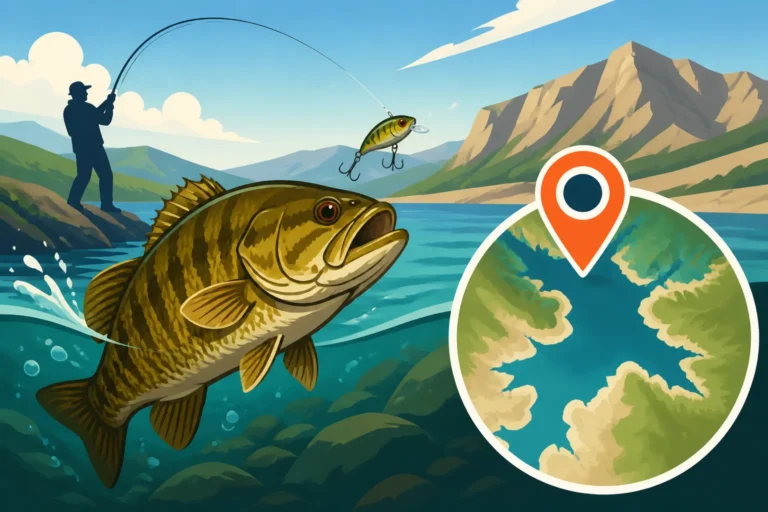
- Smallmouth Favorites: For smallmouth bass that often patrol rocky ledges and points, crankbaits are fantastic. Look for models that dive to different depths, matching the structure you're fishing. Colors mimicking crawdads or shad are always good bets. Soft plastics, especially tubes and grubs on jig heads, are deadly when dragged along the bottom or hopped over rocks. Jerkbaits are also excellent, particularly in cooler water or when bass are suspended. Don't forget topwater lures for early mornings or late evenings – poppers and walking baits can produce explosive strikes when smallmouth are feeding on the surface. For deeper presentations, try a drop shot rig for Utah bass with a small worm or creature bait, allowing you to present your offering precisely where the fish are holding without heavy weights.
- Largemouth Strategies: If you're targeting largemouth, especially in the backs of coves with brush or flooded timber, consider jigs with creature baits, Texas-rigged worms, or spinnerbaits. These are designed to be fished through cover without snagging. Frog patterns or soft plastic swimbaits can also be highly effective when fished over submerged vegetation or near shaded banks. You might also find success with a senko-style bait, fished weightless or lightly weighted, allowed to slowly fall through the water column.
Presentation and Retrieval Tips
How you present your lure is just as important as the lure itself.
- Reading the Water: Pay close attention to current, wind direction, and visible baitfish. Wind can push baitfish into certain coves or against specific shorelines, concentrating bass. Current, though less common in coves, can also be a key factor. Look for color changes in the water, areas of shade, or any visible structure, even subtle ones.
- Targeting Structure: Bass love ambush points. Cast your lures precisely to submerged rocks, ledges, brush piles, and points. If you see a particularly gnarly tree partially submerged, that's almost certainly holding a bass. Fish parallel to bluff walls or rock slides, making multiple casts to thoroughly cover the area. Don't be afraid to experiment with retrieve speeds; sometimes a slow, deliberate retrieve is best, while other times a fast, erratic retrieve triggers a reaction strike. Understanding how to catch smallmouth bass in rocky coves will greatly improve your success.
- Seasonal Adjustments: In spring, bass will be shallower, preparing to spawn. Focus on the warmer, sun-exposed backs of coves and protected pockets. As summer progresses, they'll often move deeper, seeking cooler water and relating to deeper structure or shade. In fall, they become very active, feeding heavily, and can be found throughout coves, chasing baitfish. Winter fishing requires slowing down considerably and targeting deeper, main-lake points or vertical structure within coves. For more detailed insights, check out the best month for smallmouth bass fishing in Utah.
Employing Electronics for Enhanced Success
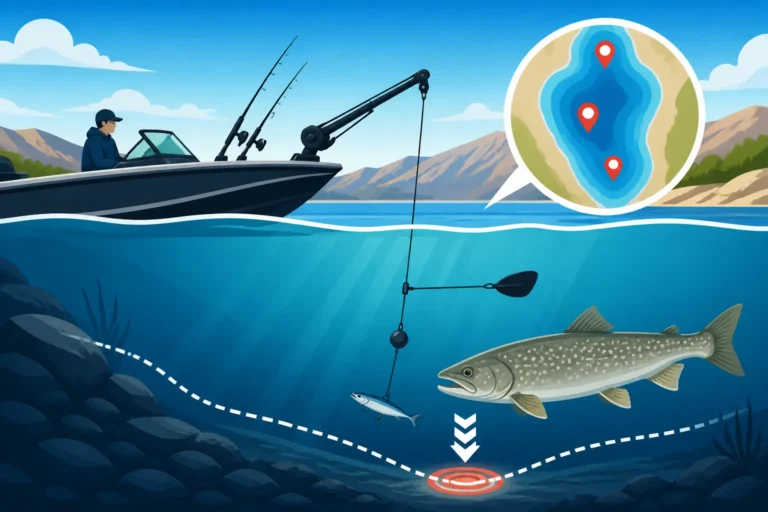
A quality fish finder can be an absolute game-changer on Lake Powell. The ability to see what's beneath the surface allows you to quickly identify submerged structure, baitfish schools, and even individual bass. When exploring a new cove, use your electronics to map out depth contours, locate humps, ledges, and brush piles that aren't visible from above. Side imaging or down imaging can give you a clearer picture of what lies beneath your boat and off to the sides, helping you pinpoint those hidden bass havens. Understanding how to read a fish finder for Utah reservoirs can dramatically increase your efficiency.
For those planning an extensive trip, consider bringing along a guide. Many experienced Lake Powell guides use services like FishingBooker to connect with anglers, and they can show you firsthand how to use your electronics to their fullest potential, along with their knowledge of local hot spots.
Planning Your Lake Powell Bass Cove Expedition
A successful fishing trip to Lake Powell requires more than just knowing where the fish are; it demands careful planning and preparation.
Essential Gear and Boat Considerations
Given the vastness and often remote nature of Lake Powell, having the right equipment is paramount.
- Boat Choice: A reliable boat is non-negotiable. Whether it's a bass boat, a versatile center console, or even a well-equipped pontoon for a family trip, ensure it's in top condition. Fuel capacity is a huge consideration – Lake Powell has limited fuel stops, and distances between good fishing areas can be substantial. Always carry more fuel than you think you'll need. A GPS chart plotter is incredibly useful for navigating the labyrinthine canyons and marking productive coves. For deep dives into boat specifics, consider reading about the best boat size for fishing Lake Powell.
- Navigation & Safety: Lake Powell can be a maze, and losing your way, especially in low light or bad weather, is a real possibility. A reliable GPS unit with detailed mapping is essential. Always carry spare props, basic tools, and safety gear like extra life jackets, a first-aid kit, and an emergency communication device (satellite messenger, marine radio). Cell service is spotty at best in many parts of the lake.
- Fishing Gear: Beyond your lures, ensure you have a variety of rods and reels appropriate for different techniques (e.g., medium-heavy casting rods for jigs, lighter spinning rods for drop shots). Carry plenty of extra line, leader material, and a diverse selection of hooks and weights. Don't forget a good pair of polarized sunglasses to cut glare and help spot structure or cruising fish, especially in the clearer water found in some coves. A robust Utah fishing gear guide can help you assemble the perfect kit.
Best Times to Fish for Bass in Lake Powell Coves
Timing is everything at Lake Powell, and knowing the seasonal patterns can significantly boost your catch rates.
- Spring (March – May): This is arguably the prime time for bass fishing in Lake Powell. As water temperatures rise, bass move into the shallower, warmer coves to spawn. They are often aggressive and can be caught on a variety of lures, from crankbaits to soft plastics. Focus on sunny, protected coves.
- Summer (June – August): Bass will move deeper during the heat of summer. Target them in the early morning and late evening when they might push shallower to feed. During the day, look for them on deep points, ledges, and submerged structure within coves. Night fishing can also be highly effective, especially for largemouth. You might find some interesting crossover insights in guides like best time of day to catch striped bass at Lake Powell, as some principles apply.
- Fall (September – November): Another fantastic time for bass. As temperatures cool, bass become very active, feeding heavily to bulk up for winter. They can be found throughout coves, chasing baitfish. This is a great time for reaction baits like crankbaits and spinnerbaits.
- Winter (December – February): Bass fishing in winter requires patience and a slower approach. Fish will hold deeper, often on main lake points or vertical canyon walls within coves. Jigging spoons and slower presentations with soft plastics are often the most effective. While the main body of the lake might be less active, the protected waters of certain coves can still hold concentrations of fish.
Navigating and Accessing Remote Coves
Many of the best bass coves are not easily accessible and require a good understanding of Lake Powell's geography.
- Marina Access Points: Major marinas like Wahweap, Antelope Point, Bullfrog, and Halls Crossing provide excellent starting points. From these hubs, you can access numerous productive coves. However, some of the truly remote and less pressured coves are a significant boat ride away.
- Houseboat Expeditions: For a truly immersive experience and access to the farthest reaches, a houseboat trip is unparalleled. You can bring all your gear, set up a basecamp in a remote arm like the San Juan or Escalante, and spend days exploring dozens of coves that single-day boaters might miss. Planning a trip around Lake Powell houseboat fishing access can open up a whole new world of opportunities.
- Respecting the Environment: Lake Powell is a fragile desert ecosystem. Practice leave-no-trace principles, pack out all your trash, and be mindful of invasive species. Before launching, ensure your boat is clean, drained, and dry to prevent the spread of aquatic invasive species, as per Utah's strict regulations. For a wealth of knowledge on how to manage these challenges, including finding fishing charters and guided trips that will take care of the details, consider checking out options on FishingBooker. They often partner with local guides who are intimately familiar with both the fishing and the environmental best practices of Lake Powell.
Disclaimer
The information provided in this guide is for general informational purposes only and is subject to change. Water levels, fish populations, and regulations at Lake Powell can vary. Always consult the latest regulations from the Utah Division of Wildlife Resources and the Glen Canyon National Recreation Area before your trip. Fishing inherently involves risks, and safety should always be your top priority.