How to Match the Hatch on the Provo River
There's nothing quite like the thrill of a day out on the Provo River, surrounded by the stunning Utah landscape, rod in hand. But let's be honest, sometimes it feels like the fish are just laughing at us. You see them dimpling the surface, actively feeding, yet your perfectly presented fly is met with utter indifference. This frustrating scenario is a common one, and it often boils down to a single, critical skill: learning how to match the hatch. This guide is all about equipping you with the knowledge and techniques to decode what Provo River trout are eating, ensuring your fly isn't just another piece of fluff floating by, but a delectable meal they can't resist.
Unraveling the Provo River's Aquatic Menu: Key Insects
The Provo River, especially its Blue Ribbon sections, is a prolific ecosystem, teeming with a diverse range of aquatic insects that form the primary diet of its trout. Understanding these insects, their life cycles, and when they're most active is the bedrock of successful hatch matching. It’s not just about what adult bugs are flying around, but what's happening under the water that truly counts.
Mayflies: The Elegant Dancers of the River
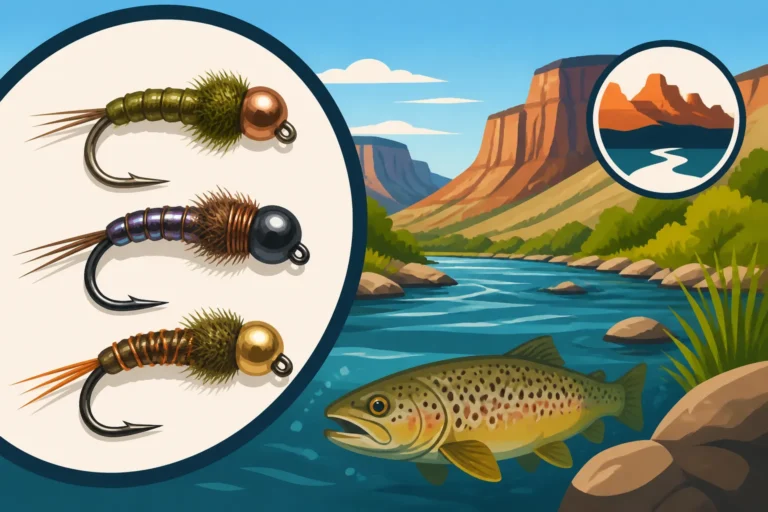
Mayflies are arguably the most iconic insect for fly anglers, and for good reason. Trout absolutely key in on them. On the Provo, you'll encounter several important species, each with distinct characteristics. The most widespread are the Baetis (Blue-winged Olives), often seen in spring and fall, emerging on cloudy, cooler days. They're small, usually sizes #18-22, and their nymphs are slender and active. Then there are the Pale Morning Duns (PMDs), larger than Baetis (sizes #14-18), typically showing up from late spring through summer, especially on warmer afternoons. Green Drakes are the big show, usually in sizes #10-14, with impressive wings. Their emergence is less frequent but can trigger a feeding frenzy, often in the upper and middle sections of the Provo.
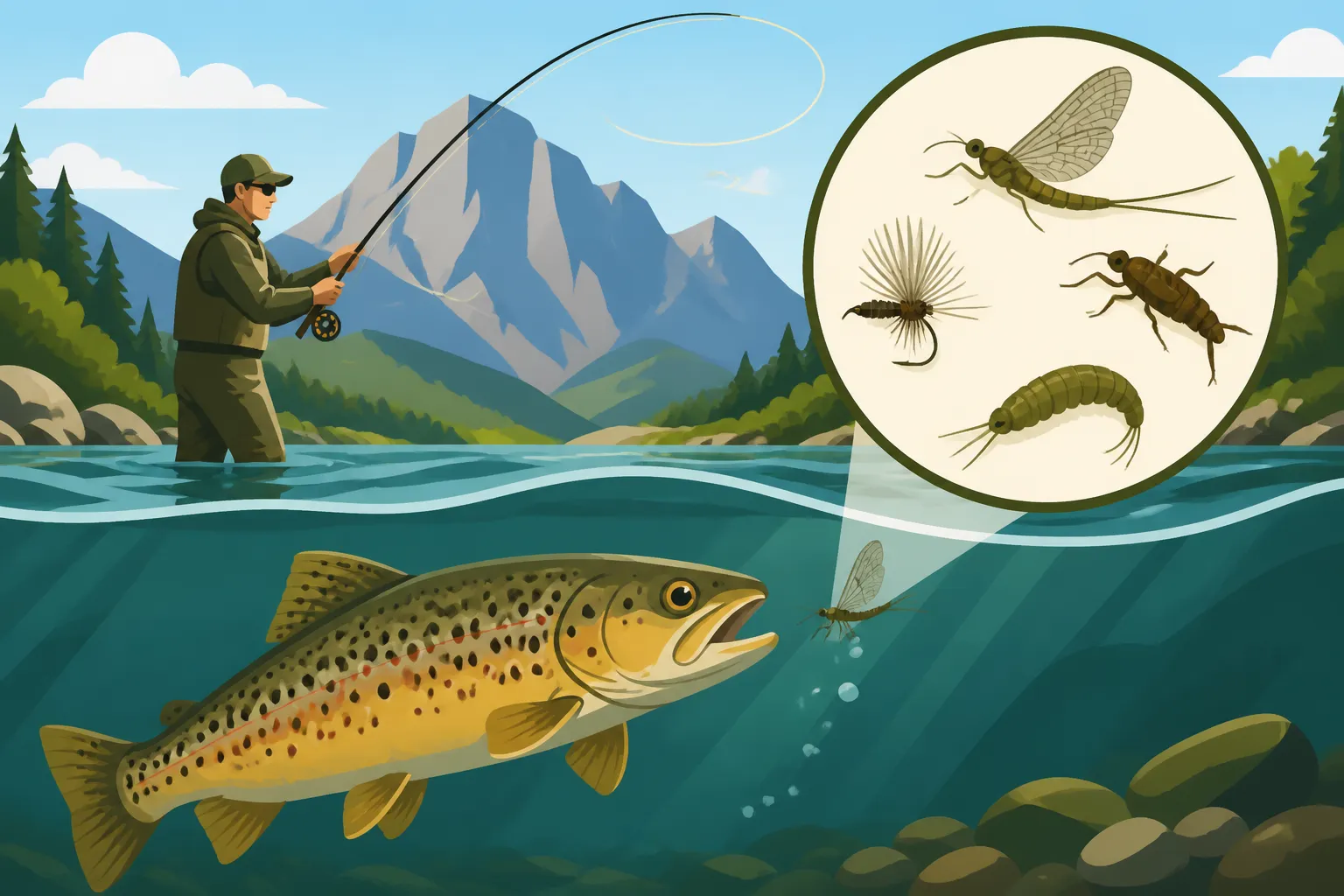
Each of these mayfly species goes through four primary life stages that are critical for anglers to understand: the nymph, emerger, adult dun, and spinner. Nymphs live on the river bottom, and trout feed on them almost constantly. The emerger stage is when the nymph rises to the surface, shedding its exoskeleton to transform into an adult, a particularly vulnerable and often ignored stage by anglers. The adult dun floats on the surface, drying its wings before flying off. Finally, the spinner is the reproductive stage, where spent adults fall back onto the water after mating, providing an easy meal for trout. Mastering these stages is key to picking the right fly, whether it's a weighted nymph, a soft-hackle emerger, a parachute dry fly, or a spent spinner pattern.
Caddisflies: The Skittering Survivors
Caddisflies are another staple in the Provo River trout's diet, and they behave quite differently from mayflies, requiring a different approach. You'll primarily encounter two main groups: net-spinning caddis (like Hydropsyche) and case-building caddis. Their sizes can range from #12 to #18, with colors varying from olive to tan to dark brown. Unlike mayflies, caddis larvae build protective cases of pebbles, twigs, or silk, which makes them less vulnerable as larvae but still a target for opportunistic trout. The pupa stage is where the magic happens for anglers. Caddis pupae swim actively to the surface to emerge, often triggering explosive strikes from trout.
Once they reach the surface, adult caddisflies are strong flyers and tend to skitter and bounce across the water, rather than floating passively like mayflies. This behavior makes them incredibly attractive to trout and means your dry fly presentation often needs to be more animated. Later, after mating, the females often dive back into the water to lay eggs, becoming vulnerable again. Fishing patterns that imitate caddis pupae, such as LaFontaine's Sparkle Pupa or various soft hackles, can be incredibly effective subsurface. For adults, patterns like the Elk Hair Caddis or Goddard Caddis are classic choices, and sometimes a slight twitch or skate on the retrieve can make all the difference.
Stoneflies and Terrestrials: Opportunistic Bites
While less frequent as widespread hatches compared to mayflies and caddis, stoneflies and terrestrials play a crucial role, especially for targeting larger trout or during specific times of the year. Stoneflies, like Salmonflies and Golden Stones, are big, meaty meals, typically found in the swifter, rockier sections of the Provo. Their nymphs are robust, often sizes #4-8, and spend years on the bottom before crawling to the bank to hatch. Trout gorge on these large nymphs, especially during spring runoff or when they become dislodged from the substrate. Dry fly anglers await the sporadic adult hatches, where large foam patterns can entice truly aggressive strikes.
Terrestrial insects, on the other hand, are land-dwelling creatures like grasshoppers, ants, and beetles, that accidentally fall into the river, particularly during warmer months from late spring through early fall. These bugs represent a significant protein source for trout, especially when aquatic hatches are sparse or during hot, sunny afternoons when fish are looking for an easy meal in shaded banks. Trout often become quite opportunistic and less selective when feeding on terrestrials. Carrying a selection of foam hoppers, ant patterns, and beetle imitations is always a good idea, and you can find a wide range of these patterns available on Amazon. Beyond insects, sculpins and other small baitfish are also a food source, particularly for larger, predatory brown trout. Streamer fishing can be incredibly effective when imitating these subsurface snacks.
Becoming a River Detective: Observing the Hatch
Successfully matching the hatch isn't just about having the right flies; it's a keen eye and a bit of detective work. The river itself will tell you what the fish are eating, if you know how to listen and observe. This skill is honed over time, but there are definite techniques you can employ to accelerate your learning curve.
Reading the Water for Rises and Subsurface Takes
When you arrive at the river, the first thing to do is pause and simply observe. Don't cast immediately. Look for activity on the water's surface. Are there visible rises? If so, what do they look like? A gentle sip or dimple usually indicates fish taking small, adult mayflies or midges. A more aggressive, splashing rise often points to caddisflies either emerging or skittering. Knowing what kind of rise you're seeing is the first clue. But remember, surface activity isn't always the full story. Many fish feed almost exclusively subsurface. You might see subtle flashes or slight movements in the water column as trout intercept nymphs or emergers.
Beyond rise forms, watch the air and water around you. Are adult insects flying about? Are there shucks (the shed exoskeletons of nymphs and pupae) floating in the current or clinging to streamside vegetation? A small collection of shucks can instantly tell you the size and species of insect that has recently emerged. You might even spot a "spinner fall" where spent mayflies lay on the surface, easy pickings for trout. Take note of the color and size of any insects you see. Sometimes, the fish are keyed in on something so small you'll need to use a magnifying glass to identify it. This is where patience truly pays off, as the trout on the Provo River, being heavily fished, are particularly selective.
Scrutinizing the Naturals: Size, Shape, and Color
Once you've observed some activity, your next step is to get as close a look as possible at the actual insects the fish are targeting. This is where a small pocket seine or a fine mesh net can be invaluable. Simply hold it in the current for a minute or two and then examine its contents. You'll likely find various nymphs and larvae, giving you direct evidence of what's available under the surface. If you see active rises, try to catch one of the naturals floating by, or observe it closely as it drifts past. Compare what you see to the flies in your box.
Consider three key characteristics when scrutinizing the naturals: size, shape (or profile), and color. Size is often the most critical factor; being off by even one hook size can make your fly completely unappealing to a selective trout. Shape refers to the insect's general silhouette and how it sits in or on the water. Is it slender like a mayfly nymph, or chunky like a caddis pupa? Does the adult sit high on the water or flush? Finally, color, while important, can be trickier. Natural insect colors can vary slightly, and light conditions can affect how trout perceive them. Aim for a general color match, but prioritize size and shape first. Many anglers carry a small field guide to common aquatic insects to help with identification, and you can find excellent ones, as well as waterproof fly boxes, on Amazon.
The Importance of a Good Drift and Presentation
Even with the perfect fly pattern, a poor drift or presentation will render your "match" useless. Trout in clear, calm waters like the Provo are masters of detecting unnatural drag on a fly line. A natural drift means your fly moves at the exact same speed as the surrounding current, just like a real insect would. This is called a "dead drift" and is paramount for presenting nymphs and most dry flies. Any unnatural tug or acceleration from your line will cause the fish to reject the fly instantly. Mastering the reach cast, mend, and slack line casts are crucial for achieving this.
For emergers and caddis dry flies, a subtle variation in presentation might be necessary. Caddis often "skitter" on the surface, and a slight twitch of the rod tip can imitate this behavior, triggering a strike. When fishing nymphs, ensuring your fly gets down to the fish's feeding lane, often near the bottom, is vital. This means using enough weight, whether it's built into the fly, split shot on your leader, or a weighted indicator setup. Understanding how to present your fly naturally, adapting to the current speed and the fish's feeding behavior, is just as important as selecting the correct pattern.
Seasonal Secrets: Provo River's Year-Round Hatch Cycle
The Provo River offers fantastic fishing opportunities throughout the year, but the specific insects that hatch and the techniques required change dramatically with the seasons. Being aware of these seasonal shifts is fundamental to successfully targeting trout. This isn't just about what bugs are around; it's about water temperature, flow rates, and light conditions, all of which influence trout behavior and insect activity. If you're looking for an in-depth guide on the river, check out our Provo River Fishing Guide.
Spring's Awakening: BWO and Midge Mania
Spring on the Provo River is a time of transition, marked by fluctuating water levels and temperatures. As the snow melts and runoff begins, clarity can be an issue, but early spring can offer some fantastic dry fly opportunities. The Blue-winged Olives (Baetis), often referred to as BWOs, are a standout. These small, olive-bodied mayflies (sizes #18-22) emerge on overcast, cooler days, often triggering widespread rises. Having a good selection of BWO nymph, emerger, and dry fly patterns is non-negotiable. Midges, even smaller (sizes #20-24 or even #28), are another consistent food source throughout the winter and into spring, especially on warmer days. Trout will often sip midges off the surface in slow, slick water.
As spring progresses into late May and June, the river typically experiences significant runoff from the snowpack. This period can be challenging, with high, fast, and often murky water. Trout will move to slower water, eddies, and seams closer to the banks to escape the strong currents. While traditional dry fly hatches might be scarce, this is an excellent time for prospecting with large stonefly nymphs (like the Pat's Rubber Legs) or attractor nymphs that stand out in the turbulent water. The increased flows can dislodge nymphs from the riverbed, providing an easy meal for trout. Don't be afraid to try streamers in the deeper, slower pockets, imitating sculpins or baitfish that might be disoriented by the high water. For more specific insights, read our article on What Flies Work Best on the Provo River in Spring?.
Summer's Bounty: PMDs, Drakes, and Terrestrial Feasts
Summer on the Provo River brings warmer temperatures and typically lower, clearer water flows, making for excellent sight fishing and diverse hatches. Pale Morning Duns (PMDs) are a cornerstone of summer fishing, emerging from late morning through the afternoon, often leading to consistent surface activity. These beautiful yellow-bodied mayflies are typically sizes #14-18. Following the PMDs, or sometimes overlapping, are the larger Green Drakes (sizes #10-14), which can provide some of the most exciting dry fly fishing of the year, particularly on the upper Provo. Caddis hatches are also incredibly strong throughout the summer, often emerging in the evenings and sometimes with frantic egg-laying flights at dusk.
Beyond the aquatic hatches, summer is prime time for terrestrial insects. Ants, beetles, and especially grasshoppers become significant food sources. During hot, breezy afternoons, terrestrial patterns fished along undercut banks, under trees, or in grassy sections can entice large trout to the surface. It’s always a good idea to have some foam hoppers (sizes #8-12), ant patterns (sizes #16-18), and beetle patterns (sizes #14-16) in your fly box. When the sun is high and bright, trout might become a bit more wary, so focus on presenting your flies accurately and gently. The warmer water also means trout are more active and willing to chase streamers, especially during early mornings or late evenings. Our guide on Best Flies for Utah Trout Streams has even more summer recommendations.
Fall's Last Stand and Winter's Subtle Offerings
As autumn paints the canyons around the Provo in vibrant colors, fishing conditions become incredibly favorable. The air cools, water temperatures stabilize, and the river often sees excellent clarity and moderate flows. Fall brings a resurgence of Blue-winged Olives (BWOs), often larger than their spring counterparts, providing some superb dry fly fishing on overcast days. October Caddis, a much larger caddisfly (sizes #8-12) with a distinctive orange body, also make an appearance, particularly in late fall. These hatches can be intense and short-lived, so being prepared with the right patterns is key.
Winter on the Provo River sees trout largely feeding subsurface, with midges being the predominant insect activity. Don't underestimate the power of tiny midge patterns (larvae, pupae, and adults) in sizes #20-28. Nymphing with small, subtle patterns like tiny Baetis nymphs, midge pupae, and scuds can be incredibly effective, especially in slower, deeper runs. The fish are often concentrated in these areas, conserving energy in the colder water. While dry fly fishing is less common, a warm, calm winter day can sometimes bring out a small midge hatch, offering a fleeting opportunity for delicate surface presentations. Layering your clothing is essential for winter fishing, and you can find excellent cold-weather gear, including insulated waders and gloves, on Amazon. If you're curious about what patterns work best, refer to our article, What Flies Work Best on the Provo River in Fall?.
Gearing Up and Troubleshooting Your Hatch Match
Having the right gear and a strategic approach when fish aren't cooperating are crucial for consistency on the Provo River. It's not just about the flies, but the tools that help you present them effectively and the mindset to adapt when things get tough.
Essential Gear for Successful Hatch Matching
For the Provo River, a versatile fly rod setup is your best friend. A 9-foot, 4 or 5-weight rod is often considered ideal, offering enough backbone for casting larger nymphs and streamers, yet delicate enough for precise dry fly presentations. Pair it with a matching fly reel that has a smooth drag, loaded with a weight-forward floating line. When it comes to leaders and tippet, variety is key. You'll want a tapered leader of 9-12 feet, and spools of fluorocarbon tippet in various sizes, typically 4X, 5X, 6X, and even 7X for those tiny midges or extremely wary fish. Fluorocarbon is less visible to fish and sinks faster, which is great for nymphs.
Beyond the rod and reel, a few indispensable accessories will make your hatch-matching efforts much more successful. A good pair of polarized sunglasses will cut the glare, allowing you to spot fish, observe rise forms, and identify subsurface structure. A wading net, preferably with a rubber bag, is essential for safely landing and releasing fish. Don't forget your nippers for cutting line, forceps or hemostats for hook removal, and a selection of floatants (liquid and powder) to keep your dry flies riding high. A small magnifier or a pair of reading glasses can be a game-changer for identifying tiny insects. You'll find a wide array of high-quality fly fishing gear, from tippet to nippers, conveniently available on Amazon. For those just starting out, check our general Utah Fly Fishing Guide for foundational tips.
What to Do When the Hatch Isn't Happening
Sometimes, despite your best observations, there's no obvious hatch occurring, or the fish simply aren't responding to what you're throwing. Don't despair! This is a common scenario, and it calls for a change in strategy. First, consider fishing subsurface exclusively. Trout feed on nymphs and larvae 80-90% of the time, regardless of what's happening on the surface. A two-nymph rig, often with a heavier, larger lead nymph (like a Pat's Rubber Legs or a Tungsten Surveyer) and a smaller, more imitative trailing nymph (such as a Zebra Midge or a small Pheasant Tail), is incredibly effective. Make sure you're getting your flies deep enough; adding split shot above your lead fly or using a weighted indicator system is often necessary. Our article on Best Nymph Patterns for Utah Tailwaters can provide excellent options.
Another excellent tactic when a hatch isn't happening is to "prospect" with attractor patterns or streamers. Attractor nymphs, like a bright green Copper John or a chartreuse San Juan Worm, don't imitate a specific insect but rather trigger an aggressive reaction from trout. Streamers, mimicking baitfish, can provoke large predatory browns into striking, especially during low light conditions or when fished aggressively through deeper runs and pools. If all else fails, consider changing locations. Sometimes, moving just a few hundred yards upstream or downstream can put you in a section of the river where a different micro-hatch is occurring, or where fish are simply more willing to bite. Remember, patience and adaptability are your greatest assets on the water.
Provo River Hatch and Fly Guide by Season
To help you quickly reference common hatches and effective fly patterns, here's a handy table. Keep in mind, natural conditions like water temperature and clarity can shift these timings slightly.
| Season | Key Hatches / Food Source | Common Fly Sizes | Recommended Fly Patterns (Examples) |
|---|---|---|---|
| Spring | Midges, Baetis (Blue-winged Olives) | #18-24, #16-20 | Zebra Midge (nymph), Black Beauty (nymph), Mercury Midge (emerger), Parachute BWO (dry), CDC Thorax BWO (emerger) |
| Runoff | Stonefly Nymphs, Attractor Nymphs | #4-12 | Pat's Rubber Legs (nymph), Girdle Bug (nymph), Squirmy Wormy (nymph), Bead Head Hare's Ear (nymph) |
| Summer | PMDs, Caddis, Green Drakes, Terrestrials | #10-18 | Parachute PMD (dry), Sparkle Dun PMD (emerger), Elk Hair Caddis (dry), X-Caddis (dry), Green Drake Cripple (emerger), Foam Hopper, Ant patterns |
| Fall | Baetis (Blue-winged Olives), October Caddis, Midges | #16-22, #8-12, #20-24 | Parachute BWO (dry), Comparadun BWO (dry), Peacock Caddis (nymph), Orange Stimulator (dry), Griffith's Gnat (dry) |
| Winter | Midges (larvae, pupae) | #20-28 | Zebra Midge (nymph), Disco Midge (nymph), Mercury Midge (pupa), RS2 (emerger), Blood Midge (larva) |
Please note that fishing regulations and conditions can change. Always consult the latest Utah Division of Wildlife Resources (DWR) guide before heading out on the water.
Disclaimer
The information provided in this guide is for general informational purposes only and is not intended as legal advice regarding fishing regulations. Anglers are responsible for understanding and adhering to all current Utah fishing licenses, rules, and regulations as set forth by the Utah Division of Wildlife Resources (DWR). Please fish responsibly and practice Leave No Trace principles.