Where to Fish Lake Powell From Shore Near Wahweap
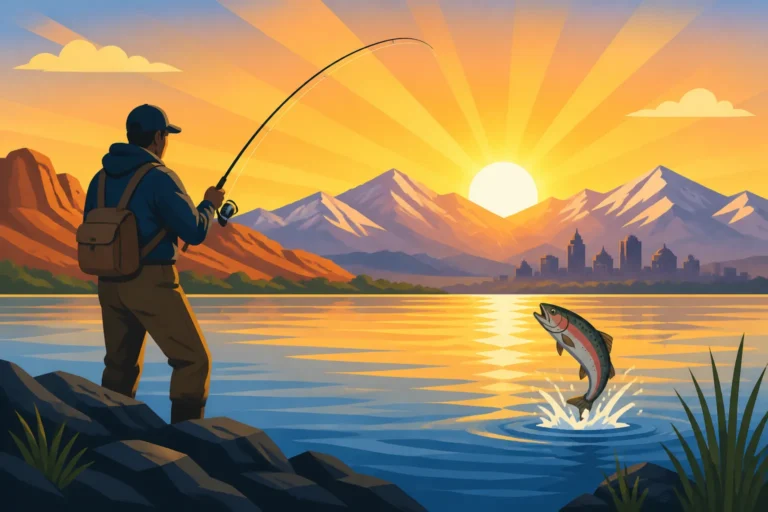
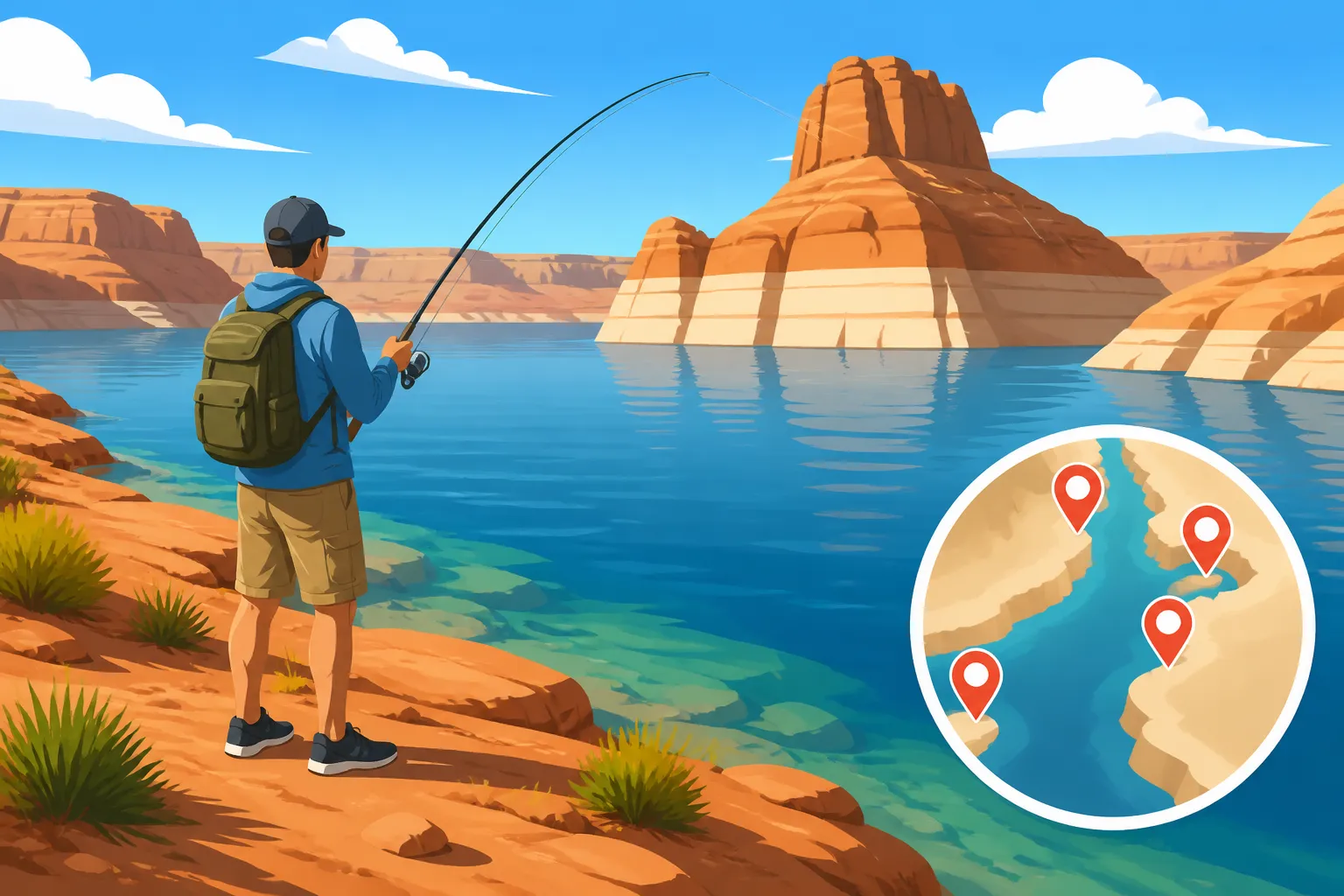
Fishing Lake Powell from the shore, especially around the vast, ever-changing landscape near Wahweap, can feel like an overwhelming challenge. The sheer size of the lake, coupled with its dramatic water level fluctuations and often rugged, steep terrain, makes finding a productive and accessible spot a real head-scratcher for many anglers. This guide is dedicated to breaking down those challenges, revealing the best accessible shore fishing locations near Wahweap, and equipping you with the practical advice you need to have a successful and enjoyable day chasing the diverse fish species that call this magnificent desert oasis home.
Understanding Lake Powell's Shore Fishing Challenges Near Wahweap
Lake Powell is an incredible fishery, but it's not your average local pond or river. Its unique characteristics present specific hurdles for anyone hoping to cast a line from the shore, especially in the popular Wahweap area. Understanding these difficulties upfront will help you plan smarter and manage your expectations.
The Dynamic Nature of Lake Powell's Water Levels
One of the biggest factors influencing shore fishing at Lake Powell is its constantly fluctuating water level. This isn't just a minor change; we're talking about dozens, sometimes hundreds, of feet of difference between high and low water marks over time. What was once a prime, easy-to-reach fishing point can quickly become a steep, muddy slope or a completely submerged rock pile. When the water is low, many accessible launch ramps might be out of commission, pushing boaters to fewer locations, which then translates to more pressure on the remaining shore access points.
These changes directly impact fish behavior and access. When the water is rising, fish often move into newly flooded vegetation or structure, seeking food and cover. Conversely, when levels are dropping, fish can become concentrated in deeper channels or struggle to access their usual feeding grounds, moving further offshore. This means that a "hot spot" you heard about last year might be entirely different this season, or even next month. It requires flexibility and an understanding of how to read the landscape for subtle clues, like the "bathtub ring" of mineral deposits on the sandstone walls, which tells a story of past water levels.
Navigating Access and Terrain
Beyond water levels, the sheer ruggedness of Lake Powell's shoreline near Wahweap poses its own set of challenges. While Wahweap Bay offers some of the most developed access with marinas and campgrounds, venturing out from these points can quickly lead to very steep, rocky, and uneven terrain. You're often dealing with slick sandstone, loose scree, and deep crevices that can make hauling gear or even just walking precarious. It's not uncommon to find yourself needing to scramble down significant slopes to reach the water's edge, and then having to climb back up with your gear and, hopefully, a stringer of fish.
The remoteness, even close to developed areas, can be surprising. Cell service might be spotty or nonexistent in certain coves, which means being prepared for self-sufficiency is paramount. Think about carrying extra water, snacks, a first-aid kit, and informing someone of your plans, especially if you're exploring less-trafficked areas. Finding a flat, stable spot to set up your gear, cast comfortably, and safely land a fish can be a treasure hunt in itself. This isn't a place for flip-flops; sturdy hiking shoes with good grip are a must.
Prime Shore Fishing Locations Near Wahweap
Despite the challenges, there are some fantastic shore fishing opportunities around the Wahweap area of Lake Powell. It’s all about knowing where to look and being prepared for the unique environment. These spots offer varying degrees of accessibility and target different species, giving you options no matter your skill level or what you're hoping to catch.
Wahweap Bay Shoreline
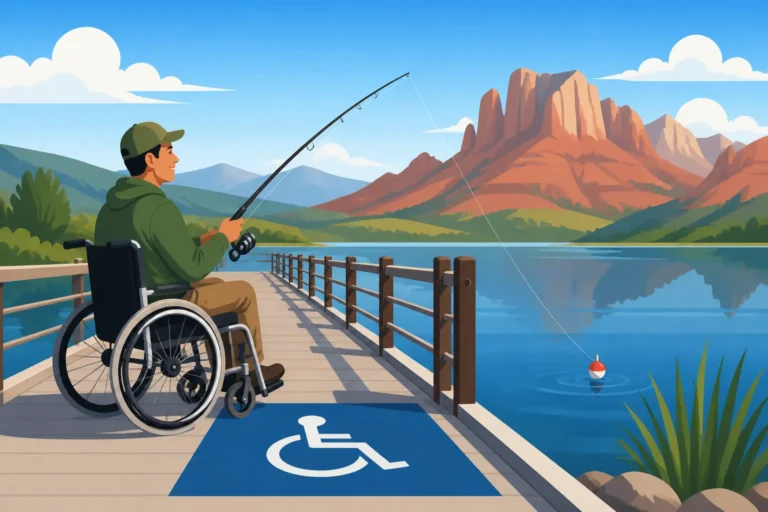
The immediate shoreline around Wahweap Bay is perhaps the most accessible for shore anglers, largely due to its proximity to the main marina, campgrounds, and infrastructure. This area often has more gradual slopes and developed pathways, making it easier for families or those with mobility considerations. You won't find the solitude of a remote canyon, but you will find convenience and usually some consistent action, especially for panfish and smaller bass.
Focus your efforts around the public beaches and rocky points that jut out into the bay. These areas provide structure that attracts baitfish, and in turn, predatory species. Early mornings and late evenings are often the best times here, as boat traffic is lower and fish move into shallower waters to feed. During the hotter parts of the day, look for any available shade or deeper drop-offs near the shore. You can often target smallmouth bass, which love rocky structure, and sometimes even catch a stray striped bass or channel catfish, particularly if you're using cut bait on the bottom. Remember, while it's accessible, the fish can still be finicky, so varying your retrieve or bait presentation is key.
Lone Rock Beach Area
Just a short drive from Wahweap, the Lone Rock Beach area is an absolute gem for shore fishing, and it offers a distinctly different experience. This expansive, sandy beach is famous for its iconic monolithic rock formation standing guard in the water. What makes it special for anglers is the sandy, relatively flat access to the water, which is a stark contrast to much of Lake Powell's rugged shoreline. It’s perfect for setting up chairs, picnicking, and casting out.
The fishing here can be excellent for striped bass and channel catfish. Anglers often do well by casting out bait (like anchovies, cut squid, or even hot dogs for catfish) into the deeper channels that run offshore. During spring and fall, when water temperatures are more moderate, the striped bass can be quite active close to shore. In the summer, early mornings and late evenings are still prime, but don't discount fishing into the night for catfish, which become particularly active after dark. You might also encounter some smallmouth bass around any rocky outcrops or submerged structure near the Lone Rock itself. The wide-open space here allows for long casts, which can be an advantage when targeting schooling fish.
Antelope Point and Nearby Coves
For those willing to venture a little further and navigate slightly more challenging terrain, the areas around Antelope Point offer some fantastic, more secluded shore fishing. While Antelope Point itself has a marina, the shoreline stretching away from it, particularly to the east, features numerous coves and rocky points that can hold excellent fish. These spots might require a bit of a hike, but the reward is often less pressured fish and a more tranquil experience.
Here, you're primarily targeting smallmouth bass and striped bass. Look for areas where the sandstone drops off sharply into deeper water, or where there are submerged rock piles and ledges. These structures provide perfect ambush points for bass. Using artificial lures like jigs, crankbaits, or soft plastics can be incredibly effective when worked slowly along the bottom or jigged vertically. Some of these coves are also known for producing larger channel catfish, especially if you're targeting them with bait. Exploring these coves involves a bit more effort, but the feeling of discovering your own productive spot, away from the crowds, is truly gratifying. Be sure to check out the specific access points, as some may be on tribal lands and require additional permits.
Essential Techniques and Gear for Wahweap Shore Anglers
Being prepared with the right techniques and gear can make all the difference between a frustrating day and a memorable one at Lake Powell's shores near Wahweap. It's not just about what you cast, but how you handle the unique environment.
Recommended Baits and Lures
For striped bass, one of Lake Powell's most sought-after species, bait fishing is incredibly effective from shore. Cut bait, particularly anchovies or shad, are irresistible to them. Many anglers will rig these on a bottom-fishing setup with a pyramid or egg sinker to get down to where the fish are cruising. If you prefer lures, spoons, swimbaits, and even topwater plugs (especially during early morning or late evening boils if they come close enough to shore) can provoke aggressive strikes. Think about how to rig cut bait for striped bass at Lake Powell to maximize your chances.
When targeting smallmouth bass, which are abundant in the rocky areas, artificial lures shine. Small crankbaits that mimic crawfish or baitfish, finesse jigs, and soft plastics rigged on a shaky head or drop shot are excellent choices. These lures allow you to work the varied structure effectively, mimicking the prey smallmouth feed on. Colors like greens, browns, and natural baitfish patterns tend to work well. For channel catfish, which are often found on the bottom, stink baits, cut hot dogs, chicken livers, or nightcrawlers are reliable. Remember to use a strong hook and line, as these fish can put up a surprisingly good fight.
Shoreline Strategies for Success
The key to success from the shore at Lake Powell is often patience, observation, and adaptability. Start by scanning the water for any signs of activity – jumping baitfish, boils (where striped bass push bait to the surface), or even just ripples. Pay close attention to current conditions, particularly wind, which can create current lines and push baitfish closer to shore. Look for "structure" from the shore: rocky points, submerged trees (if water levels allow), ledges, or any features that break up the uniform bottom. Fish congregate around these areas for cover and ambush points.
When casting, try varying your retrieve speed and depth until you find what the fish are responding to. If using bait, cast out and let it sit, but check it periodically for freshness. For lures, experiment with different retrieve patterns, from slow and steady to fast and erratic. Don't be afraid to move if a spot isn't producing. Walk the shoreline, covering ground, and try different angles and depths. Remember that Lake Powell's water can be remarkably clear, so consider lighter line and stealthy approaches, especially in calm conditions. You can learn more about how to catch smallmouth bass in rocky coves for more detailed tactics.
Navigating the Heat and Sun
Lake Powell, especially during the warmer months, can be brutally hot, and the sun intense. Protecting yourself from the elements is not just about comfort; it's about safety. Always carry significantly more water than you think you'll need – dehydration can set in quickly. Wide-brimmed hats, sunglasses (polarized lenses are a huge advantage for seeing into the water), and long-sleeved, breathable UV-protective clothing are essential. Sunscreen should be applied generously and frequently.
Consider bringing a small, portable shade umbrella or pop-up shelter if you plan on spending extended periods in one spot, particularly at locations like Lone Rock Beach. A good cooler filled with ice is also a must, not just for your drinks but also to keep any fish you plan to keep fresh. There's nothing worse than having your catch spoil in the desert heat. Learning the best cooler size to keep a trout limit fresh will help you make a good choice for whatever you plan to catch. Plan your fishing for the cooler parts of the day, typically early mornings and late evenings, to maximize both your comfort and fishing success.
Planning Your Shore Fishing Trip to Lake Powell (Wahweap)
A little preparation goes a long way when fishing Lake Powell, especially when you're relying on shore access near Wahweap. Knowing the regulations, the best times to visit, and where to find local support will enhance your entire experience.
When to Go for the Best Action
The shoulder seasons—spring (April to early June) and fall (September to November)—are often considered the best times for shore fishing at Lake Powell near Wahweap. During these periods, the water temperatures are more moderate, leading to increased fish activity closer to shore, and the scorching summer heat is less intense for anglers. Striped bass and smallmouth bass tend to be more active and can be found in shallower waters as they feed.
Summer fishing (June to August) can still be productive, but you'll often need to focus on early mornings, late evenings, and even night fishing, especially for catfish and larger stripers. The midday sun drives many fish into deeper, cooler waters, making them harder to reach from shore. Winter (December to March) offers a different challenge; while some species like stripers can still be caught, the overall activity slows down, and fewer anglers brave the colder temperatures and often higher winds. Ultimately, there's always a chance to catch fish, but adjusting your expectations and tactics to the season is crucial. For detailed insights on the best time of day to catch striped bass at Lake Powell, you might want to explore further.
Permits, Licenses, and AIS
Before you even think about casting a line, ensure you have the proper paperwork. Everyone aged 12 and older needs a valid Utah fishing license. You can easily purchase these online through the Utah Division of Wildlife Resources website, or from various sporting goods stores and vendors throughout the state. It's a critical step that avoids hefty fines. Make sure you understand the nuances of a Utah fishing license guide before your trip.
Beyond the license, Lake Powell, being a major hub for aquatic invasive species (AIS) like quagga mussels, has strict regulations regarding boat inspections and decontamination. While this primarily impacts boaters, shore anglers should also be aware. If you're using any portable gear that has been in other bodies of water (like waders, float tubes, or even bait buckets), ensure it is clean, drained, and dry before entering Lake Powell to prevent the spread of these harmful species. Always know where the nearest Utah aquatic invasive species inspection stations are, even if you’re just driving by, as these rules protect the lake's future. It's also wise to be familiar with specific Utah fishing regulations explained, as rules can vary by water body and species.
Local Resources and Guided Options
Don't hesitate to tap into local knowledge. The employees at the Wahweap Marina store, bait shops in nearby Page, Arizona, or even other anglers you encounter can often provide invaluable, up-to-the-minute information on water levels, recent catches, and productive spots. Online fishing forums and social media groups dedicated to Lake Powell fishing are also excellent resources for current conditions and tips.
If you're feeling overwhelmed by the size of Lake Powell or simply want to maximize your chances of success, consider a guided fishing trip. Even if you're primarily a shore angler, a guided trip, perhaps booked through a service like FishingBooker, can provide insights into fish behavior, effective techniques, and structure that you might not otherwise discover. Guides often have specialized boats and electronics that allow them to find fish efficiently, and they can quickly teach you the nuances of Lake Powell fishing. While not shore fishing, understanding how the pros approach the lake can dramatically improve your own shore-based strategies in the long run.
Here's a quick comparison of some of the shore fishing spots near Wahweap:
| Feature | Wahweap Bay Shoreline | Lone Rock Beach Area | Antelope Point Coves |
|---|---|---|---|
| Accessibility | Easiest | Easy (sandy beach) | Moderate (some hiking) |
| Terrain | Gradual, some rocks | Flat, sandy beach | Steep, rocky, uneven |
| Target Species | Smallmouth, panfish, catfish, occasional stripers | Striped bass, catfish, smallmouth | Smallmouth, striped bass, catfish |
| Crowd Level | Higher | Moderate to High (seasonal) | Lower, more secluded |
| Best For | Families, beginners, convenience | Bait fishing, longer casts, camping | Adventurous anglers, lure fishing, solitude |
| Shelter/Shade | Limited | Limited | Can find natural shade in coves |
| Boat Access Nearby | Yes (Wahweap Marina) | Yes (Lone Rock Boat Ramp) | Yes (Antelope Point Marina) |
No matter where you choose to fish, remember that Lake Powell is a unique and challenging environment, but with preparation and a good understanding of its dynamic nature, a successful and rewarding shore fishing experience is well within your grasp.
Disclaimer
Please note that fishing regulations, conditions, and fish populations in Utah are subject to change. Always consult the most current Utah Division of Wildlife Resources (DWR) regulations guide before heading out on any fishing trip. This article is intended for informational purposes only and does not constitute official legal advice or comprehensive regulatory information. Ensure you have all necessary licenses and permits and adhere to all local, state, and federal laws.