Flaming Gorge Smallmouth Bass Coves
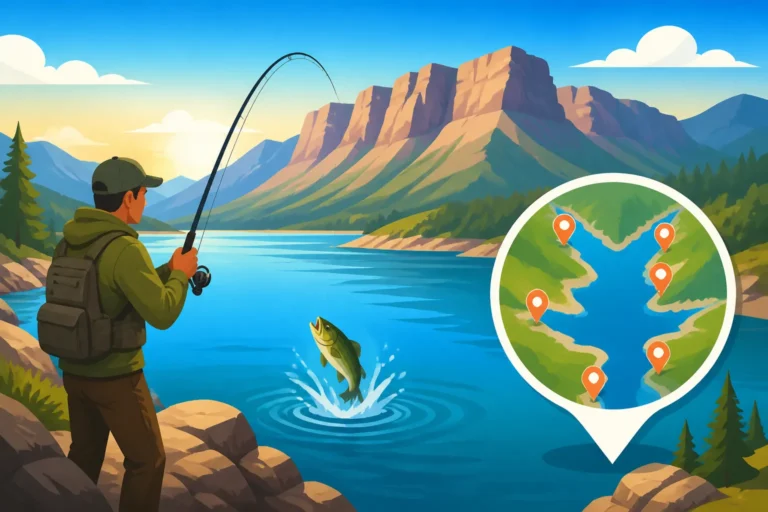
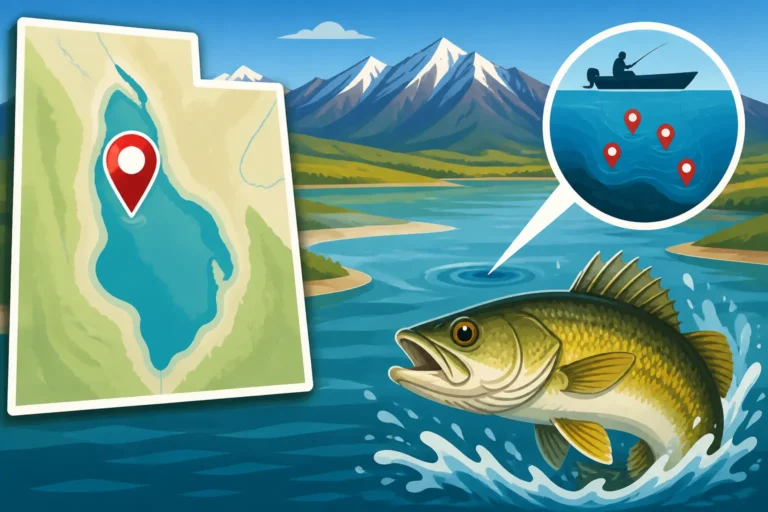
Flaming Gorge Reservoir is an absolute gem in the Utah fishing landscape, but let's be real, it's also a behemoth. Spanning over 90 miles, it can feel like trying to find a needle in a haystack when you're specifically targeting those feisty smallmouth bass. If you've ever felt overwhelmed by its sheer size, wondering where on earth to cast your line for bronzebacks, you're not alone. This comprehensive guide is here to cut through the confusion, pinpointing the most productive smallmouth bass coves and sharing invaluable tips to help you land more fish in this incredible reservoir.
Understanding Smallmouth Bass Behavior in Flaming Gorge
Before we even talk about specific coves, it's crucial to get inside the head of a Flaming Gorge smallmouth. These aren't your typical pond bass; they're adapted to a vast, clear, deep-water environment, and their behavior reflects that. Knowing their preferences and patterns will significantly boost your success, no matter which cove you decide to explore.
Seasonal Movements and Preferred Habitats
Smallmouth bass in Flaming Gorge are constantly on the move, dictated largely by water temperature, forage availability, and spawning cycles. In the spring, as water temperatures climb into the 50s and 60s, you'll find them migrating into shallower coves and bays to spawn. They'll seek out rocky bottoms, gravel flats, and protected areas where they can build nests and guard their eggs. This is often the most accessible time for shore anglers or those in smaller craft to target them.
As summer progresses and water temperatures rise into the 70s, smallmouth will generally retreat to deeper, cooler waters, often associating with structure like rock ledges, submerged points, and sheer canyon walls. They won't abandon the coves entirely, but they'll pull away from the extreme shallows, frequently holding at depths of 15 to 30 feet, or even deeper, especially during the heat of the day. In the fall, as temperatures cool again, they’ll become more active, feeding aggressively in preparation for winter, often moving back into mid-depth ranges along rocky banks before finally settling into deep wintering holes in the main channel or deeper coves.
Forage Base and Feeding Patterns
The diet of a Flaming Gorge smallmouth bass is incredibly diverse, which contributes to their robust growth and fighting spirit. Their primary forage includes crayfish, which are abundant in the rocky habitats they prefer, as well as various baitfish like juvenile kokanee salmon, chub, and minnows. Insects, particularly terrestrial insects falling into the water, also play a role, especially in the shallower coves.
Understanding what they're eating helps you choose the right lures. If you notice crayfish scurrying along the bottom, jigs and creature baits mimicking their movements will be deadly. When small baitfish are schooling, small crankbaits, swimbaits, or even topwater lures can be effective, particularly during low-light conditions or when the bass are actively chasing. Their feeding patterns often involve ambushing prey from behind structure, so presenting your lure to entice a reaction strike near a rock pile or submerged bush is key. Many experienced anglers, some of whom offer guided trips you can find through platforms like FishingBooker, will tell you that matching the hatch, whether it's crayfish or a specific baitfish, is paramount.
Top Smallmouth Bass Coves on the Utah Side of Flaming Gorge
While the entire reservoir holds smallmouth, certain coves and areas on the Utah side consistently produce excellent fishing. These spots offer the ideal combination of structure, depth, and forage to attract and hold healthy populations of bronzebacks. Let's dive into some of the most renowned areas you should definitely explore.
Lucerne Bay and Surrounding Coves
Lucerne Bay, located near the town of Manila, is arguably one of the most popular and accessible areas on the Utah side of Flaming Gorge, and for good reason. It boasts numerous smaller coves, rocky points, and submerged humps that scream "smallmouth habitat." The bay itself is relatively open, but its intricate shoreline and surrounding fingers provide ample opportunities. Anglers often find success by focusing on the transition zones where rock ledges meet deeper water, or around isolated rock piles.
Within Lucerne Bay, specific smaller coves like those found around the Lucerne Valley Marina or extending towards the mouth of the Green River, offer excellent early season action. The water here tends to warm up faster, drawing bass into the shallows to spawn. As the season progresses, targeting deeper breaks and structure outside these coves becomes more productive. The sheer volume of structure and varied depths make Lucerne Bay a fantastic year-round smallmouth destination, though patience and persistence are key to unlocking its secrets.
Sheep Creek Bay and Its Rocky Outcroppings
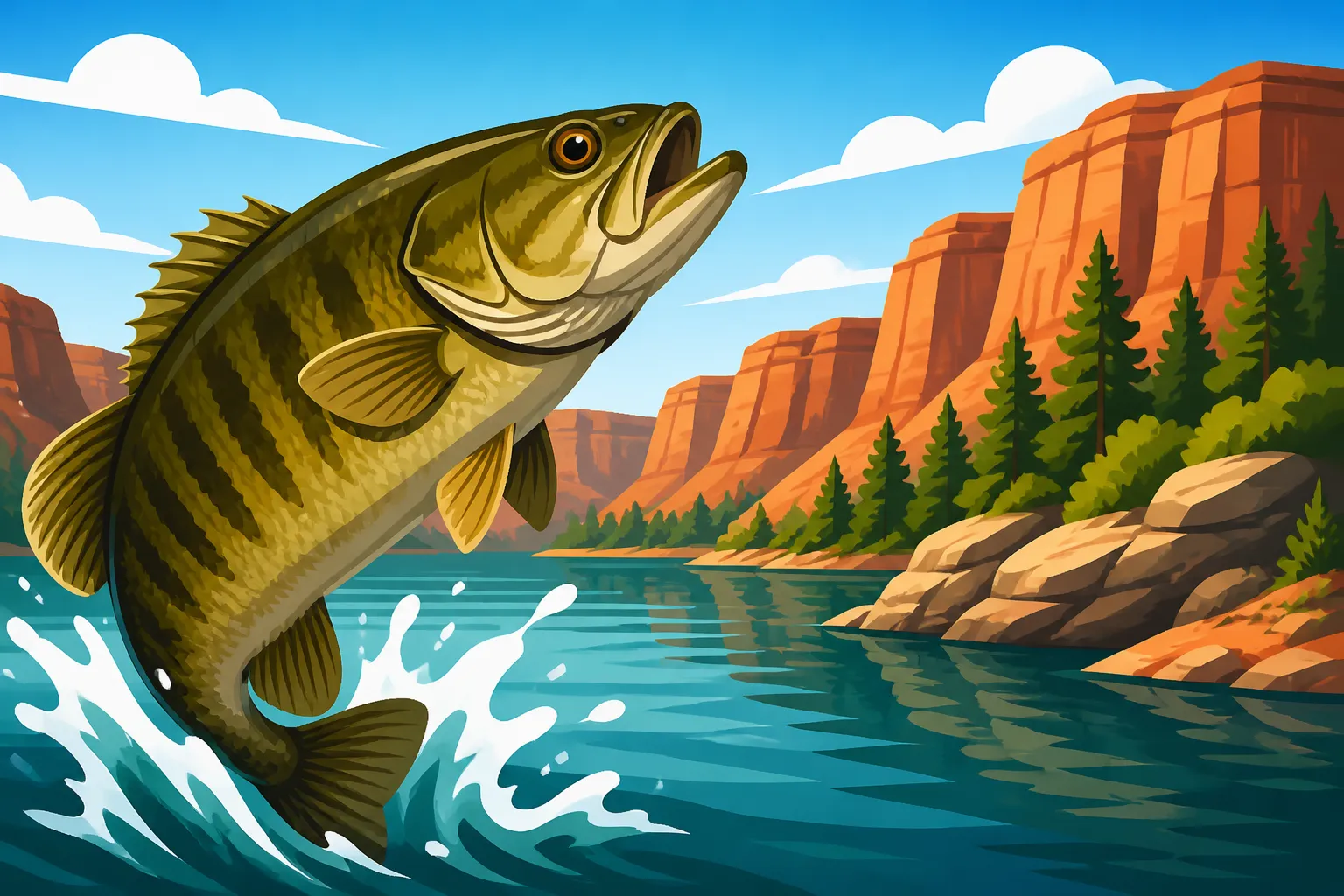
Moving south along the Utah shoreline, Sheep Creek Bay stands out as another prime smallmouth haven. This bay is characterized by its dramatic red rock cliffs, deep clear water, and abundant rocky structure – the quintessential smallmouth environment. The steep canyon walls plunge into the water, creating incredible ledges and drop-offs that smallmouth adore, especially during the warmer months when they seek cooler, deeper retreats.
Anglers should pay close attention to the numerous rocky points and submerged shelves within Sheep Creek Bay. The clarity of the water here often allows for sight fishing in shallower areas on calmer days, but equally, it demands stealth and longer casts. The coves tucked away within Sheep Creek Bay, particularly those with a mix of rock and sparse vegetation, can be exceptionally productive. Many guides operating in the area, which you can often locate and book through services like FishingBooker, will highlight Sheep Creek as a top pick for its consistent big smallmouth opportunities. Remember to explore both the main bay and its numerous smaller, hidden pockets.
Linwood Bay and Beyond
Further south, past Sheep Creek, you’ll encounter Linwood Bay. While perhaps less talked about than Lucerne or Sheep Creek for sheer smallmouth numbers, Linwood offers its own unique advantages and some fantastic opportunities, especially for those seeking less pressured waters or a different kind of structure. Linwood Bay tends to have a slightly different character, with some areas featuring more gradual slopes and extensive gravelly or cobble bottoms interspersed with larger rock formations.
The key to Linwood Bay and the areas further south toward the dam lies in methodically working the submerged structure. Look for areas where feeder creeks enter the reservoir, as these can concentrate baitfish and, in turn, smallmouth. Rocky points and subtle depth changes along the main channel edges become crucial targets. While not as dramatic as the red rock cliffs of Sheep Creek, the subtle nuances of Linwood Bay's underwater topography often hold surprising numbers of quality smallmouth. Don't overlook the deeper coves and protected pockets as you venture further south.
Key Features of Productive Smallmouth Coves
Finding a "cove" on a map is one thing; knowing which specific features within that cove are most likely to hold smallmouth bass is another entirely. Smallmouth are structure-oriented fish, and understanding their preferred hideouts is paramount to consistent success. It’s not just about being in the right cove, but in the right spot within that cove.
Rocky Structure, Ledges, and Drop-offs
This is smallmouth bass heaven, plain and simple. Flaming Gorge is naturally blessed with an abundance of diverse rocky environments, and these are magnets for smallmouth. You're looking for everything from large boulders and rock piles to sheer cliff faces, underwater ledges, and abrupt drop-offs where the bottom quickly plunges into deeper water. These features provide ambush points, protection from predators, and cooler water during warmer months.
When you're fishing these areas, think about how a smallmouth would position itself. They often sit just on the edge of a drop-off, waiting for prey to swim by, or tuck themselves tightly against a large boulder. Casting parallel to a rocky bank, allowing your lure to tick off the rocks as it retrieves, is often highly effective. Vertical jigging directly over a submerged ledge or hump can also trigger bites from deeper-holding fish. Understanding How to Fish Deep Water for Summer Lake Trout might give you some transferable insights on targeting deep structure, even if it's for a different species, as the principles of identifying structure remain the same.
Submerged Vegetation and Timber
While Flaming Gorge is primarily known for its rock and canyon walls, certain coves and bays can develop areas of submerged vegetation, especially in shallower, nutrient-rich sections or where the bottom transitions to softer substrates. Don't dismiss these areas! Healthy vegetation provides cover for baitfish and crayfish, making them prime feeding grounds for smallmouth. However, it’s not always thick, matted grass. Often, it's sparse clumps or patches of hydrilla or coontail that create ideal ambush points.
Similarly, submerged timber, whether it’s old stumps, fallen trees, or brush piles, offers incredible cover and complexity for smallmouth. These areas can be tricky to fish due to potential snags, but the reward can be significant. When fishing around vegetation or timber, consider using weedless presentations like Texas-rigged plastics or jig-and-trailer combos that can navigate through the cover without getting hung up. Flipping and pitching techniques are often the most effective ways to target bass tucked deep within this type of cover.
Access and Depth Considerations
The best coves for smallmouth bass aren't always the easiest to reach, and their productivity can change significantly with varying water levels and seasonal depths. Some coves are accessible via well-maintained boat ramps, like those often found near popular campgrounds or marinas. Others might require a bit more navigation, a smaller boat, or even a hike if you're targeting shore fishing opportunities. For those looking to explore more remote sections, consulting with a local guide, perhaps one found through FishingBooker, can be invaluable for navigating safely and effectively.
Depth is another critical factor. During the spring spawn, bass will be in just a few feet of water, making shallow coves and flats highly productive. As summer progresses, you'll need to focus on deeper structure, often 15 to 40 feet, and sometimes even deeper. The reservoir's overall depth can fluctuate, so always check current conditions. A good depth finder becomes an indispensable tool for locating these deeper holding areas and identifying those crucial ledges and humps that smallmouth call home.
Effective Techniques for Flaming Gorge Smallmouth
Catching smallmouth bass in Flaming Gorge isn't just about showing up; it's about employing the right strategies and presentations for the specific conditions and types of structure you're targeting. These fish are notorious fighters, and coaxing them to bite often requires a blend of finesse and power.
Lure Selection for Cove Fishing
The diverse diet of Flaming Gorge smallmouth means a varied tackle box is your best friend. For targeting rocky coves, jigs are almost always a go-to. Tube jigs in crayfish patterns (greens, browns, oranges) are incredibly effective when fished along the bottom, mimicking their favorite meal. Hair jigs and small grub jigs can also be deadly, especially in cooler water. Soft plastics, such as Senkos, creature baits, or curly-tail grubs, Texas-rigged or on a shaky head, are versatile options that can be worked through various types of cover. For specific recommendations, check out our guide on the Best Lures for Utah Smallmouth Bass.
Hard baits also have their place. Crankbaits that dive to different depths are excellent for covering water and triggering reaction strikes, particularly those with a tight wobble that mimics baitfish. Small jerkbaits can be incredibly effective when fish are suspended or chasing bait. And don't forget topwater lures like poppers, walking baits, or prop baits for those exhilarating surface strikes during low-light conditions or when bass are actively feeding near the surface, especially around points and shallow structure in the coves.
Presentation Strategies (Casting, Retrieves, etc.)
How you present your lure is often as important as the lure itself. When fishing rocky ledges and drop-offs, a slow, methodical retrieve with pauses can often be the ticket. Let your jig or soft plastic bounce and crawl along the bottom, imitating a crayfish. For suspended fish, a slow, steady retrieve with a crankbait or a twitch-twitch-pause retrieve with a jerkbait can be highly effective. If you're struggling to get bites, changing your retrieve speed, adding more pauses, or varying the amount of action you impart to the lure can make a huge difference.
Consider the clarity of Flaming Gorge's water. In clear conditions, longer casts are often necessary to avoid spooking the fish. Using lighter fluorocarbon leaders can also help with lure presentation and increase strikes. When bass are aggressive, faster retrieves might work, but in tougher conditions, a more subtle and patient approach is usually best. Many anglers find success with a dropshot rig when the bite is tough, as outlined in our guide on How to Fish a Drop Shot Rig for Utah Bass. This allows for precise presentation in deep water without adding weight that might make the lure look unnatural.
Using Electronics to Pinpoint Bass
In a reservoir as vast and deep as Flaming Gorge, modern fishing electronics are not just a luxury; they're almost a necessity for consistently locating smallmouth bass, especially when they move deeper. A good fish finder with down imaging and side imaging capabilities can reveal a wealth of underwater information, helping you identify subtle changes in bottom contour, submerged rock piles, ledges, and even individual fish or schools of baitfish.
When you're cruising through a cove, use your electronics to scout for promising structure. Look for sudden depth changes, areas where the bottom transitions from soft mud to hard rock, or isolated pieces of timber. Mark these waypoints on your GPS. Once you've identified a prime spot, you can then spend more time thoroughly fishing it. Even in shallower coves, understanding the exact depth and nature of the bottom structure will give you a significant advantage, allowing you to present your lures precisely where the bass are likely holding.
Navigating and Accessing Smallmouth Bass Coves
Flaming Gorge is large, and getting to those prime smallmouth coves requires some planning and understanding of the reservoir's access points and regulations. Whether you're in a big bass boat, a nimble kayak, or fishing from shore, knowing your options and potential challenges is crucial.
Boat Launch Access Points
There are several excellent boat ramps scattered along the Utah side of Flaming Gorge that provide access to the smallmouth-rich coves. The most popular and well-equipped are often Lucerne Valley Marina near Manila, and Buckboard Crossing further north on the Wyoming side but still easily accessible for Utah anglers. Other ramps like those at Antelope Flat, Cedar Springs, and Sheep Creek Bay also offer good access, though some might be better suited for smaller vessels or depend on current water levels. For a comprehensive list and details, you'll want to review resources like Best Boat Ramps on Flaming Gorge Reservoir.
When planning your trip, consider the size of your boat and the prevailing wind conditions. Flaming Gorge can get incredibly choppy, especially when strong winds blow across its vast expanses. Launching and retrieving can become challenging, and navigating long distances in rough water is not only uncomfortable but potentially dangerous. Always check the weather forecast before heading out, and if you're unsure about the conditions, it's often best to stick to more protected coves closer to your launch point.
Kayak and Shoreline Opportunities
You don't always need a big boat to enjoy the fantastic smallmouth fishing in Flaming Gorge's coves. Kayaks, canoes, and stand-up paddleboards are excellent ways to access many of these areas, especially the smaller, shallower coves and rocky shorelines that larger boats might struggle to navigate. A kayak allows for stealthy approaches, letting you paddle right into tight pockets and along rocky banks where smallmouth love to hide. This can be a fantastic way to explore those "hidden gem" spots.
Shoreline fishing, while more limited, is still a viable option, particularly in the spring when smallmouth move into shallower water to spawn. Areas around popular campgrounds, picnic spots, and designated fishing access points (like portions of Lucerne Bay or the edges of Sheep Creek Bay where the topography allows) can yield good results. Look for points, rocky ledges, or protected pockets close to parking areas. However, for true exploration of the best smallmouth coves, some form of watercraft will significantly expand your opportunities. Remember to always adhere to Utah Boating and Fishing Rules no matter your vessel.
Safety and Regulations Specific to Flaming Gorge
Fishing on a large reservoir like Flaming Gorge comes with specific safety considerations and regulations. Always wear your life jacket, especially if you're in a smaller craft or alone. The weather can change rapidly, and cold water temperatures are a concern even in summer. Carry all required safety equipment, including a whistle, throwable flotation device, and working navigation lights if you'll be out at dawn or dusk. Inform someone of your float plan and expected return time.
Beyond general boating safety, be acutely aware of Utah's fishing regulations. Flaming Gorge often has specific rules regarding bag limits, size restrictions, and bait use that can vary from other waters in the state. Always consult the current Utah Fishing Guidebook before your trip. Pay particular attention to any specific rules for smallmouth bass in Flaming Gorge. Knowing the regulations protects both you and the fishery. A Utah Fishing License Guide will ensure you have the proper permits before you even hit the water.
| Feature / Cove Area | Primary Draw for Smallmouth Bass | Best Time to Fish (General) | Access (Boating) | Key Structure to Target |
|---|---|---|---|---|
| Lucerne Bay | Diverse rocky points, numerous smaller coves, varied depths, accessibility | Spring/Fall, Summer (deeper) | Excellent (Marina) | Rock ledges, submerged humps, gravel flats |
| Sheep Creek Bay | Steep red rock cliffs, deep clear water, abundant ledges and drop-offs | Summer (deep), Spring (shallower) | Good (Ramps available) | Cliff faces, submerged shelves, rocky points |
| Linwood Bay | More subtle structure, gradual slopes, feeder creek influence | Spring/Fall, Summer (deep) | Moderate (Ramps available) | Submerged timber, main channel edges, transition zones |
| General Small Coves | Protected areas, baitfish congregation, faster warming waters | Spring, Early Summer | Kayak/Small Boat | Rocky banks, sparse vegetation, isolated boulders |
Disclaimer
Please be aware that fishing conditions, regulations, and fish populations can change rapidly. Always consult the most current Utah Fishing Guidebook issued by the Utah Division of Wildlife Resources before planning your trip. The information provided in this guide is for general informational purposes only and should not be considered a substitute for official regulations or professional advice.