Best Fishing Spots Near Bullfrog Marina at Lake Powell
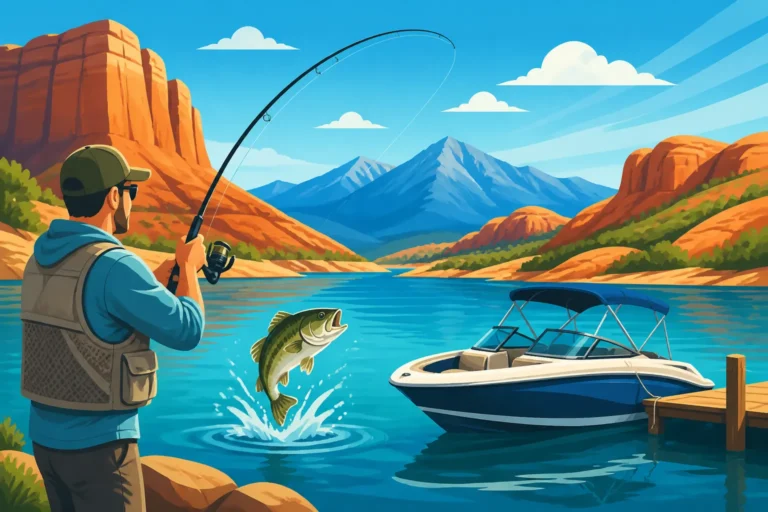
Heading out to Lake Powell for a fishing trip, especially to a vast area like Bullfrog Marina, can feel a bit overwhelming, right? You're picturing endless water, towering red rock canyons, and then you start to wonder, "Where do I even begin to find the fish in all this?" It's a common frustration; this isn't your local pond. This guide is here to cut through that uncertainty, pinpointing the best fishing spots near Bullfrog Marina and giving you the insider tips you need to make your next angling adventure a true success story.
Understanding Bullfrog Marina's Unique Fishing Landscape
Lake Powell is a beast of a reservoir, stretching for miles with countless coves, canyons, and submerged structures. Fishing near Bullfrog Marina isn't just about dropping a line in the water; it's about understanding this intricate, ever-changing environment. The sheer scale and dynamic nature of the lake mean that what works one day might not the next, and knowing the lay of the land (or, in this case, the water) around Bullfrog is your first step to success.
The Dynamic Nature of Lake Powell and Its Impact on Fishing
Lake Powell is famous (or infamous, depending on who you ask) for its fluctuating water levels. This isn't just a minor inconvenience; it dramatically changes the fishing landscape. When the water is high, new brush and trees become submerged, creating fantastic cover for bass and other species. Lower water levels expose these structures, concentrating fish in deeper channels or around remaining cover. This constant shift means that "hot spots" can literally move or disappear. Anglers who thrive here are those who pay attention to current conditions, look for submerged structure that might have been dry last year, and are willing to adapt their approach. It's a puzzle, but a fun one! The lake's vastness also means different areas can hold different fish concentrations, influenced by current, forage, and water temperature. Knowing how to read the lake, whether it's looking for shad boils or submerged points, is key. If you're planning an extended stay, consider researching Lake Powell Houseboat Fishing Access to truly explore the remote canyons.
Key Fish Species to Target Around Bullfrog
While Lake Powell is known for its incredible scenery, it's also a phenomenal fishery, primarily for several aggressive, hard-fighting species. Around Bullfrog Marina, you're most likely to encounter:
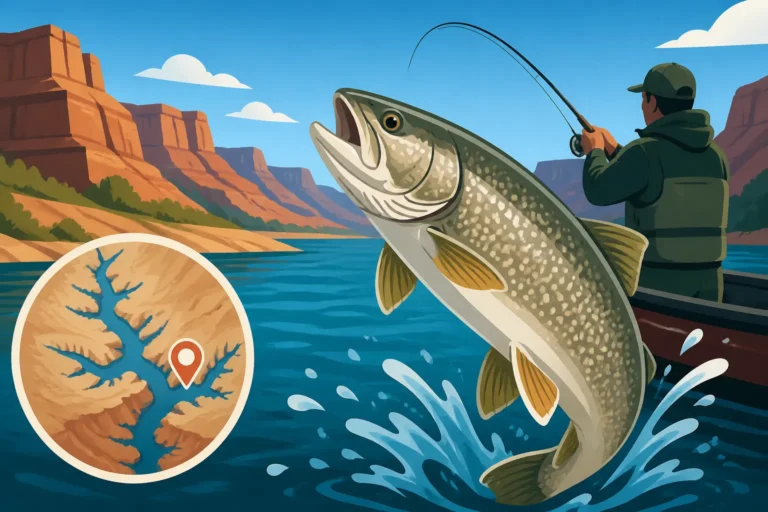
- Striped Bass (Stripers): These are the kings of Lake Powell for many anglers. They're voracious eaters, often found schooling and driving baitfish to the surface in what's known as "boils." They can grow to impressive sizes and offer a thrilling fight. Their diet primarily consists of shad, so understanding their movements is crucial. You can find out more by checking out our comprehensive guide on Utah Striped Bass Guide.
- Largemouth Bass: While perhaps not as abundant as stripers, largemouth bass are present and can be caught near submerged structure, brush, and rocky shorelines in the warmer months. They're ambush predators, so targeting areas with good cover is key.
- Smallmouth Bass: These feisty fighters are often found along rocky points, ledges, and sheer canyon walls. They're incredibly fun to catch on light tackle and are widely distributed throughout the lake. Learn more about these aggressive fish in our Utah Smallmouth Bass Guide.
- Walleye: Though less common around Bullfrog compared to other parts of Utah, walleye can be found in deeper, cooler waters, especially in larger coves or near the main channel. They're a prized table fish, known for their elusive nature and excellent flavor.
- Catfish: Channel catfish thrive in the warmer, murkier areas of the lake, often found near creek inflows or shallower flats. They're typically targeted with bait on the bottom, especially in the evenings.
Each of these species requires a slightly different approach, from the lures you choose to the depths you target. Being prepared for a mixed bag can make your trip even more exciting.
Prime Fishing Locations Accessible from Bullfrog Marina
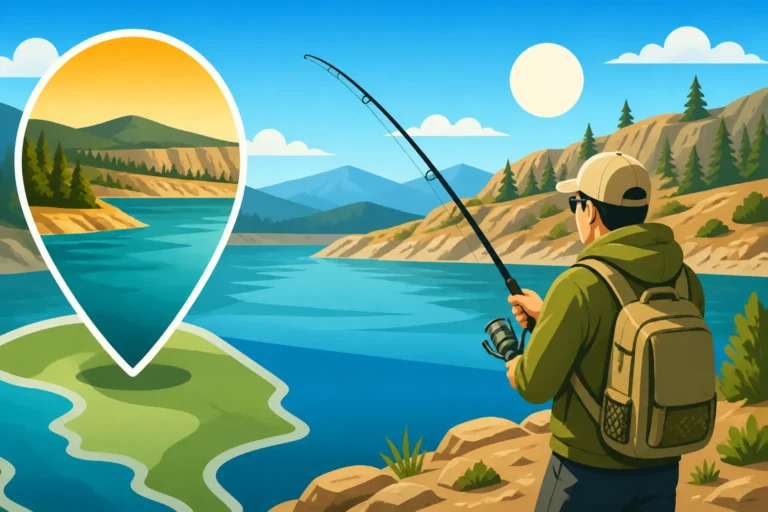
Alright, let's get down to business. You're fueled up, boat launched, and ready to fish. From Bullfrog Marina, you have access to an incredible array of prime fishing real estate. The key is knowing which direction to point your bow and what to look for when you get there. Remember that navigating Lake Powell, especially without prior knowledge, can be challenging. Many anglers opt to use services like FishingBooker to connect with local guides who know these waters intimately.
Exploring Nearby Coves and Canyon Mouths
The area immediately surrounding Bullfrog Marina is a labyrinth of coves and the mouths of larger canyons. These are often excellent starting points, especially for bass.
- Bullfrog Bay itself: Don't overlook the main bay. While it sees a lot of traffic, the deeper sections, rocky points, and submerged structure can hold fish. Look for areas with a mix of rock and brush. Early mornings or late evenings can be particularly productive here.
- Forgotten Canyon: Just a short boat ride south of Bullfrog, Forgotten Canyon is a local favorite. It’s a long, winding canyon that offers plenty of diverse structure. Look for submerged brush piles, rocky ledges, and areas where side canyons meet the main channel. This canyon is a fantastic place to target both largemouth and smallmouth bass, especially with plastics or crankbaits worked slowly along the bottom or near drop-offs.
- Hansen Creek: This expansive creek arm to the north provides a vast area to explore. It features numerous smaller side coves and fingers, perfect for hunting bass. Pay attention to changes in depth, isolated rock piles, and any visible structure that indicates submerged habitat. As the water fluctuates, the best spots will change, so keep an eye out for newly flooded terrain. This area is often listed among the Best Coves for Bass at Lake Powell.
- Stanton Creek: Another prominent arm north of Bullfrog, Stanton Creek offers similar opportunities to Hansen. It's known for its many points and protected coves. When the wind is up, finding a sheltered cove in Stanton can be a lifesaver, and often, the fish are congregated there, too. Target areas with steep drop-offs or shelves where fish can ambush bait.
Best Spots for Striped Bass Action
Striped bass are schooling fish, and finding them often means finding their food: shad. Around Bullfrog, some areas consistently produce excellent striper action.
- The Main Channel Confluence: Where the major canyon arms meet the main channel of Lake Powell, you often find deeper water and currents that concentrate baitfish. This makes these "intersections" prime hunting grounds for schooling stripers. Use your fish finder to locate schools of bait and larger arcs that indicate predatory fish below. Trolling deep-diving crankbaits or vertically jigging spoons can be very effective here. Many anglers consider these among the Best Spots for Striped Bass at Lake Powell.
- Offshore Humps and Points: Look for submerged humps, ridges, and long points that extend out into the main lake or large creek arms. These act as highways and ambush points for stripers. Again, your fish finder is your best friend here. When you mark fish, try to stay on top of them. Live bait, like gizzard shad if legal and available, is phenomenal for stripers, but heavy spoons or large swimbaits also get the job done.
- Shad Boils: The Holy Grail of striper fishing! When stripers are actively feeding on schools of shad near the surface, it creates a "boil" – a commotion on the water that's unmistakable. While these can happen anywhere, they're common in the open waters of Bullfrog Bay, Hansen Creek, or the main lake just outside the marina area. Keep an eye on the horizon for diving birds, as they often signal a boil. When you see one, motor over cautiously (don't spook them!) and cast quickly with topwater lures, poppers, or small swimbaits that mimic shad. This is often the most exhilarating way to catch stripers. For those new to chasing boils, understanding How to Catch Striped Bass at Lake Powell is essential.
Finding Largemouth and Smallmouth Bass Havens
While stripers often steal the show, the bass fishing around Bullfrog is truly fantastic. These fish prefer structure, so focusing on areas with plenty of cover is paramount.
- Rocky Points and Ledges: Smallmouth bass absolutely love rocky environments. Search for sharp points, ledges, and steep rock walls within the canyons. They'll often be holding tight to the rock, waiting for an unsuspecting meal. Crankbaits, jigs, and dropshot rigs are excellent choices for probing these areas. Target depths from 10 to 30 feet, depending on water temperature and time of year.
- Submerged Brush and Trees: If the water levels are up, any flooded vegetation becomes a magnet for largemouth bass. These areas provide excellent cover for ambush predators. Work Texas-rigged worms, creature baits, or jigs into the brush. Be prepared for snags, but also for some explosive strikes. Identifying these submerged forests from your boat's electronics or even visually if the water is clear can be highly productive.
- Canyon Inlets and Flats: Smaller side canyons often have areas of shallower water with sandy or rocky bottoms, sometimes with sparse vegetation. These flats can be great for both largemouth and smallmouth, especially during the spring spawn or in the cooler parts of the day. Spinnerbaits, chatterbaits, or even simple plastic worms can be effective when slowly retrieved across these areas.
- The "Dirty" Water Edge: After a rain shower, or in areas where a creek feeds into the lake, you might find a distinct line between clear and murky water. This "dirty water line" is often a hot zone for bass, as it provides cover and concentrates baitfish. Target this transition zone with lures that create a lot of vibration or displacement, like spinnerbaits or squarebill crankbaits.
Essential Techniques and Gear for Success at Bullfrog
Lake Powell fishing isn't a one-size-fits-all endeavor. The diverse species and ever-changing conditions demand a versatile approach and the right equipment. You'll want to be ready for anything, from chasing surface boils to probing deep structure. Many visitors also consider a guided trip through a service like FishingBooker to leverage expert knowledge and gear.
Mastering Lures and Baits for Lake Powell Species
Having a well-stocked tackle box is non-negotiable for a successful trip to Bullfrog.
- For Striped Bass:
- Spoons: Heavy metal spoons (like War Eagle or Kastmaster) are fantastic for vertical jigging on marked schools or casting into boils. Chrome and white are classic colors.
- Swimbaits: Soft plastic swimbaits (e.g., Keitech, Zoom Fluke) rigged on jig heads or as cast-and-retrieve lures are excellent imitations of shad. Look for natural shad colors.
- Topwater Lures: Poppers (e.g., Pop-R), walking baits (e.g., Heddon Super Spook), and prop baits are incredibly exciting for boils.
- Deep-Diving Crankbaits: For trolling, choose lures that can reach significant depths (15-30+ feet) like a Rapala Down Deep Husky Jerk or a Strike King XD series.
- For Largemouth and Smallmouth Bass:
- Soft Plastics: Senkos, creature baits (e.g., Zoom Brush Hog), and Texas-rigged worms in green pumpkin, black, or natural shad colors are indispensable.
- Jigs: Flipping jigs and football jigs (e.g., Strike King Tour Grade) are great for working heavy cover or rocky bottoms.
- Crankbaits: Squarebill crankbaits for shallow cover, and medium-diving crankbaits for points and ledges. Colors mimicking crayfish or shad are good.
- Spinnerbaits/Chatterbaits: For covering water and fishing through sparse cover. White, chartreuse, and natural patterns work well.
- Dropshot Rigs: Especially effective for smallmouth bass on rocky points, using small finesse worms or creature baits.
Remember, the fish here are often aggressive, so don't be afraid to experiment with retrieve speeds and colors. For more general advice, check out our guide on Best Lures for a Utah Tackle Box.
Navigating and Fishing from a Boat
Lake Powell is vast, and a boat is almost essential for truly exploring the fishing grounds around Bullfrog.
- Boat Type: A good deep-V hull boat is ideal for handling the choppy conditions that can arise on large open areas, but even a sturdy jon boat or a bass boat can be effective in calmer waters or within protected canyons. Kayaks and paddleboards are fantastic for exploring the very backs of coves or shallow areas, but require caution on the open lake due to boat traffic and wind.
- Electronics: A reliable fish finder with GPS and mapping capabilities is your best friend. It helps you locate submerged structure, baitfish schools, and identify depth changes. The GPS is crucial for marking productive spots and safely navigating the intricate canyons.
- Safety Gear: Always carry all required safety gear, including life jackets for everyone on board, a fire extinguisher, signaling devices, and a first-aid kit. The lake is huge, and help can be far away. Make sure to review Utah Boating and Fishing Rules before you head out.
- Anchoring: In windy conditions, a good anchor system is vital. Consider a shallow water anchor for quick stops in protected coves or a heavier traditional anchor for deeper water. You'll find yourself needing to hold position over marked schools often.
- Fuel: Lake Powell is immense, and distances can be deceiving. Always start with a full tank and carry extra fuel if you plan to venture far from Bullfrog Marina. It's a long way back if you run dry!
Seasonal Considerations for Bullfrog Fishing
The time of year significantly impacts fishing patterns at Lake Powell.
- Spring (March-May): As water temperatures rise, fish become more active. Bass move shallower for the spawn, making sight fishing possible in clear areas. Stripers start to school up and can offer fantastic pre-spawn action. This is often a prime time for both quantity and quality.
- Summer (June-August): The heat drives fish deeper during the day, but early mornings and late evenings can still be highly productive, especially for topwater bass and striper boils. Focus on deeper points, humps, and shady canyon walls. Night fishing for stripers and catfish can be excellent.
- Fall (September-November): Many consider fall the best time to fish Lake Powell. Cooling water temperatures bring fish shallower, and they feed aggressively in preparation for winter. Striper boils can be frequent and intense, and bass fishing is phenomenal. The changing colors of the canyon walls are an added bonus.
- Winter (December-February): While colder, winter fishing can still be good for those willing to brave the chill. Fish are generally deeper and less active, but large stripers and bass can be caught by slow-trolling or vertical jigging. Ice fishing is not typically an option on the main lake, but smaller, higher-elevation reservoirs in Utah offer this opportunity.
No matter the season, always check the current fishing reports and weather forecasts before heading out. Conditions can change rapidly on such a large body of water.
Planning Your Fishing Trip to Bullfrog Marina
A trip to Lake Powell's Bullfrog Marina area is an adventure, but like any great adventure, it benefits from solid planning. From ensuring you're legally compliant to having a comfortable base camp, a little foresight goes a long way.
Staying Prepared: Licenses, Regulations, and Safety
Before you even think about launching your boat or wetting a line, make sure all your ducks are in a row.
- Fishing License: This is non-negotiable. Anyone 12 years and older needs a valid Utah fishing license. You can purchase them online through the Utah Division of Wildlife Resources website or at various vendors. Make sure you understand the Utah Fishing License Guide and specific requirements like the Utah Fishing License Age Requirements.
- Fishing Regulations: Lake Powell is unique, and its regulations can sometimes differ from other Utah waters, especially concerning invasive species and bag limits. Always consult the current Utah Fishing Regulations Explained booklet, available online or at license vendors. Pay close attention to daily bag and possession limits for each species. For instance, sometimes there are mandatory kill regulations for certain invasive fish like Northern Pike, though not typically around Bullfrog, it's good to be aware.
- Aquatic Invasive Species (AIS) Inspections: Lake Powell is unfortunately home to quagga mussels. It is absolutely critical to "Clean, Drain, and Dry" your boat and gear after every visit. You will likely encounter mandatory AIS inspection stations when launching or removing your boat from Lake Powell. Be prepared for this process; it's vital for protecting Utah's other waterways. Learn more about Utah Aquatic Invasive Species Rules for Anglers.
- Sun Protection: The Utah sun, especially reflecting off the water and red rock, is intense. Bring plenty of high SPF sunscreen, wide-brimmed hats, and polarized sunglasses. Long-sleeved shirts and pants, even in summer, are advisable.
- Water and Food: Stay hydrated! Bring more water than you think you'll need. Pack plenty of snacks and meals, especially if you plan on spending all day out on the water exploring distant coves.
Taking these precautions seriously ensures not only a legal trip but a safe and comfortable one.
Making the Most of Your Stay: Accommodation and Amenities
Bullfrog Marina isn't just a boat launch; it's a small community that offers several amenities to make your stay enjoyable.
- Lodging: You have a few options for lodging right at Bullfrog. The Defiance House Lodge offers comfortable rooms with stunning lake views. It's a great base if you prefer not to camp or haul an RV. Nearby, you'll also find Bullfrog RV Park and Campground, offering sites with hookups for RVs and designated spots for tent camping. Booking well in advance, especially during peak season, is highly recommended. For those looking for a truly immersive experience, renting a houseboat from one of the marina services is a popular choice, providing direct access to fishing spots and an on-the-water living experience.
- Supplies and Services: The marina features a general store where you can stock up on groceries, fishing tackle (though it's wise to bring most of your own specialized gear), ice, and other necessities. There's also a gas station for your boat and vehicle, and a small restaurant. Boat rentals are available, ranging from small fishing boats to larger houseboats, which can be booked through operators listed on platforms like FishingBooker.
- Connectivity: While you're out on the lake, don't expect reliable cell service everywhere. Many of the deep canyons and remote areas are dead zones. This can be a blessing for truly disconnecting, but it's important to plan accordingly for safety and communication. Let someone know your itinerary.
| Amenity Type | Available at Bullfrog Marina | Notes |
|---|---|---|
| Lodging | Defiance House Lodge, RV Park, Campground | Book well in advance, especially for summer and fall. |
| Boat Services | Launch Ramps, Fuel Dock, Boat Rentals, Mechanics | Ensure your boat is AIS compliant. |
| Supplies | General Store, Tackle Shop, Ice | Basic fishing gear available, but bring specialty items. |
| Food & Drink | Restaurant, Snack Bar | Limited options, plan for some self-catering. |
| Connectivity | Limited Cell Service | Satellite communication devices recommended for emergencies. |
| Waste Disposal | Dump Stations, Trash Receptacles | Pack out everything you pack in; practice Leave No Trace principles. |
Bullfrog Marina acts as a gateway to the vast wonders of Lake Powell, and with proper preparation and an understanding of its unique challenges, you're set for an unforgettable fishing trip.
Disclaimer
The information provided in this guide is for general informational purposes only and does not constitute legal advice or guarantee fishing success. Fishing regulations, water levels, and conditions on Lake Powell can change frequently. Always consult the latest official Utah Division of Wildlife Resources regulations before fishing and exercise caution on the water. Boating and fishing involve inherent risks, and personal safety is your responsibility.