Which Utah Water Is Best for Catching Smallmouth Bass?
Ah, the quest for smallmouth bass in Utah! It's a question many anglers ponder, especially when you're dreaming of those hard-fighting, bronze-backed beauties that put up such an incredible battle. With Utah's diverse waters, pinpointing the absolute "best" can feel like searching for a needle in a haystack, and no one wants to spend their precious fishing time on a hunch that doesn't pay off. This guide is here to cut through the confusion and lead you straight to the waters renowned for their stellar smallmouth bass populations, equipping you with the knowledge to make your next trip a success.
The Undisputed Reign of Flaming Gorge Reservoir for Smallmouth Bass
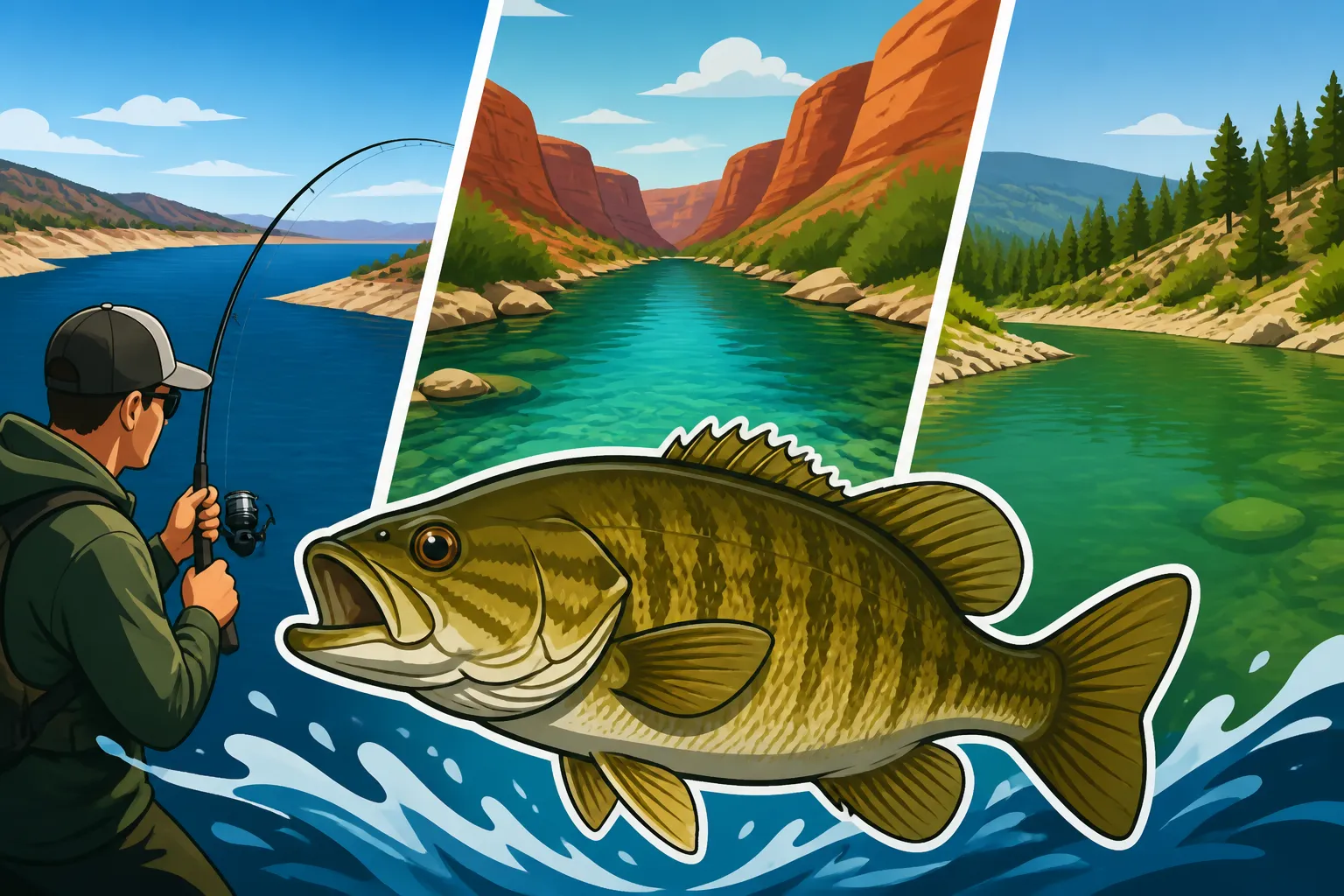
Let's not beat around the bush: if you're serious about catching smallmouth bass in Utah, Flaming Gorge Reservoir is, hands down, the top destination. This massive, sprawling reservoir on the Utah-Wyoming border isn't just picturesque; it's a smallmouth factory. The sheer abundance of rocky structure, steep drop-offs, and clear, cold water creates the perfect habitat for these aggressive predators to thrive. Anglers travel from all over the country specifically to target the Gorge's healthy and robust smallmouth population.
Why Flaming Gorge Excels for Smallmouth Bass
Flaming Gorge's unique geography is its secret weapon. The reservoir boasts literally thousands of miles of shoreline, much of it characterized by rugged cliffs, boulder fields, and submerged rock piles. Smallmouth bass absolutely adore this kind of structure. They use it for ambush points, protection from larger predators, and as prime foraging grounds for crayfish and baitfish. The relatively clear water also means these sight-feeding fish can easily spot their prey, and your lures.
The fish here aren't just plentiful; they're often impressively sized. While you might not be breaking national records every cast, the average size of smallmouth in Flaming Gorge is consistently good, with many fish pushing into the 3-5 pound range. Trophy-sized bass exceeding five pounds are caught regularly, especially by those who put in the time and understand the nuances of the reservoir. You'll find these fish cruising the rocky points, deep ledges, and submerged islands that make up the vast underwater landscape. It's a challenging but incredibly rewarding fishery, and every trip here teaches you something new about these feisty fish. If you're looking for an unforgettable experience, particularly in the prime season, consider checking out some of the local guides available on platforms like FishingBooker, as their insights can be invaluable.
Prime Smallmouth Habitats and Techniques at Flaming Gorge
To consistently hook into Flaming Gorge smallmouth, you need to think like a bass. During the warmer months, these fish will often be found in relatively shallow water, especially early in the morning or late in the evening. Look for rocky points, rip-rap along the shore, and areas with submerged timber or brush. As the sun climbs higher or water temperatures get hotter, they'll retreat to deeper water, often holding to the shaded sides of cliffs or on deep ledges.
When it comes to techniques, versatility is key. One of the most effective methods is drop-shotting. This involves a small hook tied a foot or two above a weight, allowing your soft plastic bait (think tubes, worms, or creature baits) to suspend enticingly off the bottom. Smallmouth can't resist a subtle presentation. Another killer technique is working jigs tipped with soft plastic trailers along the bottom. The "crawl and hop" retrieve mimics a crayfish, a staple in the smallmouth diet. For more aggressive fish, especially during low-light conditions, crankbaits that dive to varying depths or even topwater lures can be incredibly exciting. Don't forget the classic spinnerbaits or bladed jigs for covering water quickly and drawing reaction strikes. Many seasoned anglers will tell you that the right presentation often matters more than the specific bait color, though natural greens, browns, and blacks tend to be consistent producers. For more detailed advice, check out our guide on the "Best Lures for Utah Smallmouth Bass."
Seasonal Strategies for Flaming Gorge Smallmouth
Understanding the seasonal movements of smallmouth bass at Flaming Gorge can drastically improve your success.
- Spring (Ice-off to Early Summer): This is often considered prime time. As the ice recedes, smallmouth move into shallower waters to feed aggressively before their spawning period. Focus on rocky points and flats in bays that warm up quickly. Crankbaits, jerkbaits, and tube jigs are highly effective. The post-spawn period can also be fantastic, as hungry bass recover and feed heavily.
- Summer: As water temperatures rise, smallmouth will often move deeper during the day, seeking cooler water and submerged structure. Early mornings and late evenings can still offer good shallow-water action with topwater baits, but during midday, you'll need to target them with drop-shots, deep-diving crankbaits, or jigs on ledges and humps in 15-40 feet of water. Understanding "How to Fish Deep Water for Summer Lake Trout" can offer transferable tactics for deeper smallmouth too.
- Fall: This is another excellent time to fish. Smallmouth begin to feed heavily in preparation for winter, moving back into shallower to mid-depth ranges. They'll often school up, making it possible to catch multiple fish from one spot once you locate them. Spinnerbaits, crankbaits, and jigs continue to be productive. Look for them around rocky main lake points and steeper banks.
- Winter (Ice Fishing): While most anglers don't specifically target smallmouth through the ice, it's certainly possible, and a fun bonus if you're jigging for trout or burbot. They'll be holding in deeper water, often near significant structure. Small vertical jigs or spoons can entice a bite.
Strong Contenders: Deer Creek and Jordanelle Reservoirs
While Flaming Gorge gets all the glory, two other central Utah reservoirs offer fantastic smallmouth bass fishing opportunities, especially for those closer to the Wasatch Front. Deer Creek and Jordanelle reservoirs, both nestled in the scenic Heber Valley, provide consistent action and plenty of access.
Deer Creek Reservoir: A Productive Option
Deer Creek Reservoir, located just a short drive from Provo, has a thriving smallmouth bass population that often surprises anglers focused on its trout and walleye. The reservoir has an abundance of rocky shoreline, particularly on its eastern and southern sides, which creates ideal habitat. Smallmouth here tend to be a good average size, with plenty of feisty fish in the 1-3 pound range, and bigger ones definitely lurking.
The key to success at Deer Creek is targeting those rock piles, submerged humps, and steep drop-offs. Spin fishing with small jigs, grubs, or tube baits bounced along the bottom is incredibly effective. For those who prefer fly fishing, smallmouth will readily hit crayfish patterns and baitfish imitations, especially around structure. Like Flaming Gorge, the "Best Season for Bass Fishing in Utah" tends to be spring and fall at Deer Creek, when the fish are most active in shallower waters. Shoreline anglers can also find success, particularly near rocky points and public access areas. You can explore more specific access points in our guide to "Deer Creek Reservoir Fishing Spots."
Jordanelle Reservoir: Growing Potential
Jordanelle Reservoir, also near Park City and Heber City, is another gem for smallmouth bass. While perhaps not as famed as Flaming Gorge, its smallmouth population has been steadily growing and maturing, offering excellent opportunities. Jordanelle is a relatively deep, clear reservoir with a good mix of rocky and softer bottom areas, but it's the rocky structure that holds the smallmouth.
Anglers targeting Jordanelle smallmouth should focus on the many rocky points, coves, and submerged humps throughout the reservoir. Similar to Deer Creek, jigs, tubes, and drop-shot rigs are consistent producers. Spinnerbaits and crankbaits can also be effective when fish are actively feeding. One particular area that holds promise is the Rock Cliff area and various points along the western shore. The fish in Jordanelle tend to be strong and healthy, providing a great fight. As the population continues to establish itself, Jordanelle is becoming a go-to spot for those seeking quality smallmouth action closer to urban centers. For more information on access, check out "Jordanelle Reservoir Fishing Access."
Other Worthwhile Waters and Considerations
While Flaming Gorge is king, and Deer Creek and Jordanelle are strong contenders, Utah has a few other spots where you might encounter smallmouth bass, and general fishing considerations always play a role in your success.
Lake Powell's Rocky Coves
Lake Powell, a massive reservoir straddling Utah and Arizona, is primarily known for its incredible striped bass and largemouth bass fishing. However, its countless rocky coves and canyon walls also hold a decent population of smallmouth bass. While they might not be the primary target for most Powell anglers, they are a welcome bycatch and can be targeted specifically, particularly in the upper lake areas and side canyons where there's plenty of deep, rocky structure.
Smallmouth at Lake Powell often congregate around the steep canyon walls, submerged boulders, and brushy areas within the coves. Fishing methods here are similar to other reservoirs: jigs, tube baits, and drop-shots are excellent for probing the rocky depths. Crankbaits can also draw strikes when cast along rocky shorelines. The sheer scale of Lake Powell means finding the fish can be a challenge, but when you do, the rewards can be plentiful. Don't be surprised if you catch a mixed bag of species here, which makes for an exciting day on the water. Many anglers using platforms like FishingBooker to find guides for Lake Powell often find their trips include opportunities for smallmouth, even if they're primarily targeting stripers. You can learn more about general fishing at the lake in our comprehensive guide to "Lake Powell Fishing Guide" or specifically about other species in "Lake Powell Striped Bass Spots."
Factors Beyond the Water: Gear and Techniques
No matter which water you choose, having the right gear and understanding key techniques will significantly boost your smallmouth success.
- Rods and Reels: A medium-light to medium power spinning rod, typically 6'6" to 7' in length, paired with a reliable 2000-3000 series spinning reel, is a versatile setup for most smallmouth applications. For heavier cover or larger baits, a medium casting setup might be preferred.
- Line: Fluorocarbon line (6-10 lb test) is often favored for its low visibility and sensitivity, especially in clear water. Braid with a fluorocarbon leader is another excellent option, offering strength and casting distance. Consider checking out our article on "Best Fishing Line for Utah Bass" for more in-depth advice.
- Lures: As mentioned, jigs (tube jigs, football jigs, Ned rigs), soft plastic creature baits, drop-shot worms, crankbaits, jerkbaits, and spinnerbaits are all staples. Don't forget that smallmouth are notorious for eating crayfish, so any lure that imitates a crawfish in color or action is often a winner. Our article on "How to Catch Smallmouth Bass in Rocky Coves" offers specific tips for lure choice in that environment.
- Electronics: A good fish finder can be invaluable for locating submerged structure, drop-offs, and even schools of baitfish that attract smallmouth. Side imaging technology, in particular, can help you scan large areas quickly. For insights into choosing and using these tools, consult our "Best Fish Finders for Utah Reservoirs" guide.
- Time of Day: Like many fish, smallmouth are often most active during low-light conditions – early morning, late evening, or on overcast days. However, they can be caught throughout the day, especially if they are holding in deeper, cooler water. A reputable guide, perhaps found through FishingBooker, will be able to share the best times for a specific lake.
| Reservoir | Primary Appeal for Smallmouth Bass | Typical Size Range (lbs) | Best Season(s) | Key Techniques |
|---|---|---|---|---|
| Flaming Gorge | Trophy potential, vast rocky structure, clear water | 1-5+, with larger trophies | Spring, Fall | Drop-shot, jigs, crankbaits, spinnerbaits, topwater (early/late) |
| Deer Creek | Consistent action, good numbers, close to Wasatch Front, varied structure | 1-3, with 4+ possible | Spring, Fall | Jigs, tubes, grubs, small crankbaits, fly fishing (crayfish/baitfish patterns) |
| Jordanelle | Growing population, healthy fish, scenic location, good access | 1-3, improving | Spring, Fall | Jigs, tubes, drop-shots, spinnerbaits |
| Lake Powell | Bonus catch, abundant deep, rocky canyon structure | 1-4 | Spring, Fall | Jigs, tubes, drop-shots, crankbaits along canyon walls |
Ultimately, the "best" water for catching smallmouth bass in Utah often comes down to what you're looking for. If it's a legitimate trophy and a world-class experience, Flaming Gorge is your destination. If convenience and consistent action closer to home are priorities, Deer Creek and Jordanelle offer fantastic opportunities. Regardless of your choice, the thrill of a smallmouth bass on the line in Utah is an experience not to be missed!
Disclaimer
The information provided in this guide is for general informational purposes only. Fishing regulations, conditions, and fish populations can change frequently. Always consult the latest Utah Division of Wildlife Resources (UDWR) regulations before heading out to fish. Adherence to all local, state, and federal laws is the sole responsibility of the angler. Fishing carries inherent risks, and caution should always be exercised.