Best Fishing Spots With a Fish Cleaning Station in Utah
There’s nothing quite like the thrill of a successful fishing trip in Utah, reeling in a beautiful trout from a mountain lake or a feisty walleye from a vast reservoir. But then comes the moment of truth: cleaning your catch. For many anglers, especially after a long day on the water, the thought of gutting and filleting fish at home, dealing with the mess, the smell, and the cleanup, can be a real buzzkill. It often means a cluttered garage, a stinky sink, and a general disruption to the peace you just found. That’s why finding fishing spots equipped with convenient, well-maintained fish cleaning stations can truly elevate your entire experience, turning a chore into a seamless part of your outdoor adventure. This guide is all about pointing you to those convenient havens across Utah.
Why Fish Cleaning Stations are a Game Changer for Anglers
Let's be honest, the post-fishing clean-up can often feel like a necessary evil. You've had a fantastic day, maybe you're tired, and the last thing you want to do is stand over a utility sink with a pile of fish guts. This is where dedicated fish cleaning stations truly shine, transforming the end of your trip from a dreaded task into a quick, efficient process. They're not just about avoiding a mess at home; they're about enhancing your overall enjoyment of the sport.
The Convenience Factor
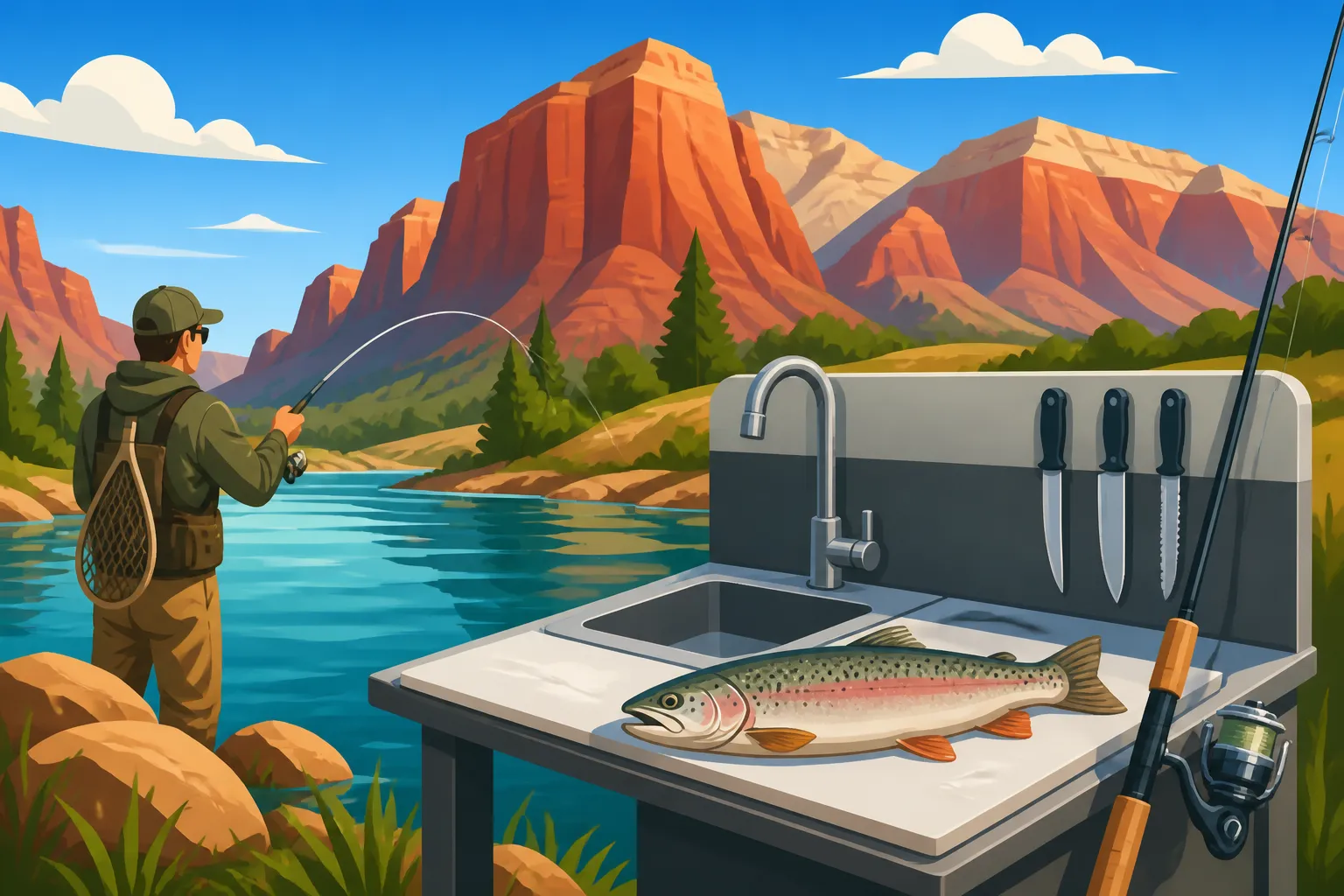
Imagine pulling your boat out of the water, or hiking back to your vehicle, knowing that you don't have to haul a cooler full of whole fish back to your house. Instead, you can head straight to a designated station. These facilities are specifically designed for processing fish, often featuring stainless steel countertops, running water (sometimes even heated!), and sinks with grinders or direct disposal chutes. It’s like having a professional kitchen just for your catch, right there at the lake or reservoir. This saves you valuable time and effort, letting you get home sooner to relax or prepare your freshly caught meal.
Consider a scenario where you've spent the day at a popular spot like Strawberry Reservoir, known for its fantastic trout and kokanee fishing. You've got your limit of fish, and the drive home is an hour or two. Without a cleaning station, those fish are sitting in your cooler, and the task of cleaning them still looms. With a station, you can quickly and cleanly fillet them, rinse the fillets, and pack them on ice for the ride home. It makes a huge difference in how fresh your fish stay and how much you enjoy the entire fishing experience, from casting to cooking. You can even use services like FishingBooker to find guides who often utilize these stations for their clients' catches, ensuring a smooth transition from water to cooler.
Maintaining Hygiene and Reducing Odor
One of the biggest advantages of these stations is the ability to maintain excellent hygiene. Fish processing can be messy, and left-over scales or blood can attract pests and create unpleasant odors. At a cleaning station, the design usually includes sloped surfaces and powerful water sprays that make rinsing away debris quick and easy. Many stations are also equipped with waste disposal systems, like grinders, that prevent offal from lingering and becoming a nuisance.
This dedicated space helps keep your own gear, vehicle, and home much cleaner. No more scrubbing fish scales off your garage floor or trying to air out your car from that distinct "fishy" smell. The waste is contained and managed properly, benefiting not just you but also the environment and other visitors to the area. It’s a simple but effective way to ensure that the beauty of your fishing spot isn't marred by avoidable messes. Plus, following proper cleaning practices at these stations also aligns with broader efforts to prevent the spread of aquatic invasive species, a crucial part of maintaining Utah's pristine waters. You can learn more about proper disposal and rules in our guide on Utah Aquatic Invasive Species Rules for Anglers.
Top Utah Fishing Spots Featuring Cleaning Stations
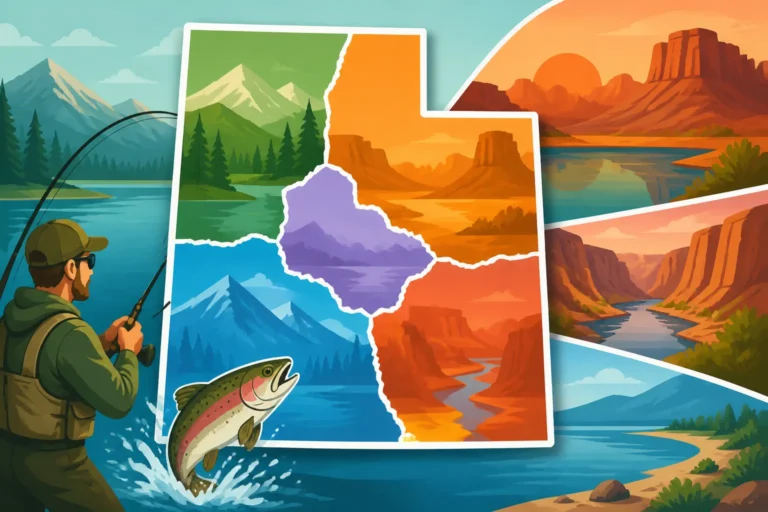
Utah boasts a diverse range of fishing opportunities, from high-mountain lakes to vast desert reservoirs. Thankfully, many of the most popular and productive spots are equipped with modern fish cleaning facilities, making your trip that much more enjoyable. These stations are usually found at main boat ramps or developed campgrounds, making them easily accessible after a day of angling.
Northern Utah Gems
Northern Utah offers some incredible fishing, and several key locations understand the value of a good cleaning station. These spots are often bustling with activity, especially on weekends, making convenient facilities essential.
- Bear Lake: Straddling the Utah-Idaho border, Bear Lake is famous for its unique species like the Bonneville cisco and trophy-sized cutthroat trout. Its turquoise waters are a draw for anglers year-round, including a popular ice fishing season for cisco. Recognizing the heavy use, Bear Lake State Park has excellent fish cleaning stations available, typically found near the main boat ramps like the one at Garden City or Bear Lake Marina Fishing Access. These stations are well-maintained and crucial, especially during the cisco run when thousands of fish are caught. If you're planning a trip, be sure to check the Utah Fishing Regulations Explained for specific limits on the unique Bear Lake species.
- Pineview Reservoir: Located near Ogden, Pineview is renowned for its tiger muskies and a healthy population of panfish and bass. This reservoir is a favorite for many local anglers due to its proximity to urban areas. The major boat ramps at Pineview, such as Cemetery Point and Anderson Cove, offer accessible fish cleaning stations. These facilities are particularly helpful if you're targeting the larger muskie, as processing these sizable fish away from home is a definite perk. It's a great spot for family outings, and the convenience of a cleaning station makes it even more appealing.
Central Utah Havens
The heart of Utah is home to some of the state's most iconic fisheries, attracting anglers from all over. These central locations often have robust infrastructure, including high-quality cleaning stations.
- Strawberry Reservoir: Without a doubt, Strawberry Reservoir is one of Utah's premier fishing destinations, famed for its trophy-cutthroat trout and kokanee salmon. Anglers flock here year-round, including for ice fishing. Given its popularity and the size of the fish caught, having top-notch cleaning stations is critical. Strawberry Bay and Soldier Creek, the main access points, both feature modern, well-equipped stations that make cleaning your catch a breeze. These facilities often include running water and grinding disposals, ensuring a clean and efficient process. Remember to consult our Strawberry Reservoir Fishing Guide before your visit to maximize your chances of success.
- Deer Creek Reservoir: Situated near Midway and Park City, Deer Creek is a popular spot for rainbow trout, brown trout, and smallmouth bass. Its picturesque setting and easy access make it a favorite for many. Deer Creek State Park offers a well-maintained fish cleaning station, typically located near the main boat ramps, providing a convenient service for anglers before they head home.
- Fish Lake: Known as Utah's "Gem of the Mountains," Fish Lake offers incredible fishing for trophy splake, lake trout, and perch. This high-altitude lake is a stunning destination. The facilities at Fish Lake State Park, particularly around the main marinas like Fish Lake Lodge Marina, include fish cleaning stations. These are invaluable for processing larger lake trout or a good haul of perch after a rewarding day on the water. If you're looking for an unforgettable experience chasing big fish, Fish Lake is a must-visit, and the convenience of these stations adds to its appeal, as detailed in our Fish Lake Trophy Trout Fishing guide.
- Utah Lake: As the largest freshwater lake in Utah, Utah Lake offers fantastic fishing for walleye, channel catfish, white bass, and carp. While not known for trout, its warm-water species provide exciting action. Given the lake's size and diverse fishery, convenient cleaning facilities are a huge plus. State park access points like Lincoln Beach and Utah Lake State Park in Provo often provide cleaning stations, perfect for processing a limit of walleye or a trophy catfish. The presence of these facilities is especially useful here, as the lake's productivity can lead to substantial catches. Guides found through platforms like FishingBooker operating on Utah Lake will also appreciate these facilities, ensuring clients have a clean way to handle their fish.
Southern Utah Sanctuaries
Southern Utah's landscape changes dramatically, but the fishing remains excellent, especially at its vast, red-rock reservoirs. Access to cleaning stations here is just as important, if not more so, given the remote nature of some spots.
- Lake Powell: An iconic destination with its sprawling canyons and deep blue waters, Lake Powell is renowned for its striped bass, smallmouth bass, and walleye. Given the immense size of the lake and the long distances anglers often travel, having cleaning stations available at major marinas is incredibly beneficial. Locations such as Wahweap, Bullfrog, and Antelope Point Marinas typically provide facilities where you can clean your catch. Imagine reeling in a "boil" of striped bass; these stations become essential for efficiently processing a large number of fish. For an in-depth look at this magnificent fishery, check out our Lake Powell Fishing Guide.
- Flaming Gorge Reservoir: Another massive reservoir that spans the Utah-Wyoming border, Flaming Gorge is a bucket-list destination for many, primarily for its record-breaking lake trout, trophy brown trout, and kokanee salmon. Given the sheer size of the fish caught here, reliable cleaning stations are absolutely vital. Major marinas like Buckboard Crossing and Cedar Springs often have these facilities, allowing anglers to clean their enormous mackinaw or kokanee before embarking on the drive home. These stations are well-equipped to handle the volume and size of fish that come out of Flaming Gorge. Planning a trip? Our Flaming Gorge Fishing Guide has all the details you need.
Here's a quick overview of some top spots and their cleaning station amenities:
| Fishing Spot | Primary Fish Species Targeted | Typical Cleaning Station Amenities | Key Benefits |
|---|---|---|---|
| Strawberry Reservoir | Cutthroat Trout, Kokanee Salmon | Running water, Grinders, Stainless Steel | High efficiency for large trout/salmon catches |
| Flaming Gorge Reservoir | Lake Trout, Brown Trout, Kokanee Salmon | Running water, Grinders, Stainless Steel | Essential for processing trophy-sized fish |
| Bear Lake | Cutthroat Trout, Bonneville Cisco, Lake Trout | Running water, Disposal, Stainless Steel | Crucial during high-volume cisco run |
| Lake Powell | Striped Bass, Smallmouth Bass, Walleye | Running water, Disposal, Cleaning tables | Convenient for large striper boils, remote locations |
| Fish Lake | Splake, Lake Trout, Perch | Running water, Cleaning tables, Disposal | Great for varied catch sizes, high-altitude spot |
| Utah Lake | Walleye, Catfish, White Bass | Running water, Cleaning tables, Disposal | Useful for warm-water species, high catch limits |
| Pineview Reservoir | Tiger Muskie, Smallmouth Bass, Perch | Running water, Cleaning tables, Disposal | Convenient for urban-area anglers, large muskie |
| Deer Creek Reservoir | Rainbow Trout, Brown Trout, Smallmouth Bass | Running water, Cleaning tables, Disposal | Accessible, good for family trips |
Before heading out, it's always a good idea to double-check the current status of cleaning stations, as amenities can sometimes change or be temporarily unavailable due to maintenance or seasonal closures. A quick call to the specific state park or marina can save you a headache. Also, make sure your Utah Fishing License Guide is up to date!
Tips for Using Utah's Fish Cleaning Stations Responsibly
Having access to convenient fish cleaning stations is a huge perk for anglers, but it comes with a shared responsibility. These facilities are maintained for everyone's benefit, and proper etiquette ensures they remain clean, functional, and pleasant for all users. Ignoring these guidelines can lead to closures, unpleasant experiences, and even environmental issues.
Etiquette and Cleanliness
When you use a public fish cleaning station, think of it as a shared resource that you want to leave in better condition than you found it, or at the very least, as clean. Here are some key points of etiquette:
- Clean Up After Yourself Immediately: This is the golden rule. As soon as you're done processing your fish, thoroughly rinse down the table, sink, and surrounding area. Use the provided hoses to wash away all scales, blood, and guts into the designated disposal system. Don't leave any scraps behind for the next user or to attract pests.
- Be Mindful of Others: If the station is busy, be efficient with your time. Don't monopolize the space, especially if others are waiting. If there are multiple cleaning bays, spread out.
- Bring Your Own Tools (and Clean Them): While stations provide water and disposal, you'll need your own knives, cutting boards (if you prefer to use your own), and buckets. Make sure these are clean before and after use. For tips on processing, you might want to review How to Fillet a Trout After Keeping Your Limit.
- No Personal Waste: These stations are for fish waste only. Do not dispose of household garbage, picnic leftovers, or anything else in the fish waste receptacles. Use appropriate trash cans for those items.
Keeping the stations clean and respectful ensures everyone can enjoy them. It's a small effort that goes a long way in maintaining a positive experience for the entire angling community.
Proper Disposal and Regulations
Beyond general etiquette, there are often specific regulations and best practices regarding waste disposal, especially concerning aquatic invasive species (AIS) and local health guidelines.
- Utilize Provided Grinders/Disposals: Many modern stations have built-in grinders or direct chutes to process fish waste. Always use these as intended. They are designed to break down the waste into small particles that can be safely disposed of without causing blockages or attracting scavengers.
- Never Dispose of Fish Waste in the Water: It might seem natural to throw fish guts back into the lake or river, but this is often illegal and harmful. It can spread diseases, introduce non-native species (if you've brought fish from another water body), and contribute to nutrient overload, which can degrade water quality. The proper disposal methods at cleaning stations are there for a reason. Always refer to the Utah Fishing Regulations Explained for specific guidelines on fish disposal.
- Be Aware of AIS Requirements: Utah takes aquatic invasive species very seriously. When using a cleaning station, be extra diligent about cleaning your boat, trailer, and gear. Any water or debris from your boat could harbor invasive species like quagga mussels. Many stations are near mandatory AIS inspection points. Understand the "Clean, Drain, Dry" protocol, which is critical for all watercraft and fishing equipment. You can find more information in our comprehensive guide on Utah Aquatic Invasive Species Inspection Stations.
- Report Issues: If you find a cleaning station that is malfunctioning, excessively dirty due to previous users, or has any other issues, report it to the park staff or the Utah Division of Wildlife Resources (DWR). Your proactive reporting helps ensure these facilities are promptly addressed and maintained for everyone's benefit.
By being responsible and following these guidelines, we can all do our part to keep Utah's fishing spots beautiful, hygienic, and enjoyable for generations of anglers to come. Whether you're a seasoned pro or just learning How to Teach a Kid to Fish in Utah, responsible practices start with you.
Disclaimer
Please be aware that fishing regulations, facility availability, and conditions can change. Always check the latest Utah Division of Wildlife Resources (DWR) regulations and local park advisories before planning your trip. The information provided in this guide is for general informational purposes only and does not constitute official legal advice.