Best Shore Fishing Spots at Strawberry Reservoir
There's nothing quite like the immense beauty of Strawberry Reservoir, but if you've ever tried to fish its vast shores without a boat, you know the frustration of feeling lost among miles of coastline, wondering where the fish are hiding. It's a huge body of water, and finding those productive shore fishing spots can feel like a daunting task, often leading to disappointing trips. This comprehensive guide is here to cut through the guesswork, offering you a detailed rundown of the best and most accessible shore fishing locations at Strawberry, along with the tips and tricks you'll need to make your next trip a success.
Why Shore Fishing at Strawberry Reservoir Can Be Challenging and Rewarding
Strawberry Reservoir is legendary in Utah for its incredible trout and kokanee salmon fishing. It's a true blue-ribbon fishery, teeming with trophy-sized cutthroat and rainbow trout, plus a robust population of kokanee. However, its sheer size – covering over 17,000 surface acres when full – can be incredibly intimidating for the shore angler. You can't just throw a line in anywhere and expect to hook into a lunker. But with a bit of local knowledge and patience, the rewards of fishing from the bank can be just as sweet, if not sweeter, than those from a boat, especially when you land a magnificent Strawberry cutthroat on your own two feet.
The Popularity Paradox and Limited Access
Strawberry's fame means it's a popular destination, especially during peak seasons. Boat ramps like Strawberry Bay and Soldier Creek can get incredibly busy, and finding a quiet spot to fish from shore might seem impossible. Many anglers arrive with their boats, giving them the freedom to roam the entire reservoir. This often leaves shore anglers feeling like they're limited to crowded areas or less productive stretches of water. However, the reservoir's extensive shoreline, much of it managed by the Uinta-Wasatch-Cache National Forest, offers numerous hidden gems that are accessible by foot or a short drive, if you know where to look. The challenge often lies in distinguishing between easily accessible but pressured spots and those that require a bit more effort but offer solitude and better fishing.
Understanding Strawberry's Unique Geography and Fish Behavior
Strawberry Reservoir isn't just a big bowl of water; it has a varied bottom structure, numerous coves, points, and flats, along with several important inflows like the Strawberry River. These geographical features significantly influence where fish will congregate. For instance, deeper drop-offs and submerged structure provide cover for larger trout, while flats and weed beds can attract foraging fish. The fish here are often on the move, chasing baitfish like chubs or insects, and their behavior changes dramatically with water temperature, time of day, and season. Understanding these patterns is key to successful shore fishing. For example, during cooler months, fish might be found closer to shore in shallower water, while in the heat of summer, they'll retreat to deeper, cooler zones, making them harder to reach from the bank. This reservoir is also famous for its Strawberry Reservoir Seasonal Closure Dates, so understanding the annual cycles is paramount.
Prime Shore Fishing Locations Around Strawberry Reservoir
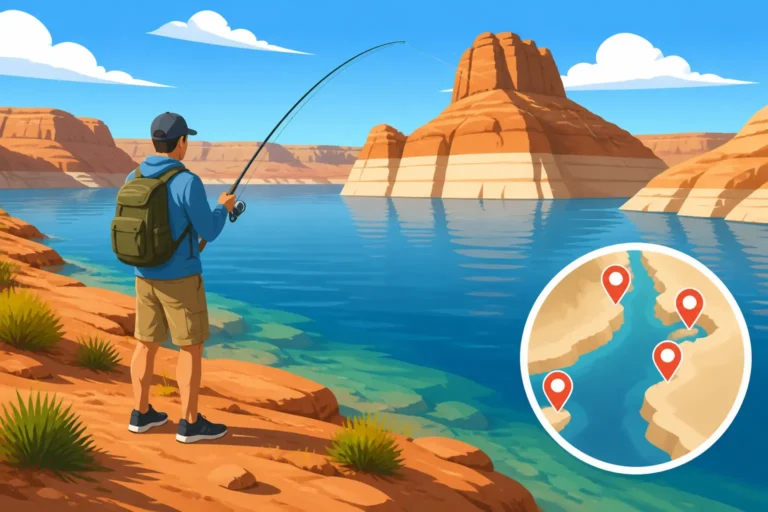
Navigating Strawberry's vastness from the bank means knowing the key access points that offer both reasonable access and productive fishing. While every spot has its days, some consistently stand out for shore anglers.
Strawberry Bay and Its Accessible Shores
Strawberry Bay is often the first place people think of when they talk about Strawberry Reservoir, and for good reason. It’s one of the main access points with significant infrastructure, including a marina, campgrounds, and the popular Strawberry Bay Boat Ramp Fishing Access. While it can get crowded, especially on weekends and holidays, the shoreline around Strawberry Bay offers some excellent opportunities for shore anglers, particularly in the spring and fall.
The areas immediately adjacent to the boat ramps and marina often have deeper water close to shore, making it easier to reach cruising trout. Look for points that extend into the bay or areas with some submerged structure. These locations act as natural ambush points for fish. Early mornings or late evenings tend to be the most productive times here, as fish move into shallower water to feed. You'll often see anglers here casting lures like Kastmasters or using traditional bait setups with PowerBait or worms. While the primary draw here is trout, you might also hook into a stray kokanee, especially during their pre-spawn staging periods. Be mindful of boat traffic, especially during summer, and consider venturing a little further from the busiest areas to find more solitude.
Soldier Creek's Diverse Opportunities
On the opposite side of the reservoir, Soldier Creek offers a different kind of shore fishing experience. It’s known for its more expansive, shallower flats and numerous coves, providing a diverse habitat for fish and a variety of spots for anglers. Access points here are a bit more spread out, and while there's a popular boat ramp, many areas can be reached by vehicle, often requiring a short walk down to the water.
The large flats in Soldier Creek can be incredibly productive, especially during overcast days or low light conditions when trout are actively feeding in shallower water. Look for areas where feeder creeks enter the reservoir, as these often concentrate baitfish and insects, which in turn attract trout. Casting spoons, spinners, or even small crankbaits can be very effective here. For bait anglers, a sliding sinker rig with PowerBait, marshmallows, or nightcrawlers fished on the bottom can yield excellent results. During colder months, Soldier Creek is also a popular spot for ice fishing, and many of the same shore fishing areas translate into productive ice fishing spots, as discussed in "Where to Ice Fish at Strawberry Reservoir." The vastness of Soldier Creek means you can often find a quiet stretch of shoreline away from the crowds, especially if you're willing to walk a bit.
Renegade Point and Little Strawberry Bay
For those looking for a bit more adventure and a potentially more secluded experience, Renegade Point and Little Strawberry Bay offer fantastic shore fishing. These areas are generally less crowded than the main bays, requiring a bit more driving on unpaved roads and often a short hike to reach the prime spots. However, the effort is often well worth it.
Renegade Point, located on the northern side of the reservoir, offers dramatic drop-offs and rocky structure, providing excellent habitat for larger, trophy-sized trout. The deep water close to shore here makes it a prime location for casting heavier spoons, jigging swimbaits, or even fly fishing with streamers. The varied structure means fish have plenty of places to hide, so covering water and trying different retrieves is key.
Little Strawberry Bay, situated to the east of the main Strawberry Bay, is another excellent option. It offers a mix of shallower flats and deeper channels, making it versatile for different techniques. This area is often less pressured because it's slightly more out of the way, providing a peaceful angling experience. Look for submerged weed beds or rocky outcrops that extend into the water. These "structure zones" are magnets for feeding trout. These less accessible spots might also be where you're more likely to encounter larger, wilder fish that haven't seen as much pressure. If you're serious about finding less crowded spots, researching local guides through platforms like FishingBooker can sometimes reveal lesser-known, productive areas or techniques for these specific locations.
Essential Gear and Techniques for Shore Anglers at Strawberry
Having the right gear and knowing how to use it effectively from shore will dramatically increase your chances of success at Strawberry Reservoir. It's not just about having a rod and reel; it's about matching your tackle and approach to the unique challenges of bank fishing this renowned water.
Recommended Tackle for Trophy Trout and Kokanee
For trout, especially the larger cutthroat and rainbow that Strawberry is famous for, a medium-light to medium action spinning rod, around 6 to 7 feet long, is ideal. Pair this with a reliable spinning reel spooled with 6-8 lb monofilament or fluorocarbon line, or even a braided line with a fluorocarbon leader for added sensitivity and casting distance. Longer rods (7-8 feet) can be particularly beneficial for shore anglers, allowing for longer casts to reach deeper water or distant structures.
When it comes to lures, spoons like Dardevles, Kastmasters, and Little Cleos in silver, gold, or bright colors (orange, chartreuse) are consistent producers. Spinners like Mepps or Rooster Tails are also excellent choices. For bait fishing, PowerBait (especially rainbow, chartreuse, or even garlic scent), nightcrawlers, and marshmallows are perennial favorites. A simple slip sinker rig with a small hook (size 8-12) and a 12-18 inch leader is highly effective. Remember to check the Strawberry Reservoir Trout and Kokanee Limit before you head out, and know the specific rules for cutthroat, as covered in "How Many Cutthroat Trout Can You Keep at Strawberry Reservoir?".
For kokanee salmon, while they are primarily targeted by boaters, shore anglers can have success, particularly during late summer and fall when they begin staging for their spawn. Small, bright jigs (pink, orange, chartreuse) tipped with a kernel of corn or a maggot, or small spoons and spinners, can entice them. The key is often to fish near drop-offs or deeper channels where they might cruise.
Mastering Shore-Specific Fishing Strategies
Successful shore fishing at Strawberry often comes down to strategy and persistence. Here are a few key techniques:
- Cast and Retrieve: For lures, experiment with different retrieve speeds and depths. Trout often hit on the fall or when the lure changes direction. Vary your retrieve from steady to jerky, mimicking wounded baitfish.
- Bottom Fishing with Bait: When using PowerBait or worms, cast your rig out and let it sink to the bottom. The slip sinker allows the fish to take the bait without feeling immediate resistance. Many anglers will set their rod in a holder and watch for subtle bites. This is a classic method for how to fish PowerBait for stocked trout and even larger wild trout.
- Fan Casting: Instead of casting to the same spot repeatedly, "fan cast" by making casts to your left, then gradually moving your casts to your right, covering a wide swath of water in front of you. This helps you locate where the fish are holding.
- Walking the Shoreline: Don't be afraid to move! If a spot isn't producing after 15-20 minutes, pack up your gear and walk to a new section of the shore. Small changes in depth, current, or structure can make a huge difference. Sometimes, just walking 50 yards can put you on fish.
- Observe and Adapt: Pay attention to what's happening around you. Are fish rising? Are there insect hatches? What are other successful anglers doing? The Best Time of Year to Fish in Utah can vary dramatically, and fish behavior changes accordingly. Tailor your approach based on conditions. For those newer to the sport or just looking for a leg up, a guided trip found through a service like FishingBooker could provide invaluable on-the-water instruction on these subtle strategies.
Navigating Regulations and Respecting the Environment
Fishing at Strawberry Reservoir isn't just about catching fish; it's about participating in a cherished pastime responsibly. Being aware of the local regulations and practicing ethical angling ensures that this fantastic fishery remains productive for generations to come.
Key Regulations for Strawberry Reservoir
Utah has specific regulations for fishing, and Strawberry Reservoir often has unique rules due to its blue-ribbon status and conservation efforts, particularly concerning the native Bonneville Cutthroat Trout. Always consult the most current Utah Fishing Guidebook issued by the Utah Division of Wildlife Resources (UDWR) before your trip. You can find comprehensive details in our Utah Fishing Regulations Explained guide.
Some critical points often include:
- License Requirements: Everyone 12 years and older needs a valid Utah fishing license. There are various options, including annual, 3-day, and 7-day licenses, which can be purchased online or from licensed vendors. Understanding the Utah Fishing License Age Requirements is crucial.
- Bag and Possession Limits: These specify how many fish of each species you can keep per day and how many you can have in your possession. Strawberry often has specific limits for cutthroat trout, including size restrictions or mandatory release rules, to protect the native population. For instance, sometimes cutthroat over a certain size must be released to promote trophy fish populations.
- Bait Restrictions: While common baits are usually allowed, some specific waters or areas might have restrictions on certain types of bait, especially in fly-fishing-only sections (though these are less common on large reservoirs, it's always good to check).
- Seasonal Closures: As mentioned, Strawberry Reservoir has a specific closure period, usually from November through mid-April, to protect spawning kokanee and cutthroat. Ignoring these closures can result in significant penalties. Our guide, "Why Is Strawberry Reservoir Closed From November Through Mid-April?", delves deeper into this.
Ignorance of the law is not an excuse. Always double-check the current regulations, as they can change from year to year.
Practicing Responsible Angling and Conservation
Beyond the written rules, practicing good outdoor ethics is vital. Strawberry Reservoir is not only a fantastic fishing destination but also a crucial watershed and home to diverse wildlife.
- Leave No Trace: Pack out everything you pack in, including fishing line, bait containers, and any other trash. Ideally, leave the area cleaner than you found it.
- Respect Wildlife and Other Anglers: Give wildlife their space. Be courteous to other anglers, whether they're on shore or in boats. Loud noises or casting too close to others can disrupt their experience.
- Proper Fish Handling: If you plan to release fish, learn how to do it properly to maximize their survival rate. Minimize handling, keep the fish in the water as much as possible, and use de-barbed hooks. For fish you intend to keep, dispatch them quickly and humanely.
- Aquatic Invasive Species (AIS) Prevention: Always Clean, Drain, and Dry your gear, waders, and any watercraft (including kayaks or float tubes) to prevent the spread of invasive species like quagga mussels. Strawberry Reservoir is particularly vulnerable, and doing your part is essential.
- Utilize Fish Cleaning Stations: If available, make use of designated Best Fishing Spots With a Fish Cleaning Station in Utah. This helps manage waste and keeps the shoreline clean.
By following these guidelines and regulations, you contribute to the health and longevity of Strawberry Reservoir's incredible fishery, ensuring that it remains a premier destination for shore anglers and boaters alike for many years to come. And while you're enjoying your shore fishing adventure, remember that resources like FishingBooker are available for planning future guided trips, whether on Strawberry or exploring other fantastic Utah fishing spots.
Disclaimer
Please note that fishing conditions, regulations, and access points can change. Always consult the current Utah Division of Wildlife Resources (UDWR) Fishing Guidebook before your trip for the most up-to-date information. This guide is for informational purposes only and does not substitute official regulations.