Best Catch-and-Release Spots in Utah
It's incredibly frustrating when you want to enjoy a day on the water, only to find overfished spots or dwindling populations of the species you love to target. For many of us, the joy of fishing isn't just about the catch, but about ensuring those experiences are there for generations to come. This guide dives deep into Utah's best catch-and-release spots, focusing on how you can enjoy world-class angling while also being a responsible steward of our precious aquatic resources.
The Philosophy Behind Catch-and-Release in Utah
Catch-and-release fishing isn't just a technique; it's a mindset that prioritizes the health and sustainability of fish populations. In a state like Utah, with its diverse and often fragile aquatic ecosystems, this practice plays a crucial role in maintaining high-quality fisheries, especially for trophy-sized fish that take years to grow.
Why Catch-and-Release Matters
When we choose to release a fish, particularly a healthy one or a prized trophy, we are directly contributing to the future of that fishery. Imagine catching a magnificent brown trout on the Provo River, admiring its vibrant colors, and then gently returning it to the water. That fish then has the chance to spawn, contributing its genes to the next generation, and to grow even larger, offering another angler the thrill of a lifetime down the road. This practice is especially critical in areas where fish populations might be under pressure from angling, habitat changes, or environmental factors. It allows for the development of larger, more robust fish, creating those "Blue Ribbon" fisheries that Utah is so famous for. Without catch-and-release, many of these prized waters would quickly be depleted of their larger, more desirable sport fish, turning an exciting outing into a disappointing one. It's about respecting the fish as much as the sport itself.
General Rules for Successful Release
Successfully releasing a fish alive and healthy requires more than just unhooking it and tossing it back. It demands a thoughtful approach and specific techniques to minimize stress and injury. The golden rule is "handle with care and keep them wet."
Here’s a breakdown of best practices:
- Minimize Fight Time: Play the fish quickly but carefully. A prolonged fight can exhaust a fish, making it harder for it to recover once released.
- Use Barbless Hooks: Crimping down the barb on your hook (with pliers) or using specifically designed barbless hooks makes removal much easier and less damaging. Many prime catch-and-release waters in Utah actually require barbless hooks by regulation.
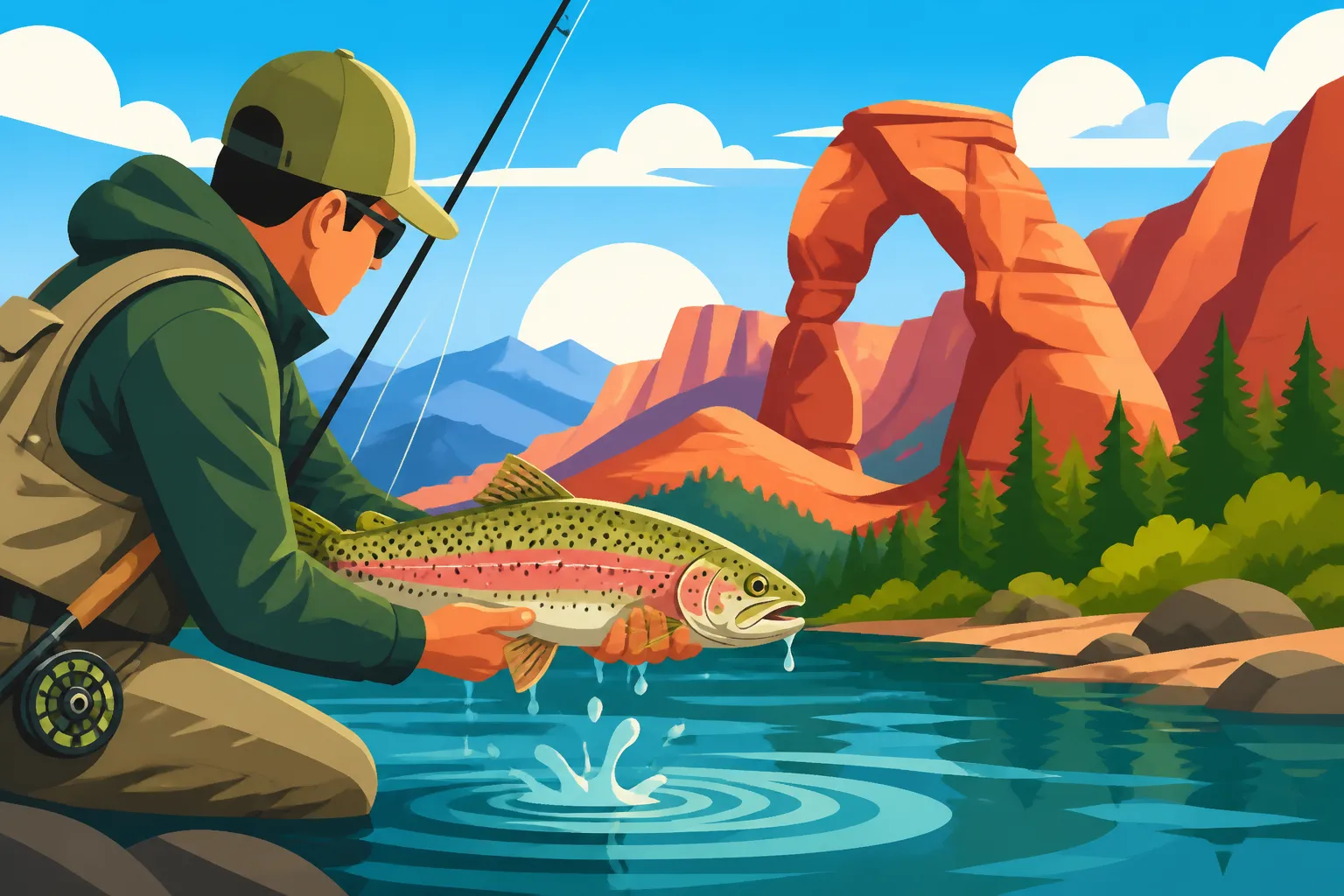
- Keep Fish in the Water: Whenever possible, unhook the fish while it's still submerged. If you must lift it for a quick photo, do so gently, supporting its belly with one hand and grasping the base of its tail with the other. Avoid touching its eyes or gills.
- Wet Hands: Always wet your hands before touching a fish. Dry hands can remove the fish's protective slime coat, leaving it vulnerable to disease and infection.
- Use Proper Tools: A good pair of long-nosed pliers or hemostats is invaluable for quick hook removal, especially when dealing with deeply hooked fish. A soft, rubberized landing net can also help subdue the fish gently while keeping it wet.
- Revive the Fish: If the fish seems sluggish, hold it gently in the water, facing upstream, allowing water to flow over its gills until it regains its strength and can swim away on its own. Never push a fish back and forth, as this can damage its gills.
By following these guidelines, you significantly increase the chances of the fish surviving and thriving after its encounter with you. For a deeper dive, check out our guide on how to Release a Fish Without Hurting It in Utah, and for those tricky situations, there's also valuable information on how to Handle a Fish You Must Release Immediately.
Prime Catch-and-Release Waters Across Utah
Utah boasts an incredible array of waters perfect for catch-and-release, from legendary rivers to serene high-alpine lakes. Each offers unique challenges and rewards for the conservation-minded angler.
Renowned River Systems
Utah's river systems are a jewel for anglers, particularly those seeking a challenging and rewarding catch-and-release experience. These waters are often managed specifically for trophy trout, making sustainable practices paramount.
Provo River
The Provo River, particularly its Middle and Lower sections, is widely regarded as a Blue Ribbon fishery and a fantastic spot for catch-and-release. Flowing from the Uinta Mountains, through Heber Valley and down to Utah Lake, this river is a haven for brown trout and rainbow trout. Many sections, especially those managed by the Utah Division of Wildlife Resources (DWR) for trophy fish, often have special regulations, including mandatory catch-and-release or restricted bait use. Anglers often flock here with fly fishing gear, mimicking the hatches. The fish here are smart, wary, and provide an exciting challenge, making the act of a successful release even more satisfying. You can learn more about its specific characteristics in our detailed Provo River Fishing Guide.
Green River Below Flaming Gorge Dam
Often referred to as one of the finest trout streams in North America, the Green River below Flaming Gorge Dam is a bucket-list destination for many. Divided into A, B, and C sections, this river offers consistent cold water flows from the dam, creating an ideal habitat for rainbow, brown, and cutthroat trout. The sheer numbers and size of the fish here make it a phenomenal catch-and-release location. Regulations are strictly enforced to maintain the quality of this fishery, with many sections being artificial flies and lures only, and catch-and-release preferred or required. Drifting downstream in a McKenzie-style drift boat, casting to rising fish, is an experience you won't soon forget. Find out more about fishing this incredible river in our guide on the Green River Below Flaming Gorge Dam.
Weber River
The Weber River, while perhaps less heralded than the Green or Provo, still offers excellent catch-and-release opportunities, especially for brown trout and rainbow trout. Its accessible sections winding through canyons and valleys provide beautiful scenery and a chance to escape the crowds. Like other rivers, specific stretches might have special regulations encouraging or mandating catch-and-release, so always check the current Utah Fishing Regulations Explained before heading out. It’s a great option for an afternoon trip, offering a blend of wild and stocked fish.
Pristine Stillwaters and High-Altitude Lakes
Beyond the rivers, Utah's stillwaters, from large reservoirs to remote alpine lakes, present equally compelling opportunities for catch-and-release, often targeting larger, slower-growing fish species.
Strawberry Reservoir
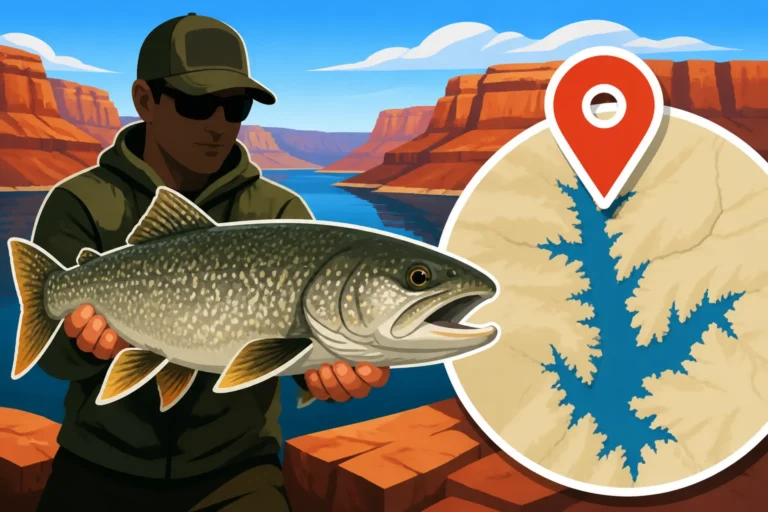
Strawberry Reservoir is arguably Utah's most famous trophy fishery, renowned for its large native Bear Lake cutthroat trout and hybrid tiger trout. While not strictly a catch-and-release only water, many anglers voluntarily practice catch-and-release, especially for the larger cutthroat, to help maintain its incredible trophy potential. The DWR works tirelessly to manage this lake, including efforts to control invasive species and enhance the cutthroat population. The "Strawberry slot limit" is a regulation that aims to protect mid-sized fish and encourage the harvest of smaller ones, effectively promoting C&R for the truly large fish. Fishing here can be spectacular, and returning a massive cutthroat to its depths is a point of pride for many. Dive deeper into angling strategies with our Strawberry Reservoir Fishing Guide. Don't forget to check the Strawberry Reservoir Seasonal Closure Dates when planning your trip.
High Uinta Lakes
For the adventurous angler, the High Uinta Mountains offer hundreds of pristine, high-altitude lakes teeming with wild brook, cutthroat, and rainbow trout. These remote waters often require a hike, sometimes several miles, making the fishing experience truly unique. Due to their remote nature and often slower growth rates, catch-and-release is an ethical choice to preserve these fragile populations. Many of these lakes are managed as self-sustaining wild fisheries. Releasing these vibrant, cold-water fish ensures that the next time you pack your gear for Uinta Mountains High Lakes Fishing, the reward will still be there. You can find detailed maps and access points for many of these lakes through the DWR website.
Panguitch Lake
Panguitch Lake, located in Southern Utah, is another fantastic stillwater known for its large rainbow trout, cutthroat, and tiger trout. It's a popular spot for both bait and lure fishing, and while harvest is allowed, many anglers dedicated to trophy fishing practice catch-and-release on the larger specimens. The lake is regularly stocked and managed to produce quality fish, and responsible angling, including C&R, helps keep the fishery robust. It's particularly popular during the ice fishing season as well.
Gear and Techniques for Responsible Angling
Being prepared with the right gear and knowing how to use it properly is paramount for successful and ethical catch-and-release fishing. It minimizes harm to the fish and increases your enjoyment of the sport.
Essential Gear for Catch-and-Release
Having the correct tools on hand makes all the difference in ensuring a healthy release. Think of it as your fish first-aid kit.
- Rods and Reels: Choose a rod and reel combination that is appropriately sized for the fish you're targeting. An ultralight setup for large fish might prolong the fight too much, causing unnecessary stress. Conversely, too heavy a rod can rip hooks out or be less enjoyable. A good medium-light to medium action rod is often versatile.
- Fishing Line: While braided main lines are popular for their strength, a fluorocarbon leader is often preferred for its invisibility and abrasion resistance. Using a slightly lighter leader than your main line can help ensure that if your line snags, you only lose the leader and not an entire setup, minimizing discarded line in the water. For specific recommendations, check out our guide on Best Fishing Line for Utah Trout.
- Barbless Hooks: As mentioned, these are non-negotiable for many serious C&R anglers. If your hooks aren't barbless, grab a pair of pliers and crimp them down. It takes seconds and can save a fish's life.
- Forceps or Hemostats: These are slender, scissor-like tools that are perfect for reaching into a fish's mouth and gently dislodging a hook. They allow for precise removal without putting your fingers (or the fish's gills) at risk.
- Rubberized Landing Net: A net with soft, knotless, rubberized mesh is far superior to traditional knotted nylon nets. It protects the fish's delicate fins and slime coat, and hooks rarely get tangled in the mesh, making for a quicker, less stressful release.
- Measurement Tape/Camera: If you want to record your catch, use a flexible tape measure against a wet surface or capture a quick photo while the fish is still partially submerged. Professional fishing guides, often found through services like FishingBooker, are experts at this, ensuring your trophy is documented safely and quickly before release.
Mastering Gentle Handling and Release
Beyond having the right tools, it's the technique you employ that ultimately determines the fish's fate post-release. Every action should be deliberate and gentle.
When you bring a fish to hand or to your net, the clock starts ticking. The goal is to minimize its time out of water and reduce physical contact.
- Preparation is Key: Before the fish is even netted, have your tools ready – forceps, camera, and wet hands.
- Submerge and Secure: If using a net, keep the fish fully submerged in the net. If you're hand-landing, grasp the fish firmly but gently at the base of the tail with one wet hand, and support its belly/chest area with your other wet hand. For smaller fish, a single wet hand can often suffice.
- Unhook Quickly: With the fish still in the water, use your forceps to carefully back the hook out. If the hook is deeply swallowed, a quick snip of the line close to the hook is often better than trying to wrench it out, which can cause internal damage. A hook left in will often dissolve or rust out over time, especially if it's a small, bare hook.
- Avoid Gill Plate Contact: The gills are extremely delicate and vital for the fish's oxygen exchange. Never put your fingers under the gill plate unless absolutely necessary for safety or species identification, and even then, do so with extreme caution.
- Revival: Once the hook is out, hold the fish facing upstream in the current, or gently move it back and forth if in still water (though gentle movement is generally preferred). Let the water flow over its gills until it gives a strong kick of its tail. When it can hold itself upright and tries to swim away from your grip, it's ready for release. Sometimes, a fish might dart away but then roll over. If this happens, gently retrieve it and continue the revival process. For more nuanced advice, our guide on how to Handle a Fish You Must Release Immediately offers great tips.
Planning Your Conservation-Minded Fishing Trip
A successful and responsible catch-and-release trip involves careful planning, not just for what you'll catch, but how you'll protect the waters and the fish within them.
Researching Regulations and Conditions
Ignorance is no excuse when it comes to fishing regulations. They are in place for a reason – to protect the resource. Before any trip, it’s imperative to do your homework.
Understanding Specific Water Rules
Utah has highly varied fishing regulations that can change from one water body to the next, or even from one section of a river to another. Some waters are strictly catch-and-release only, while others might have slot limits, bait restrictions, or tackle requirements (e.g., artificial flies and lures only, or barbless hooks only). Always consult the current Utah Fishing Guidebook published by the Utah Division of Wildlife Resources (DWR). This guidebook outlines all Utah Fishing Regulations Explained, including Utah Daily Bag and Possession Limits and specific Utah Trout Limits by Water. You might even find dedicated sections on Utah Catch-and-Release-Only Waters. A quick check can save you from a costly fine and, more importantly, ensures you're fishing ethically. Many online services, including those offered by platforms like FishingBooker, can also provide up-to-date information on local regulations, especially when booking with a knowledgeable guide.
Checking Current Fishing Reports and Conditions
The success of any fishing trip, especially for C&R, often hinges on knowing the current conditions. Water temperature, clarity, flow rates, and recent stocking reports can all impact fish behavior and your strategy.
- Water Levels and Flow: High runoff in spring can make river fishing challenging and stressful for fish due to strong currents and muddy water. Low water levels in late summer can concentrate fish but also make them more vulnerable to heat stress.
- Temperature: Fish are cold-blooded, and extreme water temperatures can be lethal. In warm summer months, C&R success rates drop significantly for trout in warmer waters. Early mornings or late evenings are often the best times.
- Stocking Reports: While C&R often targets wild fish, understanding stocking schedules for community ponds or reservoirs can indicate where fish are abundant and perhaps less pressured, offering good practice for C&R techniques.
- Online Resources: The DWR website, local tackle shops, and online fishing forums are excellent places to find current fishing reports. Our guide on Where to Find Current Fishing Conditions for Utah Reservoirs can provide more resources.
Respecting the Environment and Other Anglers
Being a conservation-minded angler extends beyond just how you handle fish. It encompasses your entire presence on and around the water.
Leave No Trace Principles
Practicing "Leave No Trace" is fundamental. This means packing out everything you pack in, including all trash, broken fishing line, and any discarded bait containers. Even seemingly small pieces of litter can harm wildlife or degrade the natural beauty of a fishing spot. When you're fishing in a remote Uinta Lake or a well-trafficked river like the Provo, your impact matters.
Angler Etiquette and Sharing the Water
With the growing popularity of fishing, especially in prime locations, respectful etiquette is crucial.
- Give Space: Give other anglers ample space, particularly fly fishers who need room for backcasts. Don't crowd someone's fishing spot, even if it looks productive.
- Minimize Disturbances: Avoid wading directly through prime fishing lies if someone else is fishing upstream or downstream. Walk quietly along the bank.
- Be Mindful of Boats: If you're fishing from a boat, be aware of shore anglers and give them a wide berth. If you’re trolling, try not to cut off other boats.
- Respect Private Property: Always know if you're on public or private land and respect "No Trespassing" signs. Access points for many of Utah's best spots are well-marked.
By embodying these principles, you not only ensure the long-term health of Utah's fisheries but also contribute to a positive and enjoyable experience for everyone who loves to fish. Organizations like FishingBooker often promote these ethical guidelines, connecting anglers with guides who also champion responsible fishing.
| Catch-and-Release Spot | Main Species Targeted | Key C&R Aspect/Regulation | Best Time of Year (General) | Notes |
|---|---|---|---|---|
| Provo River (Middle/Lower) | Brown, Rainbow Trout | Blue Ribbon fishery, often artificial flies/lures & barbless hooks | Spring, Fall | Excellent fly fishing, wary fish, check specific section rules. |
| Green River (Below Flaming) | Rainbow, Brown, Cutthroat | World-class trout fishery, many C&R sections, artificial only | Spring, Summer, Fall | High fish numbers, drift boat fishing popular, consistent cold water. |
| Strawberry Reservoir | Cutthroat, Tiger Trout | Trophy management, voluntary C&R for large fish, slot limits | Spring, Fall, Ice Fishing | Famous for large cutthroat, important to protect brood stock. |
| High Uinta Lakes | Brook, Cutthroat, Rainbow | Remote, wild trout, ethical C&R for fragile populations | Summer (after thaw) | Requires hiking, pristine environments, self-sustaining fisheries. |
| Weber River | Brown, Rainbow Trout | Accessible, good local option, check DWR regulations for C&R | Spring, Fall | Varied sections, potential for wild and stocked fish. |
Disclaimer
The information provided in this guide is for general informational purposes only and is subject to change. Always consult the most current Utah Fishing Guidebook published by the Utah Division of Wildlife Resources (DWR) or their official website for precise and up-to-date regulations, season dates, and specific water body rules before planning any fishing trip. Fishing conditions can vary, and personal safety should always be your top priority.