Where the Flaming Gorge Record Lake Trout Was Caught
The dream of landing a state record fish is something every serious angler has probably conjured up in their mind at some point. It's not just about the size, but the story, the hunt, and the sheer challenge of besting a leviathan that's been eluding countless others. For Utah anglers, the quest often leads to the legendary waters of Flaming Gorge Reservoir, a place synonymous with truly enormous lake trout. If you've ever wondered about the hallowed ground where Utah's current state record lake trout was pulled from, you're not alone. This guide dives deep into the details, helping you understand not just where it happened, but why Flaming Gorge produces such monsters and how you can increase your chances of finding your own trophy.
The Epic Tale of Utah's Record Lake Trout from Flaming Gorge
Flaming Gorge Reservoir has long held a reputation as one of the premier trophy lake trout fisheries in the West, a true gem in the heart of Utah and Wyoming. The sheer size and depth of this reservoir, coupled with its abundant forage base, create the perfect conditions for these magnificent fish to grow to truly colossal proportions. It's a place where dreams of 30, 40, or even 50-pound mackinaw can, and often do, become a reality.
The Record-Breaking Catch Details that Made History
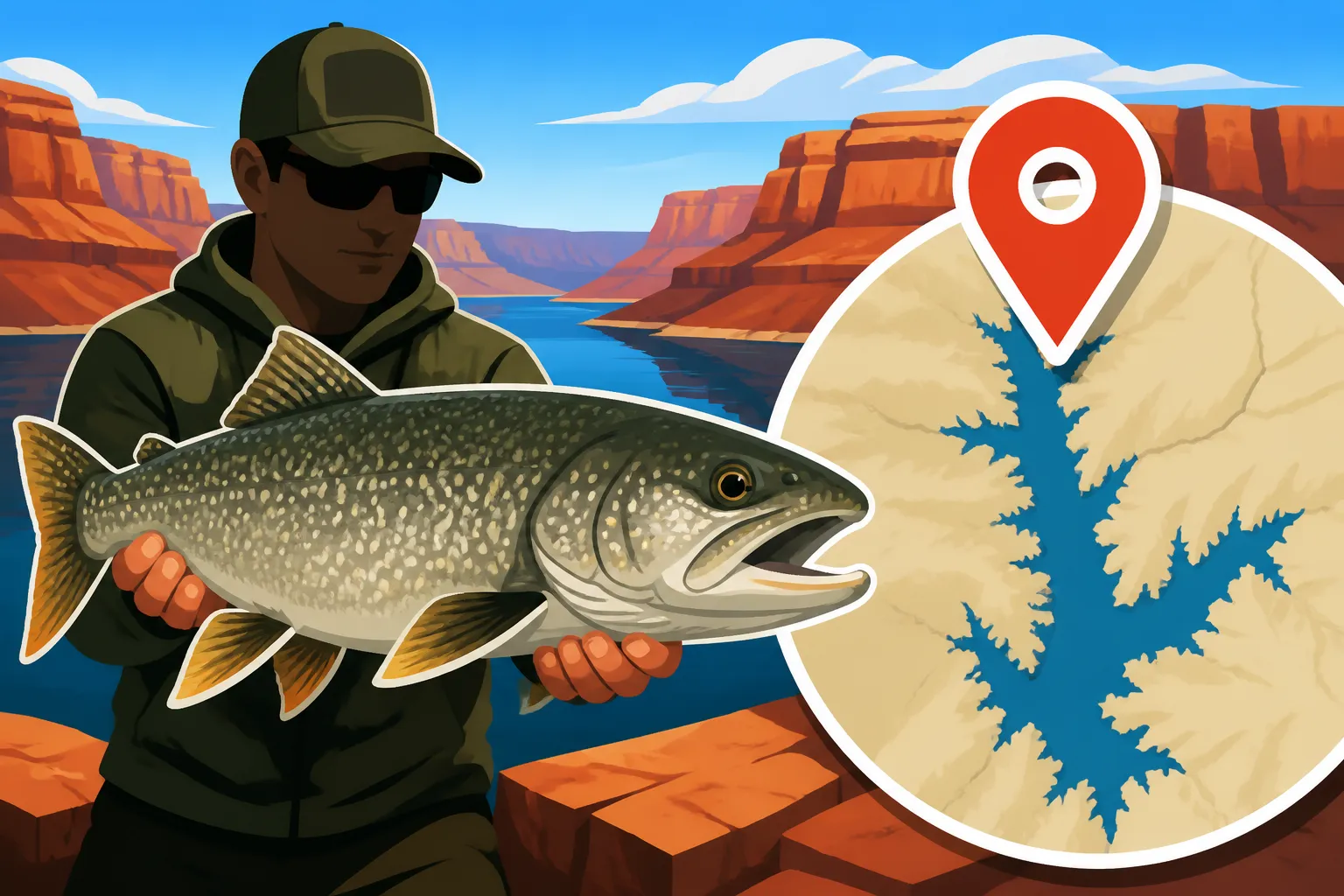
The current Utah state record lake trout is a fish of truly astonishing size, a testament to both the angler's skill and the incredible fishery that is Flaming Gorge. This monumental catch belongs to Chance Scott, who, on May 24, 2020, forever etched his name into Utah's fishing annals. Scott reeled in a brute that weighed an astounding 50 pounds, 4 ounces, and measured a jaw-dropping 47 1/8 inches long with a girth of 33 1/2 inches. Imagine the fight involved in bringing in a fish of that magnitude! It's one thing to hear the numbers, but it's another to picture a fish almost four feet long, thicker than a car tire, fighting for its life in the depths. This record-breaker surpassed the previous record, also from Flaming Gorge, caught by Shane Gordon in 1988, which weighed 43 pounds, 8 ounces. The story of Scott's catch circulated quickly, inspiring countless anglers to hit the waters with renewed hope. You can learn more about this specific catch and other impressive hauls in our guide on The Utah State Record Lake Trout Catch at Flaming Gorge.
Pinpointing the General Location of the Record Catch
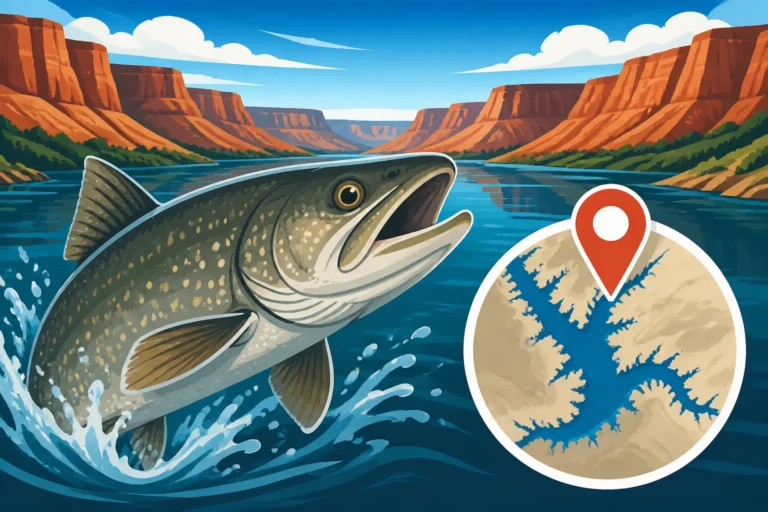
While the exact GPS coordinates of Chance Scott's record catch are understandably kept private – a bit of angler's lore and secret spot protection is totally understandable – the general area is well within the known trophy waters of Flaming Gorge. Scott was fishing on the Wyoming side of the reservoir, specifically in the area near Sheep Creek.
Flaming Gorge is a vast body of water, spanning over 91 miles in length, much of it characterized by deep canyons and expansive open areas. The record fish was caught in deep water, which is typical for mature lake trout, especially as water temperatures rise in late spring and summer. These giants often inhabit the deepest parts of the reservoir, congregating around underwater structure, ledges, and channels. The Sheep Creek area, known for its significant depth and complex underwater topography, provides ample habitat for large lake trout to thrive, offering both refuge and access to forage. It's a highly productive area that many local guides and experienced anglers frequent when targeting these immense fish.
Why Flaming Gorge is a Hotbed for Monster Mackinaw
So, what exactly makes Flaming Gorge such a phenomenal fishery for producing such large lake trout, often affectionately called "mackinaw" by locals? It comes down to a perfect storm of environmental factors and strategic fishery management.
Firstly, depth and cold water are paramount. Lake trout are cold-water species, preferring deep, oxygen-rich environments. Flaming Gorge boasts depths exceeding 500 feet in many areas, providing vast stretches of ideal habitat even during the warmest summer months. This consistent access to cold, stable water allows them to metabolize efficiently and grow without the stress of fluctuating temperatures.
Secondly, the forage base is incredibly robust. Lake trout are apex predators, and their size directly correlates to the availability of protein-rich food. Flaming Gorge is teeming with nutrient-dense prey species, most notably kokanee salmon and various species of cisco. Kokanee salmon, in particular, are a high-fat, high-energy food source that allows lake trout to pack on weight rapidly. While the kokanee population has seen its ups and downs, their presence is undeniably a key factor. Additionally, smallmouth bass and other baitfish contribute to a diverse diet, ensuring these predators have plenty to eat. We delve deeper into their diet in What Lake Trout Eat at Flaming Gorge.
Lastly, fishery management plays a crucial role. The Utah Division of Wildlife Resources (DWR) and Wyoming Game and Fish Department (WGFD) actively manage the lake trout population, often encouraging harvest of smaller lake trout to reduce competition and allow the remaining fish to grow larger. In recent years, both states have even removed limits on smaller lake trout in certain areas to help manage the population and promote trophy growth. This strategy allows the truly big fish more access to food and less competition, paving the way for giants like Chance Scott's record-breaker. This management approach is detailed further in Why Utah and Wyoming Removed Lake Trout Limits at Flaming Gorge.
Unpacking the Conditions and Techniques for Giants
While the specific location of a record catch might remain somewhat elusive, understanding the general conditions and the techniques employed is crucial for anyone hoping to replicate such a feat. Trophy lake trout fishing in Flaming Gorge is not for the faint of heart; it requires specialized gear, patience, and a deep understanding of the fish's behavior.
Seasonal and Depth Considerations for Monster Lake Trout
Lake trout are masters of their deep-water domain, and their behavior, including their depth preference, shifts with the seasons.
Spring (Post Ice-Off to Early Summer): After the ice recedes, often in April and May, lake trout can be found at shallower depths as they follow rising water temperatures and emerging forage. This is often an excellent time to target them, as they can be more accessible to anglers using a variety of methods. As the water warms, they'll gradually move deeper. The record-breaking catch in May 2020 perfectly aligns with this prime spring window.
Summer: During the heat of summer, large lake trout retreat to the cool, oxygenated depths, often seeking out areas below the thermocline. This typically means fishing at depths of 80 to 200 feet or even deeper. Finding these fish during the summer requires specialized electronics and precise depth control. They often hold tight to structure like humps, ledges, and submerged points. Our guide, How Deep to Fish for Lake Trout at Flaming Gorge in Summer, offers more insights into this critical aspect.
Fall: As water temperatures cool, lake trout may begin to ascend to shallower waters again, often becoming more active. This can be another excellent time for trophy hunting, as they feed aggressively in preparation for winter.
Winter (Ice Fishing): Flaming Gorge offers phenomenal ice fishing opportunities for lake trout. While smaller "pup" lake trout are more common through the ice, the giants are still there, often holding in the same deep structures they frequent in open water. Ice fishing for these larger fish requires heavy tackle and specialized jigging techniques.
Gear and Tactics for Battling Massive Mackinaw
Targeting a 50-pound lake trout is not like fishing for your average stocked rainbow. It demands robust gear and specialized techniques designed to handle immense size and strength.
Heavy-Duty Tackle: Forget your light spinning rods. You'll need stout trolling rods, often 7 to 9 feet in length, with a heavy action capable of absorbing powerful runs and handling heavy weights. Reels should be high-capacity conventional reels spooled with at least 30-50 pound braided line, often with a fluorocarbon leader for abrasion resistance and stealth. The powerful drag systems of these reels are critical.
Downriggers and Planer Boards: These are almost indispensable for deep-water lake trout fishing. Downriggers allow you to precisely control the depth of your lures, sending them down to where the fish are holding, often well over 100 feet deep. Planer boards, while less common for ultra-deep lake trout, can be used to spread out lines when trolling shallower or for other species. Our article on How to Downrig for Lake Trout provides an in-depth look at this technique. Many serious trophy hunters opt for charter services found on platforms like FishingBooker, where seasoned captains come equipped with top-of-the-line downriggers and know exactly how to deploy them for the best results.
Lures and Bait: Large spoons are a classic choice for Flaming Gorge lake trout. Think magnum sizes in silver, white, or glow patterns. Tube jigs, especially those in white, pearl, or chartreuse, weighing 2-6 ounces, are also extremely effective, especially when tipped with a piece of cut bait (like chub or sucker meat, where permitted by regulations). Large swimbaits and deep-diving crankbaits that mimic kokanee salmon are also excellent options. For those targeting truly massive fish, trolling dead bait (again, check regulations for specific water body rules) can be highly effective.
Electronics are Key: A high-quality fish finder is non-negotiable. You need to be able to identify depth, bottom structure, and most importantly, locate schools of baitfish and individual fish. Modern units with side-imaging and down-imaging capabilities can give you an incredible advantage in deciphering the underwater world of Flaming Gorge. You can explore options in our guide to Best Fish Finders for Utah Reservoirs.
The Unseen Power of Forage Fish
It cannot be stressed enough how vital the abundant forage fish population is to the growth of trophy lake trout in Flaming Gorge. These lake trout aren't just big because they live long; they're big because they have a buffet of high-quality food available year-round.
Kokanee Salmon: These landlocked sockeye salmon are the primary food source for mature lake trout in Flaming Gorge. Kokanee are protein and fat-rich, providing the necessary energy for rapid growth. Lake trout actively hunt schools of kokanee, often migrating to areas where these salmon are concentrated, particularly during their pre-spawn staging and spawning periods.
Cisco: While not as numerous as in some other large western lakes, various species of cisco also contribute to the diet of Flaming Gorge lake trout. These baitfish provide another crucial food source, ensuring a diverse and consistent supply of prey.
Smallmouth Bass: Believe it or not, smaller smallmouth bass can also become prey for truly massive lake trout, especially if they wander into deeper waters where the mackinaw lurk. This adds another layer to the complex food web of the reservoir.
The presence of such a rich and varied diet means that Flaming Gorge lake trout don't have to expend excessive energy searching for food, allowing them to allocate more resources to growth, leading to those incredible state record sizes.
Strategies for Targeting Trophy Lake Trout in Record Territory
While you might not find the exact spot of the record catch marked with an X on a map, Flaming Gorge is full of areas that consistently produce giant lake trout. The key is understanding their habitat, behavior, and the best ways to present your offerings in their deep-water haunts.
Prime Areas Beyond the Record Spot
Beyond the general Sheep Creek area, many other sections of Flaming Gorge are renowned for their trophy lake trout potential. These areas typically share common characteristics: deep water, significant underwater structure, and proximity to major baitfish populations.
- Cedar Springs and Buckboard Crossings: These areas on the Wyoming side are popular for their deep channels and ledges, often holding substantial numbers of lake trout.
- Linwood Bay: Another deep area with varied structure, offering excellent opportunities for both trolling and vertical jigging.
- Kingfisher Island and the surrounding deep basins: Islands and their submerged extensions often act as congregation points for baitfish and, consequently, their predators.
- The main channel and canyon areas throughout the reservoir: Anywhere the reservoir plunges to extreme depths with ledges and steep drop-offs is potential trophy territory. These areas provide cover and access to different depths as fish move seasonally. If you're planning a trip to these prime areas, consider looking into a guided fishing excursion through services like FishingBooker, as local guides have an intimate knowledge of these productive spots.
Our comprehensive Flaming Gorge Fishing Guide and Best Places to Fish in Utah provide even more detailed insights into these hotspots.
Reading the Water and Submerged Structure
Successfully targeting trophy lake trout involves a deep understanding of reading your electronics and interpreting the underwater landscape.
Sonar Interpretation: Your fish finder is your best friend. Look for steep drop-offs, underwater points, humps, and submerged timber. These are all prime ambush points or holding areas for lake trout. Also, pay close attention to baitfish schools – where the bait is, the predators often are too. Marks on your sonar that appear large and distinct in deep water are often the larger lake trout you're seeking.
Thermocline Detection: In summer, identifying the thermocline (the layer where water temperature changes rapidly) is critical. Lake trout will typically be found just below this layer, where the water is coldest and most oxygenated. Many modern fish finders can help you locate this crucial depth.
Drifting vs. Trolling: Both methods have their place. Trolling allows you to cover vast amounts of water, methodically searching for active fish over structure or open basins. Vary your speed and depth until you find what's working. For a thorough overview of this, check out Utah Trolling Techniques for Lake Trout. Drifting, particularly with large tube jigs or cut bait, can be effective when you've located a concentration of fish on structure and want to present your lure vertically. This requires precise boat control, especially in windy conditions.
Respecting the Resource and Regulations
While the pursuit of a record-breaking fish is exciting, it's paramount to practice responsible angling. The health of the Flaming Gorge fishery depends on it.
Catch-and-Release for Large Fish: Many trophy lake trout anglers practice catch-and-release, especially for the largest breeding fish. These older, larger fish are incredibly valuable to the genetics of the fishery. If you do plan to release a large lake trout, be prepared with proper handling tools like large, rubberized landing nets to minimize scale damage, and de-hooking tools. Support the fish horizontally and revive it fully before release.
Adhere to Regulations: Always, always be aware of the current Utah Fishing Regulations Explained and specific rules for Flaming Gorge. This includes bag and possession limits, size restrictions (if any), and bait restrictions. Regulations can change, so always check the latest guide from the Utah Division of Wildlife Resources before you head out. While some waters have a mandatory harvest for invasive species like Northern Pike (as seen in Why Utah Lake Require You to Kill Every Northern Pike?), large lake trout at Flaming Gorge are often managed with more conservation-minded approaches for the bigger fish.
Aquatic Invasive Species (AIS) Prevention: Flaming Gorge, like many Western reservoirs, is at risk from invasive species like quagga mussels. Always clean, drain, and dry your boat and gear thoroughly before and after visiting any body of water, especially Flaming Gorge. Be aware of Utah Aquatic Invasive Species Rules for Anglers. Some anglers might use a guide service booked through FishingBooker specifically because these professionals are well-versed in and compliant with all local regulations and AIS protocols.
Table: Key Characteristics of Flaming Gorge for Trophy Lake Trout
| Feature | Description | Angling Implication |
|---|---|---|
| Exceptional Depth | Many areas exceed 500 feet, providing vast cold-water refuges. | Requires downriggers and heavy weights for deep-water trolling and jigging. |
| Robust Forage Base | Abundant kokanee salmon and cisco provide high-energy food. | Use lures and bait that mimic these prey species; fish near bait schools. |
| Complex Structure | Underwater canyons, ledges, humps, and points throughout the reservoir. | Utilize fish finders to locate structure; target areas where structure meets deep water. |
| Cold Water Temperature | Ideal conditions for lake trout growth and survival, especially in deep sections. | Fish deeper in summer months; target areas with stable cold water. |
| Trophy Management | DWR and WGFD often encourage harvest of smaller lake trout to reduce competition for food, allowing larger fish to grow. | Focus on larger baits and presentations designed to attract bigger fish. |
| Large Size | A significant portion of the reservoir is quite large, covering vast distances. | Consider a boat with a powerful motor for covering ground, or charter a guide on FishingBooker for efficient navigation. |
The journey to landing a trophy lake trout, let alone a state record, is a challenging but immensely rewarding endeavor. While the exact coordinates of Chance Scott's legendary catch remain his secret, the principles of where, why, and how to target these giants are well-established within the incredible waters of Flaming Gorge. With the right preparation, gear, and respect for the fishery, your own record-setting story might just be waiting to be written.
Disclaimer
The information provided in this guide is for general informational purposes only and is subject to change. Fishing regulations, season dates, and limits are determined by the Utah Division of Wildlife Resources (DWR) and Wyoming Game and Fish Department (WGFD) and can be updated at any time. It is the angler's responsibility to check the most current regulations before fishing. Always prioritize safety on the water, especially when dealing with large fish or deep, cold water conditions.