Which Utah Lakes Require an AIS Inspection Before Launch?
It's incredibly frustrating, isn't it? You've prepped your boat, gathered your gear, and you're ready to hit the water, only to realize there's another hurdle: those often-confusing aquatic invasive species (AIS) inspection rules. Trying to figure out which Utah lakes require a mandatory inspection before you even launch can feel like navigating a maze, and nobody wants to show up unprepared or, worse, face a fine. This guide is here to untangle that complexity, clearly laying out which Utah lakes have strict AIS inspection requirements and what you need to know to ensure a smooth, compliant day on the water.
Understanding Utah's Aquatic Invasive Species Threat
Let's be real, nobody enjoys extra steps before fishing, but the reason for these inspections is critically important for the health of Utah's waters. Aquatic Invasive Species, or AIS, are non-native organisms that can wreak absolute havoc on local ecosystems, and once they're established, they're incredibly difficult, if not impossible, to eradicate.
Why AIS Inspections Matter So Much in Utah
The biggest threat we're talking about in Utah is primarily quagga and zebra mussels. These tiny freshwater mussels might seem innocuous, but their impact is anything but. They attach to almost any hard surface, reproducing at an astonishing rate. Imagine pipes for irrigation, municipal water systems, and power plants getting completely clogged – that's a multi-million dollar problem right there.
But it's not just infrastructure. These mussels filter vast amounts of water, stripping it of plankton, which is the base of the food web. This starves native fish and other aquatic life, fundamentally altering the ecosystem. They can quickly decimate sport fisheries, making your favorite fishing spots barren. They also leave behind sharp shells that can cover beaches, making them unpleasant and even dangerous for recreational use. Just look at the challenges faced by states that have widespread infestations; Utah is fighting tooth and nail to prevent that fate for its pristine waters.
The Role of the Utah Division of Wildlife Resources DWR
The Utah Division of Wildlife Resources (DWR) is on the front lines of this battle. Their dedicated teams of inspectors, biologists, and enforcement officers work tirelessly to monitor, prevent, and contain AIS. This isn't just about handing out tickets; it's about protecting the very resources that make Utah such a fantastic place to fish and recreate.
The DWR manages a network of inspection stations across the state, strategically placed near popular reservoirs, state lines, and highway checkpoints. Their goal is to intercept contaminated watercraft before they can spread invasive species to uninfested waters. They're also responsible for educating the public, because ultimately, prevention is a shared responsibility. You can find detailed information about their efforts and current regulations on the DWR website or by checking out our comprehensive guide on Utah Aquatic Invasive Species Rules for Anglers.
Utah Lakes Requiring Mandatory AIS Inspections
This is where the rubber meets the road. While all boaters should practice "Clean, Drain, Dry" every time they leave any body of water, certain lakes have more stringent, often mandatory, inspection requirements, especially concerning high-risk vessels.
The Big Picture: Designated Interception Lakes
It's crucial to understand that while a full pre-launch inspection might not be mandated for every single boat launching into every single Utah lake, there are specific scenarios and locations where it absolutely is required, or where you'll very likely encounter an inspector. The DWR focuses its efforts on what they call "interception points" and high-risk waters.
If you're launching into a lake that has a permanent or seasonal DWR inspection station, particularly during peak seasons, you can expect to be stopped. These stations are commonly found at or near popular reservoirs and waters that are considered high-priority for AIS prevention. This includes major recreational hubs like Deer Creek Reservoir, Jordanelle Reservoir, Willard Bay State Park, and even Bear Lake (especially if crossing the state line from Idaho). While the DWR may not have a blanket every single boat, every single time rule for pre-launch at every single one of these, if your boat is coming from out-of-state, has been in an infested water, or simply looks like it hasn't been properly cleaned and drained, you will be flagged for an inspection before you're allowed near the ramp. The DWR has the authority to inspect any watercraft at any launch ramp or access point, so it's always best to be prepared.
Think of it less as a list of "Lakes X, Y, and Z always require a pre-launch inspection," and more about "If you're launching at these popular spots, particularly if you're a high-risk vessel, expect a mandatory check." Many launch ramps, especially those at state parks, will have DWR staff present during busy periods specifically for this purpose. Even smaller craft like kayaks and paddleboards aren't exempt from these rules, as detailed in our post Do Kayaks and Paddleboards Need AIS Inspections in Utah?.
Lake Powell: The Epicenter of AIS Concerns
Now, if there's one lake in Utah where AIS rules are unequivocally strict and mandatory, it's Lake Powell. This vast, stunning reservoir, shared with Arizona, is unfortunately the primary infested water body in Utah for quagga mussels. Because of this, the regulations around Lake Powell are unique and exceptionally rigorous.
Leaving Lake Powell: Mandatory Inspections and Decontamination
The most critical rule for Lake Powell is that all motorized watercraft and sailboats are required to undergo an inspection and potentially decontamination upon exiting the reservoir. This isn't optional. There are DWR inspection stations located at every major boat ramp and exit point from Lake Powell, such as Wahweap, Bullfrog, and Antelope Point. You cannot legally leave Lake Powell without stopping at one of these stations.
The inspection involves a thorough check for any mussels or standing water. If any contamination is found, or if your boat hasn't met the stringent dry time requirements, you'll be directed to a hot water decontamination. This process can be costly and time-consuming, depending on the size and complexity of your boat. For example, our article on Utah Quagga Mussel Decontamination Cost provides a good overview of what to expect.
Dry Time Rules are Different Here
Furthermore, Lake Powell has specific and much longer dry time requirements compared to other non-infested waters. The DWR's mandate for how long your boat must remain completely dry after leaving Lake Powell varies significantly based on factors like air temperature and humidity, but it's often measured in weeks, not days. This is because quagga mussels are incredibly resilient and can survive for extended periods out of water. This specific rule, detailed in Utah Dry Time Rules After Leaving Lake Powell, is designed to ensure any lingering mussels are dead before your boat can even think about touching another body of water. The reasons for these distinct rules are explained further in Why Does Lake Powell Have Different Dry Time Rules Than Other Utah Lakes?.
Here's a quick reference table for some major Utah lakes and their typical AIS inspection status:
| Lake/Reservoir | Typical AIS Inspection Requirement | Notes |
|---|---|---|
| Lake Powell | Mandatory exit inspection and decontamination for all motorized and sailboats. Strict dry time rules apply before launching in any other water. | This is the primary infested water. You will be stopped when leaving. Plan for potential delays and costs for decontamination if not properly cleaned/drained. |
| Deer Creek Reservoir | Likely pre-launch inspection during peak season, especially for high-risk vessels (out-of-state, previously in infested waters, or visibly unclean). DWR stations often present. | Highly popular, near population centers. Expect DWR presence at boat ramps. Always Clean, Drain, Dry. |
| Jordanelle Reservoir | Likely pre-launch inspection during peak season, especially for high-risk vessels. DWR stations often present. | Another heavily trafficked reservoir. DWR takes proactive measures here. |
| Willard Bay State Park | Likely pre-launch inspection during peak season, especially for high-risk vessels. | Important for preventing spread into the Great Salt Lake ecosystem and beyond. |
| Bear Lake | Likely pre-launch inspection, particularly for boats crossing state lines (Utah/Idaho). DWR stations often present at major ramps. | Shared with Idaho, making cross-state vigilance critical. |
| Utah Lake | Likely pre-launch inspection during peak season, especially for high-risk vessels. | Large, popular lake with high recreational use. |
| Flaming Gorge Reservoir | Likely pre-launch inspection at major launch points, especially for out-of-state boats or those coming from infested waters. | Shared with Wyoming, also a high-use multi-state fishery. |
| Strawberry Reservoir | Frequent inspections at launch points, particularly during popular fishing events or high season, though not always mandatory for every boat. | A prized Blue Ribbon Fishery. DWR works hard to protect it. |
| All Other Waters | While not always mandatory pre-launch for every vessel, all boats are subject to inspection if deemed high-risk or if an inspector is present. Always Clean, Drain, Dry. | It's your responsibility to ensure your boat is Clean, Drain, Dry. Ignorance is not an excuse for non-compliance. |
The AIS Inspection Process and What to Expect
Knowing which lakes have stricter requirements is half the battle. The other half is understanding the process itself. Being prepared can save you a lot of time and potential headaches.
Before You Arrive: The "Clean, Drain, Dry" Ethos
The absolute best way to ensure a smooth inspection, regardless of which lake you're heading to, is to rigorously follow the "Clean, Drain, Dry" protocol every single time you remove your boat from any body of water. This isn't just a suggestion; it's the core principle of AIS prevention.
- Clean: Remove all visible plants, mud, and debris from your boat, trailer, and any fishing gear (waders, anchor, ropes). Pay close attention to propeller guards, bunk rugs, and any crevices where things might hide. Even a tiny fragment of vegetation can carry invasive species.
- Drain: Completely drain all water from your boat's bilge, live wells, ballast tanks, and engine cooling systems. Don't forget any bait buckets or fishing coolers that have held water from the lake. The DWR suggests pulling drain plugs and leaving them out during transport.
- Dry: Allow your watercraft to dry completely before launching into another body of water. The longer the dry time, the better. This is especially critical if you've been in an infested water like Lake Powell. High-pressure washing with hot water can also help, but dry time is paramount.
By doing your part before you even arrive at an inspection station, you significantly reduce the risk of spreading AIS and make the inspection process much quicker for everyone.
What Happens at an Inspection Station
When you pull up to a DWR inspection station, whether it's at a designated checkpoint or a mobile station at a boat ramp, here's generally what to expect:
First, a friendly DWR inspector will greet you and ask about your boat's recent history. They'll want to know:
- Where your boat was last used.
- How long it has been out of the water.
- If it has been in any other states or known infested waters.
Then, they'll conduct a visual and tactile inspection. They'll walk around your boat and trailer, physically checking for any signs of mussels, weeds, or standing water. They'll often pay extra attention to areas like:
- The hull and keel
- Propeller and lower unit
- Bilge and live wells (they might ask you to open these)
- Transducer mounts and anything that extends below the waterline
- Trailer bunks and rollers
They'll also confirm that your drain plugs are removed. It's a quick process if you've followed the Clean, Drain, Dry rules. If your boat passes, you'll typically be given a seal or a receipt indicating compliance, and you'll be on your way.
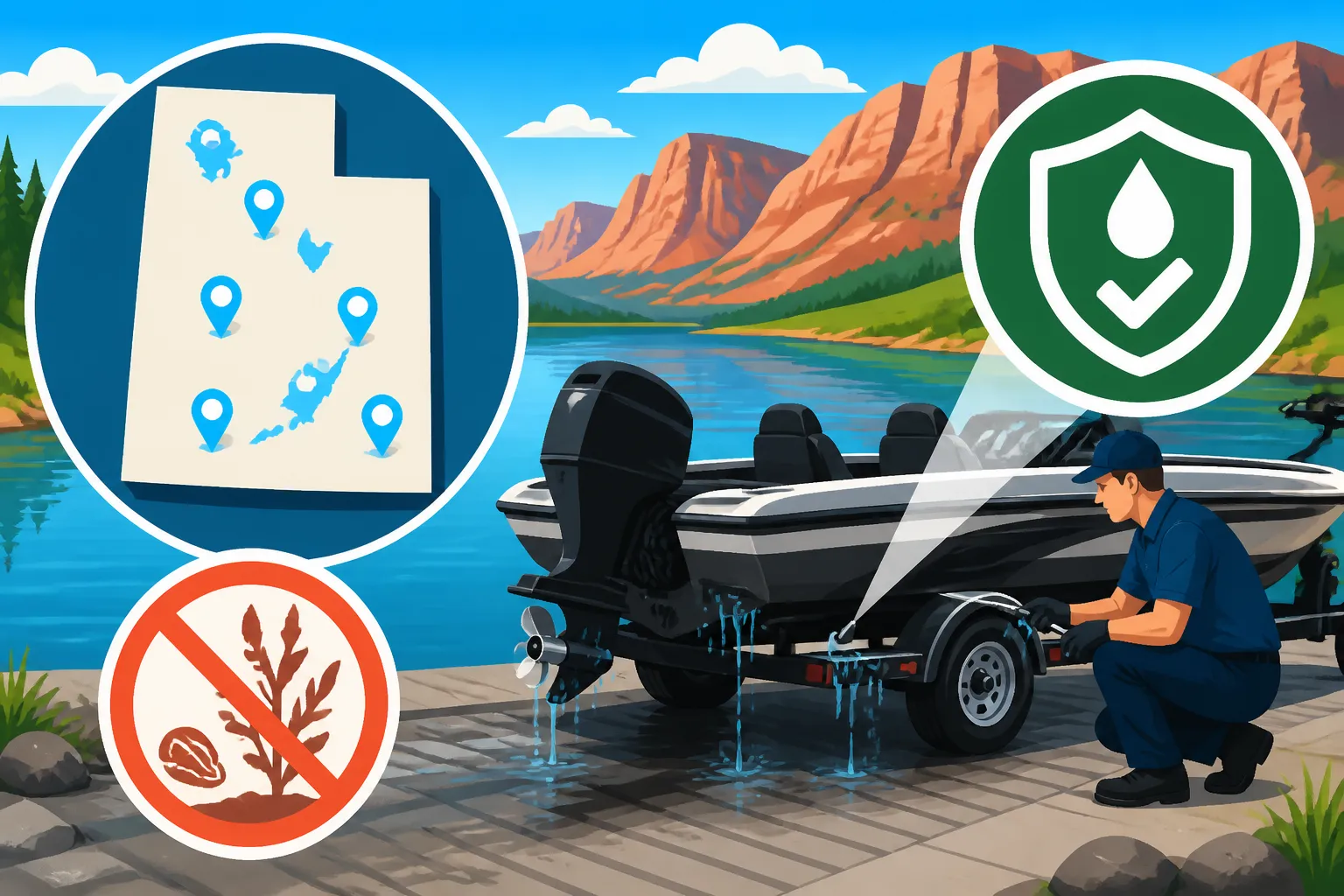
However, if the inspector finds anything suspicious, or if your boat hasn't met dry time requirements after being in an infested water (like Lake Powell), they may issue a mandatory decontamination order. This usually involves using high-pressure, hot water to thoroughly clean and flush all parts of your boat. This is designed to kill and remove any lingering invasive species. Be aware that decontamination can take anywhere from 30 minutes to several hours, depending on the boat size and degree of contamination, and there may be a fee. You can find many of the Utah AIS inspection station locations online, which can help you plan your travel.
Consequences of Non-Compliance and Responsible Angling
Ignoring AIS regulations isn't just an inconvenience; it can lead to serious legal and financial repercussions, not to mention irreversible damage to Utah's cherished fisheries.
Penalties for Skipping AIS Inspections
Utah takes its AIS prevention incredibly seriously. Skipping a mandatory inspection, failing to decontaminate when required, or knowingly transporting invasive species can result in substantial penalties. We're not talking about a slap on the wrist here.
- Fines: You could face significant fines, potentially hundreds or even thousands of dollars, depending on the severity of the violation.
- Misdemeanor Charges: More severe violations can even lead to misdemeanor charges, which can carry jail time and a criminal record.
- Boat Impoundment: Your boat and trailer could be impounded by the DWR until all necessary inspections and decontaminations are completed, and all fines are paid. This can be a major logistical and financial burden.
- Delayed Trips: Even a minor issue can lead to significant delays, forcing you to reschedule or even cancel your planned fishing trip.
The DWR doesn't want to issue tickets; they want compliance to protect our waters. However, they will enforce these rules strictly because the stakes are simply too high. Understanding these consequences is part of being a responsible boater, as outlined in the broader Utah Boating and Fishing Rules. Our article on Utah Fishing License Penalties for Violations also touches on the broader enforcement landscape in Utah.
Being a Proactive and Educated Angler
Ultimately, protecting Utah's waters from invasive species is a collective effort. Every angler and boater has a vital role to play. By staying informed and following the rules, you're not just avoiding penalties; you're actively contributing to the preservation of our natural resources for future generations.
Here's how you can be a truly proactive and educated angler:
- Always Practice Clean, Drain, Dry: Make this a non-negotiable routine after every trip, no matter how small the body of water.
- Check DWR Resources: Before you head out, especially if you're visiting a new lake or traveling from out of state, check the Utah DWR's official website for the most up-to-date regulations, inspection station locations, and any specific alerts.
- Ask Questions: If you're unsure about a rule or process, don't hesitate to ask a DWR agent or contact the local DWR office. They are there to help!
- Plan Ahead: Factor in potential inspection times and decontamination needs when planning your trip, particularly if you're coming from or going to Lake Powell. Platforms like FishingBooker can sometimes offer insights into popular waters and might even have local guide information that includes current regulations. For example, if you're booking a guided trip through a service like FishingBooker, make sure your guide is fully aware of and compliant with all AIS regulations.
- Spread the Word: Educate fellow anglers and boaters about the importance of AIS prevention. The more people who understand and comply, the better chance we have of keeping Utah's waters clean and healthy.
By embracing these practices, we can all enjoy the incredible fishing Utah has to offer, knowing we're doing our part to protect it.
Disclaimer
Please remember that fishing regulations, including those related to Aquatic Invasive Species (AIS) inspections, can change. While we strive to provide the most current and accurate information, it is your responsibility to verify all rules and regulations with the official Utah Division of Wildlife Resources (DWR) before engaging in any fishing or boating activity. This guide is for informational purposes only and does not constitute legal advice.