Best Spots to Fish From a Kayak in Utah
Many anglers in Utah dream of accessing those secret spots, the quiet coves, and the hidden channels that bigger boats can't reach, or simply enjoying the peaceful solitude of the water without the rumble of an outboard. Kayak fishing offers that perfect blend of stealth, accessibility, and an intimate connection with nature, but knowing where to launch your paddle-powered vessel for the best success can be a real head-scratcher. This guide is dedicated to breaking down the prime kayak fishing locations across Utah, helping you paddle your way to your next memorable catch.
The Undeniable Allure of Kayak Fishing in Utah
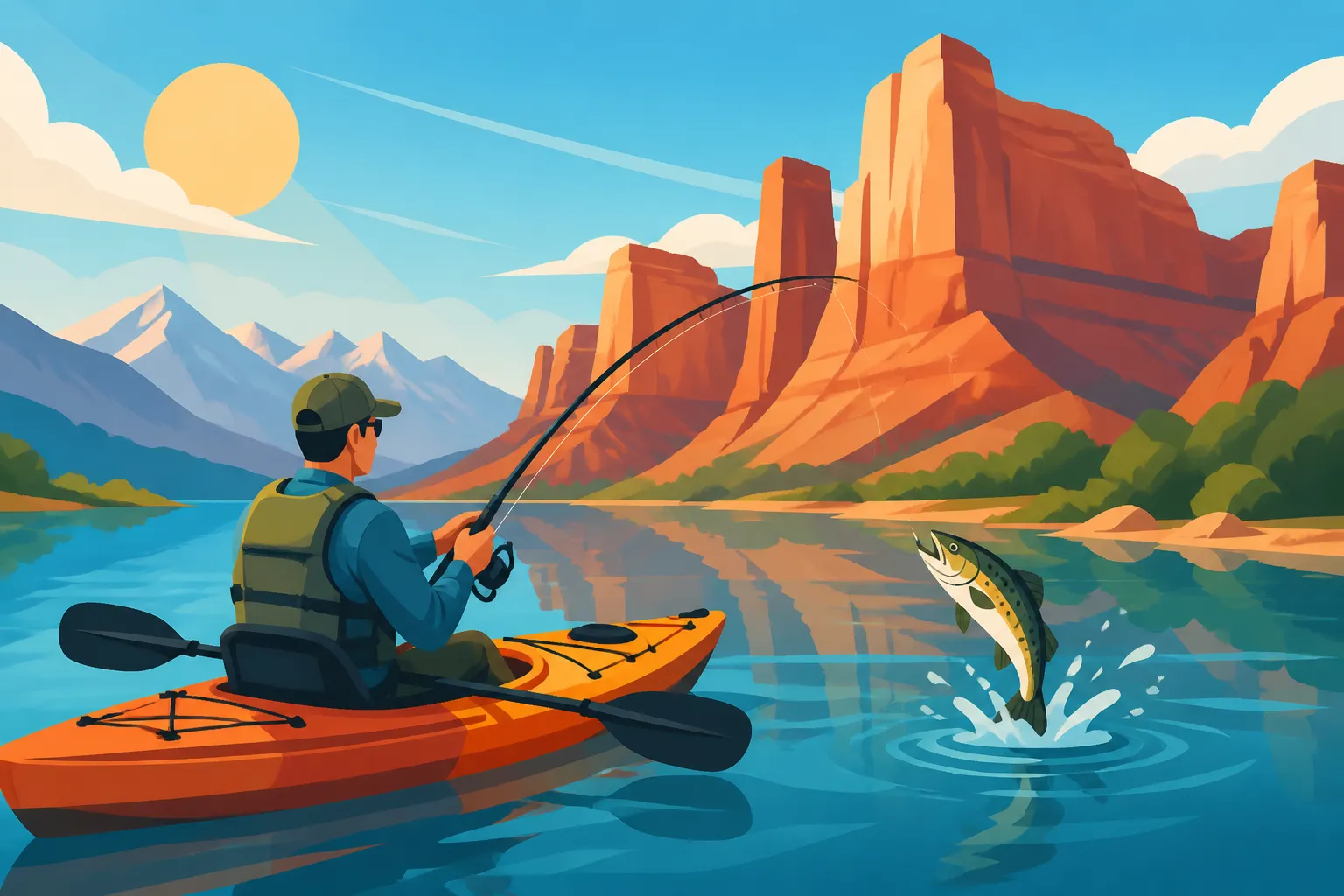
There's something truly special about being eye-level with the water, propelled only by your own strength and the gentle push of a paddle. For many Utah anglers, kayak fishing isn't just a hobby; it's a profound way to experience the state's diverse fisheries. You're not just fishing; you're exploring, often reaching places that larger, heavier boats simply can't. It strips away a lot of the complexity of traditional boating, offering a more minimalist yet deeply rewarding connection to the environment.
Why Paddles Trump Motors for Stealth and Access
One of the biggest frustrations for bank anglers is looking out at productive water just out of casting range, or seeing fish rise in a quiet cove that's impossible to reach on foot. For those with bigger boats, the challenge often lies in navigating shallow flats, narrow inlets, or dodging submerged obstacles without damaging a prop or hull. This is where kayaks shine. Their shallow draft allows them to glide over mere inches of water, unlocking countless hidden fishing opportunities. Imagine quietly slipping into a reed-lined bay on Utah Lake, targeting unsuspecting largemouth bass that have never seen a boat. The stealth factor is huge; you can approach fish without the tell-tale hum of an electric motor or the wake of a gas engine, leading to more natural presentations and, often, more bites.
Furthermore, launching and landing a kayak is typically far easier than a full-sized boat. Many reservoirs and ponds have designated paddlecraft access points, or you can simply carry your kayak down to the shore from informal parking areas, bypassing crowded boat ramps and their associated fees. This makes spontaneous fishing trips much more feasible, letting you chase that evening bite without a major production.
The Cost-Benefit and Portability Advantages
Let's be honest, fishing can be an expensive passion. A full powerboat setup, trailer, fuel, and maintenance can quickly add up. Kayaks, on the other hand, offer an incredibly accessible entry point into boat-based fishing. The initial investment for a quality fishing kayak is significantly lower, and the ongoing costs are minimal—no gas, no oil changes, just your paddle power. This affordability makes kayak fishing a fantastic option for those looking to expand their fishing horizons without breaking the bank.
Beyond cost, the sheer portability of kayaks is a game-changer. Most fishing kayaks can be easily loaded onto a car roof rack, into a truck bed, or even fit inside larger SUVs. This means you're not restricted to waters with concrete boat ramps. You can explore smaller ponds, urban fishing spots, and even some high-elevation lakes that are only accessible by carting your gear a short distance. This freedom to explore means you can diversify your fishing experiences and discover hidden gems across the state, from the tranquil waters of Deer Creek Reservoir to the expansive bays of Willard Bay.
Essential Considerations for Choosing Your Kayak Fishing Haven
Before you hit the water, it's crucial to think about what kind of experience you're after and what kind of water your kayak is best suited for. Utah's diverse landscape offers everything from calm, urban ponds to vast, open reservoirs and winding rivers. Each presents unique opportunities and challenges for the kayak angler.
Matching Your Kayak to the Water and Target Species
Not all kayaks are created equal, and neither are all fishing spots. If you're planning to target trophy lake trout in deep, open waters like Flaming Gorge or Strawberry Reservoir, a larger, more stable sit-on-top kayak with plenty of storage and potentially a pedal drive system might be ideal. These kayaks offer better tracking in wind and waves, more room for multiple rods and tackle, and less fatigue over long distances. For those looking to hire a guide, particularly on larger, more challenging waters, services found on platforms like FishingBooker often provide specialized kayaks or offer guided trips from larger boats, ensuring you're fishing in the right craft for the conditions.
Conversely, if your goal is to chase smallmouth bass in rocky coves on Jordanelle or to leisurely drift for rainbow trout in a smaller community pond, a lighter, more maneuverable sit-in or recreational sit-on-top might be perfect. These are easier to transport, quicker to turn, and often more agile in tight spaces or around submerged timber. The type of fish you're after also dictates the water conditions you'll seek out, whether it's the shallow flats for catfish on Utah Lake or deeper thermoclines for trout. Understanding your kayak's capabilities and the fish's habitat preferences will significantly enhance your success and enjoyment.
Navigating Access, Safety, and Aquatic Invasive Species
Kayak fishing in Utah comes with responsibilities, especially regarding access and safety. Always check public access points. Many state parks and wildlife management areas offer fantastic spots, but private property is a no-go without permission. Beyond access, safety is paramount. Utah weather can change quickly, especially on larger reservoirs. Always wear your personal flotation device (PFD), carry a whistle, and let someone know your float plan. A basic Utah Boater Education Course Requirement can provide invaluable knowledge.
A major concern in Utah is the prevention of Aquatic Invasive Species (AIS), particularly quagga mussels. These tiny invaders can wreak havoc on ecosystems and infrastructure. Before launching and after exiting any Utah water, you are required to "Clean, Drain, and Dry" your kayak and gear. This means removing all mud, plants, and debris; draining all water from your kayak, bilge, and livewells; and allowing everything to thoroughly dry before your next launch. For specific details on inspection stations and regulations, check out Utah Aquatic Invasive Species Inspection Stations and Utah Quagga Mussel Decontamination Rules. Failing to comply can result in significant fines and the spread of these harmful species. It's a small effort that makes a huge difference in protecting Utah's fisheries.
Utah's Premier Kayak Fishing Hotspots
Utah boasts an incredible array of waters perfect for kayak fishing, each offering a unique experience. From vast, shallow lakes teeming with warm-water species to clear, high-mountain reservoirs holding trout, there's a paddle-fishing paradise for everyone.
Central Utah Gems: Utah Lake and Deer Creek Reservoir
Utah Lake: This sprawling, shallow lake, Utah's largest freshwater body, often gets a bad rap, but for kayak anglers, it's a hidden treasure. Its average depth of just 10 feet makes it incredibly accessible by kayak, allowing you to explore vast areas that larger boats might shy away from due to prop concerns or crowded main channels. The lake is renowned for its excellent populations of channel catfish, white bass, walleye, and even some largemouth bass.
- Target Species and Techniques: For catfish, focus on the deeper channels or around vegetation using cut bait or stink baits. White bass can be found schooling and are often caught casting small spoons or inline spinners into boils. Walleye fishing, particularly in spring, can be phenomenal from a kayak, allowing you to quietly target structure and drop-offs. Learning How to Catch Walleye at Utah Lake in Spring can significantly boost your success. Look for submerged structures or transition lines where the water clarity changes.
- Kayak Advantages: The sheer size and shallow nature of Utah Lake mean endless coves and reed beds to explore silently. Access points are numerous, from formal ramps like those at Utah Lake State Park to more informal shorelines, making launch and retrieval a breeze. The challenge can be the wind, which can pick up quickly and make paddling tough, so always check the forecast. For anglers looking for a guided experience to learn the best spots for Utah Lake Catfish Fishing Spots or Utah Lake Walleye Fishing Spots, contacting a local guide through a platform like FishingBooker can be a great way to navigate the lake safely and effectively.
Deer Creek Reservoir: Nestled in the scenic Heber Valley, Deer Creek is a popular destination offering stunning views of Mount Timpanogos. While larger boats frequent its waters, kayaks provide excellent access to its numerous coves and shoreline features, making it a favorite for trout and smallmouth bass anglers.
- Target Species and Techniques: Rainbow trout, brown trout, and a healthy population of smallmouth bass are the main draws here. Kayak anglers can troll small lures (like Rapalas or Kastmasters) for trout along contours or cast jigs and crankbaits towards rocky points and submerged structures for smallmouth bass. The quieter approach of a kayak allows you to get right up to these structures without spooking fish.
- Kayak Advantages: Its relatively calm waters, especially in the mornings, make it very kayak-friendly. The many coves and bays offer protection from wind and provide ample structure for fish. There are several access points, including state park ramps and informal launches, making it easy to get on the water. For more specific location insights, check out Deer Creek Reservoir Fishing Spots.
Northern Utah's Diverse Waters: Pineview and Willard Bay
Pineview Reservoir: Located just east of Ogden in a beautiful mountainous setting, Pineview is famous for its tiger muskie, a feisty hybrid known for its aggressive strikes and challenging fights. It also holds good populations of rainbow trout, crappie, and smallmouth bass.
- Target Species and Techniques: If you're after tiger muskie, prepare for a challenge! These toothy predators require heavy tackle and large lures. Kayak anglers can cast big jerkbaits, swimbaits, or bucktail spinners towards weed lines and submerged timber. For trout, trolling small spoons or spinners is effective. Smallmouth bass can be found near rocky structures.
- Kayak Advantages: Pineview is a smaller reservoir, making it manageable to explore entirely by kayak. The shoreline is highly varied with plenty of coves, weed beds, and rocky outcrops, all prime muskie habitat that kayaks can easily navigate. Just be mindful of muskie teeth when handling! Finding the best Pineview Reservoir Fishing Spots from a kayak often involves hugging the shorelines and casting into structure.
Willard Bay: A large, warm-water reservoir near Ogden, Willard Bay is known for its incredible wiper (a hybrid striped bass), walleye, channel catfish, and white bass fishing. Its flat, expansive nature can sometimes be intimidating for kayak anglers, but with the right approach, it can be extremely rewarding.
- Target Species and Techniques: Wipers are the main event here, known for their powerful runs. Kayak anglers can cast spoons, swimbaits, or even troll for wipers, especially around current breaks or submerged humps. Walleye are also present, often caught jigging or trolling crankbaits. For insight into the area, consult Willard Bay Fishing Access.
- Kayak Advantages: The biggest advantage for kayaks at Willard Bay is the ability to sneak up on schooling fish or quietly work the often-submerged causeways and dikes. While it can get windy, choosing calm days or sticking close to protected shorelines allows for fantastic fishing. Access is primarily through Willard Bay State Park.
| Reservoir | Primary Target Species | Kayak-Friendly Features | Best Time of Year | Considerations |
|---|---|---|---|---|
| Utah Lake | Catfish, Walleye, White Bass, Bass | Shallow, vast, numerous coves, easy informal access | Spring, Summer | Can get very windy, sometimes murky water |
| Deer Creek Res. | Trout, Smallmouth Bass, Walleye | Scenic, many coves, diverse structure, calmer mornings | Spring, Fall | Can get crowded with powerboats, wind can pick up |
| Pineview Res. | Tiger Muskie, Trout, Smallmouth | Smaller, varied shoreline, weed beds, excellent muskie cover | Spring, Summer | Muskie require heavy tackle, can be challenging |
| Willard Bay | Wiper, Walleye, Catfish, White Bass | Expansive, good for schooling fish, quieter access to dikes | Spring, Fall | Very exposed to wind, can be monotonous paddling in open water |
| East Canyon Res. | Trout, Perch | Smaller, scenic, good for trolling, quieter | Spring, Summer | Can be busy on weekends, limited amenities |
| Jordanelle Res. | Trout, Smallmouth Bass, Perch | Deep, clear, good structure, close to urban areas | Spring, Fall | Wind can be a factor, popular for watersports |
High-Elevation Escapes: East Canyon and Jordanelle Reservoirs
East Canyon Reservoir: Tucked away in a beautiful canyon north of Park City, East Canyon offers a serene escape and excellent fishing for rainbow trout, brown trout, and yellow perch. Its moderate size makes it ideal for a full day of kayak exploration.
- Target Species and Techniques: Kayak anglers do well trolling small spoons or pop gear with bait for rainbow and brown trout. Jigging small ice jigs or soft plastics can be very effective for yellow perch, especially near submerged brush or drop-offs. The quieter approach allows you to work these areas thoroughly. More information on specific East Canyon Reservoir Fishing Spots can help you pinpoint productive areas.
- Kayak Advantages: The reservoir's shape, with its long arms and numerous coves, provides plenty of interesting structure to explore. Kayaks can access the quieter nooks and crannies, away from the main boating traffic. The scenery is fantastic, making for a truly enjoyable day on the water.
Jordanelle Reservoir: Conveniently located near Park City and Heber City, Jordanelle is a popular, deep reservoir that offers great fishing for rainbow trout, brown trout, cutthroat trout, and smallmouth bass. While it can get busy with watersports, its extensive shoreline and numerous arms make it perfect for kayak anglers.
- Target Species and Techniques: Trolling for trout with pop gear and a worm or small spoons is a classic technique here, and kayaks allow for very controlled presentations. For smallmouth bass, casting jigs, tubes, or crankbaits to rocky points, ledges, and submerged timber is highly effective. Knowing the Jordanelle Reservoir Fishing Access points will help you pick the best launch for your target species.
- Kayak Advantages: The reservoir has many coves and calmer areas, especially in the early mornings or late evenings, where kayak anglers can find solitude and fish undisturbed. The ability to hug the shoreline and work structure quietly is a huge benefit, particularly for bass fishing.
Gearing Up and Staying Safe on Your Utah Kayak Fishing Adventure
Kayak fishing, while simpler than traditional boat fishing, still requires specific gear and a strong commitment to safety. Being prepared for varying conditions and potential challenges will ensure your trips are enjoyable and successful.
Must-Have Gear for a Successful Day on the Water
Having the right equipment can make all the difference between a frustrating paddle and a fantastic fishing excursion. While you don't need to break the bank, certain items are non-negotiable for comfort, safety, and efficiency.
- The Kayak Itself: Obviously, you need a fishing kayak! Look for stability, comfortable seating, and enough storage for your gear. Many modern fishing kayaks come with rod holders, gear tracks, and even pedal drives for hands-free propulsion. Consider if a sit-on-top or sit-in model better suits your needs; sit-on-tops are generally preferred for fishing due to ease of re-entry and open deck space.
- Paddle and PFD: A good, lightweight paddle is essential, and always carry a spare if possible. Most importantly, a properly fitting personal flotation device (PFD) is not just recommended, it's legally required to be accessible for every person on board in Utah. Wear it! It's your most important piece of safety gear.
- Tackle and Rods: Keep your tackle streamlined. A small tackle box with essential lures (spoons, spinners, jigs, soft plastics, crankbaits) and bait (PowerBait, worms, cut bait for catfish) will cover most scenarios. Two rods are usually sufficient: one for casting and one for trolling or still fishing. For Utah Trout Fishing Tips, having a light spinning rod with 4-6 lb test line is often ideal.
- Anchor and Net: A small, collapsible anchor (like a grapnel anchor) with enough rope is crucial for holding your position in wind or current, especially when you hook a fish. A good landing net, ideally one that floats, will help you safely land and release fish, minimizing stress on both you and your catch.
- Electronics: A portable fish finder can be a game-changer for kayak anglers, helping you locate fish, identify structure, and understand depth changes. GPS capabilities (either integrated or via your phone) are invaluable for marking hotspots and navigating larger waters.
- Clothing and Hydration: Dress in layers, anticipating temperature changes throughout the day. Quick-drying, UV-protective clothing is a must, especially during the summer. Always bring plenty of water and snacks to stay hydrated and energized.
- Storage: Dry bags or waterproof boxes are essential for protecting your phone, keys, wallet, and other valuables from splashes and unexpected capsizes. A small cooler can keep your lunch fresh and, if you plan to keep fish, will help preserve your catch.
Prioritizing Safety and Preparedness
Even on calm waters, things can go wrong quickly. Being prepared is the best defense.
- Weather Awareness: Always check the forecast before heading out. Utah weather is notorious for sudden changes, especially pop-up thunderstorms and strong winds on reservoirs. If conditions look iffy, err on the side of caution.
- Communication: Carry a fully charged cell phone in a waterproof case. For more remote locations, consider a satellite messenger or a VHF radio. Always let someone know where you're going and when you expect to return. This is often called a "float plan."
- Paddling Skills: Be comfortable with your paddling skills, especially in varied conditions. Practice self-rescue techniques (how to re-enter your kayak after capsizing) in calm water before you need them in an emergency.
- First Aid: A basic first-aid kit should always be part of your gear. Include items for cuts, scrapes, blisters, and insect bites.
- Sun Protection: The Utah sun is intense, even on cloudy days. Sunscreen, a wide-brimmed hat, and polarized sunglasses (which also help you spot fish and structure) are vital.
- Aquatic Invasive Species (AIS) Compliance: We can't stress this enough. Every single time you move your kayak between different bodies of water in Utah, you must follow the "Clean, Drain, Dry" protocol. This protects our precious fisheries and keeps you out of trouble with wildlife officers. For specific questions about regulations or finding fishing guides and charters that adhere to these rules, especially on complex waters, platforms like FishingBooker are a useful resource.
Kayak fishing offers an unparalleled opportunity to explore Utah's diverse waters, connect with nature, and pursue incredible catches. With proper planning, the right gear, and a commitment to safety, you'll discover why so many anglers are trading their powerboats for paddles.
Disclaimer
The information provided in this guide is for general informational purposes only and does not constitute legal advice. Fishing regulations, license requirements, and aquatic invasive species protocols in Utah can change, and it is the responsibility of each angler to consult the most current Utah Fishing Guidebook published by the Utah Division of Wildlife Resources (UDWR) before engaging in any fishing activities. Always prioritize safety and adhere to all local, state, and federal laws and regulations.