How to Catch Panfish in Utah
There's nothing quite like a day out fishing, casting your line and feeling the anticipation, but let's be honest, sometimes those trophy fish can be incredibly elusive. It can be frustrating to put in hours without a single bite. That's where panfish come in – they're often abundant, feisty, and an absolute blast to catch, offering consistent action that can make any fishing trip a success. This comprehensive guide will walk you through everything you need to know about targeting and catching panfish across Utah, ensuring you have a rewarding experience every time you hit the water.
Understanding Utah's Panfish Species and Where They Live
Before you even think about rigging up your rod, it's really helpful to know what you're trying to catch and where they like to hang out. Panfish, by definition, are generally small, broad-bodied fish that are excellent for eating, fitting perfectly in a frying pan – hence the name! In Utah, we're lucky to have a few common species that provide fantastic angling opportunities. Knowing their habits will dramatically increase your chances of success.
Common Panfish You'll Encounter in Utah
When we talk about panfish in Utah, a few species immediately come to mind. The most prevalent and popular include bluegill, yellow perch, and various crappie species (black and white crappie). While not always grouped strictly as panfish, green sunfish are also common in many of the same waters and behave similarly. Each species has its own subtle preferences, but generally, they all offer a fun fight on light tackle and are delicious on the dinner table.
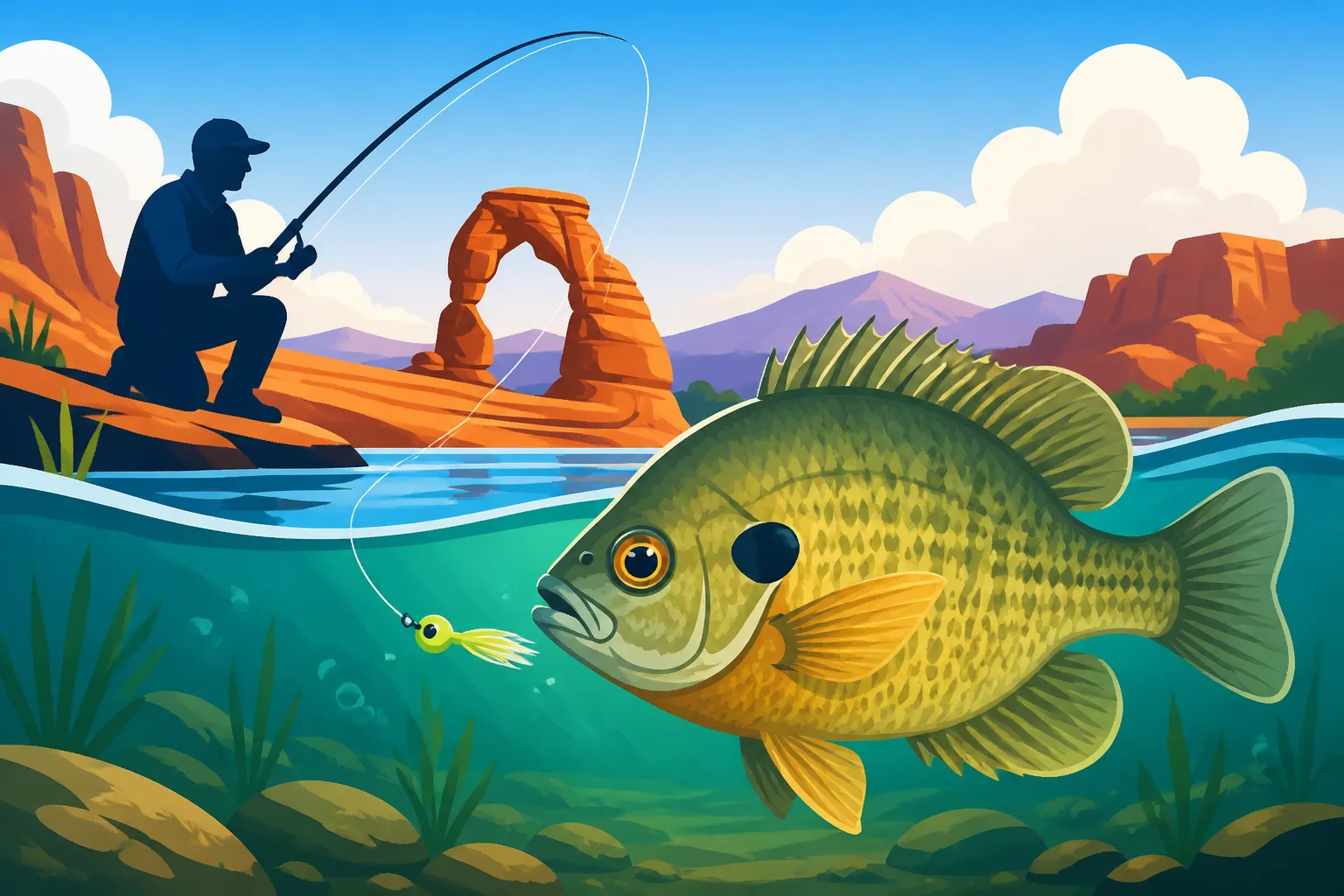
Bluegill are often the first fish many kids catch, and for good reason – they're aggressive and plentiful. They have that distinctive dark spot on their gill flap and a small mouth. Yellow perch are easily identified by their vertical stripes and yellowish-green bodies, and they're especially popular for ice fishing. Crappie, on the other hand, are known for their large dorsal fins and often have mottled patterns; they grow a bit larger than bluegill and perch, making them a fantastic catch. Many of these can be found in a variety of water bodies, from urban community ponds to large reservoirs.
Prime Panfish Habitats Across the State
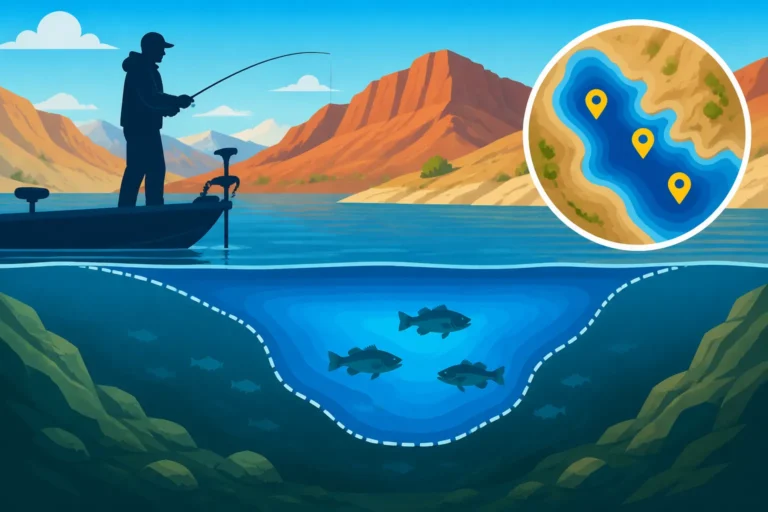
Panfish aren't too picky about where they live, as long as there's plenty of food and shelter. You'll find them in most of Utah's warmer, shallower waters, often congregating around structure. Think weed beds, submerged logs, rock piles, brush, docks, and even bridge pilings. These areas provide cover from predators and ambush points for their prey, which typically consists of insects, small crustaceans, and tiny baitfish.
In reservoirs like Utah Lake, Deer Creek, or Willard Bay, you'll often find panfish in the shallower coves and bays, especially where there's submerged vegetation or woody debris. For instance, areas around marinas or older submerged foundations can be absolute hotspots. Smaller community ponds, which are frequently stocked, are also phenomenal spots for panfish, often boasting thriving populations of bluegill and sunfish. You can often find great numbers of Yellow Perch in Utah Waters, especially in our larger reservoirs, where they tend to school up.
Identifying Key Panfish Species
Being able to quickly identify the panfish you've hooked is more than just trivia; it can help you understand their behavior and, importantly, ensure you're following any specific regulations for that species. While they share many characteristics, a few key differences will help you tell them apart instantly.
Bluegill have a small mouth, generally no teeth, and a dark spot on the "ear flap" (operculum). Their bodies are typically deep and compressed, and they can vary in color from dark olive to bluish-purple, often with darker vertical bars. Crappie have a more silver-colored, disc-shaped body with black speckles or blotches. Black crappie usually have seven or eight dorsal fin spines, while white crappie typically have five or six and a more uniform pattern of vertical bars. Yellow perch, as mentioned, are characterized by their golden-yellow sides with six to eight dark vertical bands and often reddish-orange fins. Knowing these features will help you appreciate the diversity of Utah's panfish offerings.
Essential Gear for Utah Panfishing
You don't need a boatload of expensive gear to have a fantastic day catching panfish in Utah. In fact, one of the beauties of panfishing is its accessibility. Light, simple tackle is often all you need, making it a perfect starting point for beginners or a relaxing change of pace for seasoned anglers. However, having the right basic setup can make all the difference between a few bites and a bucket full of fish.
Rods, Reels, and Line for Panfish
For panfish, finesse is generally the name of the game. You'll want a light action rod, ideally between 5 and 6.5 feet long. A "light" or "ultralight" power spinning rod is perfect because it allows you to feel those subtle bites and makes even small bluegill feel like trophy fish. Pair this with a small spinning reel (like a 500 or 1000 size) spooled with 2 to 4-pound test monofilament or fluorocarbon line. Monofilament is forgiving and great for beginners, while fluorocarbon offers less stretch and better sensitivity.
Many anglers even opt for tiny fly rods (2 or 3-weight) with small nymphs or poppers, especially if they enjoy the challenge of fly fishing for these smaller species. The key is balance – you want a setup that's light enough to cast small baits and detect light bites, but strong enough to handle a feisty perch or crappie. If you're wondering what kind of setup is good for a novice, our guide on What Gear Does a First-Time Utah Angler Need? offers some excellent foundational advice that applies well to panfishing. You can find a good selection of these ultralight combos on platforms like Amazon.
Baits and Lures That Panfish Can't Resist
Panfish are not overly picky eaters, which is another reason they're so fun to target. This means you have a wide array of options when it comes to bait and lures. For live bait, worms (nightcrawlers, red wigglers), mealworms, wax worms, and crickets are consistently effective. Small pieces of corn or even bread can work in some community ponds.
When it comes to artificial lures, think small! Tiny jigs (1/32 to 1/16 ounce) tipped with a small plastic grub, tube, or a piece of Gulp! bait are incredibly effective. Colors like chartreuse, white, pink, and black often produce well. Small spinners (like a Rooster Tail or Panther Martin, sizes 00 to 0) can also be deadly, especially for crappie and larger perch. Micro crankbaits or even tiny soft plastic swimbaits retrieved slowly can also tempt bigger panfish. Always carry a variety to see what they're biting on that day.
Terminal Tackle and Accessories
Beyond your rod and reel, a few essential items of terminal tackle will complete your panfishing kit. You'll definitely need an assortment of small hooks, typically sizes 6, 8, or 10, in both bait holder and Aberdeen styles. A small bobber is practically a requirement for visual bite detection and suspending your bait at the right depth; clip-on or slip bobbers both work wonderfully. Split shot sinkers, in various small sizes, will help get your bait down.
Don't forget a pair of small pliers or hemostats for hook removal, especially with smaller hooks and feisty fish. A small cooler with ice to keep your catch fresh if you plan on keeping them, and a stringer or a livewell bucket, are also great to have. For shore anglers, a comfortable chair and a small tackle box or bag to keep everything organized are always appreciated. Finding a good, portable tackle box on Amazon can be a game-changer for keeping your panfishing essentials in order.
Effective Techniques for Catching Panfish
Once you've got your gear sorted, it's time to talk tactics. Panfish might not be the smartest fish in the lake, but approaching them with a few proven techniques will significantly boost your catch rate. Whether you're a seasoned angler or just starting out, these methods are simple yet incredibly effective.
Bobber Fishing for Beginners and Beyond
The classic bobber and bait setup is probably the most iconic and effective method for panfish, especially for beginners or when fishing with kids. It's simple, visual, and requires minimal skill. To set up, simply tie on your hook, add a few small split shots above it (just enough to keep your bait down), and then attach a bobber about 1 to 3 feet above your hook, depending on the water depth and where you think the fish are holding.
Cast your rig near structure – weed lines, docks, submerged brush – and watch the bobber. When a panfish bites, that bobber will dance, dip, or disappear entirely. It’s an incredibly exciting way to fish! You can even adjust your depth if you're not getting bites; sometimes they're suspended shallower, sometimes deeper. Our guide on How to Fish With Bobber and Bait for Beginners provides a fantastic step-by-step breakdown that is perfectly suited for panfishing in Utah.
Jigging and Finesse Tactics for Active Panfish
When panfish are a bit more active, or you want to cover more water, jigging and finesse techniques can be incredibly productive. This involves using small jigs (as discussed in the gear section) and working them in a way that mimics small baitfish or insects. The trick is to impart subtle action without overdoing it.
Cast your jig near structure, let it sink to the desired depth, and then retrieve it with a slow, erratic motion. A popular technique is a "lift and drop" where you gently lift your rod tip a few inches and then let the jig fall on a slack line. Many bites occur on the fall, so watch your line for any twitch or stop. Tipping your jig with a small piece of live bait like a wax worm or a bit of PowerBait can make it even more enticing. This method is excellent for targeting crappie that often suspend in open water near schools of baitfish, or for yellow perch that might be hugging the bottom.
Shore, Kayak, and Boat Fishing Approaches
Panfish are accessible from just about any platform, which adds to their appeal.
-
Shore Fishing: Many community ponds, state park reservoirs, and even larger lakes offer ample shore access for panfishing. Look for areas with visible structure, like old timber, docks, or thick weed beds. Casting out a bobber rig or slowly retrieving a small spinner along the weed edge can be very effective. Moving along the bank and trying different spots until you find a school is often key when fishing from shore. You can find more comprehensive advice in our guide on How to Fish From Shore in Utah.
-
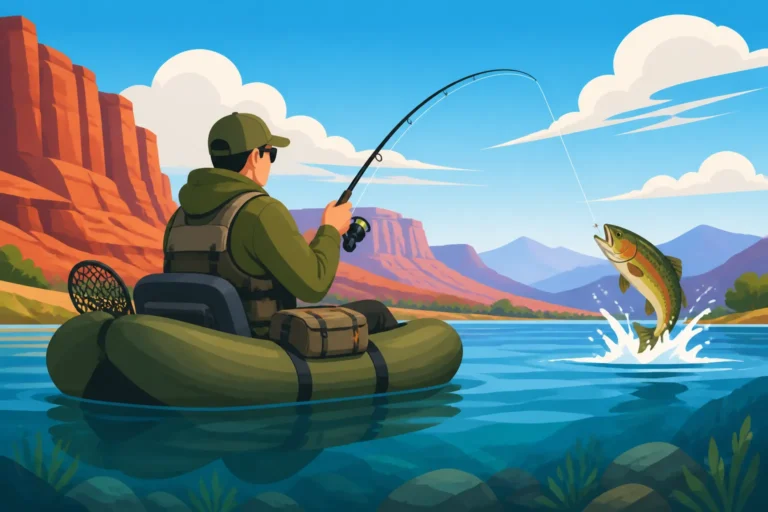
Kayak and Float Tube Fishing: For those who want to get away from the crowds and access harder-to-reach spots, kayaks and float tubes are fantastic for panfishing. These allow you to quietly paddle into shallow coves, along weed lines, and around submerged brush that bigger boats can't reach. The stealth of a kayak or float tube often allows you to get right on top of a school of panfish without spooking them. Drifting slowly while jigging or casting a bobber rig is a great way to cover water.
-
Boat Fishing: If you have a boat, whether it's a small jon boat or a larger multi-species rig, you can easily position yourself over prime panfish habitat. Using your fish finder to locate schools around structure or suspended crappie can be a huge advantage. Electric trolling motors allow for quiet approach and precise boat control, letting you pick apart an area without disturbing the fish. Trolling small jigs or spinners very slowly can also be effective for covering larger flats or weed edges.
Seasonal Strategies for Panfishing Success
Panfish, like most fish, change their behavior with the seasons, largely influenced by water temperature, spawning cycles, and available food. Understanding these seasonal shifts will help you adjust your tactics and find more success throughout the year in Utah.
Spring: Post-Spawn Feasts
Spring, particularly late spring as water temperatures begin to rise into the 50s and 60s Fahrenheit, is prime time for panfish. This is when species like bluegill and crappie move into the shallows to spawn. They'll be found in very accessible areas, often making beds near docks, submerged brush, or gravelly bottoms in just a few feet of water.
After the spawn, which can occur from late spring into early summer depending on the species and water body, panfish are often hungry and aggressive, actively feeding to recover their energy. This is a fantastic time for both live bait and small jigs. Look for them in shallow, warming bays and coves. The action can be fast and furious, making it an ideal time to take the family out. Many of our local Utah community ponds become bustling with activity during this period.
Summer: Deep Water and Early Morning Bites
As Utah's summer heats up and water temperatures soar, panfish will often retreat from the baking shallows to deeper, cooler water. You'll find them concentrating around deeper structures like submerged humps, rock piles, or channel edges, often at depths of 10-20 feet or more. However, they will still venture into shallower water during cooler periods, especially early mornings or late evenings, to feed.
During the day, focus on fishing vertically with small jigs or dropshot rigs in those deeper, structured areas. For early morning or evening sessions, try casting small topwater poppers or shallow-running crankbaits along the shady edges of weed lines or docks. This is when they're most comfortable feeding in shallower water. Keeping an eye on water temperature can really help you pinpoint where the fish are holding throughout the day.
Fall and Winter: Colder Water Opportunities
Don't hang up your panfish gear just because the leaves are changing or snow is falling! Fall can be an excellent time as water temperatures cool, and panfish become more active again, feeding heavily in preparation for winter. They'll often school up tighter in deeper areas, providing a fantastic opportunity to catch multiple fish once you find them. Look for them migrating towards main lake points or deeper structures where they can access both shallow and deep water.
Winter offers some of the best panfishing of the year through the ice, especially for yellow perch and crappie. Ice fishing for panfish is incredibly popular in Utah, particularly at places like Scofield Reservoir for perch, or Pineview Reservoir for crappie. Using small ice jigs tipped with a wax worm or mealworm, or even just tiny tungsten jigs, is the most effective method. You'll want to target similar deep structures or suspended schools you would in open water. Remember to prioritize safety and check ice thickness, and read up on our guide to How to Auger Through Utah Ice Safely before venturing out.
Common Challenges and Troubleshooting Tips
Even with the right gear and techniques, fishing can sometimes present its challenges. Panfish might be abundant, but they can still be finicky, hard to locate, or require a gentle touch. Knowing how to troubleshoot these common issues will help you turn a slow day into a successful one.
Dealing with Finicky Bites
Sometimes you'll see panfish on your fish finder or know they're in an area, but they're just not biting aggressively. This is often when finesse truly comes into play. If they're hitting your bait but not getting hooked, try going down a hook size. If they're just nibbling, switch to an even smaller jig or a more natural-looking live bait, like a single mealworm instead of a big piece of nightcrawler.
Sometimes, the retrieve speed is the key. If you're jigging, try slowing down your presentation dramatically, pausing longer between lifts, or even letting your bait sit perfectly still on the bottom. If using a bobber, try barely twitching your rod tip to give the bait a subtle movement. Water clarity can also play a role; in clear water, subtle, natural presentations are often more effective, while in murky water, scent and vibration become more important.
Finding Panfish in Large Bodies of Water
One of the biggest frustrations, especially on vast reservoirs, is simply locating the fish. Panfish often school, so finding one usually means finding many. Start by targeting known panfish hotspots – areas with abundant submerged vegetation, brush piles, fallen trees, or docks. If you have a fish finder, pay close attention to schools of baitfish, as panfish won't be far behind.
Don't be afraid to move around. If you've spent 20-30 minutes in a spot without a bite, relocate. Fan-casting to cover a wide area from a single spot can also help you pinpoint where the fish are holding. When fishing from a boat, trolling slowly along contour lines or weed edges can help you locate active schools. For shore anglers, walking the bank and trying different types of structure will increase your odds. Our article on How to Fish From Shore in Utah offers more context for those without boat access.
Releasing Panfish Responsibly
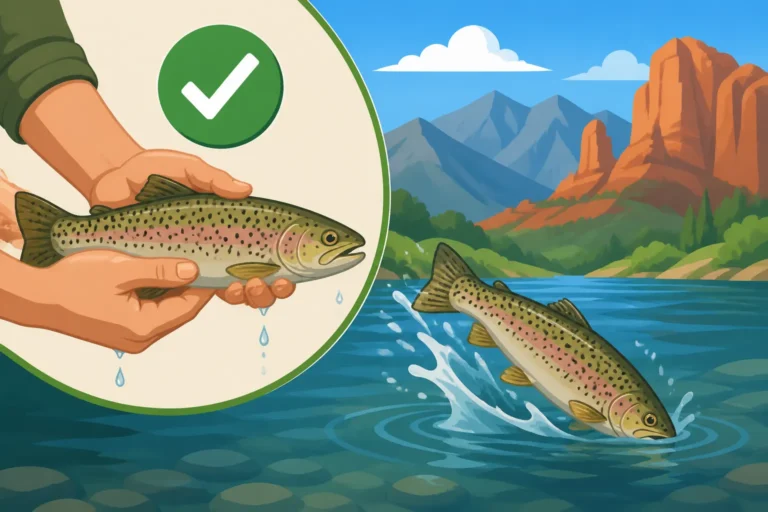
While many anglers keep panfish for their delicious fillets (and within legal limits, of course!), responsible catch-and-release is still important, especially for those larger crappie or perch that contribute to the fishery's overall health. If you plan to release fish, handle them as little as possible. Wet your hands before touching them to protect their protective slime coat.
Use a de-hooking tool or needle-nose pliers to gently remove the hook. If a fish is deeply hooked, especially in the gills, it's often best to cut the line as close to the hook as possible rather than trying to rip it out, which can cause more damage. For fish you're keeping, make sure you know the Utah Daily Bag and Possession Limits for panfish in your specific water body. Always ensure you're fishing within ethical guidelines to help sustain these fun fisheries for years to come.
Here's a quick reference for common panfish and some effective bait options:
| Panfish Species | Primary Habitat | Preferred Baits/Lures | Seasonal Notes |
|---|---|---|---|
| Bluegill | Shallow weed beds, docks, brush, timber | Worms, mealworms, wax worms, small jigs | Strong in spring/early summer, deep in heat |
| Yellow Perch | Drop-offs, humps, deeper weed lines, open water | Worms, mealworms, small jigs, small spoons | Excellent for ice fishing, schooling behavior |
| Crappie | Submerged brush, standing timber, deep cover | Small minnows, jigs (tubes, grubs), spinners | Spring spawn in shallows, suspend in open water |
| Green Sunfish | Rocky areas, sparse weeds, similar to bluegill | Worms, mealworms, small jigs, crickets | Often aggressive, found in many ponds and rivers |
Disclaimer
Please remember that fishing regulations, including licensing requirements, bag limits, and specific water body rules, can change. Always check the latest Utah Fishing Regulations Explained from the Utah Division of Wildlife Resources before heading out. This guide is for informational purposes only and does not supersede official regulations.