How to Fish Winter Tailwaters Below Flaming Gorge Dam
The idea of fishing in Utah during the deep chill of winter, especially on a world-renowned tailwater like the Green River below Flaming Gorge Dam, might seem daunting. The biting cold, the need for precise technique, and the seemingly uncooperative trout can make it feel like an impossible challenge. But let me tell you, the tranquility and sheer beauty of a winter day on the Green, coupled with the potential for truly spectacular fishing, make it an experience every angler should try. This guide will walk you through the unique aspects of winter tailwater fishing on the Green River, offering practical advice and strategies to help you succeed and stay comfortable, turning those chilly struggles into serene, memorable angling moments.
Why Winter Fishing on the Green River is Unique and Challenging
Winter fishing on the Green River isn't just "cold weather fishing"; it's an entirely different ballgame, shaped by the unique characteristics of a tailwater fishery. Unlike freestone rivers that see drastic temperature swings and flow changes, the Green River below Flaming Gorge Dam maintains a remarkably consistent environment, even when the rest of Utah is locked in ice.
Understanding Tailwater Dynamics in Winter
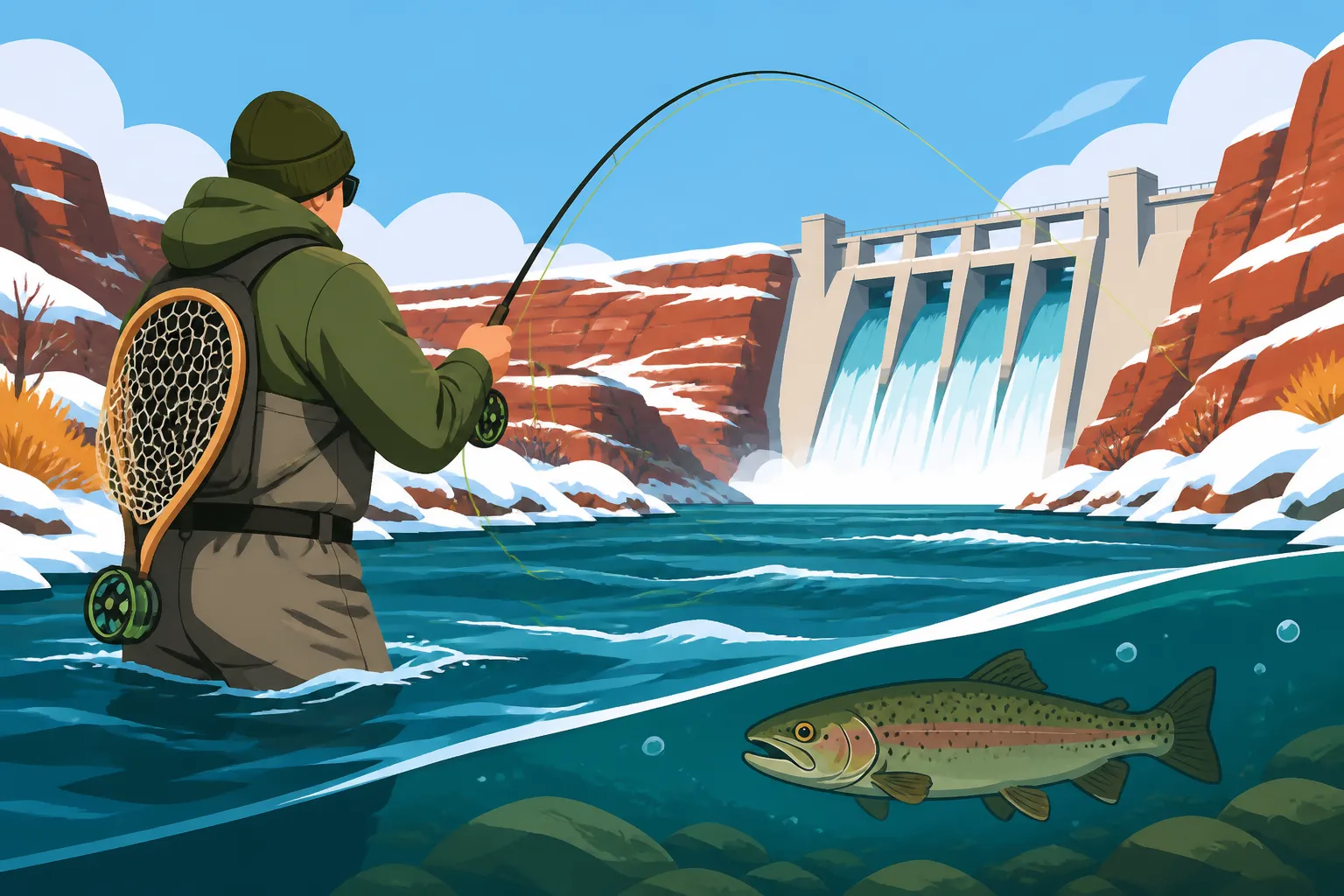
The Green River is a classic tailwater, meaning its flow and temperature are largely regulated by the Flaming Gorge Dam. This is a huge advantage in winter because the water released from the bottom of the dam maintains a constant, albeit cold, temperature of around 40-50 degrees Fahrenheit year-round. While this is chilly for us, it's actually quite stable for the aquatic insects and fish that call it home, preventing the drastic freezes and thaws that can shut down other rivers.
However, this stability also means the fish are accustomed to a specific, often abundant, diet of smaller, cold-tolerant insects like midges and scuds. They don't have to chase down large meals to survive; instead, they become more selective and less willing to move far for food. The consistent flows also mean there are fewer drastic changes in water levels, allowing fish to settle into predictable holding patterns, but also requiring anglers to find those patterns. For a deeper dive into the overall rules, you might find our guide on Utah Fishing Regulations Explained helpful.
The Behavior of Winter Trout
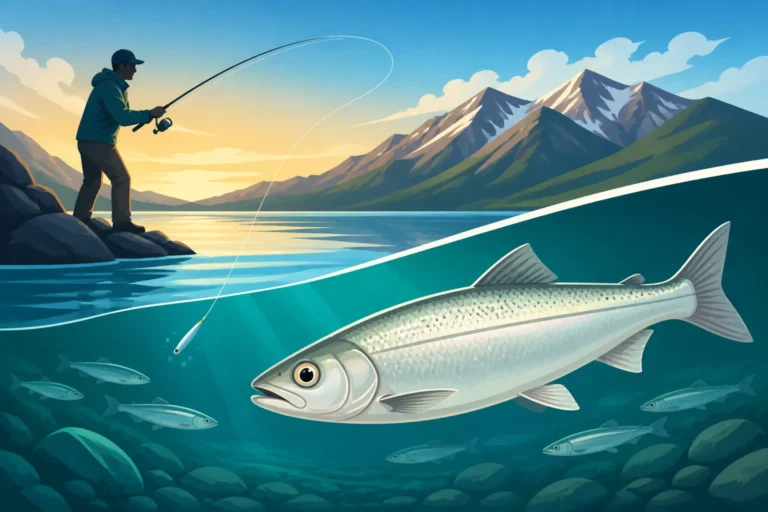
Trout are cold-blooded creatures, and their metabolism slows significantly in colder water. This means they're not as active, they don't expend as much energy, and they certainly don't chase after food with the same enthusiasm they might in spring or fall. Instead, winter trout on the Green River become energy conservation experts.
They'll seek out slower, deeper water where they can expend minimal effort to hold their position against the current. You won't find them darting across riffles or holding in fast seams nearly as often. They're often stacked up in the deepest, slowest pools, behind large boulders, or along gentle current breaks where food can drift directly into their strike zone with minimal effort on their part. Their bites will also be incredibly subtle, sometimes feeling like nothing more than a slight tick or an unexpected stop in your drift, demanding keen attention from the angler.
Essential Gear for Cold Weather Green River Angling
Facing the biting cold of a Utah winter on the Green River demands meticulous preparation, especially when it comes to your gear. Comfort and safety are paramount, and the right equipment can make the difference between a miserable day and a magical one.
Winter Wading Gear and Layering Strategies
Staying warm and dry is non-negotiable. Forget your lightweight summer waders; for winter on the Green, you'll want durable, well-insulated waders. Many anglers opt for neoprene waders for their superior thermal properties, or a good pair of breathable waders with plenty of room for layering underneath. I personally prefer breathable waders for the flexibility they offer in layering.
Underneath, think in layers: a moisture-wicking base layer (merino wool or synthetic are excellent choices), a fleece mid-layer, and then potentially another insulating layer like down or synthetic fill, especially on truly frigid days. Don't forget insulated wading boots a size larger than your street shoe to accommodate thick wool socks without constricting your feet, which would lead to cold toes. A warm, waterproof outer jacket is crucial, as are a good wool or fleece hat that covers your ears and warm gloves. Many anglers swear by fingerless gloves for dexterity, keeping a pair of thicker, waterproof mittens or shell gloves handy for when you're not actively fishing. Small hand warmers, which you can easily find on Amazon or at any sporting goods store, are absolute lifesavers tucked into your gloves or waders. You can find more comprehensive advice in our guide on Best Waders for Cold Provo River Water, which shares many transferable principles for winter wading.
Rods, Reels, and Line for Winter Conditions
When it comes to your rod and reel setup, precision and sensitivity are key. A medium-action fly rod, typically in the 4 to 6-weight range, is ideal. The slightly softer action will help protect light tippets when a feisty trout makes a run, and it provides a bit more feel for those subtle winter takes. Fast-action rods can be harder to load with light rigs and delicate presentations in winter.
Your reel should be reliable and matched to your rod, primarily serving as a line holder since most winter fights will be handled by stripping line. For line, a weight-forward floating line is standard. The real trick is your leader and tippet: long, thin fluorocarbon leaders (9-12 feet) with 5X or even 6X fluorocarbon tippet are often necessary. Fluorocarbon is less visible in clear water and sinks faster, helping your flies get down to where the fish are holding. Be mindful of ice forming on your rod guides – a common winter frustration – and carry some lip balm or guide grease to help prevent it.
The Winter Fly Box: Must-Have Patterns
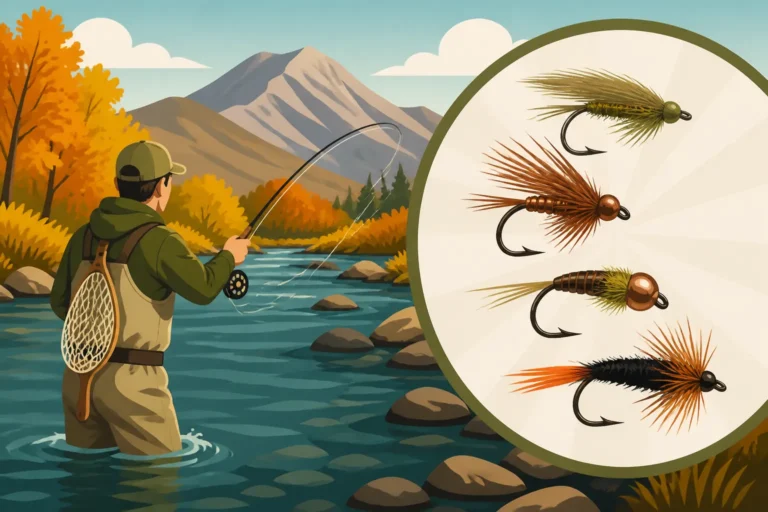
Winter fly fishing on the Green River is all about small, subtle, and realistic imitations. While some rivers might still have a sporadic dry fly hatch, the Green River in winter is almost exclusively a nymphing game. The aquatic insects that thrive in the consistent cold water are primarily midges (chironomids), tiny mayflies, and various crustaceans like scuds and sowbugs.
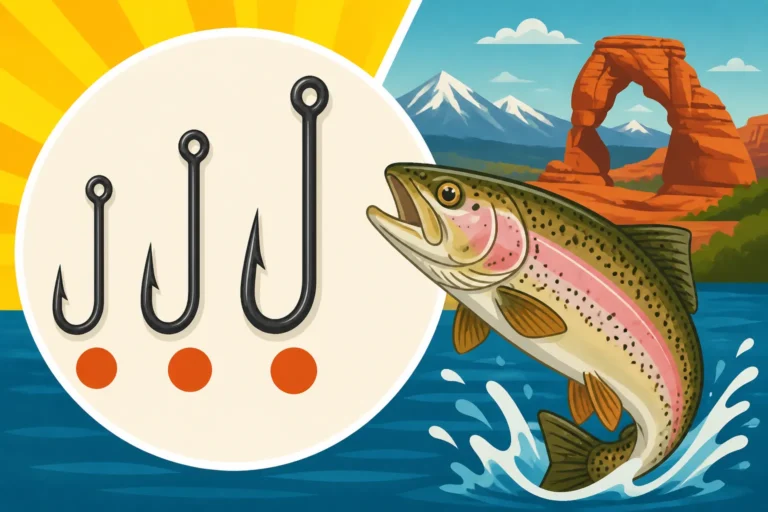
Your winter fly box should be heavily stocked with a variety of midge patterns in sizes #18-#24, in colors like black, red, olive, and cream. Think Zebra Midges, Mercury Midges, Miracle Nymphs, and JuJuBe Midges. Scuds and sowbugs in olive, grey, and tan, sizes #14-#18, are also incredibly effective, as are small pheasant tail nymphs, WD-40s, and Rainbow Warriors. While less common, don't completely discount smaller streamer patterns, especially on warmer days or after a cloudy spell, to tempt larger brown trout. For general insights into choosing the right patterns, check out our Best Flies for Utah Trout Streams article.
Winter Fly Fishing Techniques for Green River Trout
Winter fly fishing on the Green River requires a slow, deliberate, and often nuanced approach. The frantic splashes and aggressive strikes of summer are replaced by gentle tugs and subtle shifts, demanding a higher level of concentration and finesse.
Mastering Nymphing in Cold Water
Nymphing is, without a doubt, the most effective technique for winter trout on the Green River. Trout are typically holding deep and tight to the bottom, conserving energy, so your primary goal is to get your flies down to them and present a natural, dead-drift. Indicator nymphing is common, using a small, sensitive indicator to detect the slightest take. Rigging two or three small nymph patterns, spaced about 12-18 inches apart, with adequate weight (split shot placed above the first fly, but still far enough from the indicator to get depth) is the standard setup.
However, many experienced winter anglers on the Green also swear by tight-line nymphing, sometimes called Euro nymphing. This technique involves using a long leader without an indicator, maintaining direct contact with your flies, and feeling for strikes. It allows for incredibly precise depth control and detection of ultra-subtle takes. Whatever method you choose, focusing on a long, drag-free drift is critical. Cast upstream and allow your flies to sink, mending your line only as necessary to prevent drag, letting the current carry your flies naturally through the fish's feeding lane.
Slow and Deep: The Art of Streamer Fishing
While nymphing dominates, don't completely abandon streamer fishing in winter. Larger brown trout, especially, might still be willing to ambush a larger meal, particularly during the warmest part of the day, on overcast days, or when the water has a touch of color. The key difference from summer streamer fishing is the retrieve: it needs to be much, much slower.
Think slow strips, long pauses, and letting the streamer sink deep between movements. Patterns like sculpzillas, woolly buggers, or small zonkers in olive, black, or brown can be effective. Focus on probing deep pools, undercut banks, and around large structure where bigger fish might be hiding. The goal isn't to provoke a chase, but to present an easy, vulnerable meal directly to a fish's face. For specific tips on this technique, our guide on How to Fish a Streamer for Brown Trout in Utah provides excellent foundational knowledge.
Reading the Water for Winter Lies
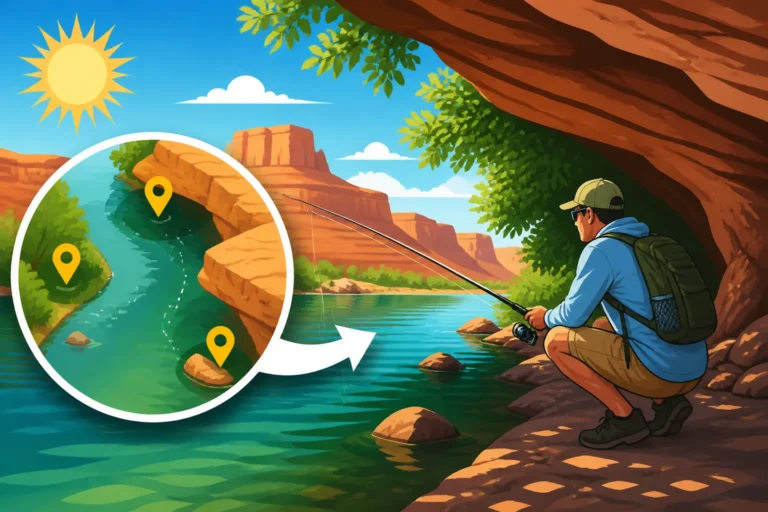
Understanding where winter trout hold is paramount to success. As mentioned, their metabolic rate is low, so they're looking for comfort and ease. This translates to slower currents and deeper water. Avoid fast riffles and shallow runs; these areas demand too much energy from the fish.
Instead, concentrate on the slower inside bends of the river, the tailouts of deep pools, and the seams created by current breaks, like large rocks or submerged logs. Trout will often stack up in these areas, particularly near the very bottom. Look for depressions in the riverbed or any feature that provides a slight buffer from the main current. A good indicator that you're in the right type of water is if your flies are consistently tickling the bottom without getting hung up too often – this means you're at the right depth and in a slower current where fish prefer to hold. Paying attention to these subtle clues will drastically increase your chances of finding fish. For more general advice on trout habits, our Utah Trout Fishing Tips can be very helpful.
Strategic Bait and Lure Fishing for Green River Winter Success
While the Green River is primarily known as a fly-fishing destination, and specific regulations regarding bait and lures can vary by section and time of year, it's worth understanding the principles if you prefer spin fishing or are in a section where it's permitted. Always double-check current Utah Fishing Regulations Explained before heading out, as the Green River's A, B, and C sections have varying rules.
Bait and Spin Fishing Considerations
If bait fishing is allowed in the specific section you're targeting, the same principles of subtle presentation and getting to the fish's depth apply. Small pieces of natural bait like worms or PowerBait can be effective, but remember that fish are less aggressive. A small split shot a foot or two above a #10 or #12 hook, drifted naturally through a deep, slow pool, is often more productive than a heavy weight that anchors your bait.
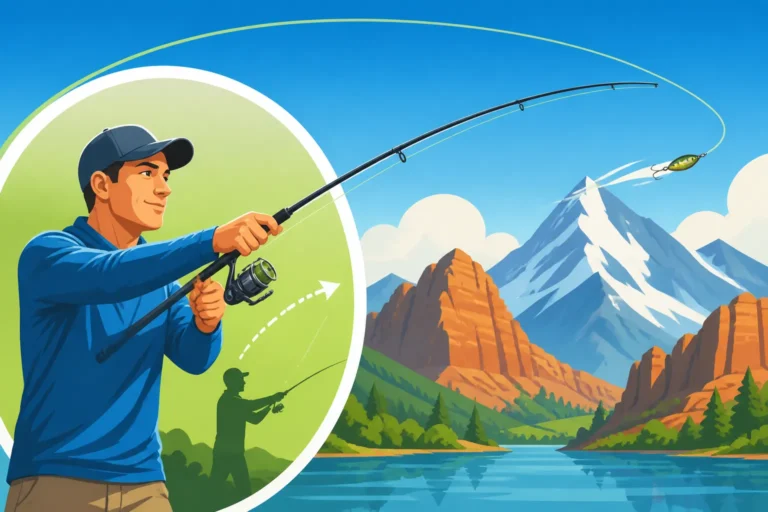
For spin fishing, very small jigs (1/32 to 1/16 ounce) tipped with a small plastic grub or even a tiny piece of bait can work wonders. The key is to impart very subtle action – slow twitches, long pauses, and letting the current do most of the work. Small, dark-colored spinners or spoons might also tempt a strike, but again, a very slow retrieve is essential. These techniques require patience, as the bites will be light. You can find a good selection of small jigs and bait accessories on Amazon.
The Importance of Stealth and Presentation
Regardless of whether you're fly fishing, bait fishing, or spin fishing, stealth is paramount on the Green River in winter. The water is often crystal clear, and the lack of foliage on the banks means fish can be easily spooked by shadows, bright clothing, or heavy footsteps. Approach likely holding water quietly and from a low angle.
Your presentation should be as delicate and natural as possible. For fly anglers, this means soft landings of your indicator and flies, and meticulous mending to ensure a drag-free drift. For spin anglers, it means smooth, controlled casts that don't splash loudly upon entry and a retrieve that mimics a natural food item drifting with the current, rather than a frantic chase. Long leaders and light line (4-6 lb test for spin fishing) are just as important here as they are in fly fishing to avoid spooking wary winter trout.
Navigating the Green River's Sections in Winter
The Green River below Flaming Gorge Dam is typically divided into three distinct sections (A, B, and C), each offering a slightly different experience, especially during the winter months. Understanding these differences can help you plan your trip for optimal success and solitude.
A Section: The Most Popular Stretch
The A Section of the Green River extends from the base of Flaming Gorge Dam down to Little Hole. This is by far the most accessible and heavily fished section, known for its incredibly high fish count per mile. In winter, its popularity doesn't entirely wane, but the fishing pressure does decrease significantly compared to the peak seasons.
The A Section is characterized by relatively consistent flows, numerous riffles, runs, and deep pools, all packed with healthy rainbow and brown trout. Its accessibility makes it a favorite for those who prefer walk-wading, especially around the dam, the Spillway, and the Little Hole area. However, the high fish density also means the trout can be highly educated and prone to spooking, especially on bright, clear winter days. Success here often comes down to precise presentations and ultra-light tippets. While still offering great fishing, you're less likely to find complete solitude here even in winter. Consider reviewing our Utah Fishing Regulations Explained for any specific rules tied to this popular section.
B and C Sections: Seeking Solitude and Larger Fish
As you move downstream into the B Section (Little Hole to Indian Crossing) and especially the C Section (Indian Crossing to Swett Ranch), the river takes on a more remote feel. Access becomes more challenging, often requiring a drift boat or raft, and the number of anglers you'll encounter drops dramatically. This is where winter truly shines for those seeking peace and the potential for larger, less pressured fish.
The B and C Sections offer a different character, with broader bends, slower flows in many areas, and larger, deeper pools that can hold some truly impressive brown trout. The fish here may not be as numerous as in the A Section, but they often average a larger size and can be less wary due to reduced pressure. However, the trade-off is the logistics. You'll need to be prepared for longer days on the water, potential encounters with ice on the riverbanks or even slush in the slowest sections, and the need for more self-sufficiency. Float trips in winter demand extra safety precautions, including knowledge of river hazards and swift access to emergency gear. For those equipped and willing to brave the elements, these downstream sections can offer some of the most rewarding and solitary winter angling experiences on the Green River.
Safety and Etiquette for Cold Weather Angling
Winter fishing on the Green River is an incredible experience, but it comes with inherent risks due to the cold environment. Prioritizing safety and practicing good etiquette are crucial for an enjoyable and responsible trip.
Prioritizing Hypothermia Prevention and Cold Weather Preparedness
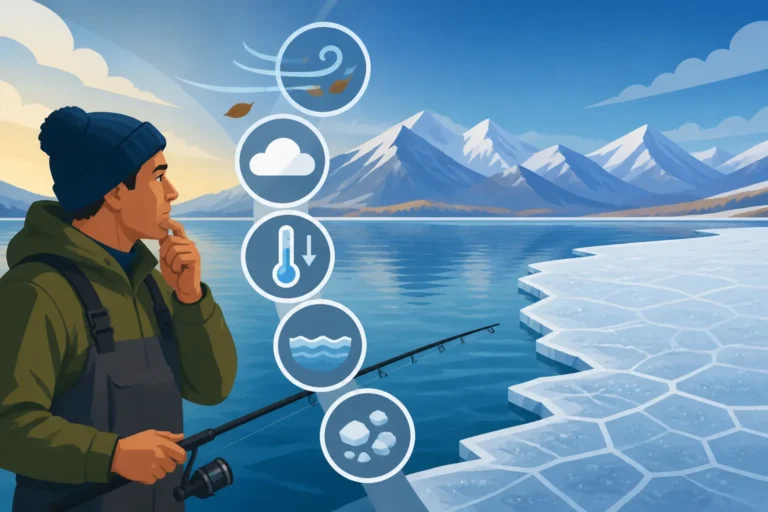
Hypothermia is a serious concern in winter, and it can set in faster than you think, especially if you get wet. Proper layering, as discussed earlier, is your first line of defense. Always wear more layers than you think you'll need, as you can always shed them. Pack extra dry clothes, including socks and base layers, in a waterproof bag. It's also wise to bring a thermos of hot coffee, tea, or soup; warm fluids help maintain core body temperature.
Beyond clothing, tell someone where you're going and when you expect to return. Consider carrying a small first-aid kit, a whistle, and a fire-starting kit in case of an emergency. If you're fishing alone, be extra cautious about wading deep or in swift currents, as a fall into freezing water can be life-threatening. A wading staff can provide extra stability. Many excellent cold weather essentials, from insulated gloves to portable power banks, can be found readily on Amazon, ensuring you're fully equipped.
Respecting the Resource and Fellow Anglers
The Green River is a precious resource, and winter fishing demands an even higher level of respect for the fish and the environment. Most winter angling on the Green is catch-and-release, especially for the larger trout. Cold water puts stress on fish, so minimize handling time, keep them in the water as much as possible, and use a net to cradle them gently. Our guide on How to Release a Fish Without Hurting It in Utah offers excellent advice on proper fish handling.
Additionally, even though winter brings fewer anglers, maintaining proper river etiquette is still important. Give other anglers plenty of space. If you see someone fishing a spot, move well upstream or downstream. Be mindful of your noise levels and don't wade through areas where others are actively fishing, as this can spook fish. The solitude of winter fishing is part of its appeal, and respecting others' experiences helps maintain that peaceful atmosphere. By being prepared, safe, and respectful, you contribute to a positive experience for everyone on the magnificent Green River.
| Green River Section | Primary Characteristics | Winter Accessibility | Typical Fish Size | Solitude in Winter |
|---|---|---|---|---|
| A Section | High fish density, varied water, easy access points | Best for walk-wading, high angler presence | Medium to Large Trout | Moderate to Low |
| B Section | More remote, longer runs, boat access primarily | Requires drift boat/raft, fewer anglers | Larger Trout | Moderate |
| C Section | Most remote, slower flows, long floats | Requires drift boat/raft, very few anglers | Trophy-sized Trout | High |
Disclaimer
Please remember that fishing regulations, conditions, and fish behavior can change. Always consult the latest Utah Division of Wildlife Resources (UDWR) regulations before heading out. Safety should be your number one priority, especially when fishing in cold weather. This guide is for informational purposes only and does not constitute professional advice.