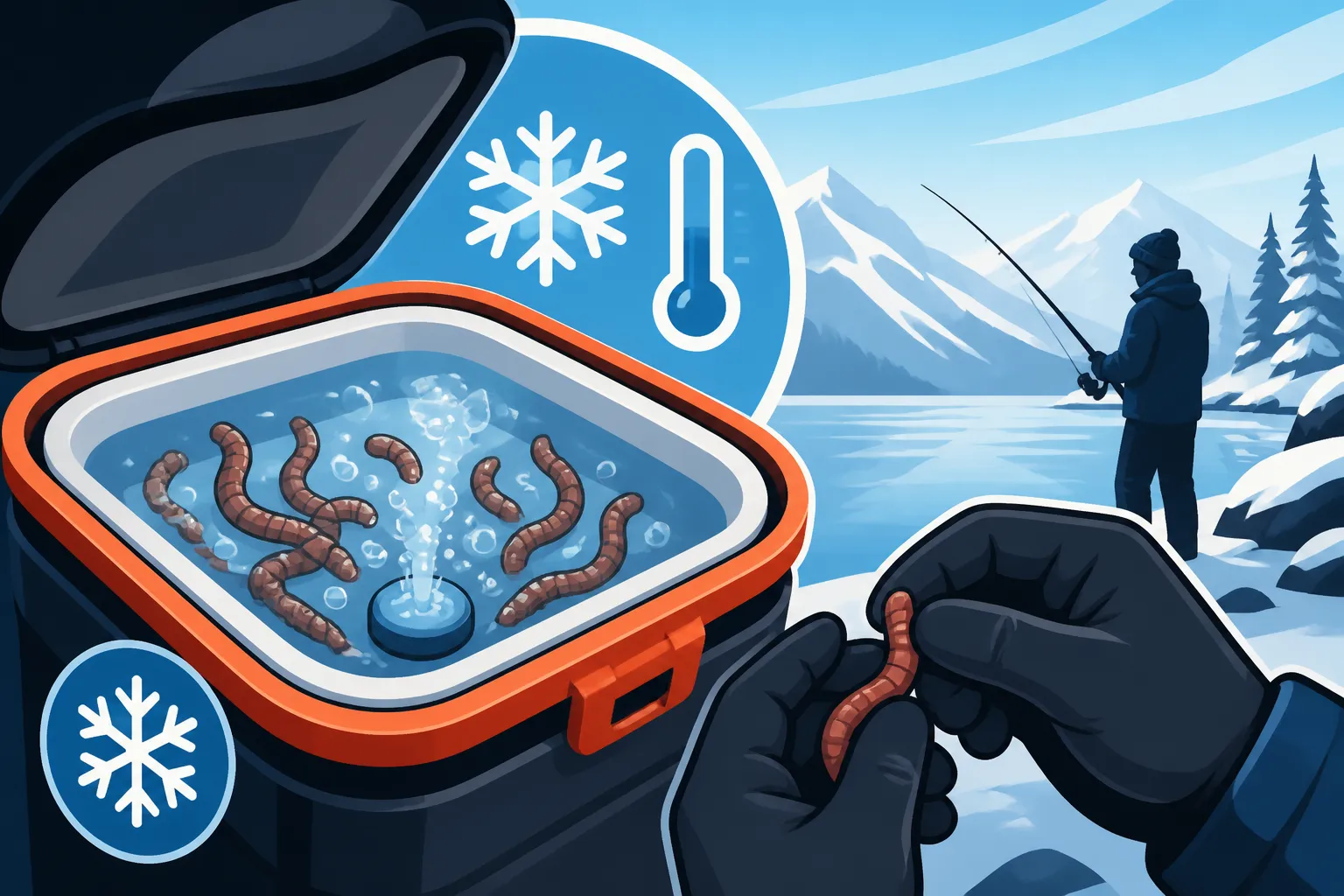
How to Keep Bait Alive in Cold Weather
There's nothing quite as frustrating as heading out for a glorious day of winter fishing in Utah, only to find your precious bait has turned into a frozen, lifeless lump before you've even wet a line. Those tiny critters that are supposed to entice a bite simply can't survive the freezing temperatures we often encounter, leaving you high and dry. This comprehensive guide will walk you through proven strategies and essential gear to ensure your live bait stays lively and ready to fish, even when the thermometer plummets.
Understanding Why Bait Perishes in the Cold
Before we dive into solutions, let's understand the core problem: why does your carefully chosen bait give up the ghost when the mercury drops? It's not just about freezing solid, though that's certainly a major factor. Several physiological processes in live bait are negatively impacted by extreme cold, leading to their demise.
The Impact of Freezing Temperatures
The most obvious culprit is freezing. Just like any living organism, the water inside bait's cells will turn to ice crystals when temperatures drop low enough. These sharp crystals literally puncture and destroy cell walls, causing irreversible damage to tissues and organs. Once frozen, bait cannot be revived, and its natural scent and movement, which are crucial attractants for fish, are completely lost. A frozen minnow or a stiff nightcrawler simply isn't going to get much attention from a hungry trout.
Beyond the direct freezing, even prolonged exposure to near-freezing temperatures can be lethal. Metabolism slows dramatically, reducing oxygen uptake and energy production. This can lead to a state of shock or hypothermia, where the bait can no longer function, even if it hasn't technically frozen solid. Think of it like us trying to brave a blizzard without proper gear – we might not freeze instantly, but we'd quickly become incapacitated.
Oxygen Deprivation in Cold Water
Another often-overlooked factor, especially for aquatic bait like minnows, is oxygen deprivation. While cold water can hold more dissolved oxygen than warm water, the surface can quickly freeze over, effectively sealing off the water from atmospheric oxygen exchange. If your minnow bucket develops a layer of ice, the minnows inside are essentially suffocating, even if the water below isn't completely frozen.
Even without a solid ice layer, if the water is stagnant and incredibly cold, the minnows' metabolic processes slow down, but they still require a baseline level of oxygen. If the oxygen levels deplete and aren't replenished, they will become lethargic, stressed, and eventually perish. This is a common issue for anglers using un-aerated bait buckets left out in the open on a frigid Utah morning.
Essential Gear for Keeping Bait Alive
Having the right equipment is absolutely crucial for maintaining bait vitality in cold weather. It's not just about having a bucket; it's about having the right kind of bucket and complementary tools designed to combat the cold. Investing a little upfront can save you a lot of hassle and lost bait during those chilly winter outings.
Insulated Bait Containers
Forget your standard plastic bucket when ice fishing or bank fishing in winter. What you need is an insulated bait container. These are designed with double walls, often filled with foam or air, to create a thermal barrier between the frigid outside air and the interior where your bait resides. Think of it like a high-performance cooler, but for your minnows or worms.
Many popular models, like those from Frabill or Engel, are readily available on platforms like Amazon. They come in various sizes, from small worm containers to larger minnow buckets. Some even feature integrated aerators, which brings us to the next critical piece of gear. These containers drastically slow down heat transfer, keeping the water inside from freezing quickly and insulating your terrestrial baits from ambient cold. When preparing for your trip, consider what size and capacity you'll need; a larger bucket offers more thermal mass (more water to keep warm).
Portable Aerators and Heaters
For minnows, an insulated container is only half the battle; you also need to ensure they have enough oxygen. That's where a portable aerator comes in. These battery-operated devices sit on the rim of your bait bucket, dropping an air stone into the water to create a steady stream of bubbles. This process continuously replenishes the dissolved oxygen in the water, keeping your minnows lively and energetic.
While less common, some specialized bait buckets and systems also incorporate small, battery-operated heaters. These are designed to keep the water temperature just above freezing, providing an ideal environment for minnows. However, you need to be careful not to overheat the water, as that can also stress and kill the bait. For most Utah winter fishing, a good insulated bucket combined with a reliable aerator should be sufficient. When looking at aerators, check for long battery life, especially if you plan on extended trips or overnight excursions.
Specialized Worm and Maggot Containers
Different bait types have different needs. While minnows require water and aeration, worms and maggots need a substrate and protection from freezing. Specialized worm containers are often smaller, insulated boxes with breathable lids or vents. They usually come packed with a bedding material like peat moss, shredded newspaper, or commercially available "worm dirt" which provides moisture, aeration, and a place for the worms to burrow.
For maggots, smaller, well-ventilated plastic containers are typically used. The key is to keep them cool but not frozen, and to prevent condensation buildup, which can drown them or cause premature pupation. Many anglers will keep these containers inside a larger, insulated bag or cooler, perhaps with a hand warmer placed outside the bait container (never directly inside) to provide a gentle, ambient warmth without cooking them. You can find excellent options for these on Amazon as well, often in multi-packs for convenience.
| Bait Type | Primary Cold Weather Need | Recommended Gear | Key Considerations |
|---|---|---|---|
| Minnows | Oxygen & Non-Freezing Water | Insulated Bait Bucket, Portable Aerator, Optional Heater | Avoid overcrowding, regular water changes |
| Nightcrawlers | Moist, Non-Freezing Bedding | Insulated Worm Box, Proper Bedding | Keep bedding moist but not soggy, avoid direct ice contact |
| Mealworms/Waxworms | Cool, Dry, Non-Freezing Conditions | Ventilated Container, Sawdust/Bran Bedding, Insulated Pouch | Avoid excessive moisture, check for condensation |
| Leeches | Cool, Clean, Non-Freezing Water | Clean Water, Cooler with Ice Pack (or keep just above freezing) | Change water frequently, no chlorine, avoid overcrowding |
Specific Strategies for Different Bait Types
Keeping bait alive isn't a one-size-fits-all endeavor. Different species have unique requirements that demand tailored approaches, especially when battling the cold.
Keeping Minnows Active and Healthy
Minnows are a favorite for many game fish, especially for targeting larger trout or walleye, but they are also notoriously delicate in the cold. Beyond an insulated bucket and aerator, the quality of their water is paramount. Always start with fresh, clean water, preferably from the same body of water you'll be fishing, if possible. Avoid tap water with chlorine, which can kill minnows.
Regularly check the water temperature. If it's getting too cold (close to freezing), consider swapping out a portion of the water with slightly warmer (but not hot) water you've kept in a thermos or bringing the bucket inside your shelter periodically. Overcrowding is another silent killer; too many minnows in a small bucket quickly deplete oxygen and foul the water with waste. A good rule of thumb is about a dozen minnows per gallon of water in an aerated bucket. You might also want to check out some specific tips on Best Bait Bucket to Keep Minnows Alive in Cold Weather for more detailed advice on selecting the right setup.
Preserving Worms and Maggots
For terrestrial baits like nightcrawlers, mealworms, and wax worms, the strategy shifts. They don't need water, but they do need a hospitable bedding and insulation from the bitter cold. Nightcrawlers thrive in a cool, dark, moist environment with plenty of bedding material like peat moss or shredded newspaper. Place them in an insulated worm box and keep this box within a larger cooler or even a small tackle box that's inside your ice fishing shelter or a warm vehicle.
Mealworms and wax worms are even hardier, but still succumb to freezing. They usually come in containers with bedding like oat bran or wood shavings. Keep these containers within a larger insulated bag or box. A common trick is to wrap the small bait container in a towel or place it inside a zippered pouch, then tuck a chemical hand warmer next to it (not directly touching the bait) inside the insulated outer container. This provides just enough ambient warmth to keep them active without overheating them. Remember to air them out occasionally to prevent moisture buildup.
Handling Leeches in Winter
Leeches, while not as commonly used in Utah winter fishing as minnows or worms, are incredibly effective for certain species. They are surprisingly resilient but still need care in the cold. The key to keeping leeches alive is clean, cool water. Store them in a container of fresh water, changing it every day or two. Like minnows, avoid chlorinated tap water.
In cold weather, a simple insulated cooler with fresh water will usually suffice. You don't want the water to freeze, but you also don't want it warm. A constant temperature just above freezing is ideal. If you're out on the ice, keep the leech container tucked inside your ice fishing shelter or wrapped in a blanket to prevent it from freezing over. It's often helpful to keep them in a dark container as well, as they prefer low light.
On-the-Water Tactics for Extreme Cold
Even with the best gear, the unforgiving cold can still pose challenges. Having a few on-the-water tactics up your sleeve can make all the difference in keeping your bait viable throughout your fishing trip, whether you're out on the ice at Strawberry Reservoir or casting along the Green River.
Protecting Bait in Your Ice Fishing Shelter
If you're ice fishing, your shelter is your best friend for both you and your bait. When setting up your Best Ice Fishing Shelter for Utah Winters, designate a warm spot for your bait. Many shelters have built-in shelves or pockets where you can place your insulated bait bucket or worm container. If you're using a portable heater in your shelter, the ambient warmth will naturally help maintain your bait's temperature. Just be sure to keep the bait far enough away from direct heat sources to prevent overheating or drying out.
For minnows, periodically check for ice forming on the surface of your bucket. Even with an aerator, if the outside air is brutally cold, a thin layer of ice can still form. Gently break this ice away to ensure oxygen exchange. You might even consider having a small, secondary insulated container that you can keep inside your jacket for a few minutes to give your minnows a "warm-up" break, rotating them if necessary. For those longer days out, you might want to review our guide on How to Stay Warm Ice Fishing in Utah to ensure you're as comfortable as your bait.
Managing Bait on Shore or from a Boat
Shore anglers and boaters face different challenges but the same fundamental goal. When fishing from shore in cold weather, keep your bait bucket or worm container off the frozen ground if possible. A piece of foam, a thick towel, or even a small overturned bucket can create a vital insulating barrier. If you're fishing from a boat, store your bait in a covered, insulated compartment or under a seat, away from the direct wind and spray.
For minnows, if you don't have an aerator, make sure to swirl the water regularly to introduce oxygen. Even better, bring an aerator; they are compact and invaluable. For worms and maggots, keep their containers inside a larger cooler, or even a backpack, close to your body heat or wrapped in a blanket. The key is to minimize their direct exposure to the cold, biting wind and freezing air. When packing your gear, consider how you'll keep everything, including your bait, protected. A well-planned tackle setup, as discussed in Utah Fishing Gear Guide, includes considerations for bait.
Emergency Cold Weather Bait Preservation
Sometimes, despite your best efforts, the cold can get the upper hand. In an emergency, or if you find your bait getting sluggish, you might need to improvise. For minnows, if the water is starting to freeze, consider adding a small amount of non-iodized salt (like rock salt or canning salt) to the water. A tiny pinch can slightly lower the freezing point of the water, buying you a little more time. However, use this sparingly, as too much salt can harm the fish.
For worms and maggots that are becoming lethargic, getting them into a slightly warmer environment is key. This might mean tucking their container into an inner pocket of your jacket, wrapping it in a spare hat, or even momentarily putting it under the dashboard heater in your vehicle. The goal is a gentle warm-up, not a sudden shock. Having a thermos of warm (not hot) water on hand can also be a lifesaver; you can use it to warm a small amount of bait water or just to warm your hands. Remember to also check How to Keep Bait Alive in Cold Weather for additional quick tips.
When you're out there tackling the elements, remember that caring for your bait is just as important as choosing the right lure or understanding the best Utah Fishing Season Dates and Limits. A little extra effort in bait preservation can lead to a much more successful and enjoyable day on the water.
Disclaimer
The information provided in this guide is for general informational purposes only and is not a substitute for official regulations or professional advice. Fishing regulations, conditions, and best practices can change rapidly. Always consult the most current Utah Division of Wildlife Resources (DWR) regulations before any fishing trip. The author and publisher are not responsible for any outcomes or consequences resulting from the use of this information.