How to Troll for Kokanee in Utah
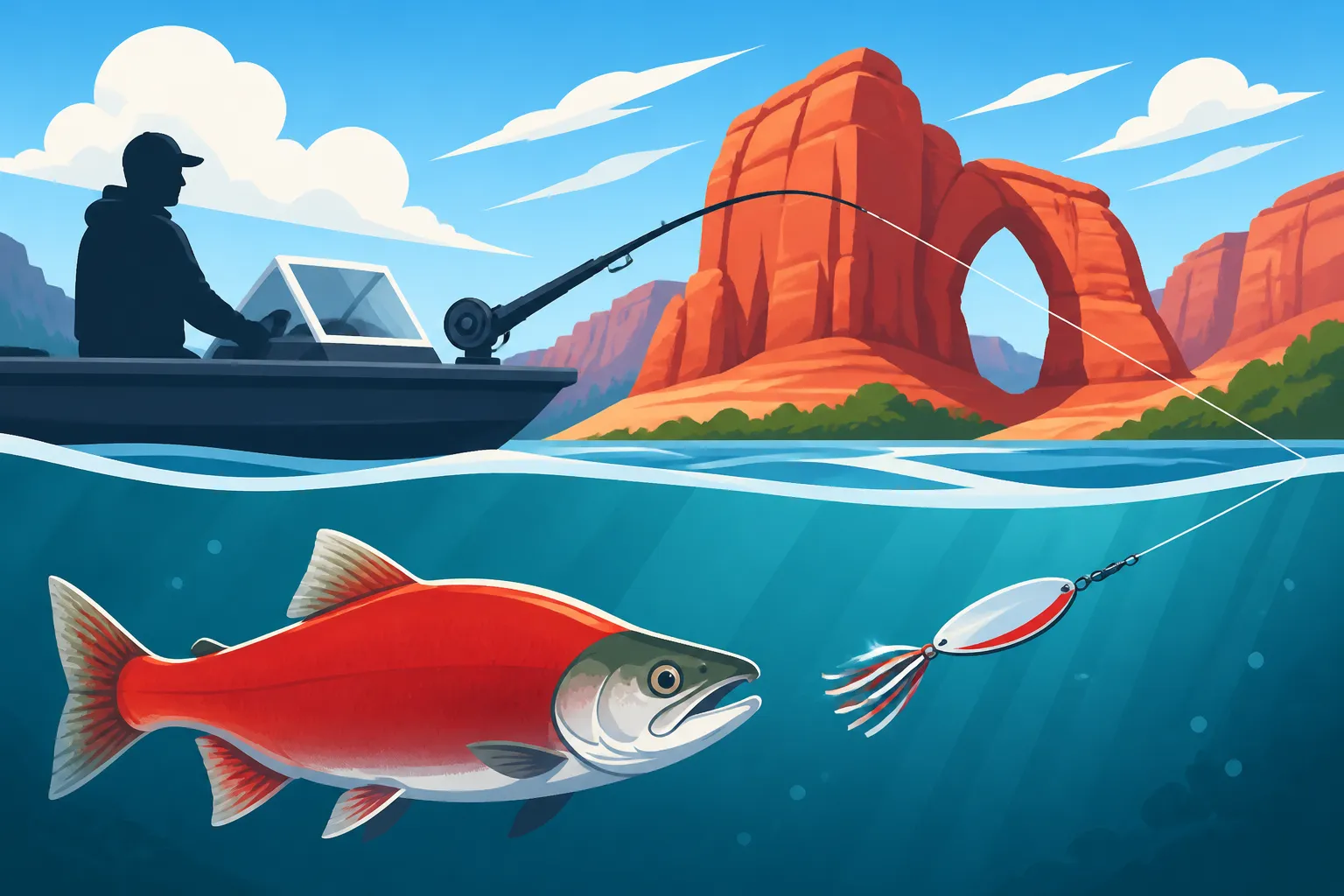
There’s nothing quite like the thrill of a kokanee salmon hitting your line, especially when you’ve put in the effort to get your trolling setup just right. These feisty, landlocked sockeye salmon are a favorite among Utah anglers, known for their spirited fight and delicious table fare. However, they can also be notoriously finicky, making successful trolling a nuanced art form. This comprehensive guide is designed to peel back the layers of mystery surrounding kokanee behavior and provide you with detailed, actionable strategies to improve your catch rates while trolling Utah’s beautiful reservoirs.
Understanding Kokanee Salmon in Utah
Before you can effectively chase kokanee, it’s crucial to understand a bit about these fascinating fish. Knowing their habits, preferences, and lifecycle stages will give you a significant advantage on the water.
Kokanee Behavior and Habitat
Kokanee salmon in Utah are essentially freshwater-locked sockeye salmon. Unlike their ocean-going cousins, they complete their entire life cycle within a lake or reservoir system. They are primarily plankton feeders, which means they spend their lives chasing microscopic organisms. This diet choice dictates a lot of their behavior. Kokanee typically school up in open water, often suspending themselves at specific depths where food is abundant and water temperatures are optimal. They are incredibly sensitive to light and temperature, preferring cooler, deeper water, especially as the summer sun climbs higher. You’ll often find them congregating along the thermocline – that invisible boundary where warmer surface water meets colder deep water – where plankton tends to accumulate.
Identifying prime kokanee habitat means looking for these open-water areas, often far from visible structure or shorelines. While they might occasionally venture closer to points or drop-offs, their true home is the vast expanse of the reservoir. Their schooling nature means if you find one, you’re likely to find many. However, this also means they can be here one minute and gone the next, making continuous searching with your electronics a critical part of the puzzle. Understanding these nuances is the first step to becoming a more successful kokanee angler.
The Kokanee Lifecycle and Spawning
The kokanee salmon lifecycle is relatively short, typically spanning three to four years. For much of their lives, they are silver-sided, streamlined fish, actively feeding and growing. As their final year approaches, usually in late summer or early fall, a remarkable transformation begins. This is when they start preparing for their one and only spawning run. The fish undergo dramatic physical changes: males develop a distinctive humped back and a hooked jaw (kype), and both sexes turn a vibrant crimson red. Their flesh, which is normally a rich orange-red when actively feeding, begins to soften and lose its color.
During this spawning stage, kokanee stop feeding almost entirely. Their sole purpose becomes reproduction. They migrate from the open waters of the reservoir into tributary rivers or shallow gravelly areas within the lake itself. Because they are focused on spawning, they become much less interested in traditional baits and lures. Anglers often refer to them as "dark" or "spent" fish during this period. Knowing How to Tell When Kokanee Are Staging to Spawn is important, as fishing for them successfully during this time requires different tactics, and many anglers choose to avoid them altogether due to the poor quality of their flesh. After spawning, which usually occurs from September through November depending on the specific water body, the adult kokanee die. This short, dramatic lifecycle is a key aspect of Kokanee Salmon Life Cycle in Utah and something every kokanee angler should be aware of.
Essential Gear for Trolling Kokanee
Trolling for kokanee isn't just about dropping a line in the water; it's about precision and presentation. Having the right gear makes all the difference in replicating their natural food source and getting those elusive bites.
Rods, Reels, and Line Selection
When it comes to rods, you want something with a light to medium-light action, typically 6 to 7.5 feet long, with a very sensitive tip. This sensitivity is paramount because kokanee often have a incredibly subtle bite, sometimes feeling like nothing more than a slight wiggle at the end of your line, especially when pulling a dodger. A soft tip will also help absorb the shock of a strike, preventing the hook from tearing out of their tender mouths. For reels, line counter reels are practically a necessity. Brands like Daiwa and Okuma offer excellent options. Being able to consistently return your lure to the exact depth where you found fish is a game-changer, and a line counter reel allows for that precision.
For line, a combination of braided main line and a fluorocarbon leader is common. Many anglers spool their line counter reels with 10-20 lb braided line, which has minimal stretch and allows you to feel those light bites. The braid also cuts through the water better, reducing drag from your downrigger or lead core. At the business end, a 6-10 lb fluorocarbon leader is attached to the braid. Fluorocarbon is nearly invisible underwater, which is a huge advantage for line-shy kokanee. The leader length can vary, but typically ranges from 10 to 30 feet, depending on the conditions and how the fish are reacting to the dodger. Remember, having a good setup purchased from a reputable retailer like Amazon can make all the difference in your trolling success.
Downriggers and Lead Core Setup
To consistently put your lures in front of deep-dwelling kokanee, you absolutely need a way to control your depth. This is where downriggers come into play. A downrigger uses a heavy ball (typically 8-12 pounds) attached to a cable, which you lower to your desired depth. Your fishing line is then clipped to the downrigger cable with a release clip. When a fish strikes, the line pops free from the clip, allowing you to fight the fish directly without the weight of the downrigger ball. For serious kokanee anglers, having two downriggers, or even more if your boat is set up for it, allows you to target multiple depths simultaneously and present a wider spread of lures. The article on How Many Downriggers You Need for Trolling Kokanee delves into optimal setups.
An alternative or complementary method for depth control is lead core line. Lead core line is a specialized fishing line with a lead filament inside a braided sheath, designed to sink. It's marked with different colors, usually every 10 yards, with each color segment sinking to a predictable depth at a given trolling speed. For example, one color might get you down about 5 feet. So, if you let out five colors, you'd be approximately 25 feet deep. While less precise than a downrigger for exact depth control, lead core is excellent for getting lures into the middle water column without the need for additional weights or planer boards. It’s also often used in conjunction with downriggers to stagger lures and cover different depths within the same water column.
The Right Lures and Baits
Kokanee are highly attracted to flash, vibration, and color, which is why dodgers and flashers are almost always used in kokanee trolling. A dodger is a flat or slightly curved metal plate that oscillates back and forth, creating a pulsing action and flash that attracts fish and imparts action to your trailing lure. Flashers, like the popular Sling Blade or Sep's Pro Flash, rotate or wobble more vigorously, creating more flash and vibration. For lures, small hoochies, mini squids, wedding rings, and small spoons are incredibly effective. Look for lures in sizes ranging from 1.5 to 3 inches.
Color choice can be critical and often changes day to day. Popular colors include pink, orange, green, chartreuse, and sometimes combinations of these. Experiment with UV colors, glow-in-the-dark options, and those with glitter. The leader length from the dodger/flasher to your lure is also vital; typically, this ranges from 8 to 24 inches, as too short can make the lure’s action too erratic, and too long can reduce the dodger’s effectiveness.
To seal the deal, baiting your hooks is almost always a necessity for kokanee. Canned shoepeg corn is the traditional favorite, often dyed with scents like garlic, anise, or Kokanee Killer. Small pieces of worm or maggot can also be effective. The scent and taste provided by the bait often trigger a more aggressive bite from these plankton feeders. Many anglers buy pre-scented corn from brands like Pautzke's Fire Bait, or create their own concoctions. Make sure to embed one or two kernels of corn directly onto your hook point, ensuring it doesn't mask the hook's barb. For a good selection of these small lures and bait enhancements, checking out fishing sections on Amazon can be beneficial.
Mastering Trolling Techniques
Trolling for kokanee is a subtle dance of speed, depth, and observation. It’s not just about dragging a line; it’s about presenting your lure in a way that’s irresistible to these particular salmon.
Speed, Depth, and Boat Control
The "magic speed" for kokanee trolling typically falls between 1.0 and 2.0 miles per hour. However, this is not a hard and fast rule. Kokanee can be finicky, and sometimes a slight adjustment, as little as 0.1 mph, can make all the difference. It’s crucial to pay attention to your speed, perhaps even purchasing a quality GPS speed indicator or using your fish finder’s speed display. When you’re getting bites, take note of your exact speed and depth. This information is gold. The article What Trolling Speed Works Best for Kokanee Salmon? offers more detailed insights into this critical variable.
Depth control, as discussed with downriggers and lead core, is equally important. Kokanee often suspend at specific depths, sometimes within a very narrow band. If you’re not getting bites at one depth, try moving up or down five or ten feet. Using a fish finder to locate schools of baitfish or actual kokanee will give you a target depth range.
Boat control is another layer of sophistication. Straight-line trolling is fine, but often, kokanee will hit when your lure changes speed or direction slightly. This is where S-turns come in. By gently turning your boat in a wide 'S' pattern, your inside lines will slow down and drop slightly, while your outside lines will speed up and rise. This varying action often triggers strikes from following fish. A good autopilot or trolling motor can make maintaining these subtle changes much easier, especially on larger bodies of water like Flaming Gorge or Strawberry Reservoir.
Reading Your Electronics and Water Conditions
Your fish finder is arguably your most important piece of gear for kokanee trolling. It's not just for finding fish, but for understanding the underwater environment. Use it to locate baitfish schools (often appearing as large clouds or arcs), identify the thermocline (a distinct layer where the water temperature changes rapidly), and mark individual fish or schools of kokanee. Kokanee will often show up as distinct arcs, sometimes in tight schools, especially when they are actively feeding. Pay attention to the depth at which you’re marking fish, and then adjust your downriggers or lead core accordingly.
Beyond fish and bait, your electronics can also tell you about water temperature at different depths, which is a key factor for kokanee. Many modern units can display surface temperature and even temperature at specific depths with the right transducer. Ideal kokanee temperatures are typically in the 45-55°F range. Water clarity also plays a role. In very clear water, longer leaders and more subtle lures might be necessary. In stained water, brighter colors and more aggressive dodgers can be effective.
Don't forget to consider surface conditions and weather. A bright sunny day might push kokanee deeper, while overcast conditions could bring them higher in the water column. Wind can create currents that distribute plankton, affecting where kokanee gather. A good fish finder, coupled with careful observation of the conditions, will help you piece together the puzzle of where the fish are holding and what they're willing to bite. Many anglers even mark productive spots on their GPS, building a history of where and when fish were caught.
Setting Up Your Spread and Presentations
A "trolling spread" refers to the arrangement of your lines, lures, and downrigger balls to cover a wide area and multiple depths. The goal is to maximize your chances of encountering fish while minimizing tangles. If you’re running two downriggers, you’ll typically set one slightly deeper than the other, perhaps 5-10 feet apart, to cover a vertical column. For example, if your fish finder shows kokanee at 40 feet, you might set one downrigger at 35 feet and the other at 45 feet.
The distance of your lure behind the downrigger release clip (the "setback") is also important. This often ranges from 15 to 50 feet. A longer setback might be necessary in clear water or when fish are skittish, giving the fish more distance from the boat and the downrigger ball. Experiment with different setbacks until you find what works.
When running multiple lines, it’s also common to use different dodger/lure combinations on each line. One might have a pink dodger with a green hoochie, while another has an orange dodger with a silver spoon. This allows you to test what colors and actions the kokanee are preferring on any given day. Remember, consistency is key; once you find a successful combination of speed, depth, color, and setback, try to replicate it. Some anglers even take notes in a logbook to track what worked when and where.
Prime Utah Kokanee Fishing Waters and Seasons
Utah is blessed with several fantastic kokanee fisheries, each with its own unique characteristics and best fishing times. Knowing where and when to go is half the battle.
Top Reservoirs for Kokanee
Utah boasts a few true gems when it comes to kokanee fishing, and each offers a slightly different experience.
Strawberry Reservoir: Without a doubt, Strawberry is often considered the crown jewel of Utah kokanee fishing. Located in the Uinta National Forest, it's known for producing robust, healthy kokanee and is a highly managed fishery. The fish here can grow to impressive sizes, with 16-20 inch kokanee being common. Early season (May-June) sees fish shallower, often in the 20-40 foot range, before they descend to 50-80+ feet in the heat of summer. Strawberry is often closed from November through mid-April to protect spawning fish and improve ice fishing opportunities for other species, so make sure to check Strawberry Reservoir Seasonal Closure Dates before you plan your trip. Its reputation for good fishing means it can get crowded, especially on weekends, but the rewards are often worth it.
Flaming Gorge Reservoir: Straddling the Utah-Wyoming border, Flaming Gorge is a vast and stunning body of water offering incredible fishing opportunities, including kokanee. While perhaps more famous for its monster lake trout, the kokanee population here is strong, though perhaps a bit smaller on average than Strawberry. Kokanee at Flaming Gorge are often found deeper, sometimes 60-100+ feet, making downriggers absolutely essential. The deep, clear water of Flaming Gorge presents unique challenges and rewards. Despite the kokanee population being robust, there have been concerns recently, and understanding Why Flaming Gorge Kokanee Populations Are Declining is important for anglers to be aware of the fishery's health.
Jordanelle Reservoir: Conveniently located near Park City and Provo, Jordanelle offers easily accessible kokanee fishing. This reservoir generally produces smaller kokanee compared to Strawberry or Flaming Gorge, but they are abundant and provide excellent action. Depths here can vary wildly, from 30 feet in spring to 70+ feet in summer. Its proximity to population centers makes it a popular spot for a quick fishing trip. Finding specific access points and navigating the reservoir is made easier with a comprehensive Jordanelle Reservoir Fishing Access guide.
Deer Creek Reservoir: Another easily accessible option in the Heber Valley, Deer Creek is a consistent producer of kokanee. Like Jordanelle, the fish tend to be smaller, but they offer great fun on light tackle. Depths will again shift with the seasons, but typically range from 20-60 feet. Deer Creek is also popular for water sports, so early mornings are often the best time to avoid heavy boat traffic. Knowing the specific Deer Creek Reservoir Fishing Spots can significantly improve your chances here.
Seasonal Strategies for Success
Kokanee behavior changes significantly throughout the year, driven by water temperature, light penetration, and their lifecycle. Adapting your strategy to the season is crucial for consistent success.
Spring (April – June): As the ice melts and water temperatures begin to rise, kokanee start to become more active and move into shallower depths. Early spring can be fantastic, as fish are often found between 20-40 feet, making them easier to target. They are hungry after the long winter and eager to feed. As spring progresses, the fish will slowly start to move deeper with rising surface temperatures. This is a great time to experiment with brighter, more vibrant lure colors, as the water can sometimes still be a bit turbid from runoff.
Summer (July – August): This is when kokanee typically retreat to the cooler, deeper parts of the reservoir. Expect to find them anywhere from 50 to 100+ feet deep, often suspended along the thermocline. Precision depth control with downriggers is absolutely vital during summer. Early mornings and late evenings are often the most productive times, as the bright midday sun can push them even deeper or make them more lethargic. Focus on more subtle colors and presentations in clearer summer waters. Hot weather also means ensuring you have a current Utah Fishing License Guide and are familiar with all Utah Fishing Regulations Explained to avoid any issues.
Fall (September – November): As water temperatures begin to cool, the kokanee lifecycle takes center stage. Early fall can still offer good fishing for actively feeding fish, but as the season progresses, a significant portion of the population will begin their spawning run. This is when they turn red and stop feeding. While some anglers still target these fish, many prefer to let them spawn and focus on other species. If you do target fall kokanee, you might find success earlier in the season before the full spawning transformation. The best month to catch kokanee for eating is usually July or August, before they fully transition into their spawning colors, as discussed in Best Month to Catch Kokanee in Utah.
Common Challenges and Troubleshooting
Even with the best gear and knowledge, kokanee can be challenging. Knowing how to troubleshoot common issues can turn a frustrating day into a successful one.
Dealing with Finicky Bites and Line Shy Fish
Kokanee, particularly in clear water, can be incredibly line-shy. If you're marking fish on your sonar but not getting bites, several factors could be at play. First, ensure your leader material is fluorocarbon and that its pound test is appropriate – usually 6-10 lb test is sufficient. Experiment with longer leaders (up to 30 feet or more) between your dodger and your lure; this puts more distance between the fish and the visible flash of the dodger, making your lure appear more natural.
Another common issue is their incredibly soft bite. Sometimes, it's just a light tap or a slight twitch of the rod tip. If you're using a stiff rod, you might not even feel it. This is where a sensitive rod tip becomes invaluable. Watch your rod tips constantly. If you see even the slightest unusual movement, hesitate for a second, then gently sweep the rod forward to set the hook. Sometimes, adding a little extra scent to your corn, like Pro-Cure or Mike's Gel, can entice those hesitant biters into a full commitment. The subtle scent trail can be just enough to draw them in.
Avoiding Snags and Entanglements
Trolling can inevitably lead to snags, especially if you're exploring new waters or fishing near submerged structure. The best way to avoid snags is to keep a close eye on your fish finder for bottom contours and submerged trees or rocks. If you see the bottom rising rapidly, reel up your downriggers immediately. Another common snag issue arises from running lures too close to the bottom, where your downrigger ball might clear, but your trailing lure gets hung up. If fishing near the bottom, set your downrigger ball a good 5-10 feet above any indicated structure.
Entanglements with other lines in your spread can also be a headache, especially with multiple downriggers or lead core lines out. A key strategy is to stagger your depths and setbacks. For example, if one downrigger is at 40 feet with a 20-foot setback, the other might be at 50 feet with a 30-foot setback. This creates a cone of lures that are less likely to cross. Also, when making turns, remember that your inside lines will drop and slow, and outside lines will rise and speed up. Make wide, gradual turns to minimize crossing lines, and consider pausing to check your lines after a turn if you suspect a tangle.
Adjusting to Changing Conditions
Kokanee are highly sensitive to their environment, and conditions on the water can change rapidly. If the bite suddenly dies, it's time to troubleshoot.
Weather Changes: A sudden cloud cover or rain can shift fish depths, often bringing them shallower. Conversely, bright sun pushing through can drive them deeper. Wind creates surface chop, which can make fish less wary and break up light penetration, but also makes boat control harder. Adjust your depth and trolling speed to match.
Water Temperature Fluctuations: Large reservoirs can have areas of differing water temperatures due to currents or inflows. A sudden change in water temp on your fish finder might indicate you’ve moved out of the productive zone. Pay attention to those thermoclines and try to stay within the ideal temperature range for kokanee (typically 45-55°F).
Fish Movements: Kokanee are nomadic, following plankton blooms. What worked an hour ago might not work now because the school has simply moved. Don't be afraid to change locations, try different depths, and switch up your lure colors or bait scents. If you've been working an area for a while without success, motor to another part of the reservoir and start the search process again. Sometimes just a slight change in the size of your lure, like opting for a different Best Spoon Size for Kokanee, can make a big difference. Flexibility and a willingness to experiment are your greatest assets when the fish get picky.
Disclaimer
The information provided in this guide is for general informational purposes only. Fishing regulations, season dates, and limits can change frequently. Always consult the most current Utah Division of Wildlife Resources (DWR) official regulations before heading out on the water. Following all applicable laws and safety guidelines is the sole responsibility of the angler.