Can an Out-of-State Student With a Utah Driver’s License Buy a Resident Fishing License?
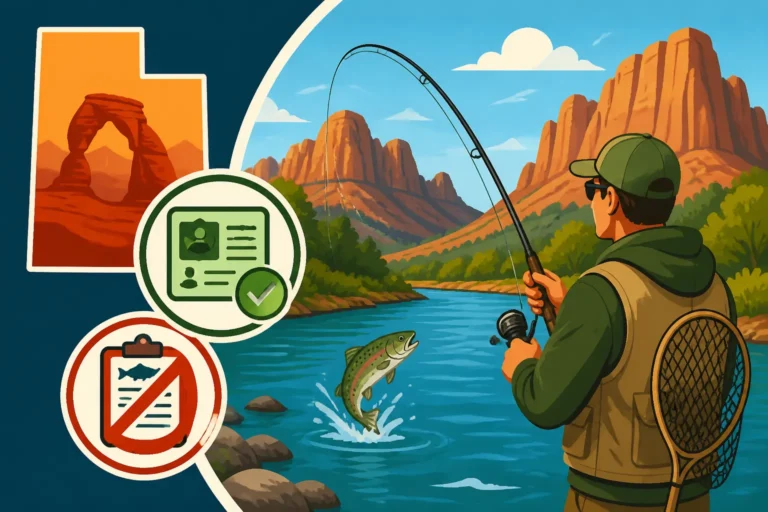
It's a really common point of confusion for out-of-state students: you've moved to Utah, you're living here, you've even gone through the hoops to get a Utah driver's license, but does that automatically qualify you for a resident fishing license? The answer, unfortunately, isn't always a straightforward "yes," and it hinges on the Utah Division of Wildlife Resources' (DWR) specific definition of residency, which can feel a bit different from how you might define "living here." This guide is here to untangle that knot for you, explaining exactly what qualifies as residency for fishing licenses in Utah, especially for students, so you can hit the water legally and without a headache.
The Core Question of Utah Residency for Fishing Licenses
When you're eager to get out on the water, whether it's the Provo River or a high mountain lake in the Uintas, the last thing you want is a legal snag. Many out-of-state students feel like they've done their part by establishing a local address and getting a Utah driver's license, only to find the DWR has a slightly different set of rules for what constitutes "residency" for hunting and fishing licenses. It's frustrating, absolutely, to feel like you're a local but still face nonresident fees.
What "Resident" Truly Means to the Utah DWR
The Utah DWR defines a "resident" for the purpose of obtaining a hunting or fishing license as someone who has lived in Utah for six consecutive months immediately preceding the purchase of a license, and who makes Utah their primary place of abode or "domicile." This means Utah has to be where you intend to live permanently, or at least for the foreseeable future, and where you return after absences. It's not just about physical presence; it's about intent and demonstrating a long-term commitment to the state as your home base.
Think of it this way: for many students, their "permanent" home, their domicile, is still with their family out of state. They might go back there for summer breaks, keep their main bank accounts linked to that address, or their parents might still claim them as a dependent in their home state. Even if you're physically living in a dorm or apartment in Salt Lake City or Provo for months at a time, if your long-term intent is to return to your home state after graduation, or if you maintain significant ties there, the DWR might not consider Utah your domicile. This distinction is crucial and often catches people off guard. It's not about being a temporary resident; it's about establishing genuine, long-term residency.
Why a Utah Driver's License Isn't Always Enough
It's completely understandable why getting a Utah driver's license would make you feel like a resident. After all, it's a pretty official piece of state identification! You stood in line, provided documents, and now you have a card that says "Utah" on it. Surely that counts, right? Unfortunately, for the DWR, a Utah driver's license alone doesn't automatically confer fishing or hunting residency. While it proves you're authorized to drive in the state and have a physical address here, it doesn't necessarily prove you've met the six-consecutive-month domicile requirement that the DWR enforces for licenses.
The driver's license is primarily for driving privileges and state identification. The DWR's rules are designed to prevent people from temporarily establishing minor ties to the state just to bypass nonresident license fees, which are typically much higher. They want to ensure that those benefiting from lower resident rates are genuinely invested in Utah as their home. So, even if you’ve proudly updated your ID, the DWR still looks at the full picture of your residency, focusing on that critical six-month mark and your intent to stay. It's a key distinction that can be a real bummer when you're just trying to enjoy some fishing after classes.
Navigating Residency Requirements as an Out-of-State Student
Being an out-of-state student in Utah adds a layer of complexity to the residency question. While you are indeed living here for a significant portion of the year, the "domicile" rule can be tricky. It's important to understand these specific nuances to avoid any issues down the road.
Specific Rules for Students in Utah
If you're an out-of-state student attending a college or university in Utah, you generally need to fulfill the same six-consecutive-month residency requirement as anyone else to qualify for a resident fishing license. However, there's a specific clarification for students: a nonresident student who is financially dependent on a parent or legal guardian who is a legal resident of another state does not qualify as a resident for DWR purposes. This means if your parents still claim you on their taxes and live out of state, it's a strong indicator that your primary domicile is still considered elsewhere.
To qualify as a resident student, you would typically need to demonstrate that you have established independent residency in Utah for the full six months. This might involve:
- Financial Independence: Not being claimed as a dependent by out-of-state parents.
- Proof of Abode: Lease agreements for an apartment (not just a dorm room), utility bills in your name for that six-month period.
- Other Ties: Registering your vehicle in Utah (if applicable), registering to vote in Utah, or establishing employment within the state that suggests a longer-term presence.
Hypothetically, let's say Sarah moved to Logan to attend Utah State University in August. By October, she's really enjoying fishing the Logan River and wants a resident license. Even though she's lived here for a few months and might have a Utah driver's license, she hasn't hit the six-month mark. Furthermore, her parents, who live in Idaho, are supporting her financially and claim her on their taxes. In this scenario, Sarah would still be considered a nonresident by the DWR, despite feeling very much at home. It's a tough pill to swallow when you're contributing to the local economy and culture. For more detailed information, you can always refer to the official Utah Fishing License Guide.
When a Nonresident License is the Right Choice (and Why it's Okay)
For many out-of-state students, the reality is that a nonresident fishing license will be the appropriate choice, at least initially. While the cost difference between a Utah Resident Fishing License Cost and a Utah Nonresident Fishing License Cost can be significant, opting for the correct license type is paramount for avoiding fines and legal trouble.
Purchasing a nonresident license is not a concession; it's simply following the rules set forth by the DWR to ensure fair access and funding for wildlife management programs. Many states have similar residency requirements for their natural resource agencies. It's about respecting the system and the efforts made to preserve Utah's incredible fisheries.
Here's why it's more than okay to purchase a nonresident license:
- Compliance is Key: It ensures you are fishing legally, which means peace of mind on the water. You don't want to be caught off guard during a routine check.
- Support for Wildlife: The funds generated from nonresident licenses contribute directly to Utah's conservation efforts, fish stocking programs, and habitat restoration, which benefits everyone who fishes here, resident or not.
- Still Great Fishing: Having a nonresident license doesn't diminish the incredible fishing opportunities Utah offers. You can still explore the trophy trout waters of Strawberry Reservoir or the diverse fisheries of Lake Powell. You can still join local fishing clubs, learn new techniques, and fully immerse yourself in the angling community.
So, while the price tag might be a bit higher, view it as an investment in your legitimate enjoyment of Utah's outdoors and a contribution to the very resources you cherish. It's a small price to pay for hassle-free days on the water.
Practical Steps for Out-of-State Students Seeking a Utah Fishing License
Navigating the bureaucracy for a fishing license as an out-of-state student can feel daunting, but breaking it down into clear steps can make it much easier. The key is understanding what the DWR requires and being prepared.
Verifying Your Status and Gathering Documentation
Before you even think about buying a license, take an honest look at your situation against the DWR's residency definition. Have you truly been in Utah for six consecutive months with the intent to make it your primary home, and are you financially independent from out-of-state parents?
If you believe you meet the resident criteria, you'll need documentation to back that up. The DWR may request a combination of the following:
- Proof of physical presence for six months: This could include dated utility bills (electric, gas, water) in your name, a rental agreement or mortgage statement showing you've resided in Utah for the full period, or pay stubs from a Utah employer spanning that timeframe.
- Proof of domicile/intent: This is a bit more subjective but can be shown through:
- Voter registration in Utah.
- Utah vehicle registration (if you own a car).
- A Utah income tax return (if you've filed one).
- Documentation showing you're not a dependent of out-of-state residents.
- A Utah driver's license is a helpful piece of identification but, as we've discussed, not a sole determinant of DWR residency.
Gathering these documents beforehand will make the process smoother, especially if you plan to purchase your license in person where DWR staff can review them. It’s always better to over-prepare than to be turned away. Remember, the DWR is simply trying to uphold the regulations, not make your life difficult, so clear documentation is your best friend.
Where and How to Purchase Your License
Once you've determined whether you qualify as a resident or need a nonresident license, purchasing it is fairly straightforward. Utah offers several convenient ways to get your fishing license:
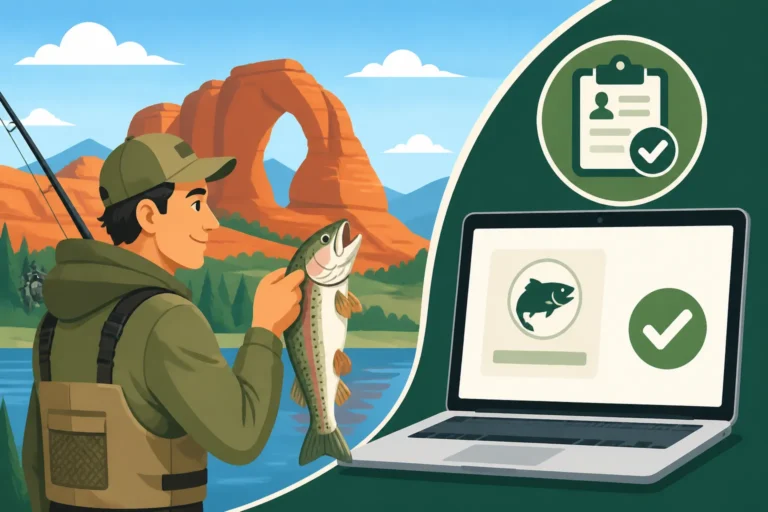
- Online: This is often the quickest and easiest method. You can visit the Utah DWR's official website and purchase your license directly. The online system will guide you through the process. Be prepared to declare your residency status truthfully. If you're buying a resident license, there's always a chance the DWR might follow up for additional documentation, especially if there are flags in their system. For a complete walkthrough, check out Utah Fishing License Online Purchase Process.
- In-Person: You can visit any authorized license agent across the state. These agents are typically sporting goods stores, some convenience stores, and dedicated DWR offices. Purchasing in person allows you to ask questions and, if needed, present your documentation directly to the agent. A quick search for "Utah DWR offices" will show you the closest locations.
- Via Phone: The DWR also usually provides a phone number for license purchases, which can be helpful if you have specific questions or prefer to speak with someone directly.
As for getting geared up, many students find it easy to browse and purchase fishing tackle, waders, and other essentials from online retailers like Amazon, which offers a vast selection that can be delivered right to your Utah address. Local sporting goods stores like Sportsman's Warehouse or Cabela's are also excellent places to find everything you need, and their staff can often provide local fishing tips.
Understanding Short-Term and Alternative Options
If you’re an out-of-state student who hasn't yet met the full residency requirements, or if you're only planning a short fishing trip, there are still plenty of ways to enjoy Utah's waters without committing to a full-year nonresident license.
Exploring Temporary Licenses
For those who don't qualify as a resident and aren't planning to fish extensively throughout the entire year, Utah offers excellent short-term license options that can save you money and still keep you legal on the water. These are particularly popular with students on semester breaks or those visiting family during holiday periods.
- Utah 3-Day Fishing License Options: Perfect for a long weekend trip or if you're just dipping your toes into Utah's fisheries during a short break.
- Utah 7-Day Fishing License Options: A great choice for a full week of angling adventures, perhaps during a spring break or a quick summer visit.
These short-term licenses are priced much lower than a full annual nonresident license and allow you to fish any public waters in the state for the specified duration. They are incredibly convenient and can be purchased easily online or at any authorized license agent. Imagine you're an out-of-state student living in Provo, and your parents are visiting for a long weekend. You want to take them fly fishing on the Middle Provo River. Instead of everyone buying a full nonresident annual license, a 3-day option makes perfect sense for a fun, compliant outing.
What Happens If You Misrepresent Residency
It might seem tempting to try and skirt the rules to save some money, especially when you feel like you should qualify for a resident license. However, intentionally misrepresenting your residency status when purchasing a fishing license in Utah can lead to serious consequences. The DWR takes these matters very seriously.
If you are caught fishing with a resident license you were not legally entitled to, you could face:
- Significant Fines: These can range from hundreds to potentially thousands of dollars, far exceeding the cost difference between a resident and nonresident license.
- License Revocation: Your fishing privileges could be suspended or revoked, not just in Utah but potentially in other states as well, through interstate compacts.
- Potential Legal Charges: In some cases, depending on the severity and intent, it could even lead to misdemeanor charges.
It's simply not worth the risk. The DWR has enforcement officers regularly patrolling popular fishing spots like Deer Creek Reservoir and Jordanelle Reservoir, and they are trained to verify licenses and residency. Always err on the side of caution and honesty. If there's any doubt, purchase the nonresident license. It's the responsible and truly enjoyable way to experience Utah fishing. You can learn more about the consequences of non-compliance by looking into Utah Fishing License Penalties for Violations.
Here’s a quick overview of how different student scenarios might play out for DWR residency:
| Scenario | Utah Driver's License? | Lived in Utah 6+ Months? | Financial Dependent (out-of-state parents)? | DWR Resident License Eligible? | Recommended License Type |
|---|---|---|---|---|---|
| New Student (under 6 months) | Yes | No | Yes/No | No | Nonresident (Annual or Short-term) |
| Student (6+ months) & Dependent | Yes | Yes | Yes | No | Nonresident (Annual or Short-term) |
| Student (6+ months) & Independent | Yes | Yes | No | Yes (with documentation) | Resident (Annual) |
| Visiting for Summer Only | No | No | Yes/No | No | Nonresident (Short-term) |
| Local Utah High School Grad | Yes | Yes | Yes (if parents are Utah residents) | Yes | Resident (Annual) |
This table highlights that while a Utah driver's license is a good start, the DWR's six-month rule and financial independence criteria are the real gatekeepers for resident fishing licenses for out-of-state students.
Disclaimer
Please be aware that fishing regulations and residency requirements are subject to change. Always consult the most current Utah Fishing Guidebook published by the Utah Division of Wildlife Resources (DWR) or their official website for the most up-to-date and accurate information before purchasing any license or engaging in fishing activities. This guide is for informational purposes only and does not constitute legal advice.