Utah Resident Fishing License Cost
Navigating the world of fishing licenses can feel a bit like trying to untangle a particularly stubborn knot in your fishing line – confusing, frustrating, and sometimes you just want to give up and buy a new spool. If you're a Utah resident, you're likely wondering what the actual cost is to legally cast a line in our beautiful state's waters without breaking any rules or your budget. This comprehensive guide is here to untangle all that for you, providing a clear, realistic breakdown of Utah's resident fishing license costs, who needs one, and where your hard-earned money really goes.
Understanding Utah's Resident Fishing License Categories
When it comes to fishing in Utah, the first thing to grasp is that not everyone pays the same price, and it's all tied back to your residency status and age. The Utah Division of Wildlife Resources (DWR) has a structured system designed to be fair while ensuring critical funding for fisheries management. It can seem a little intricate at first glance, but once you understand the core categories, it becomes much clearer.
Why Residency Matters for Licensing
The fundamental reason Utah, like almost every other state, differentiates between resident and nonresident fishing licenses boils down to conservation and public funding. Residents contribute to the state's tax base, which in turn helps support public services, including the management and conservation of natural resources like our fish populations and their habitats. Nonresidents, while welcome and vital for tourism, do not contribute to these same foundational tax revenues. Therefore, the higher cost for a nonresident license is a way to ensure they contribute a comparable share to the upkeep and enhancement of Utah's fisheries. This distinction helps fund fish stocking programs, habitat restoration, law enforcement to prevent poaching, and biological research that keeps our waters healthy and abundant for everyone.
Beyond the financial aspect, residency rules also reflect the DWR's mandate to serve the local community first. While Utah wants to share its incredible fishing opportunities with visitors, the primary focus is on ensuring sustainable fishing for those who call Utah home. Proving residency usually involves demonstrating that you've lived in Utah for a specified period, typically six months, and have established legal domicile here, often through a Utah driver's license, voter registration, or property ownership. Trying to claim resident status without meeting the criteria can lead to significant penalties, so it's always best to be truthful and clear about your status.
Age-Based License Tiers and What They Mean
Utah's fishing license structure is also heavily influenced by age. This isn't just about giving discounts to younger or older anglers; it's a strategic approach to encourage participation across all age groups and acknowledge different stages of life. Kids, for instance, are often given free or very low-cost access to fishing to foster an early love for the outdoors, while seniors receive discounts as a recognition of their contributions over the years and often living on fixed incomes.
The DWR recognizes several age brackets, each with its own licensing requirements and costs. This tiered system ensures that everyone, from a curious toddler to a seasoned retiree, has an appropriate and accessible way to enjoy Utah's angling opportunities. Understanding which tier you fall into is the first step in determining your exact license cost. Later in this guide, we'll dive into the specific ages and their corresponding fees, but for now, know that your age is a major factor in what you'll pay and what kind of license you'll need. These age distinctions are crucial for things like a Utah Youth Fishing License Rules or knowing if Do Kids Under 12 Need a Fishing License in Utah?.
Detailed Breakdown of Annual Resident License Costs
Alright, let's get down to the nitty-gritty: the actual dollar amounts you can expect to pay for a resident fishing license in Utah. Keep in mind that prices can occasionally change, so it's always a good idea to double-check the official DWR website, but these figures are current and accurate as of our research. When you buy an annual license, it's typically valid for a full 365 days from the date of purchase, not just until the end of the calendar year, which is a fantastic value proposition for dedicated anglers.
Adult Resident Annual License (Ages 18-64)
For the vast majority of adult Utah residents between the ages of 18 and 64, the standard annual fishing license is what you'll need. This is the workhorse license, covering you for a full year of angling adventures across the state's diverse waters, from the high mountain lakes of the Uintas to the warmer reservoirs like Utah Lake. As of recent updates, the cost for this vital piece of paper, or rather, digital proof, is approximately $34.00.
This fee, while a minimal investment for a year of recreation, plays a huge role in the ongoing health of Utah's aquatic ecosystems. A significant portion directly funds vital programs, including the operation of state fish hatcheries that stock hundreds of thousands of trout, bass, and other species into public waters annually. It also supports habitat improvement projects, angler access programs, and the enforcement efforts of conservation officers who protect our fisheries from illegal activities. So, when you're purchasing your Utah Resident Fishing License Cost for Ages 18 to 64, you're not just buying permission to fish; you're directly investing in the future of fishing for everyone in Utah. It's a small price to pay for the priceless experiences you'll gain out on the water.
Senior Resident Annual License (Ages 65+)
Utah recognizes the valuable contributions and lifelong passion of its senior angling community. If you've reached the age of 65 or older and are a Utah resident, you're eligible for a significantly discounted annual fishing license. This senior rate makes it incredibly affordable to continue enjoying the peaceful solitude or camaraderie that fishing offers well into retirement. The cost for a senior resident annual fishing license is currently around $25.00.
This reduced fee reflects a common practice among state wildlife agencies to acknowledge that many seniors are living on fixed incomes, while also wanting to keep them engaged in outdoor activities. It's a testament to the idea that fishing is a lifelong pursuit, and age shouldn't be a barrier to enjoying Utah's natural beauty. For more details on this specific discount and other considerations, you can check out the guide on the Utah Senior Fishing License Discount. It's a wonderful benefit for our more experienced anglers and encourages them to pass on their wisdom and love for fishing to younger generations.
Youth Resident Annual License (Ages 14-17)
For the younger residents of Utah, specifically those aged 14 to 17, there's also a dedicated youth annual fishing license. This age bracket is a crucial transition period – they're old enough to fish independently and seriously, but not yet full adults. The DWR aims to keep the cost low to encourage continued participation and development of outdoor skills. The annual fishing license for this age group is typically around $16.00.
This modest fee ensures that teenagers can legally fish while also instilling a sense of responsibility and contributing to the conservation efforts they'll benefit from for years to come. It’s a stepping stone from the free fishing available to younger kids into the full adult licensing system. This helps them understand the importance of regulations and the funding mechanisms that keep their favorite fishing spots healthy. This is an important distinction from even younger children, as outlined in the Utah Youth Fishing License Rules.
Junior Resident Annual License (Ages 12-13)
Even younger anglers, those falling into the 12 to 13 age range, have their own license category, making fishing accessible and affordable for pre-teens. This age group is often just starting to develop a real passion for fishing, and a low-cost license helps make it easier for families to get their kids hooked on the sport. The annual fishing license for resident juniors aged 12-13 is very affordable, typically costing around $5.00.
This minimal charge is designed to introduce young anglers to the concept of licensing and conservation without being a financial burden. It's a critical step in cultivating the next generation of responsible outdoors enthusiasts. This low entry barrier is a fantastic way to ensure that the sport remains accessible and appealing to kids, providing countless hours of wholesome outdoor recreation for minimal investment. It's truly a no-brainer for any family looking to get their pre-teens involved in Utah fishing.
Special Exemptions and Free Licenses
Not everyone needs to purchase a fishing license in Utah, even if they are a resident. The DWR offers several important exemptions and even provides free licenses for specific groups, acknowledging different circumstances and promoting participation.
The most common exemption applies to very young children: kids under the age of 12 do not need a fishing license to fish in Utah. This is a fantastic initiative to encourage families to introduce fishing to their little ones without any bureaucratic hurdles. Imagine the joy of taking a child to a local community pond, handing them a simple rod and reel, and watching their face light up as they catch their first fish, all without worrying about paperwork. This is clearly detailed in the question, Do Kids Under 12 Need a Fishing License in Utah?, making it easy for parents to understand.
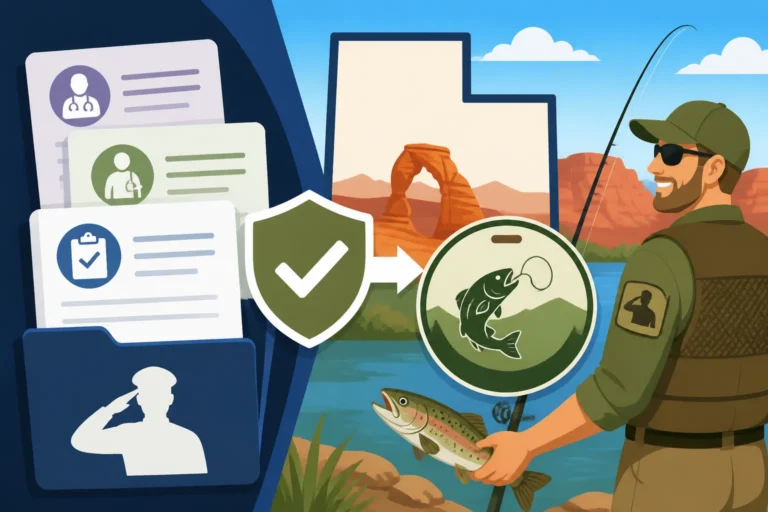
Beyond the age exemption, Utah also honors its veterans with a significant benefit. Resident disabled veterans who meet specific criteria can qualify for a free annual fishing license. This is a small token of gratitude for their immense sacrifice and service to our country. The eligibility requirements typically involve a service-connected disability rating, which must be certified. It's always best for veterans to contact the DWR directly or visit their website to understand the precise documentation needed to secure their Utah Disabled Veteran Fishing License. These exemptions are vital parts of Utah's commitment to making fishing accessible and acknowledging those who have served.
Short-Term Resident License Options and Their Value
Sometimes, you don't need a full year of fishing. Maybe you're just planning a quick weekend getaway to a reservoir, or perhaps you're introducing a friend or family member to fishing and they only want to try it out for a few days. For these scenarios, Utah offers convenient short-term resident fishing licenses that provide flexibility and can be more cost-effective than an annual license if your fishing trips are infrequent.
The 3-Day Resident Fishing License
The 3-day resident fishing license is perfect for those spontaneous trips or when you have a limited window of time to hit the water. It allows you to fish for three consecutive days from the date of purchase. This is a popular choice for people visiting a specific area for a long weekend or trying out a new fishing spot without committing to an annual license. The cost for a 3-day resident fishing license in Utah is currently around $16.00.
This option provides excellent value if you only plan to fish for a few days out of the year. For instance, if you're taking the family camping at Strawberry Reservoir and want to spend a couple of mornings fishing, this license covers you without the larger upfront cost of an annual pass. It's also ideal if you're experimenting with different types of fishing and aren't sure if you'll stick with it, allowing you to "test the waters" so to speak, before making a larger investment.
The 7-Day Resident Fishing License
If your short-term fishing plans extend a bit longer, perhaps for a full week-long vacation or a series of fishing outings over seven days, the 7-day resident fishing license is a great choice. This license grants you the legal right to fish for seven consecutive days from its purchase date. It's particularly useful for those longer family vacations or when you have a specific fishing trip planned that spans most of a week. The current cost for a 7-day resident fishing license is approximately $24.00.
This option provides a slight cost saving compared to buying two 3-day licenses if you need more than three but less than a full year's worth of coverage. It's designed to cater to resident anglers who might only get out to fish once or twice a year for an extended period, ensuring they have legal access without paying for a full annual license they won't fully utilize. Both the 3-day and 7-day options offer great flexibility, and more details can be found on Utah 3-Day and 7-Day Fishing License Options.
Why Choose a Short-Term License?
Choosing a short-term license over an annual one really comes down to your personal fishing habits and plans. If you're someone who only fishes occasionally, maybe once or twice a year, a short-term license will almost certainly be more economical. For example, if you buy a 7-day license for $24.00 and an annual costs $34.00, you save $10.00 if you only fish for that one week. If you only fish for a 3-day period, your savings are even more significant.
However, if you find yourself buying multiple short-term licenses throughout the year, the cost can quickly add up and surpass that of an annual license. It’s a simple math equation: if you fish for more than about ten days spread across the year, an annual license usually becomes the better value. Short-term licenses are also fantastic for introducing newcomers to fishing; they can try it out without a big commitment. It's about finding the right fit for your angling lifestyle, but the DWR has provided these options specifically to cater to a wider range of needs and budgets, making fishing more accessible for everyone.
Combination Licenses: Fishing & Hunting for Residents
For many outdoor enthusiasts in Utah, a love for fishing often goes hand-in-hand with a passion for hunting. The state acknowledges this overlap and provides a convenient and often more economical option: the combination hunting and fishing license. This single license covers both activities, simplifying your paperwork and frequently saving you money compared to purchasing individual licenses for each pursuit.
Comparing Costs: Combo vs. Individual Licenses
When you're a resident who enjoys both casting a line and pursuing game, a combination license is definitely worth considering. Let's look at the general cost comparison. An adult resident annual fishing license is about $34.00, and a resident annual hunting license is typically around $39.00. Purchased separately, these would total $73.00. However, a resident annual combination license usually comes in at approximately $47.00.
As you can see, the savings are quite significant—around $26.00 for an adult. This is a substantial discount, making the combination license an attractive option for multi-sport enthusiasts. Similar savings apply to youth and senior combination licenses as well, though the exact figures will vary. The idea is to reward anglers and hunters for their broader participation in wildlife management, streamlining the process and making it more affordable to engage in Utah's diverse outdoor opportunities. You can find more detailed information on pricing and benefits by checking out the Utah Combination Hunting and Fishing License guide.
Who Benefits Most from a Combination License
The primary beneficiaries of a combination license are, naturally, those who regularly participate in both hunting and fishing throughout the year. If you're buying separate annual licenses for both activities anyway, switching to a combination license is a clear financial win. It also simplifies the process, as you only have one license to keep track of, whether it's on your person or stored digitally on an app. Many seasoned outdoorspeople consider this license an essential part of their gear, as integral as a good fishing rod or a reliable pair of binoculars.
Even if you only hunt occasionally, but fish frequently, or vice-versa, the combination license often still makes financial sense. For example, if you purchase an annual fishing license and then decide to go on a pheasant hunt later in the year, having the combo license already covers you without needing to purchase an additional, separate hunting license. It essentially provides insurance for future outdoor plans. It's less beneficial, of course, for someone who exclusively fishes or exclusively hunts, but for the versatile Utah outdoors enthusiast, it's a smart and economical choice.
Additional Fees and Where Your Money Goes
It's common to wonder why a license might cost a few dollars more than the advertised base price, or where exactly your hard-earned money goes once you've made a purchase. Rest assured, these additional fees and the core license costs are critical for maintaining and enhancing Utah's incredible fishing opportunities. There's a transparent system in place to ensure these funds are used effectively.
Administrative and Processing Fees
When you purchase a fishing license, especially online or through a third-party vendor, you might notice a small additional charge beyond the stated license fee. These are typically administrative or processing fees. These fees usually cover the operational costs associated with selling and issuing licenses, such as credit card transaction fees, the cost of maintaining the online purchasing system, or a small commission for retail vendors like sporting goods stores (e.g., a local Cabela's or Sportsman's Warehouse, though you can also often find gear and licenses from smaller local shops).
While these fees might seem like an extra pinch, they are a necessary part of making the licensing process convenient and accessible. Without them, the DWR would have to absorb these transactional costs, which would ultimately impact the funds available for conservation. When you're buying items on Amazon, for instance, you're used to seeing shipping and handling or sales tax added on, and these license processing fees are similar in nature – they cover the overhead of getting that license into your hands, whether physically or digitally. These aren't hidden charges; they're standard costs associated with the transaction, ensuring a smooth and efficient system for anglers to get their licenses. You might encounter a small processing fee when learning how to Buy a Utah Fishing License Online.
How License Fees Support Utah's Fisheries
The core of your fishing license purchase, beyond those small processing fees, goes directly into funding the vast array of programs that ensure healthy fish populations and accessible fishing spots across Utah. This is where your investment truly pays off, benefiting not just you, but future generations of anglers.
Fish Stocking: A significant portion of license revenue supports the operation of Utah's state fish hatcheries. These facilities rear millions of fish, primarily trout but also other species, which are then stocked into reservoirs, rivers, and community ponds throughout the state. Without these stocking programs, many popular fishing destinations would struggle to maintain viable populations, especially for species that don't naturally reproduce in sufficient numbers or that face heavy angling pressure.
Habitat Restoration and Protection: Funds are also allocated to projects that improve and protect fish habitats. This could involve restoring stream banks to reduce erosion, creating spawning beds, or improving water quality. Healthy habitats are the foundation of thriving fish populations, and these efforts are crucial for both wild and stocked fish.
Research and Management: Biologists and wildlife managers use license fees to conduct critical research on fish populations, disease control, and ecosystem health. This data-driven approach allows the DWR to make informed decisions about bag limits, seasonal closures, and stocking strategies to ensure sustainable fishing. Knowing how fish populations are doing helps them manage resources effectively, for example, identifying species that may need a Utah Catch-and-Release Waters designation or those with more liberal Utah Daily Bag and Possession Limits.
Law Enforcement: Conservation officers, often referred to as game wardens, play a vital role in enforcing fishing regulations, preventing poaching, and educating the public. Their salaries and equipment are partly funded by license sales, ensuring that rules are followed and our fisheries are protected from illegal activities that could devastate populations.
Angler Access: Funds also contribute to maintaining and improving public access points to fishing waters, including boat ramps, fishing piers, and shoreline access trails. This ensures that anglers can easily reach and enjoy the state's diverse fishing opportunities.
Essentially, every dollar from your fishing license contributes to a holistic approach to conservation. It’s not just about putting fish in the water; it’s about ensuring the entire aquatic ecosystem is healthy, managed wisely, and accessible for everyone to enjoy. It's a commitment to preserving Utah's angling heritage for years to come.
How and Where to Purchase Your Resident License
Getting your Utah resident fishing license is a straightforward process, designed to be as convenient as possible whether you prefer the ease of online shopping or the personal touch of an in-person visit. Gone are the days of complex paper forms and long waits; modern systems make it quick and efficient.
Online Purchase Process
For most people, buying a Utah fishing license online is the easiest and quickest option. The Utah Division of Wildlife Resources (DWR) maintains a user-friendly online licensing system that allows you to purchase your license from the comfort of your home, 24/7.
Here's a general overview of the process:
- Visit the DWR Website: Navigate to the official Utah DWR licensing page.
- Log In or Create an Account: If you've purchased a license before, you likely have an existing customer account. If not, you'll need to create one, providing basic personal information such as your name, address, date of birth, and possibly your driver's license number to verify residency.
- Select License Type: Choose the resident fishing license that applies to you (e.g., Adult Annual, Senior Annual, 3-day, Combination).
- Add to Cart and Checkout: Review your selection, add it to your shopping cart, and proceed to checkout. You'll use a credit or debit card for payment, and you'll typically see any associated processing fees clearly displayed before you finalize the purchase.
- Print or Save: After successful payment, you'll receive a confirmation, usually via email, which includes a printable copy of your license. You can print this out and carry it with you, or even better, save a digital copy to your phone. The DWR also offers a convenient mobile app where you can store your license digitally, which is incredibly useful out on the water. Many anglers opt for a waterproof phone case, easily found on Amazon, to keep their digital license safe. This modern approach is covered in depth in the How to Buy a Utah Fishing License Online guide.
The online system is highly efficient and usually means you can be licensed and ready to fish within minutes. It's particularly handy if you suddenly decide to go fishing on a weekend and local stores are closed.
In-Person Vendor Locations
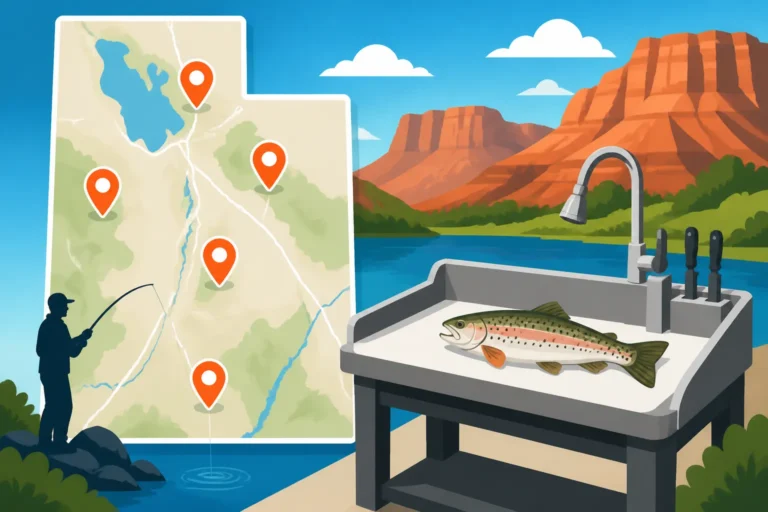
If you prefer a more traditional approach, or simply want to chat with a real person, you can still purchase your Utah fishing license in person. The DWR partners with hundreds of authorized license agents across the state, including many sporting goods stores, county clerk offices, and some general merchandise retailers.
Here’s what you can expect:
- Retailers: Large outdoor stores like Sportsman's Warehouse, Cabela's, and smaller independent tackle shops are usually authorized vendors. They often have knowledgeable staff who can answer questions about local fishing conditions or gear.
- DWR Offices: All five DWR regional offices, located in Ogden, Springville, Salt Lake City, Price, and Cedar City, sell licenses directly.
- Convenience Stores: Some convenience stores, especially in smaller towns, also serve as license agents.
When purchasing in person, you'll need to bring a valid form of identification to prove your residency and age. Payments can typically be made with cash or credit/debit card. The agent will print out your official license on the spot. This method can be great if you need to pick up some last-minute bait or tackle, or just enjoy the traditional interaction. Finding these locations is easy, and more specifics are in the Where to Buy a Utah Fishing License in Person guide. Always remember to check business hours before you go!
License Validity and Renewal
Once you purchase an annual resident fishing license in Utah, it's typically valid for 365 days from the date of purchase. So, if you buy your license on June 15th, 2024, it will be valid until June 14th, 2025. This "rolling" 365-day validity is a fantastic benefit, ensuring you get a full year's worth of fishing regardless of when you buy it, unlike some states where licenses expire at the end of a calendar year.
When your license is nearing its expiration date, the DWR usually sends out friendly reminders, often via email or postal mail, making the renewal process simple. You can then renew your license easily through the same online system or at an authorized vendor. It’s a good practice to keep an eye on your license’s expiration date, perhaps setting a reminder on your phone or marking it on a calendar, so you're never caught off guard. You certainly don't want to be out on the water and realize your license has lapsed, which could lead to fines.
Common Questions and Scenarios for Resident Anglers
Even with all the information available, specific situations can pop up that leave resident anglers scratching their heads. Let's tackle some of these common queries and scenarios to ensure you're always fishing legally and confidently in Utah.
What if I move to Utah mid-year?
This is a common question, especially for those relocating to our beautiful state. If you move to Utah and establish residency after the traditional "fishing season" has begun or mid-year, you'll still need to meet the residency requirements before you can purchase a resident fishing license. Typically, this means living in Utah for at least six consecutive months. During that initial six-month period, you would be considered a nonresident and would need to purchase a nonresident license if you wanted to fish.
Once you've met the six-month residency requirement and can provide proof (like a Utah driver's license, utility bills, or voter registration), you can then apply for a resident license. Remember, the annual licenses are valid for 365 days from purchase, so buying one mid-year still gives you a full year of fishing opportunities as a resident. This ensures fairness to long-term residents and proper funding for state resources. For instance, a college student from out of state might wonder if they qualify, and they should look into the Utah Fishing License for Out-of-State College Students guidance.
Fishing on tribal or private waters as a resident
Fishing on tribal lands or private property in Utah adds another layer of consideration beyond your state fishing license. Your Utah resident fishing license grants you access to public waters managed by the DWR. However, tribal lands and private property operate under different rules.
-
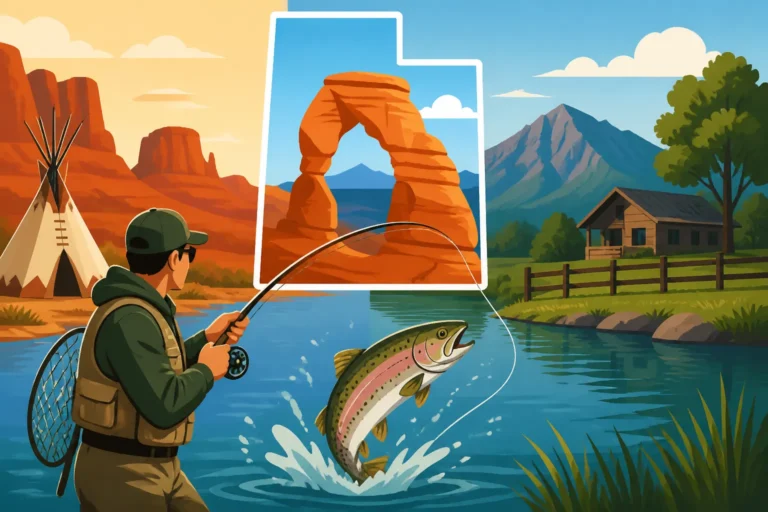
Tribal Waters: Native American tribal lands within Utah, such as those of the Ute Indian Tribe or Navajo Nation, typically have their own hunting and fishing regulations and require separate tribal permits or licenses. Your state license is not valid on tribal waters unless a specific reciprocal agreement is in place, which is rare. It is crucial to research the specific tribal nation's regulations and acquire any necessary permits directly from them before fishing on their lands. Failing to do so can result in serious legal consequences. Knowing the specific rules for these waters is vital, which is why topics like Is a Utah Fishing License Valid on Tribal Waters? are so important to address.
-
Private Property: If you want to fish on private land, even if it has a stream or pond, you must obtain explicit permission from the landowner before you fish. Your state fishing license is still required (unless the water is completely enclosed and privately stocked with fish that do not have access to public waters, which is a rare and specific exemption), but the landowner's permission is paramount. Fishing on private land without permission is trespassing, which carries its own legal penalties. Always seek permission, even if it's just a small farm pond, to avoid any issues. For those with land, the Utah Fishing License Rules for Landowners on Their Own Property can offer specific guidance.
Always respect property rights and tribal sovereignty. When in doubt, it's best to err on the side of caution and either stick to clearly marked public access points or make direct contact to secure permission.
Understanding the Utah DWR's Role
The Utah Division of Wildlife Resources (DWR) is the state agency responsible for managing and conserving Utah's fish and wildlife resources. Their role is multifaceted and extends far beyond just selling fishing licenses. Your license fees are vital to their operations and allow them to execute their mission effectively.
The DWR's responsibilities include:
- Fish Stocking and Management: Operating hatcheries, conducting surveys, and developing management plans for all fish species.
- Habitat Conservation: Protecting and restoring critical aquatic and riparian habitats.
- Research: Studying fish populations, diseases, and environmental impacts to make informed management decisions.
- Law Enforcement: Employing conservation officers to enforce wildlife laws and protect resources.
- Public Education: Providing educational programs and information to anglers and the general public about responsible outdoor ethics, regulations, and fishing techniques.
- Data Collection: Gathering angler creel survey data, processing license sales, and tracking wildlife populations.
Essentially, the DWR acts as the steward of Utah's aquatic resources. They work tirelessly to ensure that our lakes, rivers, and streams remain healthy and vibrant, providing sustainable fishing opportunities for both current and future generations. Every time you purchase a fishing license, you are directly supporting these crucial efforts, helping to preserve the incredible outdoor heritage we cherish in Utah.
Utah Resident Fishing License Costs at a Glance
To make things a little easier to digest, here's a quick summary of the typical costs for resident fishing licenses in Utah. Keep in mind that these are approximate costs and small processing fees might apply, which are usually a few dollars extra. Always check the official DWR website for the most current pricing.
| License Type | Age Group | Approximate Cost | Validity |
|---|---|---|---|
| Annual Fishing License | Adult (18-64) | $34.00 | 365 Days |
| Annual Fishing License | Senior (65+) | $25.00 | 365 Days |
| Annual Fishing License | Youth (14-17) | $16.00 | 365 Days |
| Annual Fishing License | Junior (12-13) | $5.00 | 365 Days |
| Free License | Under 12 | Free | Not Applicable |
| Free License | Disabled Veteran | Free | 365 Days |
| 3-Day Fishing License | All Ages (12+) | $16.00 | 3 Consecutive Days |
| 7-Day Fishing License | All Ages (12+) | $24.00 | 7 Consecutive Days |
| Annual Combination (Hunt/Fish) | Adult (18-64) | $47.00 | 365 Days |
| Annual Combination (Hunt/Fish) | Senior (65+) | ~$35.00 | 365 Days |
| Annual Combination (Hunt/Fish) | Youth (14-17) | ~$20.00 | 365 Days |
| Annual Combination (Hunt/Fish) | Junior (12-13) | ~$10.00 | 365 Days |
This table provides a quick reference to help you determine the most appropriate and cost-effective license for your needs. Whether you're planning a quick trip or a full year of angling adventures, Utah offers a variety of options to get you out on the water legally.
Disclaimer
Please be aware that fishing regulations, license costs, and specific rules are subject to change by the Utah Division of Wildlife Resources (DWR). While every effort has been made to provide accurate and up-to-date information in this guide, it is always recommended to consult the official Utah DWR website or contact them directly for the most current and authoritative information before planning your fishing trip or purchasing a license. This content is for informational purposes only and should not be considered legal advice.