How to Fish PowerBait for Stocked Trout
Oh, the age-old dilemma of fishing for stocked trout! It can feel like a game of chance sometimes, can't it? You spend hours out on the water, trying everything in your tackle box, only to see someone else pull in fish after fish with what looks like a blob of brightly colored play-dough. If you've ever felt frustrated by stocked trout, or if you're just looking to refine your technique and consistently bring home dinner, you've come to the right place. This guide is all about demystifying PowerBait and showing you exactly how to use it to its full potential for Utah's stocked trout.
Why PowerBait is a Game-Changer for Stocked Trout
Let's be honest, stocked trout aren't always the sharpest tools in the shed. They've lived a pampered life in a hatchery, dining on pellets, and they're often not quite prepared for the complexities of the wild. That's where PowerBait really shines, and understanding why it works so well is the first step to mastering it.
Understanding the Stocked Trout Diet
When trout are raised in hatcheries before being released into Utah's various reservoirs, ponds, and rivers, their diet consists almost exclusively of manufactured fish pellets. These pellets are formulated to provide all the necessary nutrients for rapid growth, and they have a distinct smell and texture. This creates a deeply ingrained association in the trout's mind: that specific scent and consistency mean food. When they're released into a new environment, they're not immediately looking for natural insects or forage fish. Their first instinct is often to seek out what they recognize as food, and that familiar scent memory is incredibly powerful.
This is why traditional natural baits, while sometimes effective, don't always hit the mark with freshly stocked fish. They simply don't recognize a worm or a grasshopper as readily as they do something that mimics their hatchery feed. PowerBait, in its various forms, is specifically engineered to tap into this conditioning, giving you a significant advantage over anglers relying solely on wild-trout techniques. It’s like offering a comfort food to a creature in a new, slightly confusing environment – they’re far more likely to take it.
The Science Behind PowerBait's Appeal
PowerBait isn't just brightly colored goo; it's a carefully formulated product designed to attract fish and encourage them to bite and hold on. The primary appeal lies in its strong scent dispersion. Once in the water, PowerBait releases a powerful aroma that travels quite a distance, drawing in curious trout from afar. This olfactory cue is critical, especially for trout that might be milling about, still figuring out their new surroundings. It triggers that ingrained "food is near" response from their hatchery days.
Beyond scent, PowerBait's texture is also key. Many variations, particularly the moldable dough, are designed to be soft yet buoyant. The buoyancy causes the bait to float off the bottom, presenting it directly in the fish's feeding zone, often just above any weeds or debris. This makes it highly visible and accessible. Furthermore, the dough's softness mimics the texture of their hatchery pellets, making the fish more likely to strike and, crucially, hold onto the bait longer. This gives you more time to detect the bite and set the hook. Some PowerBait products also incorporate glitter or other visual attractants that flash in the water, further catching the trout's eye. It’s a multi-sensory attack on their instincts, which is why it’s so incredibly effective.
Essential Gear for Your PowerBait Setup
You don't need a boatload of expensive, specialized equipment to fish PowerBait effectively. In fact, one of its greatest appeals is its accessibility. However, having the right basic gear will significantly increase your success rate and make your time on the water much more enjoyable. Think of it as investing in consistent catches!
Choosing the Right Rod, Reel, and Line
For PowerBait fishing, especially when targeting stocked trout in Utah's community ponds or smaller reservoirs, a lightweight spinning rod and reel combo is your best friend. You're generally not casting huge distances or fighting monstrous fish, so finesse and sensitivity are more important than brute strength.
- Rod: Look for a spinning rod in the 6 to 7-foot range with a light or ultralight action. This flexibility allows for better casting of light baits and makes even smaller trout feel like a respectable fight. A fast tip will help you detect those subtle bites that stocked trout are famous for. You can find excellent entry-level rods perfect for this on Amazon or at any local sporting goods store. For a more comprehensive look at options, check out our guide on the "Best Fishing Rods for Utah Anglers."
- Reel: Pair your rod with a small spinning reel (sizes 1000-2500). The key here is a smooth drag system, which is vital for preventing line breaks when a fish makes a sudden run, especially with lighter lines.
- Line: This is often overlooked but crucial. Spool your reel with 4 to 6-pound test monofilament or fluorocarbon line. Monofilament is forgiving, offers good knot strength, and is often more budget-friendly. Fluorocarbon is less visible underwater and more sensitive, but can be a bit stiffer and more expensive. For the average angler, 4-pound test monofilament is a fantastic all-around choice for stocked trout. Remember, these trout aren't line-shy in the same way wild trout might be, but lighter line still offers better presentation.
Hooks, Sinkers, and Swivels: The Small but Mighty Details
These are the unsung heroes of your PowerBait rig. Getting these small components right can make all the difference between a missed bite and a fish in the net.
- Hooks: For PowerBait dough, a small, thin-wire treble hook (size 10 or 12) is often recommended. The multiple points help secure the dough and provide more hooking surface. However, many anglers, myself included, prefer a small, single egg hook (size 8 or 10) for better hook sets and easier fish release. The wider gap on an egg hook allows the PowerBait to float freely and securely. For PowerBait nuggets or small worms, a tiny bait holder hook (size 10-14) works wonderfully. Make sure your hooks are sharp; stocked trout often have soft mouths. You can purchase a variety pack of small hooks on Amazon to cover all your bases.
- Sinkers: You'll primarily be using split-shot sinkers or sliding egg sinkers.
- Split-shot: These are small, pinch-on weights that are great for adding just a little bit of weight or for a simple stillwater setup. Keep a variety of sizes on hand.
- Sliding Egg Sinkers: These are ideal for the classic PowerBait bottom rig. They allow the line to run freely through them, meaning the fish won't feel the weight when it bites, giving it more time to commit before spitting out the bait. You'll typically use 1/8 oz to 1/2 oz egg sinkers, depending on casting distance and current.
- Swivels: Barrel swivels or tiny snap swivels (size 10-12) are important for two main reasons:
- They prevent line twist, especially if you're using dough baits that can spin in the water.
- They act as a stopper for sliding egg sinkers, keeping the weight from sliding down to your hook. This creates a neat, efficient rig. When you're assembling your gear, consider what "Utah Fishing Gear Guide" might recommend for a complete setup.
Mastering the PowerBait Rig for Stillwaters
One of the beautiful things about PowerBait is its versatility. You can adapt your rig to various conditions, but for stocked trout in lakes and ponds, two setups stand out: the classic slip-sinker bottom rig and the suspended (float) rig. These cover the vast majority of scenarios you'll encounter in Utah.
The Classic Slip-Sinker Bottom Rig
This is probably the most popular and effective PowerBait rig for stocked trout, and for good reason. It allows your bait to float just off the bottom, directly in the fish's strike zone, while giving the fish a chance to pick up the bait without feeling the resistance of the sinker.
Here's how to tie it, step-by-step:
- Thread the Sinker: Start by sliding a small egg sinker (1/8 oz to 1/2 oz, depending on casting distance and depth) onto your main fishing line. The hole in the sinker should be large enough for your line to pass through easily.
- Add a Swivel: Next, tie a small barrel swivel (size 10 or 12) to the end of your main line. This swivel serves two purposes: it stops the egg sinker from sliding down to your hook, and it helps prevent line twist.
- Attach the Leader: To the other end of the barrel swivel, tie a length of fluorocarbon or monofilament leader line. This leader should be about 12 to 24 inches long and slightly lighter in test than your main line (e.g., 2-4 lb test if your main line is 4-6 lb). A lighter leader is less visible to the fish.
- Tie on the Hook: Finally, tie your chosen hook (a size 8 or 10 egg hook, or a small treble) to the end of the leader. Make sure your knots are strong and secure. For guidance on strong connections, our "How to Tie a Basic Fishing Knot for Trout Fishing" post is a great resource.
How it works: When cast, the egg sinker settles on the bottom, but because the line slides freely through it, the swivel and leader with the PowerBait are still able to move. The buoyant PowerBait floats up off the bottom, presenting itself naturally. When a trout takes the bait, it pulls the line through the sinker without feeling the weight, allowing you to detect the bite before the fish spooks. This rig is perfect for targeting trout that are cruising near the bottom, which they often do in lakes and ponds.
The Suspended (Float) PowerBait Rig
Sometimes, especially in shallower waters or when trout are actively feeding closer to the surface, a suspended PowerBait rig is more effective. This setup uses a bobber to keep your PowerBait at a specific depth, which can be crucial for hitting that sweet spot where fish are holding.
Here’s how to set it up:
- Attach a Bobber: Start by attaching a bobber to your main line. You can use a traditional clip-on bobber or, for more versatility, a slip bobber.
- Clip-on bobber: Simple and quick, but less adaptable for deep presentations.
- Slip bobber: This is the preferred method for most experienced anglers. A small knot (called a bobber stop) is tied onto your main line, which then slides into a plastic bead, and then the slip bobber itself is threaded onto the line below the bead. This allows your bait to sink to a predetermined depth, and then the bobber rests on the surface, making it easy to cast even if you want your bait 10 feet deep. You can find detailed instructions on "How to Set Up a Slip Bobber Rig" if you're new to them.
- Add Split-Shot (if needed): A few inches above your hook, pinch on one or two small split-shot sinkers. The amount of weight will depend on the buoyancy of your PowerBait and the size of your bobber. You want just enough weight to cast effectively and to ensure your bait sinks to the desired depth, but not so much that it pulls your bobber down excessively.
- Tie on the Hook: At the end of your line, tie on your small egg hook or treble hook.
How it works: With a suspended rig, you control the depth of your PowerBait. If you see trout dimpling the surface or if the water is relatively shallow, you can set your bobber to suspend the bait a few feet down. This rig is particularly effective early in the morning or late in the evening when trout might be feeding more actively higher in the water column. The bobber acts as a visual strike indicator, dancing or disappearing when a fish bites, making it a super exciting way to fish, especially for kids!
Effective Presentation Techniques
Once your gear is rigged up, it's time to think about presentation. It's not just about throwing your bait in the water; how you cast, where you cast, and even the nuances of your PowerBait's look can make a huge difference in attracting those hatchery-raised trout.
Casting, Waiting, and Retrieving Strategies
Unlike lure fishing where constant retrieval is key, PowerBait fishing often involves a lot of waiting. Stocked trout can be curious but also a bit lazy.
- Casting: Make a smooth, controlled cast. For the bottom rig, aim for areas where you suspect trout might be holding – near drop-offs, submerged structure, or along weed lines. For the suspended rig, target areas where you see activity or where the depth is appropriate. Avoid huge, splashy casts that can spook fish. If you're fishing from shore in Utah, consider where the deeper pockets are, as trout often cruise these zones.
- The Waiting Game: Once your PowerBait is in the water, let it settle. If using a bottom rig, reel in any slack line until you feel the weight, then give it a little more slack so the fish can take the bait without feeling resistance. If using a bobber rig, watch your bobber intently. This is where patience pays off. Stocked trout don't always hit hard; sometimes it's just a subtle twitch or a slow drift of the bobber. Give the fish time to mouth the bait. For a bottom rig, if your rod tip starts twitching or bends, wait a second or two for the fish to fully commit before setting the hook.
- Occasional Movement: While waiting is primary, sometimes a very slow, subtle retrieve can entice a bite. After letting your PowerBait sit for 5-10 minutes, slowly reel it in a few feet, then let it settle again. This can mimic a natural food item drifting, or simply trigger a reactive strike from a nearby trout. For specific guidance on trout behavior, our "Best Time of Day to Fish for Utah Trout" can help you strategize your waiting game.
Scent, Color, and Shape: Maximizing Your Appeal
PowerBait offers a dazzling array of choices, and while confidence in your bait is key, understanding how scent, color, and shape play a role can give you an edge.
- Scent: All PowerBait is heavily scented, but some varieties come with added attractants like garlic, cheese, or even "hatchery pellet" scent. If one scent isn't working, don't be afraid to try another. The goal is to find what the fish are most receptive to on a given day. Sometimes, a subtle difference in aroma can make a big impact.
- Color: This is often the first thing anglers notice, and it's a huge factor.
- Bright Colors: Chartreuse, orange, and bright yellow are incredibly popular and often effective, especially in murky or stained water. They offer high visibility.
- Natural Colors: White, cream, and rainbow blends can work well in clear water or when fish are being particularly picky.
- Glitter: Many PowerBait formulations include glitter, which can add flash and mimic scales, making the bait more appealing.
- Experimentation: Start with popular colors like chartreuse or rainbow, but always be willing to experiment. If the bite slows, try a different color. Keep an assortment in your tackle box, which you can easily stock up on through Amazon.
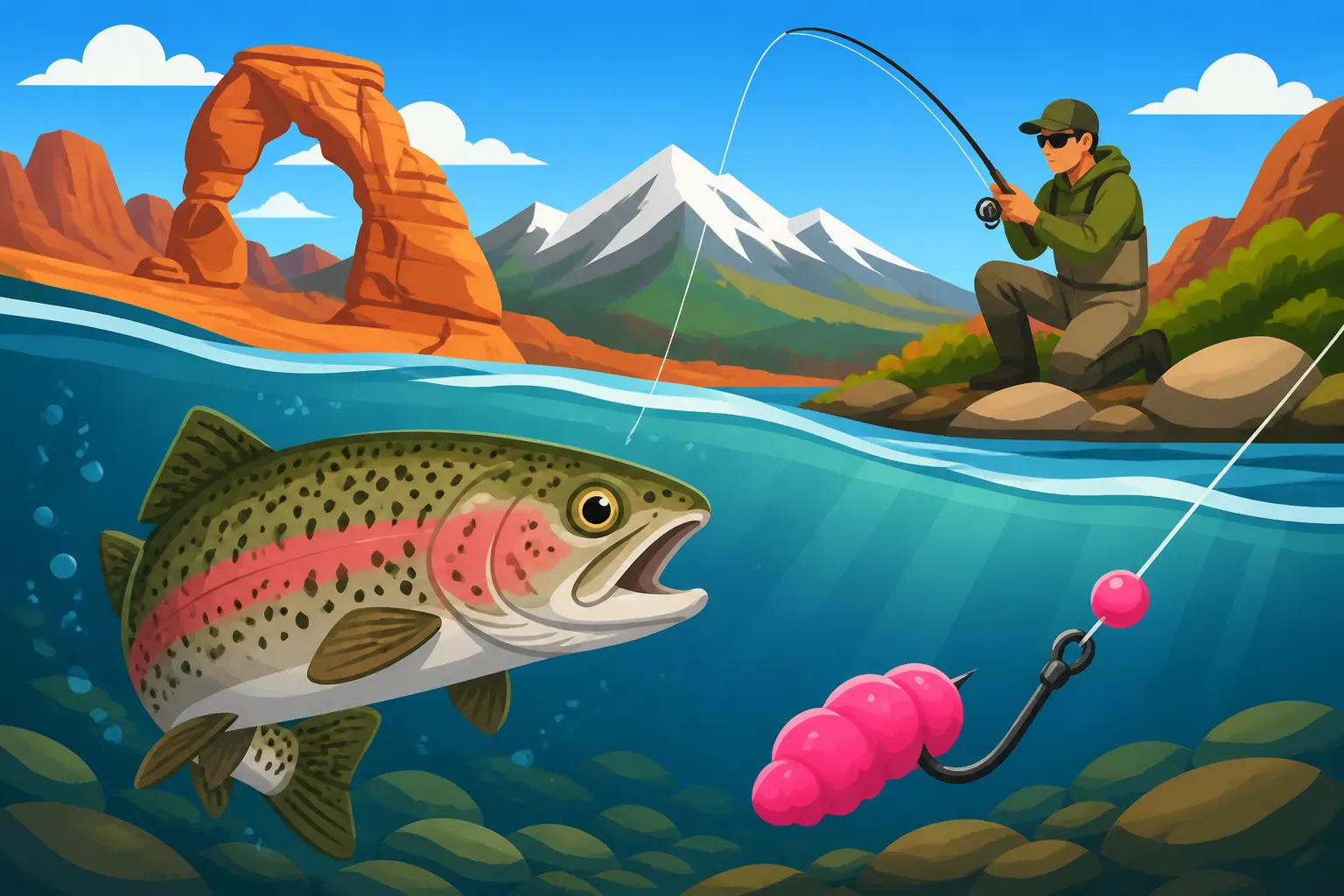
- Shape and Consistency: For PowerBait dough, how you mold it matters. You want to cover the hook completely, forming a tear-drop or ball shape that's just large enough to hide the hook and allow it to float. Avoid overly large blobs, which can be hard for trout to get their mouths around. For PowerBait nuggets or "worms," use a size appropriate for the hook, making sure the hook point is exposed or just barely covered. The goal is a natural, appealing presentation that can be easily inhaled by a trout. Mastering these subtle aspects is part of "How to Catch More Fish in Utah."
Finding and Fishing Stocked Trout Hotspots in Utah
One of the greatest advantages of fishing for stocked trout is that you know where they've been put. The Utah Division of Wildlife Resources (DWR) does a fantastic job of stocking hundreds of waters across the state. However, knowing the lake name isn't enough; you still need to find the fish within that water body.
Identifying Prime Locations in Lakes and Ponds
Stocked trout, especially soon after release, tend to stick together. They're seeking security in numbers and familiar comfort. Over time, they might disperse, but certain areas will always be more productive.
- Stocking Points: This might sound obvious, but often the DWR stocking trucks release fish at accessible points like boat ramps, fishing piers, or designated access areas. These spots can be hot for a few days after a stocking event. Don't be afraid to fish within casting distance of these areas. Our "How to Find Recent Stocking Reports for Utah Waters" will be your best friend here.
- Aerators/Inlets: Many community ponds and smaller reservoirs have aerators to keep water oxygenated. Trout love oxygen-rich water, so the areas around these aerators can be magnets. Similarly, where a small stream or inlet feeds into a pond, the fresh, cooler water and potential food source can attract fish.
- Structure: Look for any kind of underwater structure – submerged trees, rock piles, weed beds, or even changes in depth. These provide cover, a sense of security, and often hold small insects or other food sources. Even though they're pellet-fed, instinct still drives them to seek shelter. Use a fish finder if you have one, or simply observe the shoreline for clues about what might be under the surface.
- Shady Areas: Especially on bright, sunny days, trout will retreat to deeper or shadier areas. Overhanging trees, cliffs, or even the shadow cast by a pier can concentrate fish.
Utah offers a wealth of fishing opportunities. For those looking for local options, checking out "Best Community Ponds for Kids to Fish in Salt Lake City" or "Best Urban Fishing Ponds Along the Wasatch Front" could yield immediate results.
Reading the Water: Depth, Structure, and Fish Behavior
Beyond just choosing a location, actively "reading" the water will significantly enhance your PowerBait success. It's about understanding where the fish are and what they might be doing.
- Depth: Trout are often found at different depths depending on the time of day, water temperature, and available food.
- Early Morning/Late Evening: Trout might be closer to the surface, especially if insects are hatching or the water is cooler. This is where your suspended rig shines.
- Mid-Day/Warm Water: They'll often seek cooler, deeper water, making a bottom rig the preferred choice.
- Experiment: If you're not getting bites, try adjusting your depth. If using a slip bobber, change the bobber stop. If using a bottom rig, consider moving to a deeper or shallower casting zone.
- Visible Structure: Always keep an eye out for visible signs of structure. If you see reeds or lily pads, assume there are submerged versions further out. Rocky points or ledges on shore usually extend underwater. These are prime areas to cast your PowerBait, as they provide cover and potential food sources.
- Fish Behavior: Are you seeing fish jump or dimple the surface? That indicates they're feeding higher in the water column. Are other anglers catching fish on the bottom? Pay attention to what's working around you, but don't be afraid to try something different if everyone else is struggling. Often, the fish are in a specific zone, and it's your job to find it. Remember, these stocked trout might not be as wily as wild fish, but they still have preferences. Our "Utah Trout Species Guide" can help you identify what you're catching.
Troubleshooting and Advanced PowerBait Tactics
Even with the best gear and knowledge, sometimes the fish just aren't biting. It happens! But instead of packing up, a good angler knows how to troubleshoot and adjust. Moreover, there are always little tweaks and considerations that can take your PowerBait game to the next level.
Common Mistakes and How to Fix Them
It's easy to fall into habits, especially when something has worked for you in the past. But if the fish aren't cooperating, it's time to review your approach.
- Fishing Too Deep or Too Shallow: One of the most common issues is not presenting the bait at the correct depth. If you're using a bottom rig and not getting bites, try moving your setup to a slightly different depth zone along the shoreline, or even shortening your leader to float the PowerBait higher off the bottom. If you're using a bobber, try adjusting the bobber stop every 15-20 minutes until you find the fish's preferred depth.
- Too Much or Too Little PowerBait: If your PowerBait ball is too large, fish might nibble at it but struggle to inhale the hook. If it's too small, it might not hide the hook sufficiently or disperse enough scent. Aim for a pea-sized to dime-sized ball that completely covers your hook. It should be just buoyant enough to float the hook and leader.
- Improper Hook Set: With a slip-sinker rig, feeling a bite doesn't always mean setting the hook immediately. Let the fish pull for a second or two to ensure it has the bait fully in its mouth. Then, a firm, upward sweep of the rod tip is usually all it takes. Don't yank too hard, especially with light line and soft-mouthed trout.
- Not Changing Bait Frequently: PowerBait loses its scent and buoyancy over time, especially after being in the water or if it's been nibbled on. Change your bait every 15-30 minutes, or more often if you suspect something's been tasting it. A fresh, potent ball of PowerBait is much more attractive.
- Staying in One Spot: If you've been in a location for 30-45 minutes without a bite, move! Stocked trout are often cruising, and sometimes you just need to relocate to find the school. Walk the bank, try different depths, or switch to a new access point. "How to Fish From Shore in Utah" provides excellent tips for maximizing your reach without a boat.
Seasonal Adjustments and Other Considerations
Utah's diverse climate means that what works in spring might not work in summer. Adapting to the seasons and other environmental factors is crucial for consistent success.
- Spring/Fall: These are often prime times for PowerBait. The water temperatures are cooler, and trout are generally more active and spread out across the water column. They're recovering from winter or bulking up for it. Both bottom rigs and bobber rigs can be highly effective. After ice-off, fish are often hungry.
- Summer: As water temperatures rise, trout tend to go deeper to find cooler, more oxygenated water. This is when your slip-sinker bottom rig, set for maximum depth, will be your primary weapon. Focus on early mornings and late evenings, or target shaded areas during the day. Consider adding a small, fluorescent bead above your hook on your leader for extra visual appeal in deeper, darker water.
- Winter (Ice Fishing): PowerBait can still be effective through the ice! Use small jigs tipped with PowerBait, or suspend tiny PowerBait nuggets a foot or two off the bottom using a small ice fishing bobber or spring bobber. The scent still draws them in. Our "Utah Ice Fishing Guide" delves into more specific winter tactics.
- Wind and Waves: On windy days, casting light PowerBait can be a challenge. Use a slightly heavier sinker on your bottom rig to help with casting and keeping your bait in place. If there's chop on the water, the movement can actually help disperse the PowerBait's scent, so don't be discouraged!
- Water Clarity: In clear water, opt for more natural PowerBait colors (white, cream, clear, or rainbow) and longer, lighter leaders. In murky water, bright colors (chartreuse, orange) with added glitter will stand out best.
By keeping these points in mind, you'll be well on your way to becoming a PowerBait master, consistently outwitting those hatchery heroes in Utah's beautiful waters.
| PowerBait Type | Best Use Case | Rig Recommendation | Pros | Cons |
|---|---|---|---|---|
| PowerBait Dough | All-around, most common for stocked trout in stillwater | Slip-Sinker Bottom Rig / Float | Moldable, strong scent, buoyant, hides hook | Can be messy, can fall off on hard casts |
| PowerBait Nuggets | When fish are finicky, smaller presentation | Slip-Sinker Bottom Rig / Float | Less messy, consistent size, good for small hooks | Less scent dispersion than dough, not moldable |
| PowerBait Worms | When fish prefer a moving, soft plastic bait | Jig Head / Light Lead Head | Natural action, good for slow retrieve | Less buoyant, might require movement to entice |
| PowerBait Power Eggs | For extra buoyancy and visual appeal | Rigged above a natural bait/jig | Highly buoyant, vibrant colors, long-lasting | Less scent than dough, best as an accent |
Disclaimer
Fishing conditions, regulations, and fish behavior can change rapidly. Always consult the official Utah Division of Wildlife Resources (DWR) regulations guide before heading out on the water. This information is for educational purposes and general guidance only.