How to Choose Between Bait and Lures for Utah Trout
Oh, the age-old dilemma that every Utah angler faces, whether you're a seasoned pro or just dipping your toes into our incredible waters: should you go with good old bait, or are lures the way to go for catching those elusive (or not-so-elusive) trout? It's a question that can spark lively debates around any campfire or boat dock, and honestly, there's no single right answer. This guide is here to unravel the mysteries behind both approaches, helping you understand their strengths and weaknesses so you can make the best choice for your next Utah trout fishing adventure.
Understanding Bait for Utah Trout
Let's start with bait, the tried and true method that many of us grew up with. There's something undeniably simple and effective about presenting a natural (or natural-looking) meal to a hungry trout. It taps into their primal instinct to feed, and often, it just works.
The Allure and Accessibility of Bait Fishing
One of the biggest advantages of fishing with bait is its accessibility, especially for beginners or those fishing with kids. You don't need a lot of fancy casting skills or a nuanced understanding of fish behavior. Often, it's as simple as putting the bait on a hook, tossing it out, and waiting. The natural scent of bait is a huge draw for trout, especially in waters where they might be less active or when they're primarily relying on smell to locate food. Think about a lethargic trout in cold water or in a slightly turbid reservoir – that strong scent can be the trigger they need.
Another huge benefit is that bait can be incredibly effective for recently stocked trout. These fish are often accustomed to eating pellets in a hatchery setting, and they're usually pretty opportunistic feeders. A blob of PowerBait or a wiggling worm can look like an easy meal, and they'll often gobble it right up. You'll find that many of our community ponds and smaller reservoirs, which are regularly stocked by the Utah Division of Wildlife Resources, are perfect places to employ bait fishing techniques. It's a fantastic way to introduce someone to the joys of fishing and almost guarantee some action.
The Downside and Different Types of Bait
However, bait fishing isn't without its drawbacks. The biggest one, for many conservation-minded anglers, is the higher likelihood of fish swallowing the hook. This can lead to increased mortality, especially if you're trying to practice catch and release. It can also be a bit messier – handling worms, cutting up bait, and dealing with the residue can be a small inconvenience. Plus, there are specific regulations regarding bait use in certain waters. For instance, some of our beautiful fly-fishing-only stretches of river prohibit bait entirely, so it's always crucial to check the Utah Fishing Regulations Explained before you head out.
When it comes to the types of bait, you've got a smorgasbord to choose from:
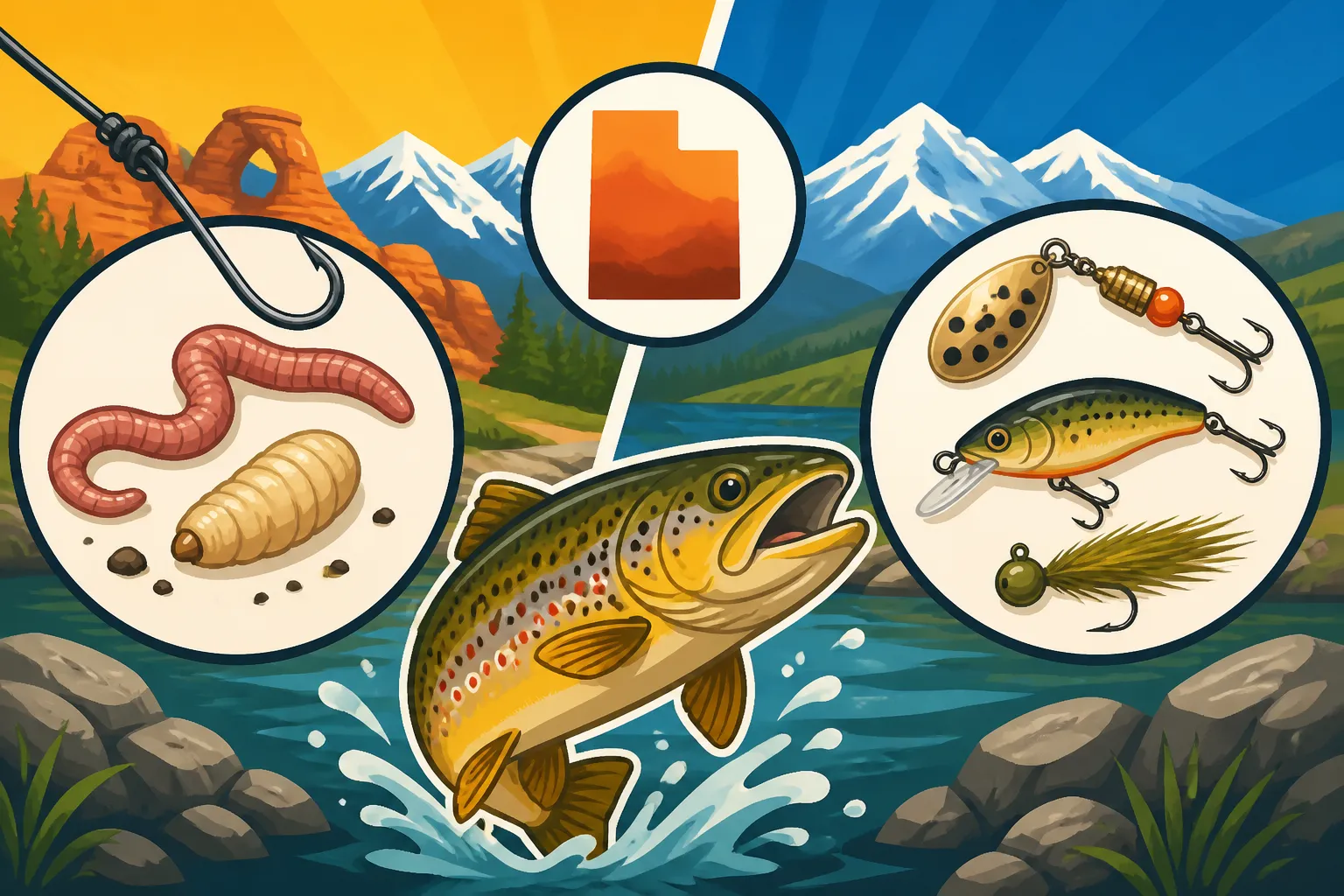
- Worms: The classic. Nightcrawlers and red wigglers are staples. They offer natural movement and scent. They work well in rivers and stillwaters. You can thread them on a hook or let them dangle.
- PowerBait: This synthetic, dough-like bait comes in an array of colors and scents. It's fantastic for stocked trout in stillwaters, designed to float off the bottom and present itself effectively. If you're wondering What Color PowerBait Works Best in Utah Reservoirs?, often bright colors like chartreuse, orange, or rainbow are highly effective, especially in clearer water.
- Salmon Eggs: Small, vibrant, and packed with scent, these are excellent for trout, particularly rainbow trout in streams and rivers. You can use them singularly or in small clusters.
- Corn & Marshmallows: While less common for serious anglers, these can be surprisingly effective, especially in heavily fished community ponds where trout might be less wary. They float and offer a visual appeal.
- Live Minnows (where legal): Be very cautious with live bait. While deadly effective for larger trout and other species, there are strict Utah Aquatic Invasive Species Rules for Anglers that limit the use and transport of live baitfish to prevent the spread of invasive species. Always verify regulations for the specific water you're fishing.
Diving into Lures for Utah Trout
Now, let's talk about lures. These artificial temptations are designed to mimic a trout's natural prey – be it a smaller fish, an insect, or even just something shiny and erratic that triggers an aggressive strike. Lure fishing is often a more active style of angling, requiring you to cast and retrieve, experimenting with different motions and speeds.
The Thrill and Effectiveness of Lure Fishing
Lure fishing truly shines when you're targeting more aggressive, wild, or larger trout. These fish are often looking for a meal that offers a bit more protein, and a well-presented lure can be irresistible. There's a certain thrill in feeling that distinct thump as a trout hammers your spinner or spoon, a clear indication of an aggressive take. Lures are also much cleaner to use than bait, making for a less messy experience on the water, which is always a plus.
For anglers who prioritize catch and release, lures are often the preferred choice. Fish tend to strike lures more aggressively and are usually hooked in the mouth, making it easier to remove the hook with minimal damage. This significantly increases the chances of the fish surviving and thriving after release. Plus, with a lure, you're constantly casting and retrieving, covering more water and actively searching for fish, which can be a more engaging and dynamic experience than simply waiting for a bite. You might also find that lures are fantastic for How to Troll for Kokanee in Utah, where covering water efficiently is key.
Types of Lures and Their Considerations
While lures can be more expensive to acquire initially, a well-chosen lure can last for many fishing trips. However, they do require a bit more skill to master. You'll need to learn different casting techniques, retrieval speeds, and how to "read" the water to understand where fish might be holding. If you're building out your tackle box, you might want to consult a guide on Best Lures for a Utah Tackle Box to ensure you're well-equipped.
Here are some of the most popular and effective lure types for Utah trout:
- Spinners: These are perhaps the most popular trout lures, and for good reason. They feature a spinning blade that creates flash and vibration, mimicking a fleeing baitfish or insect. Brands like Mepps, Panther Martin, and Rooster Tail are mainstays. You can find a huge variety of these spinners on Amazon, often with different weight and blade color options to suit various water conditions.
- Spoons: Metal spoons wobble and flash as they're retrieved, imitating injured baitfish. They can be cast and retrieved or jigged vertically. Kastmasters, Daredevles, and Little Cleos are excellent choices for trout in our larger reservoirs and lakes.
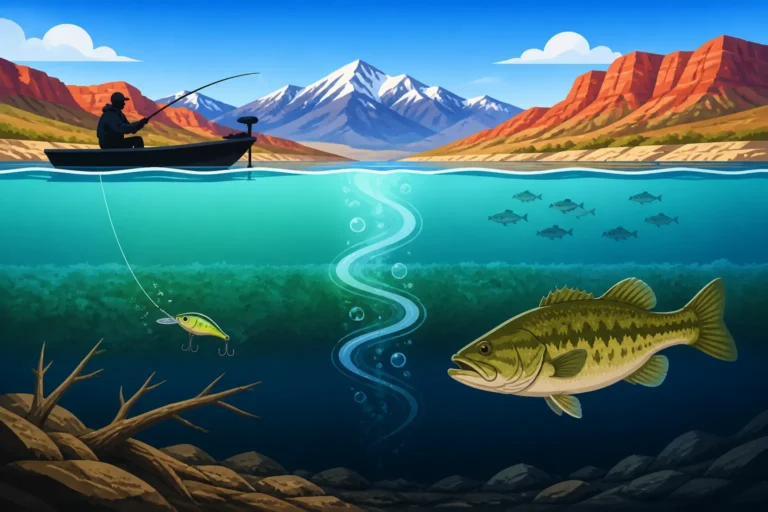
- Small Crankbaits/Plugs: These hard-bodied lures dive to various depths and have a built-in wobble. They can be incredibly effective for larger trout in both stillwaters and rivers, especially those that feed on smaller fish. Rapala and Rebel are well-known brands that make excellent trout-sized crankbaits.
- Jigs: Small jigs, often tipped with soft plastic bodies, marabou, or even a bit of bait, can be deadly effective, especially in deeper water or when trout are less active. They mimic aquatic insects or small baitfish. Learning How to Rig a Jig for Utah Trout can open up a whole new world of subtle presentations.
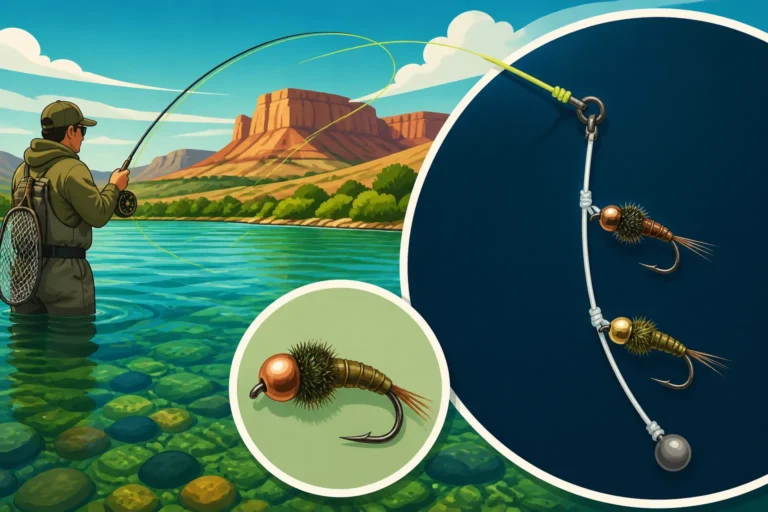
- Flies (for fly fishing): While a distinct discipline, flies are essentially specialized lures designed to imitate insects at various stages of their life cycle. For waters like the Provo River, understanding Best Flies for Utah Trout Streams is paramount.
When to Choose Which: Matching Approach to Conditions
The real art of trout fishing lies in understanding when to choose bait, when to choose lures, and sometimes, how to combine them. It's all about adapting to the conditions and the specific type of trout you're targeting.
Factors Influencing Your Decision
Let's break down some key considerations:
- Stocked vs. Wild Trout: As mentioned, stocked trout often respond incredibly well to bait like PowerBait or worms, especially right after a stocking truck visit. Wild trout, however, tend to be warier and more accustomed to natural food sources, often making them more receptive to a subtle, realistic lure presentation or a carefully drifted fly. If you're fishing a popular stocked pond, bait might give you quicker results. If you're hiking into a remote Uinta high-mountain lake, a handful of small spinners or flies might be a better bet.
- Water Conditions: Water clarity plays a huge role. In clear water, trout rely heavily on sight. A well-presented lure that looks natural can be very effective, but so can a very subtle bait presentation. In murky or stained water (perhaps after some spring runoff, like when learning How to Fish a River During Spring Runoff in Utah), scent becomes paramount, giving bait a distinct advantage. However, brightly colored or highly vibrating lures can also attract attention in lower visibility.
- Time of Year and Day: Trout behavior changes with the seasons and even throughout the day. In colder water conditions, such as early spring or late fall, trout can be lethargic. A stationary bait offering (like a worm on the bottom or PowerBait floating off a slip sinker) might be more effective than a fast-moving lure. During warmer periods, when trout are more active and aggressive, they are often more willing to chase and strike lures. Early morning and late evening often see trout more actively feeding, which can be prime time for either.
- Fishing Location and Depth: Are you fishing from shore, a boat, a kayak, or wading a river?
- Shore Fishing: Both bait and lures work from shore. Bait allows you to cast out and let it sit, while lures let you cover a wider area. If you're fishing How to Fish From Shore in Utah, having options is key.
- Stillwaters (Lakes & Reservoirs): Bait can be excellent for bottom fishing or using a bobber. Lures are fantastic for casting and retrieving, or especially for trolling to cover large expanses of water and find active fish. Deeper water might favor vertical jigging with lures or heavier bait rigs.
- Rivers and Streams: Lures like spinners and small crankbaits are great for casting across and retrieving downstream. Bait, particularly worms or salmon eggs, can be drifted naturally with the current. Fly fishing, of course, is a specialized lure technique that excels in these environments.
Practical Comparisons: Bait vs. Lures
To help you visualize the differences, here's a quick comparison:
| Feature | Bait (e.g., Worms, PowerBait) | Lures (e.g., Spinners, Spoons) |
|---|---|---|
| Effectiveness | Often highly effective for stocked/less active fish; strong scent draw. | Great for aggressive, wild, or larger fish; triggers reaction strikes. |
| Skill Level | Low to moderate; simple cast and wait. | Moderate to high; requires casting, retrieving, presentation skills. |
| Cleanliness | Can be messy; requires handling live/scented material. | Generally clean; easy to handle and store. |
| Catch & Release | Higher chance of deep hooking; careful handling needed. | Lower chance of deep hooking; easier release. |
| Cost | Generally inexpensive per use; consumables. | Higher initial cost, but reusable over many trips. |
| Coverage | Limited to area bait is presented; passive waiting. | Covers more water quickly; active searching. |
| Species | Effective for nearly all trout species, some panfish. | Excellent for trout, bass, pike, kokanee, etc. |
The Hybrid Approach & Essential Considerations
Sometimes, the best strategy isn't choosing between bait and lures, but rather using both or selecting what's most appropriate for the moment.
Combining Forces and Gear Essentials
A clever angler will often employ a hybrid approach. For instance, you might try tipping a small jig or a spinner with a piece of a worm or a scented soft plastic. This combines the visual and vibrational appeal of a lure with the irresistible scent of natural bait. You could also set up one rod with a traditional bait rig (maybe for shore fishing) while actively casting and retrieving lures with another. This dual approach allows you to explore what the fish are keying in on that particular day.
No matter your preference, having the right gear makes a huge difference. For bait fishing, you'll want light to medium-light action spinning rods that are sensitive enough to detect subtle bites. When it comes to lures, a slightly stiffer rod might give you more casting control and better hook-setting power. You can find a wide selection of rods, reels, and tackle components on Amazon to suit any budget or fishing style. For general guidance, check out Best Fishing Rods for Utah Anglers. Don't forget the small details, like knowing What Size Hook Should You Use for Utah Stocked Trout? to ensure your bait presentation is just right.
Regulations and Responsible Angling
Before you even tie on a hook or lure, always, always consult the current Utah fishing regulations. These regulations are designed to protect our fisheries and ensure sustainable angling for everyone. As we've discussed, bait restrictions are common in certain areas, particularly on blue ribbon fly-fishing streams or specific catch-and-release waters. You don't want to accidentally incur Utah Fishing License Penalties for Violations by using an illegal bait.
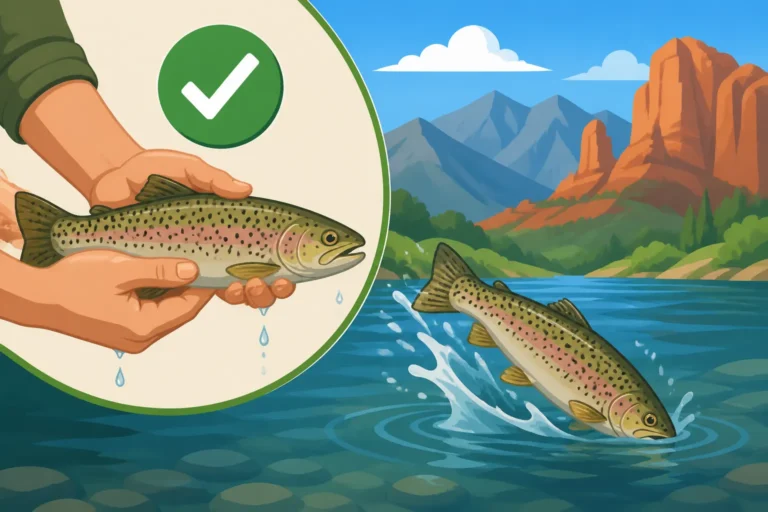
Finally, regardless of whether you choose bait or lures, responsible angling practices are paramount. If you're practicing catch and release, handle fish gently, minimize their time out of water, and use appropriate tools like needle-nose pliers for hook removal. Be mindful of your impact on the environment, packing out everything you pack in. Our beautiful Utah waters are a precious resource, and it's up to all of us to protect them for future generations of anglers.
Ultimately, the choice between bait and lures for Utah trout fishing is a personal one, often dictated by the conditions, your skill level, and your preferred fishing style. The most successful anglers are those who are versatile, willing to experiment, and observant of what the fish are telling them. So, whether you're dangling a worm or twitching a spinner, enjoy the journey, learn from every cast, and savor the stunning natural beauty that Utah's fishing spots have to offer!
Disclaimer
This article is for general informational purposes only and does not constitute professional advice. Laws, prices and regulations vary by location and change over time. Consult a qualified professional for guidance on your specific situation.