Utah Fishing Gear Guide
Figuring out what fishing gear you really need in Utah can feel like trying to solve a complicated riddle, especially when you're just starting out or looking to expand your horizons beyond the same old tackle box setup. Between the high mountain lakes, the vast reservoirs, and the pristine rivers, Utah offers such a diverse range of fishing experiences that knowing which rod, reel, or even pair of waders to choose can be genuinely overwhelming. This comprehensive guide is here to untangle that confusion, walking you through the essential gear for every type of Utah angler, ensuring you're well-equipped and confident for your next adventure on the water.
Understanding the Basics: What Every Utah Angler Needs
When you first dive into the world of fishing, whether you're a seasoned pro relocating to Utah or a complete newbie looking to cast your first line, the sheer volume of gear available can be a bit daunting. It’s easy to get caught up in flashy advertising or advice that doesn't quite fit the diverse waters we have here. But at its core, fishing requires a few fundamental pieces of equipment that are non-negotiable for a successful and enjoyable outing. Think of these as the building blocks of your fishing arsenal, regardless of whether you're chasing trophy lake trout or simply introducing a youngster to the joys of catching bluegill at a local pond.
The Absolute Essentials for Any Fishing Trip
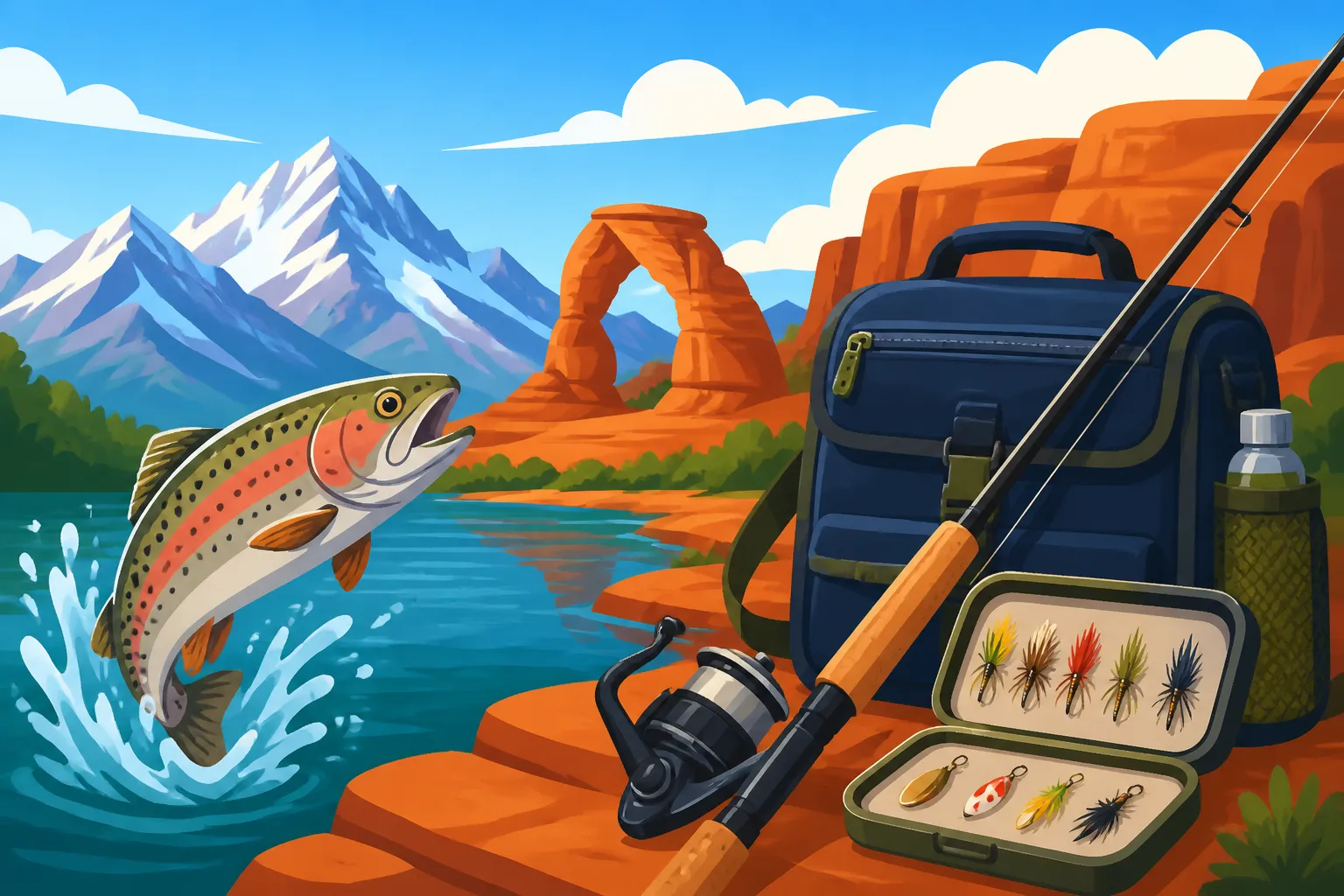
Every single time you head out to fish in Utah, there are certain items you absolutely cannot do without. First and foremost, you need a valid Utah Fishing License Guide. This isn't just a suggestion; it's a legal requirement for most anglers, and wardens do check. Beyond that, the core setup typically includes a rod, a reel, and fishing line. For beginners, a simple spinning rod and reel combo is often the most forgiving and versatile choice, capable of handling everything from stocked rainbow trout in community ponds to smallmouth bass in our reservoirs. You'll also need some terminal tackle, which is a fancy way of saying hooks, sinkers (weights), and possibly bobbers. Don't forget bait or lures appropriate for the species you're targeting and the water you're fishing.
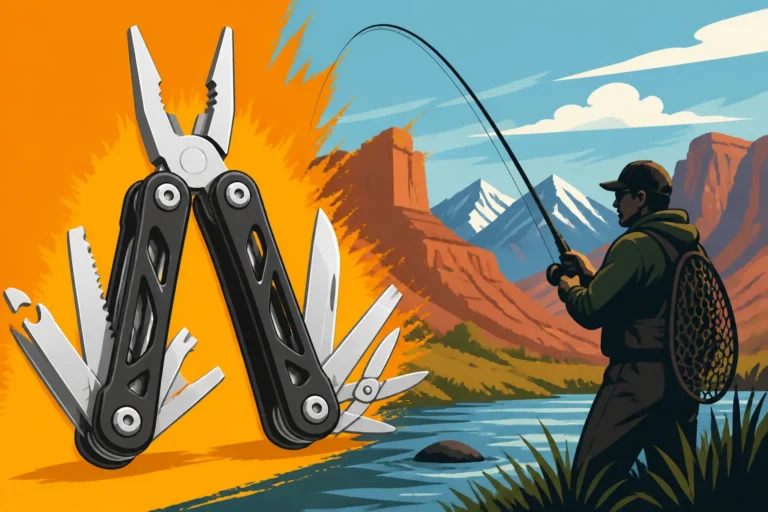
Beyond the immediate fishing implements, a few other essentials ensure comfort and safety. A small tackle box or bag to keep your hooks and lures organized is incredibly helpful, preventing tangles and lost items. A pair of needle-nose pliers or a multi-tool is crucial for removing hooks safely, both for the fish's health and your fingers. Many anglers also carry a small stringer or a cooler to keep their catch fresh if they plan on harvesting fish. Lastly, always pack water, sunscreen, and appropriate layers of clothing, because Utah's weather can change on a dime, especially in the mountains. What Gear Does a First-Time Utah Angler Need? provides a good starting point.
Why Quality Gear Makes a Difference
It's tempting to grab the cheapest rod and reel combo you can find when you're just starting, and while that can get you on the water, investing in slightly better quality gear early on can dramatically improve your experience and success. Quality doesn't always mean the most expensive, but it does mean reliable. A smooth-operating reel won't jam, a sensitive rod will help you feel subtle bites, and durable line won't snap on every snag. Think about it: nothing is more frustrating than having a big fish on the line only for your reel's drag to seize up or your rod tip to snap. These moments can quickly turn a fun outing into a sour memory.
Moreover, better quality gear often lasts longer. A well-maintained mid-range rod and reel can provide years of reliable service, whereas cheaper alternatives might wear out after just a season or two. This isn't just about saving money in the long run; it's about building confidence in your equipment. When you trust your gear, you can focus more on technique, reading the water, and enjoying the tranquility of your surroundings. Plus, a comfortable rod and reel can reduce fatigue, allowing you to fish longer and more effectively. It's about enhancing the overall joy of the sport.
Budgeting for Your First Gear Purchase
Setting a budget for fishing gear is a smart move, and thankfully, you don't need to break the bank to get started in Utah. For a basic spinning rod and reel combo suitable for general trout and bass fishing, you can find decent options that combine affordability with respectable performance. Look for brands that offer entry-level kits, often available at big retailers like Bass Pro Shops or online through Amazon, which can be a great way to get a serviceable setup without overspending. Remember, you'll also need to factor in line, hooks, sinkers, and a few basic lures or bait.
A good strategy is to prioritize a balanced setup. For instance, a medium-light action rod between 6 to 7 feet paired with a 2000 or 2500 series spinning reel spooled with 6-8 pound test monofilament line is a fantastic all-around choice for many Utah waters. This kind of setup offers enough sensitivity for smaller fish but also has the backbone to handle larger catches. As you gain experience and discover specific types of fishing you enjoy more – like fly fishing for Utah Trout Species Guide in rivers or trolling for lake trout in Flaming Gorge Fishing Guide – you can then invest in more specialized equipment tailored to those pursuits. Start simple, learn what you like, and then upgrade strategically.
Rods and Reels: Your Primary Tools for Success
The rod and reel are the heart of your fishing setup. They work in tandem to cast your line, present your bait or lure, and ultimately, to battle and land fish. Understanding the different types and what they're best suited for in Utah's diverse fishing environments is key to choosing wisely. Each has its own strengths and weaknesses, making some more appropriate for certain techniques or species than others.
Spinning Combos: The Versatile Workhorses
Spinning rod and reel combos are, without a doubt, the most popular and versatile choice for anglers of all skill levels, especially beginners. The design of a spinning reel, with its open-faced spool and fixed bail, makes it incredibly easy to cast, even with light lures or baits. This ease of use is a huge advantage when you're learning How to Cast a Spinning Rod for the First Time or just enjoying a casual day at a local pond. They excel in situations where you might be casting small jigs, lightweight spoons, or bobber-and-bait setups. For the vast majority of Utah's stocked trout waters and even for chasing smaller bass, a spinning combo is often your best bet.
When choosing a spinning combo for Utah, consider a medium-light to medium action rod, typically 6 to 7 feet in length. This range offers a good balance of sensitivity for feeling bites and backbone for fighting fish. Pair it with a matching 2000 or 2500 size reel. Look for a reel with a smooth drag system, as this is critical for preventing line breaks when a fish makes a strong run. Brands like Penn, Shimano, and Daiwa offer excellent entry-level and mid-range spinning combos that are readily available at stores like Bass Pro Shops. These setups are fantastic for fishing places like community ponds, smaller rivers like the Provo River for trout, and the shallows of many reservoirs for panfish.
Baitcasting Setups: Power and Precision
Baitcasting setups are a step up in complexity from spinning gear, but they offer unparalleled power, accuracy, and control, making them a favorite among experienced anglers, particularly for targeting larger, harder-fighting fish. Unlike spinning reels, baitcasters feature a revolving spool, which allows for more direct contact with the line and heavier line capacities. This makes them ideal for throwing heavier lures, working through thick cover, or battling species like large bass, walleye, or even substantial carp in waters like Utah Lake Fishing Guide. They do require more practice to master, as backlashes (where the spool spins faster than the line peels off, creating a bird's nest) are common for beginners.
If you're looking to delve into baitcasting for Utah fishing, especially for species like smallmouth bass at Flaming Gorge or largemouth bass in warmer, brushier reservoirs, a medium-heavy to heavy action rod, usually 6.5 to 7.5 feet, is a good starting point. This rod strength provides the leverage needed for bigger fish and heavier lures. The reel should be chosen based on gear ratio, with higher ratios for fast retrieves and lower ratios for power applications. Good quality baitcasting reels from brands like Abu Garcia or Lew's can be found, offering the precision needed for pitching and flipping techniques often employed in bass fishing.
Fly Fishing Rigs: Art and Science on the Water
Fly fishing is an art form, a dance between angler, rod, and water, deeply rooted in mimicking natural insect life. While it has a steeper learning curve than spin fishing, the rewards – especially on Utah's pristine rivers like the Green River below Flaming Gorge or the Provo River Fishing Guide – are immense. A fly fishing rig consists of a fly rod, a fly reel, fly line, leader, and tippet. Unlike other forms of fishing, the weight of the line is what carries the nearly weightless fly to its target, not the lure itself. This allows for delicate presentations that are often necessary to fool wary trout.
For most trout fishing in Utah, a 9-foot, 5-weight fly rod is considered the most versatile "one-size-fits-all" option. It's light enough to present small dry flies delicately but has enough backbone to handle larger nymphs, streamers, and respectable trout. The reel primarily acts as a storage for your line and a drag system for fighting larger fish; it doesn't do much in the casting process. You'll need a weight-forward floating fly line, a tapered leader, and a spool of tippet material. Investing in quality waders and wading boots is also crucial for comfortable and safe access to many of Utah's best fly fishing rivers. Utah Fly Fishing Guide offers a deeper dive into this captivating pursuit.
| Gear Type | Best For | Typical Rod Length & Action | Reel Type & Size | Key Feature |
|---|---|---|---|---|
| Spinning Combo | Beginners, Trout, Panfish, Light Lures | 6-7 ft, Medium-Light to Medium | Spinning, 2000-2500 | Ease of Casting, Versatility |
| Baitcasting | Experienced Anglers, Bass, Walleye, Heavy Lures | 6.5-7.5 ft, Medium-Heavy to Heavy | Baitcaster, various ratios | Power, Accuracy, Control |
| Fly Fishing | Trout, Delicate Presentation, Rivers | 8.5-9 ft, 4-6 Weight | Fly Reel | Mimicking Natural Insects |
Tackle Box Essentials: Baits, Lures, and Terminal Tackle
Once you have your rod and reel, the next crucial step is filling your tackle box with the right tools to attract and hook fish. This category covers everything from what you put on your hook to the various components that connect your line to your lure or bait. The choices are endless, but by focusing on some proven Utah favorites, you can build an effective arsenal without unnecessary clutter.
Natural Baits and Attractants
Natural baits have been catching fish for millennia, and for good reason: they're often irresistible. For many species in Utah, especially stocked trout, nothing beats the appeal of a juicy worm. Nightcrawlers or mealworms are incredibly effective and can be fished under a bobber or on the bottom. PowerBait, in its various forms (dough, nuggets, or Gulp! varieties), is another staple for trout anglers across the state. These scented, often brightly colored, moldable baits are designed to float off the bottom, presenting an easy meal. How to Fish PowerBait for Stocked Trout provides detailed instructions for this popular technique.
Beyond trout, other species respond well to natural offerings. For catfish in Utah Lake, cut bait (like pieces of shad or carp) or chicken livers are prime choices, especially when fished on the bottom. Even small pieces of corn can be surprisingly effective for panfish in community ponds. The key with natural bait is to ensure it's fresh and presented appealingly. Consider carrying a small bait cooler or a container with ice to keep your live bait lively and your prepared baits from spoiling, particularly on warm Utah summer days.
Artificial Lures for Different Species
Artificial lures are designed to mimic the appearance and movement of prey, provoking a strike from predatory fish. The diversity of lures is staggering, but a few categories consistently produce results across Utah's waters. For trout, small spinners (like Mepps, Rooster Tail, or Panther Martin), spoons (Kastmasters, Dardevles), and small jerkbaits are excellent choices. These lures imitate fleeing baitfish or even large insects, triggering aggressive strikes. Colors can vary, but silver, gold, and bright fluorescent patterns are often effective.
When targeting bass, especially smallmouth bass in rocky reservoirs like Flaming Gorge or Deer Creek, soft plastic baits (worms, grubs, tubes), crankbaits, spinnerbaits, and topwater lures are indispensable. Each type of lure excels in different conditions and depths. For walleye in Utah Lake, jigs tipped with a minnow or a plastic grub, crankbaits, and blade baits are common choices, often fished near the bottom or trolled. For species like wiper or tiger muskie, larger, more aggressive lures like swimbaits, large spinnerbaits, or muskie-specific plugs are required due to their size and predatory nature. Best Lures for a Utah Tackle Box offers more specific recommendations.
Hooks, Sinkers, Floats, and Line
These "terminal tackle" items are the unsung heroes of your fishing setup, connecting your line to your bait or lure and dictating how it behaves in the water.
- Hooks: The size and type of hook depend entirely on the bait and fish species. For trout with PowerBait, a small treble hook or a single size 10-14 bait holder hook works well. For larger fish like bass or walleye, larger, stronger hooks are needed. Always choose sharp hooks for better penetration and use circle hooks when possible for easier, safer releases, especially if you're practicing catch-and-release.
- Sinkers (Weights): Sinkers get your bait or lure down to the desired depth. Split shot weights are common for light presentations, while bullet weights are perfect for Texas rigging soft plastics for bass. Egg sinkers or pyramid weights are often used for bottom fishing with natural baits. Carry a variety of weights to adapt to different depths and current conditions.
- Floats (Bobbers): Bobbers indicate a bite and keep your bait at a specific depth. Traditional round bobbers are great for still water, while slip bobbers offer more versatility for deeper water or when you need to cast further.
- Fishing Line: This is your direct connection to the fish. Monofilament (mono) is a popular, affordable all-around choice, offering good knot strength and stretch. Fluorocarbon is nearly invisible underwater and has less stretch, making it excellent for finesse presentations. Braided line offers incredible strength, sensitivity, and no stretch, ideal for heavy cover or when targeting larger fish, though it's more visible. A general-purpose choice for trout in Utah is 4-6 pound test monofilament; for bass or walleye, 8-12 pound mono or fluorocarbon, or even heavier braid with a fluorocarbon leader, might be preferred. Best Fishing Line for Utah Trout delves into choices for specific species.
Specialized Gear for Utah's Diverse Waters
Utah's fishing landscape is incredibly varied, from frozen lakes in winter to fast-flowing mountain rivers in summer. To truly maximize your success and comfort, having some specialized gear tailored to these specific conditions can make all the difference. Generic setups only go so far; sometimes, you need to gear up for the unique challenges and opportunities each environment presents.
Ice Fishing Gear for Winter Adventures
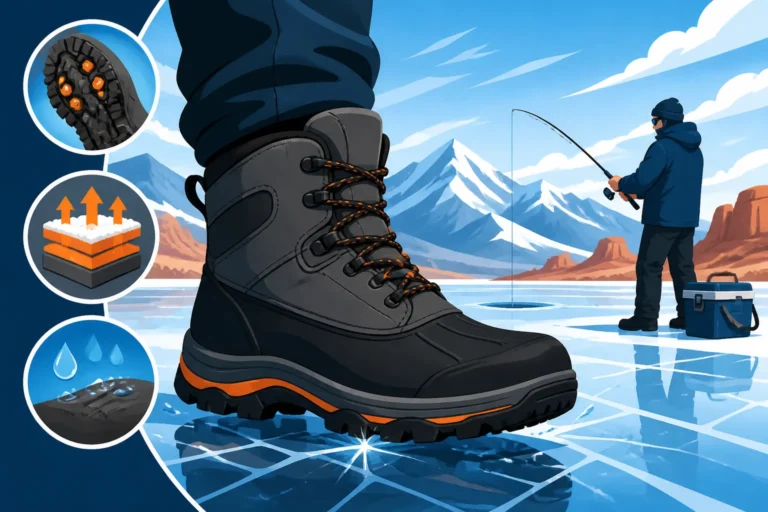
When Utah's lakes and reservoirs freeze over, a whole new world of fishing opens up. Ice fishing requires a distinct set of gear to safely and effectively pursue fish through a hole in the ice. First, you'll need an ice auger to cut through the ice. Manual augers are fine for thinner ice, but a propane or battery-powered auger is a game-changer for thicker ice or drilling many holes. Next, specialized ice fishing rods are much shorter than conventional rods, typically 24-36 inches long, designed for jigging in a small space. Pair these with small spinning reels or specialized ice fishing reels. Utah Ice Fishing Guide covers everything from safety to species-specific techniques.
Beyond the rod and reel, a few other items are critical. An ice fishing shelter (shanty) provides protection from the wind and cold, making long days on the ice much more comfortable. A portable heater can also make a huge difference. You'll need ice jigs, small spoons, and live bait like mealworms or waxworms. Safety equipment, such as ice picks (worn around your neck for self-rescue), a spud bar (to check ice thickness), and appropriate winter clothing are non-negotiable. Always check How Thick Does Utah Ice Need to Be Before You Can Fish On It? before venturing out.
River Wading Gear for Flowing Waters
For many of Utah's renowned trout rivers and streams, wading into the water is the best way to access prime fishing lies and present your flies or lures effectively. This requires specialized clothing and footwear to keep you dry, warm, and safe. Waders are the most important component – these waterproof garments cover your legs and chest, allowing you to stand in the water without getting soaked. They come in two main types: breathable waders, which are lighter and more comfortable for warmer weather or active hiking, and neoprene waders, which offer superior insulation for colder conditions.
Alongside waders, a good pair of wading boots is essential. These boots provide ankle support and critical traction on slippery riverbeds. Many anglers opt for felt soles for maximum grip on mossy rocks, while others prefer rubber soles that can be studded for extra traction and are easier to clean (important for preventing the spread of Utah Aquatic Invasive Species Rules for Anglers). A wading belt should always be worn with waders, not just for comfort, but as a safety measure to prevent water from filling your waders rapidly if you stumble. A wading staff is also a highly recommended safety item, providing balance and helping you probe the depth and stability of the river bottom before taking a step. Best Waders for Cold Provo River Water offers more in-depth advice.
Kayak and Float Tube Setups for Stillwaters
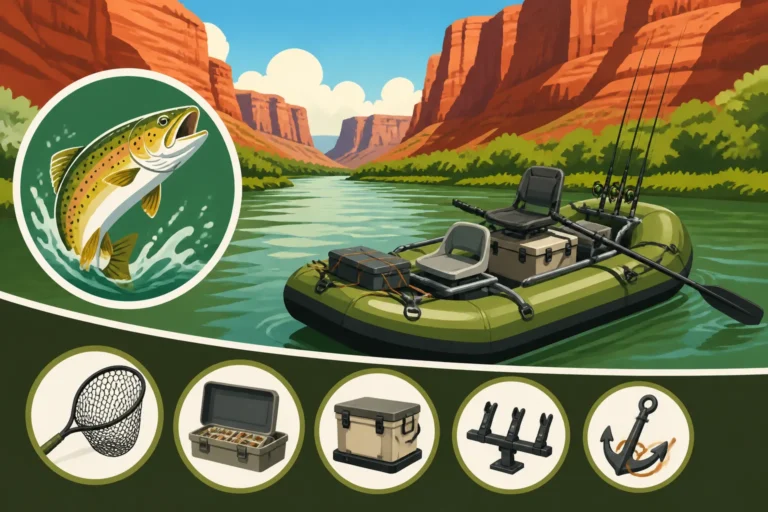
Utah boasts numerous reservoirs and high-mountain lakes that are perfect for exploring by personal watercraft, offering access to areas often unreachable from shore. Kayaks and float tubes have become incredibly popular for this reason. A fishing kayak is typically wider and more stable than a recreational kayak, often equipped with features like rod holders, storage compartments, and even transducer mounts for fish finders. Best Kayaks for Utah Lake Fishing details what to look for in these vessels. You'll need a paddle, a comfortable seat, and a PFD (Personal Flotation Device).
Float tubes, on the other hand, are essentially personal, inflatable fishing chairs that allow you to quietly maneuver across stillwaters with fins on your feet. They are particularly favored by fly anglers targeting trout in smaller lakes or coves, offering a stealthy approach. Both kayaks and float tubes require careful consideration of safety, including wearing a life jacket, carrying a whistle, and understanding the weather conditions on the water. Accessories like anchor systems, gear leashes, and waterproof bags are also highly recommended to prevent losing valuable items overboard.
Essential Boating and Watercraft Gear
For many Utah anglers, especially those targeting larger species or exploring vast reservoirs like Lake Powell, Bear Lake, or Flaming Gorge, a boat is an indispensable tool. Operating a boat, whether it's a small jon boat or a large fishing machine, comes with its own set of gear requirements, with safety and navigation being paramount.
Safety Equipment: Beyond the Basics
Safety on the water is non-negotiable, and Utah has specific regulations governing required boating safety equipment. Beyond a valid Utah Boating and Fishing Rules and registration, every vessel must have enough U.S. Coast Guard-approved Personal Flotation Devices (PFDs or life jackets) for every person on board. Children under a certain age are legally required to wear a PFD while the boat is underway. Additionally, a throwable flotation device (like a cushion or ring buoy), a sound-producing device (horn or whistle), navigation lights (if operating after sunset or before sunrise), and a fire extinguisher are generally mandatory.
However, smart anglers go beyond the minimum requirements. Carrying extra water, a first-aid kit, spare clothes in a dry bag, a basic tool kit, and a fully charged cell phone (in a waterproof case) are just good practice. Consider a marine radio for communication in areas with no cell service, especially on large, remote waters like Lake Powell. Always tell someone your float plan – where you're going and when you expect to return – before heading out. Over-preparedness is always better than wishing you had something when an emergency strikes.
Electronics and Navigation Aids
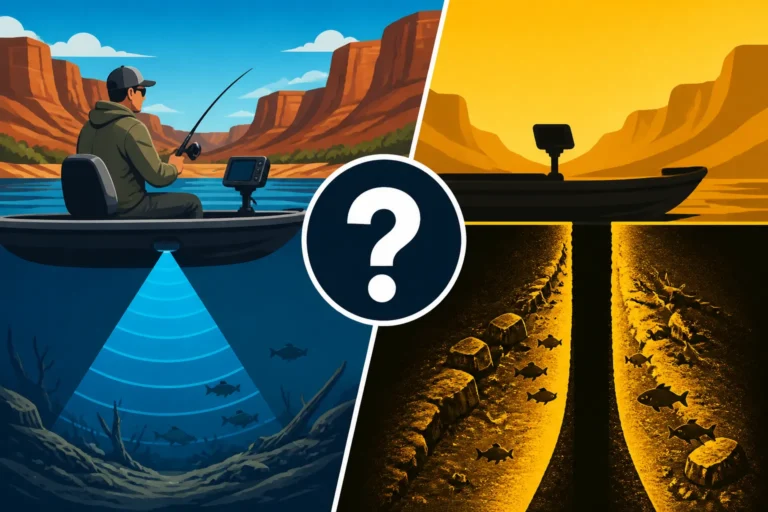
Modern fishing boats are often equipped with an array of electronics that can dramatically enhance your fishing success and safety. A fish finder is perhaps the most crucial, allowing you to see underwater structure, depth contours, and, most importantly, fish! Features like CHIRP sonar, Down Imaging, and Side Imaging provide incredibly detailed views of the underwater world. Brands like Humminbird and Lowrance are popular choices. Learning How to Read a Fish Finder for Utah Reservoirs is a skill worth developing to unlock its full potential.
GPS units, often integrated into fish finders or available as standalone units, are vital for navigation, especially on vast reservoirs with numerous coves and islands. They allow you to mark productive fishing spots (waypoints), navigate safely back to the boat ramp, and avoid hazards. For those who enjoy trolling, a good electric trolling motor (often with GPS-guided features like spot-lock) can hold your boat precisely over structure or along a contour line, freeing you up to focus on fishing. Remember to carry up-to-date paper maps or charts as a backup, especially in remote areas where electronics can fail.
Maintaining Your Vessel for Utah's Conditions
Owning a boat in Utah means dealing with specific environmental factors, primarily the sun, elevation, and the critical need to prevent the spread of aquatic invasive species (AIS). Regular maintenance is key to prolonging your boat's life and ensuring safe operation. This includes routine engine checks, keeping your trailer in good repair (tires, lights, bearings), and protecting your boat from UV damage with covers and protectants.
Crucially, Aquatic Invasive Species (AIS) prevention is a huge responsibility for every boater in Utah. Quagga and zebra mussels are a serious threat, and special rules apply, especially after leaving certain waters like Lake Powell. This often means your boat will need to be inspected at designated Utah Aquatic Invasive Species Inspection Stations and potentially decontaminated and allowed to dry for a specified period. Always "Clean, Drain, and Dry" your boat thoroughly after every outing. This isn't just a recommendation; it's vital for protecting Utah's fisheries and waterways. Neglecting AIS rules can lead to significant penalties.
Clothing, Comfort, and Safety on the Water
Fishing in Utah exposes you to a wide range of weather conditions, from intense summer sun to freezing winter winds. Dressing appropriately and prioritizing comfort and personal safety is just as important as having the right rod and reel. Being miserable due from cold, heat, or sunburn can quickly ruin an otherwise perfect day on the water.
Dressing for Utah's Variable Weather
The old adage "layer up" is particularly true for Utah fishing. Even on a seemingly warm day, temperatures can drop significantly if a cloud rolls in, the wind picks up, or you move to a higher elevation. Start with a moisture-wicking base layer to draw sweat away from your skin. Add an insulating layer, such as fleece or wool, for warmth. Your outer layer should be windproof and waterproof or at least water-resistant to protect against unexpected rain, snow, or spray from the boat.
For winter fishing, especially ice fishing, thermal underwear, insulated pants, a heavy insulated jacket, a warm hat, and insulated, waterproof gloves or mittens are absolute necessities. Investing in quality cold-weather gear means you can stay out longer and remain focused on fishing rather than shivering. Even in summer, pack a lightweight rain jacket and pants – those afternoon thunderstorms in the mountains can pop up quickly!
Sun Protection and Hydration
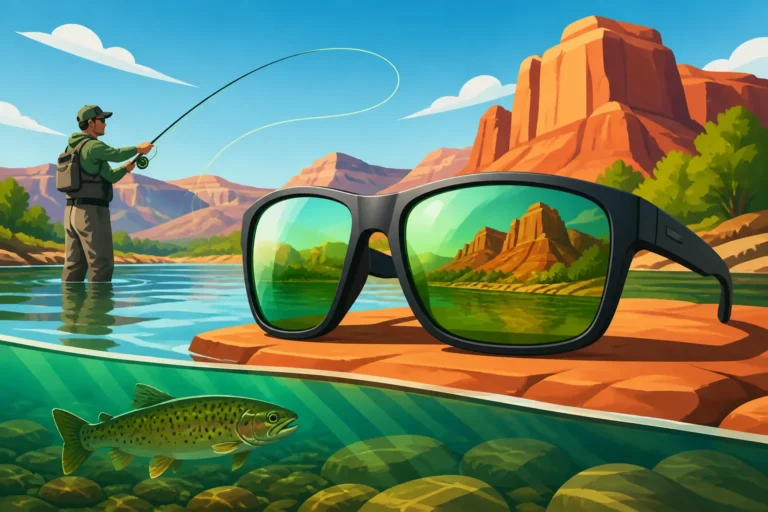
Utah's high altitude means intense sun exposure, even on cloudy days. Protecting yourself from harmful UV rays is critical for long-term health and short-term comfort. Wide-brimmed hats offer excellent protection for your face, ears, and neck. Sunglasses (polarized are best for fishing as they cut glare and help you see into the water) protect your eyes. Sunscreen with a high SPF should be applied liberally and frequently to any exposed skin. Don't forget the back of your hands and neck!
Staying hydrated is equally important, particularly during warm months or when exerting yourself (like wading or paddling). Always carry more water than you think you'll need. Electrolyte drinks can also be beneficial on very hot days. Dehydration can lead to fatigue, headaches, and impaired judgment, none of which are good for a day of fishing. A good quality cooler filled with ice and drinks is a wise investment for any extended trip.
First Aid and Emergency Preparedness
Accidents happen, even on the most serene fishing trips. A well-stocked first-aid kit is an absolute must-have for any outing. It should contain essentials like bandages, antiseptic wipes, pain relievers, allergy medication, and any personal prescriptions. Consider adding items specific to fishing, such as splinter removers, super glue for minor cuts, and a good pair of hemostats or forceps for safely removing hooks from yourself or a partner.
Beyond first aid, being prepared for other emergencies is crucial. A knife or line cutters, a headlamp or flashlight (even for day trips, in case you get delayed), a fire starter, and a small amount of non-perishable food are good items to keep in a "go bag" or emergency kit. If fishing alone, consider carrying a personal locator beacon (PLB) or satellite messenger, especially in remote areas where cell service is unreliable. Informing someone of your fishing plans and expected return time is a simple but vital safety precaution.
Organization and Maintenance: Keeping Your Gear Ready
Having all the right gear is one thing; keeping it organized, clean, and in good working order is another. Proper organization saves you time and frustration on the water, while diligent maintenance extends the life of your expensive equipment. A little effort after each trip can prevent big headaches down the road.
Smart Storage Solutions for Anglers
A cluttered tackle box or garage full of tangled rods can quickly dampen your enthusiasm for fishing. Investing in smart storage solutions can transform your fishing experience. For terminal tackle and lures, clear plastic utility boxes with adjustable dividers are invaluable. They allow you to see what you have at a glance and keep hooks from rusting together. Labeling these boxes by species, lure type, or water body (e.g., "Strawberry Trout Lures," "Flaming Gorge Bass Plastics") can make selection much faster.
For rods, dedicated rod racks (either wall-mounted or freestanding) keep them safe from damage and untangled. Similarly, storing reels in protective bags or cases can prevent scratches and dings. Waders should be hung upside down to dry thoroughly and stored in a cool, dark place to prevent material breakdown. For boat owners, dedicated storage compartments, rod lockers, and well-organized hatches keep the deck clear and gear secure during transit and on the water. Proper storage isn't just about neatness; it's about protecting your investment and making your fishing life easier.
Cleaning and Care for Longevity
The elements can be tough on fishing gear, especially if you fish saltwater (which isn't a primary concern in Utah, but some gear might come from other experiences) or in dusty, muddy conditions. Regular cleaning is essential. After each trip, wipe down your rods and reels with a damp cloth to remove dirt, grime, and any residual moisture. Pay special attention to saltwater if you happen to be using gear that has seen it. Periodically, reels should be lightly oiled and greased according to the manufacturer's recommendations to ensure smooth operation of gears and bearings. This is especially true for reels that have been submerged or heavily used.
Waders should be cleaned of any mud or debris and allowed to dry completely inside and out before storage to prevent mildew and damage. Lures should be inspected; rusty hooks should be replaced, and damaged skirts or soft plastic parts should be swapped out. Keeping your hooks sharp with a small file or sharpener is a simple maintenance task that pays huge dividends in hook-up ratios. Don't forget to regularly check your fishing line for nicks, abrasions, or excessive twist, and replace it as needed. These small acts of care add up to years of reliable performance from your gear.
Pre-Trip Checks and Post-Trip Routines
Establishing consistent pre-trip and post-trip routines will save you headaches and ensure you're always ready to hit the water. Before heading out, take a few minutes to:
- Check your license: Is it valid? Do you have it with you?
- Inspect your line: Is it fresh? Any knots or frays?
- Test your knots: Give them a good tug to ensure they're secure.
- Verify your tackle: Do you have the right lures/bait for your target species and water?
- Pack essentials: Water, snacks, first-aid, sun protection, layers.
- Charge electronics: Fish finders, trolling motor batteries, cell phone.
- Review regulations: Any new limits or special rules for your specific destination?
After your trip, take a moment to:
- Clean your catch: If you harvested fish.
- Clean your gear: Wipe down rods, reels, and tackle.
- Dry your waders/boots: Crucial for longevity.
- "Clean, Drain, Dry" your boat: Essential for AIS prevention.
- Restock tackle: Replace lost lures, replenish bait, tie new leaders.
- Charge batteries: So they're ready for next time.
These simple routines, whether you're buying new items from Amazon or gearing up at Bass Pro Shops, turn fishing from a scramble into a seamless, enjoyable experience.
Disclaimer
This article is for general informational purposes only and does not constitute professional advice. Laws, prices and regulations vary by location and change over time. Consult a qualified professional for guidance on your specific situation.