Can You Get a Refund on a Utah Fishing License?
Oh, the sting of a change of plans after you've already committed! We’ve all been there, excitedly planning a fishing trip, buying the necessary license, only for life to throw a curveball – a sudden illness, a family emergency, or even just unexpected work demands. The thought immediately pops up: "Can I get my money back for this Utah fishing license I won't be using?" It's a perfectly natural question, and the frustration of potentially losing that money is very real. This guide is here to unravel the ins and outs of Utah's fishing license refund policy, explain why things are the way they are, and help you navigate your options if your angling adventures hit a snag.
Understanding Utah's Fishing License Purchase Process
Before we dive into the refund specifics, it's really helpful to understand what you're actually purchasing and how the transaction works. It's not like buying a product off a shelf at a store where you can just bring it back with a receipt. A fishing license is a specific type of permit, and that distinction is key to its refund policy.
The Moment of Purchase: Online vs. In-Person
When you decide to get your Utah fishing license, you typically have a few avenues to do so, each with its own characteristics. The most common way these days is through the Utah Division of Wildlife Resources (DWR) online portal, where you can complete the transaction from the comfort of your home. You simply select the type of license you need – whether it's an annual, 3-day, or 7-day option – fill in your personal details, and process payment. This is often the quickest and most convenient method, and you can usually print your license or save it digitally to your phone immediately after purchase. For those who prefer a more traditional approach, many sporting goods stores, like Cabela's or local tackle shops, as well as DWR offices, act as authorized vendors where you can purchase a license in person. There's also the option for a phone order through the DWR customer service line. Each of these methods finalizes your transaction and registers your license in the DWR's system.
What happens at that moment of purchase is that your information is entered into a statewide database, and a unique license number is generated for you. Whether you receive a physical card, a printed piece of paper, or a digital file on your phone via the Utah Hunting and Fishing App Features, the core action is the registration of your legal authorization to fish. This isn't just a receipt; it's the actual permit itself. This immediacy and digital registration mean that from the second that transaction is complete, that license is officially assigned to you and considered valid for its specified duration.
What Your License Entails
Think of a fishing license less like buying a tangible product, and more like buying a pass or a membership. It’s a permit, a legal authorization, that grants you the privilege to fish in Utah's public waters for a defined period, whether that’s a full year from the date of purchase (or January 1st if it's an annual license), or a specific number of consecutive days. It's not an item that can be "returned" in the way you might return a faulty reel or a pair of waders. The moment you purchase it, the DWR has granted you that privilege, and the associated administrative work and allocation of funds to conservation efforts have already begun.
This permit also comes with responsibilities, namely, adhering to all the state's fishing regulations, including bag limits, size restrictions, and specific rules for certain waters. When you purchase a license, you're agreeing to these terms, and the DWR is providing you the legal standing to engage in the activity. It's important to remember that this "permission" is personal to you and typically non-transferable, meaning you can't just hand off an unused license to a friend or family member if your plans change. It’s an investment in your right to fish and, perhaps more importantly, an investment in the health and future of Utah's fisheries.
The Official Stance on Utah Fishing License Refunds
This is often where the rubber meets the road and where many anglers feel a pang of disappointment. It's a common question, and unfortunately, the answer usually isn't what people hope to hear.
The General Rule: No Refunds
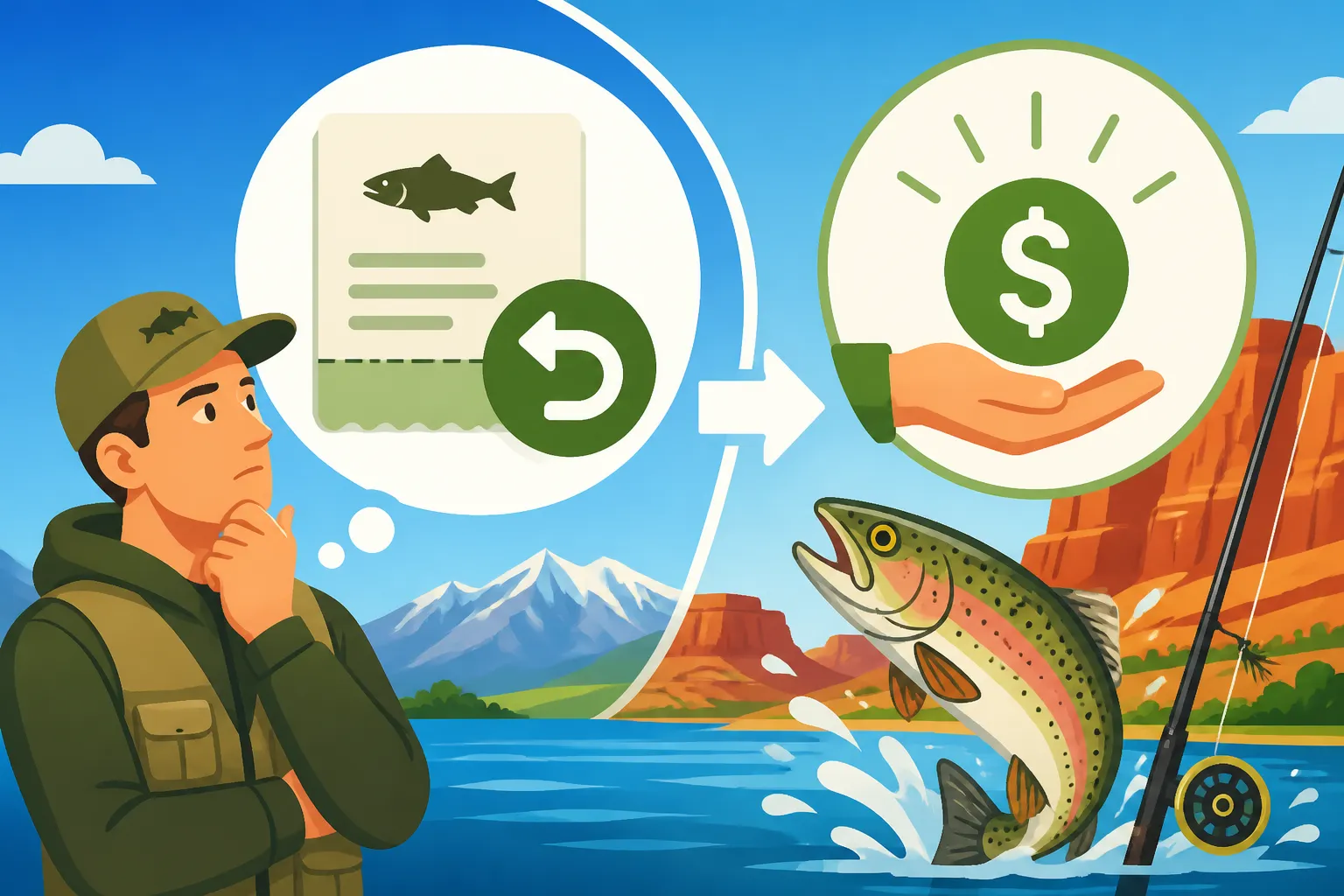
Let's cut right to the chase: generally speaking, the Utah Division of Wildlife Resources (DWR) does not offer refunds for fishing licenses once they have been purchased. This policy applies across the board, whether you bought an annual license, a 3-day permit, or any other option. Once that transaction is complete and the license is issued in your name, it's considered final. This can feel pretty frustrating, especially if you had good intentions, spent your hard-earned money, and then unforeseen circumstances completely derail your fishing plans. You might feel like you've just thrown money away, and it's a valid feeling to have.
Imagine you're ready to head out for a weekend at Strawberry Reservoir, you've bought your Utah Annual Fishing License Expire for the year, and then suddenly you get called in for a mandatory work shift. Or maybe you purchased a Utah Nonresident Fishing License Cost for an upcoming vacation only for the trip to be canceled last minute. In these scenarios, that license, which is already active and valid, simply goes unused. While this is certainly a bummer for you as an angler, from the DWR's perspective, the service (the permit to fish) has already been rendered. The system registers your right to fish, and that right is now active, regardless of whether you physically cast a line.
Why No Refunds? Understanding the "Why"
It might seem unfair at first glance, but there are some very practical and important reasons behind the DWR's no-refund policy. The primary purpose of fishing license fees isn't to generate profit; it's to fund critical conservation and management efforts throughout the state. Every dollar collected from license sales goes directly back into protecting and enhancing Utah's fisheries, including things like:
- Fish Stocking: This is a huge one. Your license fees help pay for the millions of fish, like rainbow trout and kokanee salmon, that are stocked annually into reservoirs and rivers across Utah, ensuring there are plenty of fish for everyone to catch.
- Habitat Restoration: Protecting and improving vital aquatic habitats, like those along the Provo River or in the high Uinta Lakes, is essential for wild fish populations to thrive.
- Research and Monitoring: DWR biologists constantly study fish populations, water quality, and environmental factors to make informed decisions about species management and fishing regulations.
- Law Enforcement: Conservation officers, funded by license sales, patrol waters to ensure compliance with regulations, protecting fish populations from overharvest and illegal activities.
- Access and Facilities: Your fees also contribute to maintaining boat ramps, fishing piers (including Best Handicap-Accessible Fishing Piers in Utah), and other public access points that anglers rely on.
If the DWR were to offer widespread refunds, it would create an immense administrative burden, requiring staff time and resources that would be diverted away from these vital conservation programs. It would also make budgeting for these programs incredibly difficult, as the revenue stream would become unpredictable. Consider it akin to buying a state park day-use fee; once you've paid it and entered the park, even if you leave early, you don't typically get a refund because you've utilized the access. The license is a permit for a service, not a physical good you can return.
Exploring Potential Exceptions or Alternatives
While the general rule is "no refunds," it's worth exploring the very narrow circumstances where a refund might even be considered, along with some practical advice if your plans change. It’s essential to manage expectations here, as genuine exceptions are exceedingly rare.
Very Limited Administrative Errors
In almost all cases, the responsibility for purchasing the correct license type, validating residency, and understanding the purchase finality rests with the angler. However, there can be extremely rare instances of a clear administrative error on the part of the DWR or an authorized vendor that might warrant a review. For example, if you explicitly requested an annual resident license and were accidentally sold two annual licenses, or if you were charged incorrectly due to a system glitch, you might have a very slim chance of getting a partial or full refund for the error. These situations are few and far between and usually require immediate action and clear documentation of the mistake.
If you believe there has been a genuine administrative error, your first step should be to contact the Utah DWR's license division directly and as soon as possible. Be prepared to provide all your transaction details, including dates, times, payment methods, and any confirmation numbers. They will investigate the issue. However, please understand that "buyer's remorse," a change of heart, or simply your plans falling through, are generally not considered administrative errors. They are very specific about what constitutes an error on their part, and it almost always involves an incorrect action by their system or staff, not a mistake made by the purchaser.
Transferring or Gifting a License
Another common question that comes up when an angler can't use their license is whether they can transfer it to someone else. Unfortunately, this isn't an option. Utah fishing licenses are strictly non-transferable. The license is issued to a specific individual based on their unique identification information (like a driver's license number and date of birth), and it cannot be used by anyone else. This policy is in place for several important reasons, primarily to prevent fraud and to ensure that wildlife management funds are collected fairly. If licenses were transferable, it would be much harder to track who is fishing, enforce regulations, and gather accurate data on angler participation.
So, if you've purchased your license and your buddy wants to use it because you can't go, that's simply not allowed. Each angler, regardless of age (with specific rules for Utah Youth Fishing License Rules and Do Kids Under 12 Need a Fishing License in Utah?), must have their own valid license in their own name if they are required to have one. This helps maintain the integrity of the licensing system and ensures that everyone contributes to the conservation efforts that keep Utah's fisheries healthy and abundant.
What if Plans Change? Alternatives to a Refund
Since a refund is almost certainly off the table, what can you do if your fishing plans get unexpectedly canceled? It certainly stinks to have that money tied up in an unused permit. The best "alternative" to a refund is really to make the most of the license you have or to consider the money well spent on a good cause.
First, try to find another opportunity to use your license within its validity period. If you bought an annual license, you have a whole year! Even if your big trip to Flaming Gorge falls through, maybe you can squeeze in a quick evening trip to a local community pond or an accessible spot like Deer Creek Reservoir. Look up Best Fishing Spots Near Salt Lake City or Utah Community Pond Fishing Spots for ideas close to home. Sometimes, a smaller, unexpected fishing outing can be just as rewarding as the grand adventure you initially planned. It's about shifting perspective and seeing if there's any way to still enjoy the privilege you've paid for.
Second, consider the fact that your purchase still contributed to Utah's vital wildlife conservation efforts. Even if you don't cast a single line, your license fee supports fish stocking, habitat preservation, and all the other programs mentioned earlier. Think of it as a donation to keep Utah's natural resources healthy for future generations of anglers. It might not get your money back in your pocket, but it can offer some peace of mind knowing your funds went to a good cause.
Finally, for future purchases, if you're uncertain about your schedule, consider opting for shorter-term licenses like the Utah 3-Day Fishing License Cost or the Utah 7-Day Fishing License Cost. These options are often much more budget-friendly and reduce the financial risk if your plans are still in flux. It’s a good way to test the waters, so to speak, before committing to a full annual license.
Best Practices for Purchasing a Utah Fishing License
Since getting a refund is highly unlikely, the best strategy is to be diligent and informed before you even click that "purchase" button or hand over your cash. A little bit of careful planning can save you a lot of headache and disappointment later on.
Double-Checking Before You Buy
This might sound obvious, but it's astonishing how often mistakes happen, leading to frustration. Before you finalize your fishing license purchase, take a moment to double-check every detail. The most crucial aspects to verify include your residency status, age, and the specific type and duration of the license you intend to buy. For instance, whether you qualify for a resident license depends on meeting specific criteria, and it's not always as straightforward as just having a Utah driver's license. It's important to understand the Utah Fishing License Residency Proof Requirements to ensure you're paying the correct amount and avoiding any potential issues.
Similarly, verify your age group. There are different price points and requirements for Utah Youth Fishing License Cost for Ages 14 to 17 compared to adult licenses, and even specific rules for Utah Fishing License Cost for Ages 65 and Older. Accidentally selecting the wrong age category or a nonresident license when you qualify as a resident could mean paying more or having an invalid license. Always confirm the license duration – an annual license is usually valid for a full year from purchase (or January 1st to December 31st for a calendar year license), while a 3-day or 7-day license starts on the day you specify. If you’re also a hunter, you might save money by considering a Utah Fishing and Hunting Combination License Cost, but make sure it aligns with all your needs. When in doubt, navigating the DWR website or calling their customer service line to ask specific questions can provide clarity and prevent errors that lead to an unused, non-refundable license.
Planning Your Trip Carefully
Impulse purchases can be fun for some things, but maybe not so much for a fishing license that can’t be refunded. Taking a moment to plan your fishing adventures, or at least have a solid idea of when and where you intend to fish, is a smart move. If you're buying an annual license, consider your schedule for the entire year. Do you realistically have enough time to go fishing multiple times to make the annual fee worthwhile? For those who only fish once or twice a year, or perhaps only during a specific season like the Utah Ice Fishing Season Dates, a short-term license might be a much more economical and less risky option.
Think about potential conflicts: major holidays, family events, or busy periods at work that might overlap with your planned fishing excursions. Checking the long-range weather forecast for your target fishing spots is also a good idea, as extreme conditions can sometimes make a trip unfeasible. For instance, if you're planning a trip to a high-elevation lake in the Uinta Mountains, you'll want to ensure the ice has thawed, which can sometimes be as late as July, and check the Utah Fishing Season Dates and Limits for specific species. By having a clearer picture of your availability and the conditions, you can make a more informed decision about which license duration is right for you, minimizing the chance of an unused license sitting idle.
Understanding Digital vs. Physical Proof
In today's digital age, most Utah fishing licenses are issued electronically. When you purchase online, you'll typically receive an email confirmation with a link to download or print your license. Many anglers now opt to keep their license on their phone, either as a PDF or through the official DWR app. This digital format is perfectly valid as proof that you're licensed to fish, as long as it's accessible and readable on your device. While you can still obtain a physical copy at a vendor or print one yourself, the actual "record" of your license exists in the DWR's digital database.
The move towards digital licenses further solidifies the non-refundable nature of the permit. There isn't a physical card to return, nor is there a product that can be deactivated and resold. Once your digital record is created and associated with your angler ID, it's active. This means if you buy your license on Amazon through an authorized vendor's storefront or directly from the DWR website, the process is largely the same. The transaction is immediate, and the right to fish is granted instantaneously. Always ensure your phone is charged if you're relying on a digital license, and it's never a bad idea to have a screenshot or a printed backup, just in case you lose cell service at a remote fishing spot.
| Feature | Utah Fishing License Policy | Rationale |
|---|---|---|
| General Refund Rule | No refunds once purchased | Funds support conservation; administrative burden for refunds. |
| Transferability | Non-transferable | Prevents fraud; ensures fair funding for wildlife management. |
| Cancellation | Not possible after purchase | License is a permit, considered "active" immediately upon issuance. |
| Administrative Error | Very rare, case-by-case review | Only for demonstrable errors by DWR/vendor; contact DWR immediately. |
| Planning Tip | Verify details and plan ahead | Ensure correct license type, residency, and duration to avoid regret. |
| Contribution | Funds go to conservation efforts | Even unused, your purchase benefits fish stocking and habitat improvement. |
Disclaimer
Please remember that fishing regulations and policies can change. While this guide provides the most current information available, it is always your responsibility to verify all rules and regulations with the official Utah Division of Wildlife Resources (DWR) before engaging in any fishing activities. This content is for informational purposes only and should not be considered legal advice.