Utah Lake Catfish Fishing Spots
Anyone who's spent time fishing Utah Lake knows it can be a beast. Its vast, shallow waters and often murky conditions can be incredibly intimidating, leaving many anglers wondering where to even begin, especially when targeting elusive whiskered giants like catfish. But don't despair! This guide is going to strip away the mystery, revealing the absolute best spots on Utah Lake where you can reliably hook into some impressive catfish, whether you're casting from shore or dropping anchor from a boat.
Understanding Utah Lake's Catfish Landscape
Utah Lake, often misunderstood, is a surprisingly robust fishery, especially for catfish. While it might not have the crystal-clear waters of some mountain reservoirs, its shallow, nutrient-rich environment is an absolute haven for whiskered predators. Before we dive into specific locations, let's get a feel for what makes this lake tick when it comes to channel and bullhead catfish.
The Allure of Utah Lake Catfish
There's something uniquely satisfying about reeling in a powerful Utah Lake catfish. These fish are known for their strong fights, particularly the larger channel cats, and they offer a fantastic angling experience for both seasoned veterans and excited newcomers. Unlike trout that might require delicate presentations, catfish often respond well to simpler, more robust setups, making them an accessible target. Plus, when prepared correctly, the fillets can be incredibly delicious, offering a real reward for your efforts. If you're curious about the specific types of catfish you might encounter, our guide on Utah Lake Catfish Species provides a deeper dive into their characteristics and habits.
Many anglers initially shy away from Utah Lake, perhaps due to its reputation for carp or its sometimes turbid appearance. However, those in the know understand that beneath the surface lies a thriving ecosystem, one that supports an impressive population of catfish. These fish are opportunistic feeders, growing to considerable sizes on the abundant forage available, from insects and crustaceans to smaller baitfish. The sheer volume of water means there are endless nooks and crannies for them to inhabit, which can be both a challenge and an opportunity for the discerning angler.
Unique Challenges and Rewards of Utah Lake
Fishing Utah Lake presents its own set of puzzles. Its average depth is only about 9 feet, but it stretches over 150 square miles, making it one of the largest freshwater lakes west of the Mississippi. This vastness, coupled with its often silty bottom and numerous shallow flats, means that finding the concentrations of fish can be tricky. Strong winds can whip up quickly, turning calm waters into choppy seas and making boat control a challenge. However, these very conditions also contribute to the lake's rich ecosystem, providing plenty of food and cover for catfish.
The rewards, however, are substantial. Utah Lake boasts healthy populations of both channel catfish and bullhead catfish, with channel cats regularly tipping the scales into the double digits. Imagine the thrill of landing a 10 or 15-pound channel catfish that fights like a freight train! The shallow nature of the lake also means that catfish aren't hiding in extreme depths, making them more accessible to various fishing techniques, from shore casting to boat angling. Patience is definitely a virtue on Utah Lake, but it's a patience that often pays off handsomely.
Common Catfish Species in Utah Lake
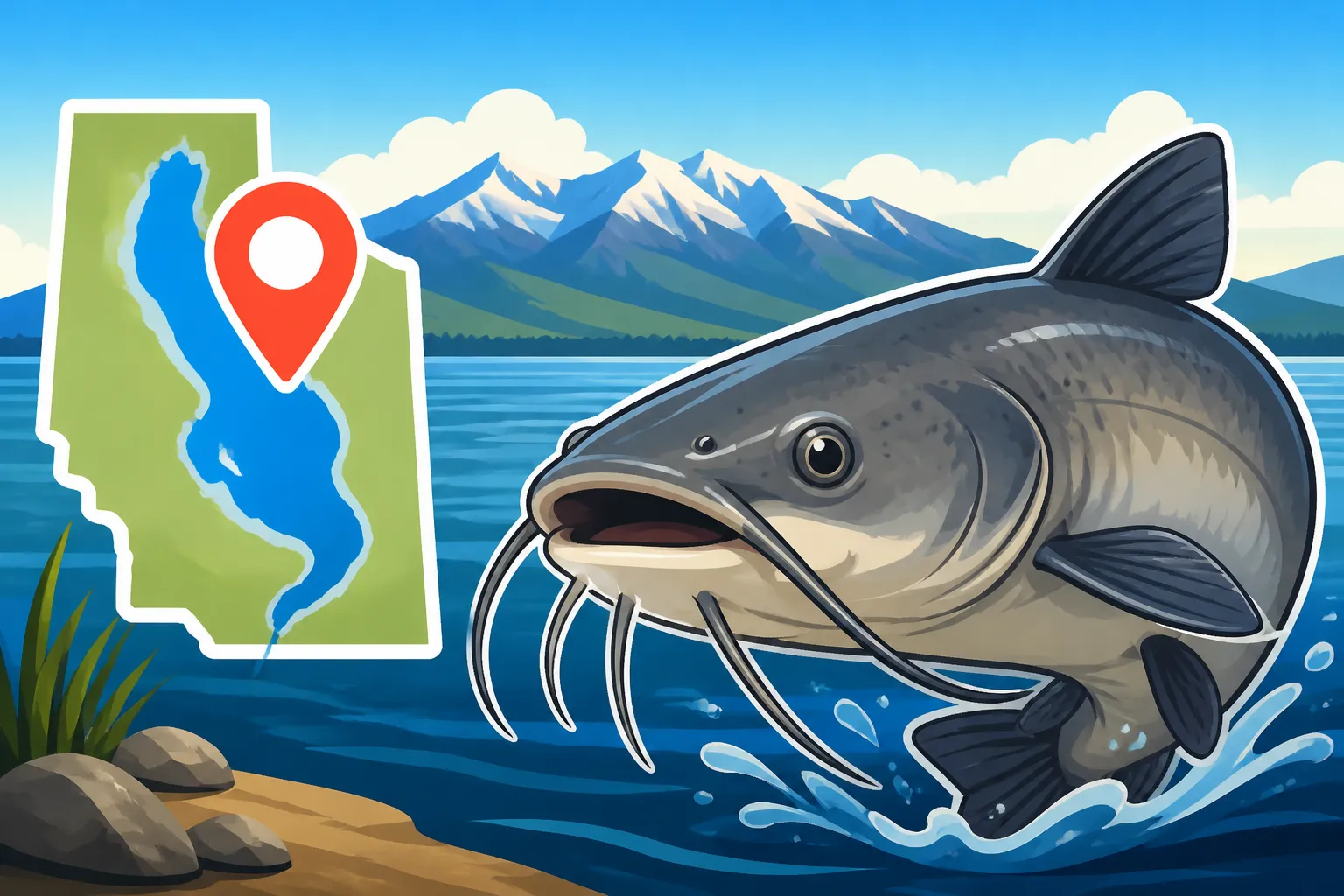
While Utah Lake is home to a few different species, when we talk about "catfish," we're generally referring to two main types: the channel catfish and the bullhead catfish. The channel catfish is the star of the show for many anglers. These are the bigger, stronger fighters, identifiable by their deeply forked tails and scattered black spots (though these spots can fade in larger, older fish). They can grow quite large, offering impressive catches. You can learn more about the potential sizes by checking out our article on Channel Catfish Size in Utah.
Bullhead catfish, on the other hand, are smaller and have a more rounded, unforked tail. They are often dark brown or black and, while they don't reach the same trophy sizes as channel cats, they are incredibly numerous in Utah Lake and offer consistent action, especially for younger anglers or those just looking for a bend in the rod. Both species are bottom feeders, relying heavily on their sensitive barbels (whiskers) to locate food in the often murky water, which is a key piece of information when choosing your fishing spots and bait.
Prime Shore Fishing Spots for Catfish on Utah Lake
You don't need a fancy boat to catch plenty of catfish on Utah Lake. Many of the most productive spots are easily accessible from the shoreline, perfect for a casual afternoon or an evening session under the stars. The key is finding areas with some access to deeper water, structure, or where tributaries bring in fresh nutrients and food.
Provo Boat Harbor and Surrounding Areas
The Provo Boat Harbor is undoubtedly one of the most popular and productive shore fishing spots on Utah Lake, and for good reason. Not only does it offer amenities like restrooms and fish cleaning stations, but the dredged channels and rock jetties provide excellent habitat for catfish. The harbor entrance itself, where the dredged channel meets the main lake, is a particularly active zone, as catfish use these deeper areas as travel lanes and feeding grounds. You can find more detailed information about access here: Provo Boat Harbor Fishing Access at Utah Lake.
Beyond the immediate harbor, explore the shoreline both north and south. The areas where cattails and other vegetation grow thick along the bank can be fantastic, especially during warmer months. Catfish will often cruise these shallower, weedy margins under the cover of darkness, foraging for insects, worms, and small baitfish. Casting out into the deeper channel or along the edges of the rock jetties with a chunk of cut bait or a nightcrawler can yield excellent results, especially in the hours leading up to and after sunset.
Lincoln Beach and Utah Lake State Park
Lincoln Beach, located on the southeast side of the lake near Spanish Fork, is another excellent choice for shore anglers targeting catfish. This area features shallower, marshier sections but also boasts access to some deeper water channels and flats where catfish thrive. The natural structure provided by the changing bottom contours and occasional submerged vegetation makes it a prime feeding ground. Look for areas where there's a slight drop-off from the shore, or where you can cast into a bit deeper water beyond the immediate shallows.
Utah Lake State Park, on the east shore just south of Provo, also offers fantastic shore access. The park provides designated fishing areas, docks, and plenty of bank access. Like the Provo Boat Harbor, the state park features dredged channels for boat access, and these deeper cuts are magnets for catfish. Night fishing here can be particularly productive, as catfish become more active and less wary after dark. Always remember to check for any park-specific regulations or closing times, especially if you plan to stay past sunset.
American Fork Boat Harbor and North Shoreline
Moving to the north end of the lake, the American Fork Boat Harbor and its adjacent shoreline provide another excellent set of opportunities for catfish anglers. Similar to the Provo Harbor, the dredged entrance and deeper water within the harbor are key areas. Catfish will congregate here, especially when other areas of the lake might be stirred up by wind. The rock structure of the jetties also provides ambush points and cover for these bottom dwellers.
The north shoreline stretching from American Fork eastward towards Lindon often features a mix of shallow flats and slightly deeper pockets, interspersed with emergent vegetation. These areas can be fantastic during the warmer months when catfish move into shallower water to feed. Look for subtle changes in depth or areas where you see activity from carp or other baitfish, as catfish won't be far behind. Early morning and late evening are often the best times to fish these shallower zones from shore, as the catfish feel more secure under low light conditions.
Top Boat Access Catfish Hotspots
While shore fishing is fantastic, having a boat opens up a whole new world of possibilities on Utah Lake, allowing you to reach prime catfish real estate that's otherwise inaccessible. The sheer size of the lake means that knowing where to focus your efforts can make all the difference when you're targeting catfish from a vessel. If you're planning to launch, make sure to consult our guide on the Best Boat Ramps on Utah Lake for convenient access points.
Deep Water Channels and Drop-offs
One of the most effective strategies for targeting larger channel catfish from a boat is to focus on the deeper channels and subtle drop-offs found throughout Utah Lake. While the lake is generally shallow, there are areas, particularly near river mouths and around the main boat harbors, where the bottom has been dredged or naturally dips to 10-20 feet or more. These deeper cuts act like highways for catfish, providing cooler, more stable water temperatures and concentrated food sources.
Using your fish finder to identify these channels, especially where they intersect with shallower flats or where there's some kind of submerged structure, can be incredibly productive. Anchor upcurrent from these spots and let your bait drift into the channel. The edges of these drop-offs are often just as good, if not better, than the deepest part of the channel itself, as catfish will patrol these transitional zones looking for an easy meal. This technique is particularly effective during the heat of summer when catfish seek refuge in slightly cooler, deeper water.
Tributary Inlets and River Mouths
Utah Lake is fed by several rivers and streams, including the Provo River, Spanish Fork River, and American Fork River. The areas around where these tributaries enter the lake are absolutely prime catfish hotspots. The incoming water brings with it fresh nutrients, insects, and often small baitfish, creating a buffet for hungry catfish. These areas can be especially productive during spring runoff or after a rain event, when the increased flow stirs up food.
When fishing these river mouths, pay attention to the current and clarity of the water. Catfish will often position themselves just outside the strongest current, in eddies or along the current seams, waiting for food to wash by. The fan-shaped deltas created by these rivers also offer a mix of depths and substrates, providing diverse habitats. Again, a fish finder can be invaluable here to locate subtle humps, depressions, or submerged logs that might be holding fish. Consider booking a trip with a local guide through a platform like FishingBooker to help you navigate these dynamic areas and pinpoint the most active spots.
Structure Fishing Near Submerged Brush and Timber
While Utah Lake might not have a ton of standing timber like some reservoirs, it does have areas with submerged brush, old fence lines, or even large rocks that provide excellent cover and ambush points for catfish. These hidden structures can be frustrating to fish due to potential snags, but they are absolutely worth the effort. Catfish, especially larger ones, love to hold tight to cover, using it to hide from predators and ambush prey.
If you have a good fish finder with side imaging, spend time slowly cruising areas where you suspect there might be submerged structure. Mark these spots on your GPS. Then, carefully position your boat so you can cast your bait as close to the structure as possible without getting snagged immediately. A Carolina rig or a three-way swivel rig with a short dropper line for your weight can help keep your bait just off the bottom and reduce snags. This kind of targeted structure fishing can be incredibly rewarding, often yielding bigger, more territorial catfish.
Best Times and Conditions for Utah Lake Catfish
Catching catfish on Utah Lake isn't just about finding the right spot; it's also about timing. Understanding their seasonal movements, daily activity patterns, and how they react to different weather conditions can dramatically increase your success rate. These whiskered bottom dwellers have distinct preferences that, once learned, can give you a real edge.
Seasonal Catfish Behavior and Spawning
Catfish on Utah Lake exhibit clear seasonal patterns. Spring is an excellent time to target them as water temperatures rise, waking them up from their winter lethargy. They'll move into shallower areas to feed heavily in preparation for spawning. As late spring transitions into early summer, usually when water temperatures are consistently in the mid-60s to low 70s Fahrenheit, channel catfish will begin their spawning rituals. During this time, they become very aggressive and territorial, often seeking out dark, secluded spots like undercut banks, rock crevices, or dense submerged vegetation to lay their eggs. Fishing around these types of natural cover can be very effective during the spawn.
Summer offers fantastic catfishing, especially for larger channel cats, though you might need to adjust your approach. During the hottest parts of the day, catfish will often retreat to deeper channels, drop-offs, or areas with more cover to escape the sun and seek slightly cooler water. However, they become incredibly active and move into shallower feeding flats during the evening, overnight, and early morning hours. Fall can also be productive as catfish feed heavily to bulk up for winter, though their activity will start to slow down as water temperatures drop. Winter catfishing is possible but generally much slower, as the fish become less active. For more insights on the best seasonal approaches, our guide on How to Catch Catfish at Utah Lake in Summer offers valuable tips.
Daily Patterns and Night Fishing
When it comes to daily patterns, catfish are primarily nocturnal, or at least crepuscular (most active at dawn and dusk). While you can certainly catch them during the day on Utah Lake, particularly if you're targeting deeper areas or fishing around structure, their activity levels really ramp up as the sun sets. Night fishing for catfish is a time-honored tradition and for very good reason: it's often the most productive time to be on the water.
Under the cover of darkness, catfish feel more secure, moving out of their daytime hiding spots to cruise shallow flats and shorelines in search of food. Their excellent sense of smell and their barbels, which are like super-sensitive taste buds, allow them to locate prey efficiently even in total darkness. So, if you're looking for consistent action and the chance at a trophy, pack your headlamp, a good lantern, and plan a night excursion. Just be sure to bring appropriate safety gear if you're on a boat, as covered in our Utah Boating and Fishing Rules guide.
Weather and Water Conditions
Weather and water conditions play a significant role in Utah Lake catfishing success. Overcast days, especially in summer, can extend the morning bite and make daytime fishing more productive, as the reduced light mimics twilight conditions. Conversely, bright, sunny days often push catfish into deeper, shadier areas. Rain can be a mixed bag; a light rain can often turn on the bite by washing food into the lake, but heavy downpours that muddy the water extensively might temporarily slow things down until the water clears slightly.
Wind is another critical factor on Utah Lake. A gentle breeze creating a "chop" on the water can be beneficial, as it breaks up the surface and can dislodge food, making catfish more confident in moving into shallower areas. However, strong winds can make fishing miserable and even dangerous, especially in a smaller boat. Always check the wind forecast before heading out. Turbid or murky water, often a characteristic of Utah Lake, actually works in your favor for catfish. They are perfectly adapted to these conditions, relying on scent and vibration rather than sight to find food, so don't be deterred by less-than-clear water.
Essential Gear and Bait for Utah Lake Catfish
Having the right tools for the job can make all the difference when you're targeting big, hard-fighting catfish on Utah Lake. From your rod and reel setup to the baits you choose, a little preparation can lead to a lot more fish in the net. Luckily, catfishing doesn't usually require highly specialized or expensive gear, making it a fantastic entry point for new anglers.
Rods, Reels, and Line Selection
For Utah Lake catfish, you'll want a medium-heavy to heavy action spinning or baitcasting rod, typically in the 7 to 9-foot range. This length provides good casting distance, especially important for shore anglers, and the backbone needed to handle powerful fish and cast heavy baits. A fast action tip will help you detect subtle bites. Pair this with a sturdy spinning reel in the 4000-6000 size range, or a robust baitcasting reel capable of holding plenty of line. The reel should have a smooth, reliable drag system, as you'll definitely need it.
When it comes to fishing line, braided line in the 30-50 pound test range is an excellent choice. It offers superior strength, sensitivity, and resistance to abrasion, which is helpful when fishing around submerged structure. If you prefer monofilament, opt for a strong, abrasion-resistant line in the 15-25 pound test range. Many anglers also use a monofilament or fluorocarbon leader of about 12-20 pounds, which can be more subtle and help reduce tangles. You can also explore specific recommendations in our guide on Best Pound Test Line for Utah Lake Catfish.
Popular Baits and Rigs
Catfish are primarily scavengers and opportunistic predators, so strong-smelling baits that appeal to their keen sense of smell are often the most effective. On Utah Lake, tried-and-true options include cut bait (especially from oily fish like shad, carp, or even dead suckers), chicken liver, and nightcrawlers. Dough baits and commercially prepared "stink baits" can also be highly effective. The key is to use a bait with a strong odor that disperses well in the water. Our article on What Bait Works Best for Utah Lake Catfish? delves into this topic with more detail.
For rigging, a simple bottom rig is often all you need. A slip sinker rig (Carolina rig) is very popular: slide an egg sinker (1/2 oz to 2 oz, depending on current and casting distance) onto your main line, tie on a barrel swivel, and then attach a 12-18 inch fluorocarbon or monofilament leader with a 3/0 to 7/0 circle hook or an Octopus hook. The slip sinker allows the fish to pick up the bait without feeling the weight immediately, leading to more confident bites. For bullheads or smaller channel cats, a simple slip bobber rig with a worm or small piece of cut bait can also be very effective, especially when fishing from shore.
| Bait Type | Pros | Cons | Ideal Use |
|---|---|---|---|
| Cut Bait | Strong scent, appeals to larger channel cats, durable. | Can be messy to prepare, requires fresh source. | Targeting trophy channel cats, all year round. |
| Chicken Liver | Intense scent, readily available, very attractive. | Very soft, easily falls off hook, messier. | General catfishing, especially in warmer water. |
| Nightcrawlers | Universal appeal, easy to find, less messy. | Smaller profile, might attract smaller fish, less scent. | All catfish species, good for active smaller fish or under bobbers. |
| Stink Baits | Extremely potent scent, designed for catfish, convenient. | Can be very messy, often targets smaller fish, expensive. | When fish are finicky or water is highly turbid, easy to use from shore. |
Essential Accessories for Catfish Anglers
Beyond the basic rod and reel, a few key accessories will significantly improve your Utah Lake catfishing experience. A sturdy net with a rubberized mesh is essential for landing larger catfish safely and without tangling hooks. A pair of long-nose pliers or a hook-removal tool is crucial for safely unhooking fish, especially if they've swallowed the hook deep. Catfish have tough, sandpaper-like mouths, and their pectoral and dorsal fins have sharp spines, so handling them can be tricky without the right tools.
Other helpful items include a dedicated bait cooler (especially for chicken liver or cut bait on hot days), a sharp fillet knife if you plan to keep your catch, and a stringer or cooler to keep your fish fresh. For night fishing, a bright headlamp and a lantern are indispensable for rigging lines, baiting hooks, and safely navigating. If you're out in a boat, a reliable GPS and a fish finder are absolute game-changers for locating those productive deep channels and submerged structures. Consider checking out FishingBooker for guides who already have all the necessary gear and can provide a seamless experience.
Local Wisdom and Tips for Success
Even with the best spots and gear, a little local knowledge and understanding of how catfish behave can be the secret ingredient to a truly successful day (or night!) on Utah Lake. Experienced anglers have learned these nuances over countless hours on the water, and now you can benefit from their hard-won wisdom.
Reading the Water and Identifying Catfish Holds
Utah Lake might seem like a uniform expanse of water, but it's full of subtle clues if you know how to look. "Reading the water" means paying attention to current, water color, shoreline features, and even the presence of other wildlife. For catfish, look for areas where the natural flow of water (from rivers or wind-driven currents) might concentrate food. Mud lines where clearer water meets turbid water can often be productive, as catfish will patrol these zones.
On the shallower flats, look for areas with even a slight increase in depth, a patch of submerged vegetation, or a cluster of rocks. These aren't always obvious from shore but can be goldmines from a boat using a fish finder. Areas where birds are actively feeding or where you see schools of carp jumping can indicate a healthy food chain that catfish are part of. Remember, catfish are ambush predators and scavengers, so they'll often be found near cover or where food is naturally funneled. Our article on How to Fish From Shore in Utah offers more general advice applicable to identifying good bank fishing areas.
Safety Considerations on Utah Lake
Safety on Utah Lake should always be your top priority, whether you're fishing from shore or a boat. For boaters, the lake's shallow depth means winds can quickly whip up dangerous waves. Always check the weather forecast before heading out, pay attention to changing conditions, and let someone know your float plan. Life jackets are a must for everyone on board, and ensure your boat has all required safety equipment, as outlined in the Utah Boating and Fishing Rules. The lack of distinct landmarks on the vast lake can make navigation tricky, especially at night or in foggy conditions, so a reliable GPS is highly recommended.
For shore anglers, pay attention to slippery banks, especially after rain, and be mindful of your footing. If you're fishing at night, a good light source is essential to avoid trips and falls. Be aware of your surroundings, especially if fishing in more remote areas. It's always a good idea to bring a friend, or at least inform someone of your plans, especially if you plan on extended night fishing sessions.
Conservation and Responsible Angling
While Utah Lake's catfish population is healthy, practicing responsible angling ensures it stays that way for future generations. If you're keeping fish, only take what you need and adhere strictly to the Utah Fishing Regulations Explained regarding daily bag and possession limits. If you're releasing fish, handle them gently with wet hands, support their body, and return them to the water as quickly and carefully as possible. Consider using circle hooks, which are less likely to be swallowed by the fish, making release easier and less harmful.
Beyond fish handling, be a good steward of the lake environment. Pack out all your trash, including discarded fishing line and bait containers. Don't leave any litter on the shore or in the water. Respect private property and always secure a valid Utah Fishing License Guide before casting a line. Local guides, often found via services like FishingBooker, are excellent examples of ethical anglers and can teach you best practices firsthand. By doing your part, you contribute to a thriving fishery and ensure that Utah Lake remains a fantastic destination for catfish anglers for years to come.
Disclaimer
Please remember that fishing conditions, regulations, and fish populations can change. Always consult the latest Utah Fishing Guidebook published by the Utah Division of Wildlife Resources (DWR) before heading out. This guide is for informational purposes only and should not replace official DWR regulations. Local conditions and specific access points can vary, so always exercise caution and good judgment when planning your fishing trips.